

HYDERABAD – In an escalating campaign to enforce public health standards across the state, the Telangana Food Safety Department conducted a series of intensive inspections on Wednesday, May 20, uncovering a disturbing array of hygiene violations and safety lapses. The raids, which spanned high-end establishments in the capital city of Hyderabad and popular bakeries in Karimnagar, have sent shockwaves through the regional hospitality sector.
From the discovery of fly-infested ingredients to the suspected reuse of hazardous cooking oils, the findings highlight a systemic failure in food safety protocols at several prominent venues. The department has since initiated legal proceedings against the management of the implicated businesses, signaling a zero-tolerance approach toward practices that jeopardize consumer health.
1. Overview of the Enforcement Drive: Main Facts
The inspections were part of a coordinated effort by the Commissioner of Food Safety, Telangana, to address growing public concern over the quality of food served in commercial establishments. On May 20, task force teams targeted three specific locations: Urban Monk Fine Dine and Baking in LB Nagar, Meld Haus brewery in Nagole, and Ganesh Bangalore Bakery in Karimnagar’s Subhash Nagar.
The findings across these locations were varied but equally concerning:
- Pest Infestation: Evidence of insects and poor pest control measures in food preparation areas.
- Expired Inventory: Significant quantities of food products and raw materials being used or stored past their "best before" dates.
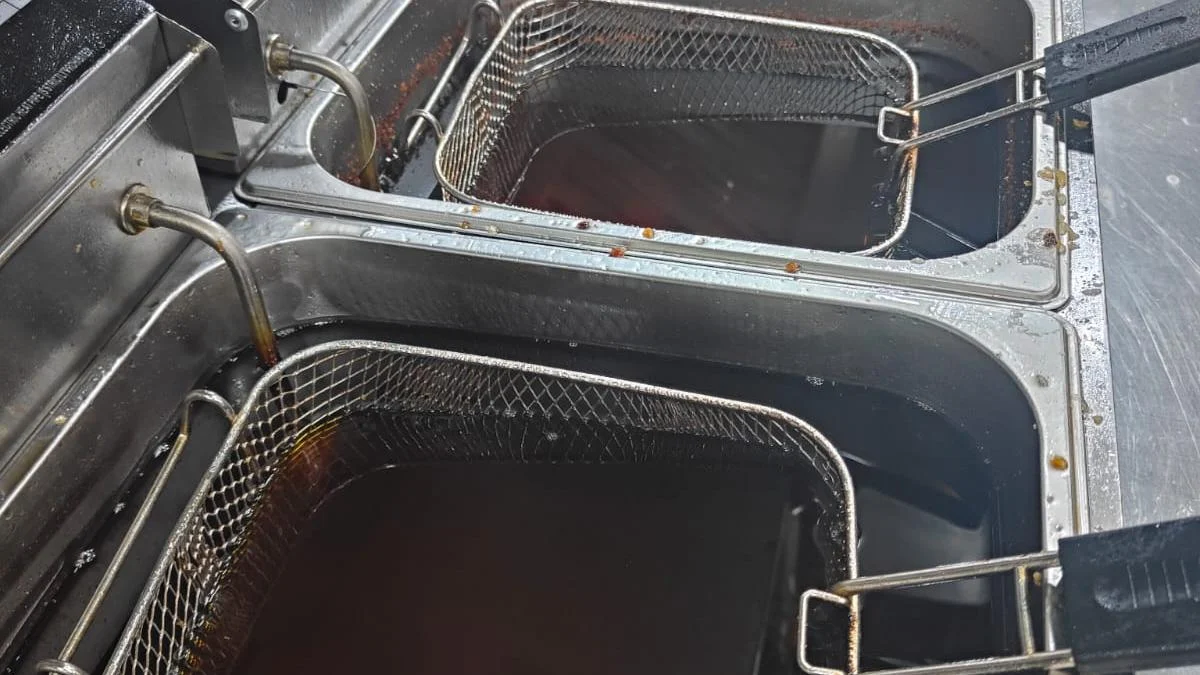
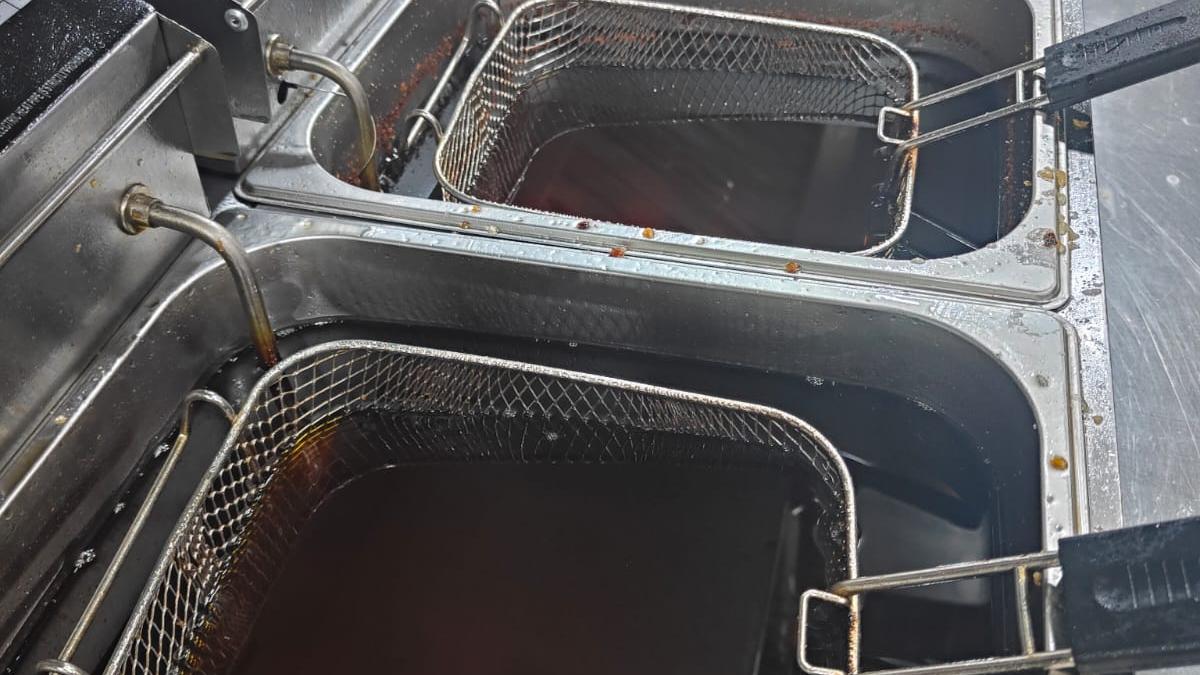
- Chemical Hazards: Suspected repeated reuse of cooking oil, a practice known to produce carcinogenic compounds.
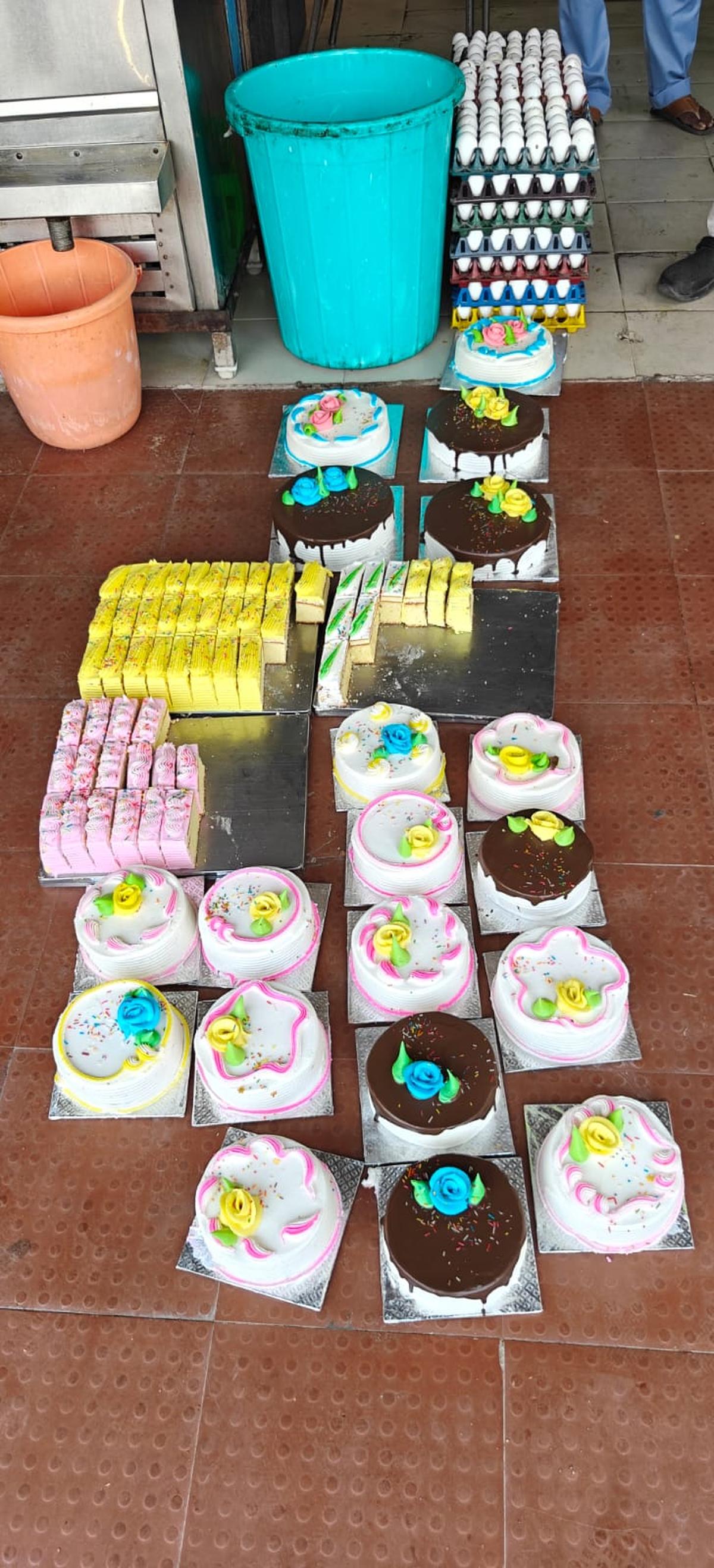
- Severe Biological Contamination: In Karimnagar, officials discovered hundreds of rotten eggs being used as a primary ingredient for baked goods.
The department confirmed that enforcement samples were collected from all sites and dispatched to state laboratories for rigorous chemical and microbiological analysis.
2. Chronology of the Inspections: A Day of Reckoning
The enforcement actions began on the morning of Wednesday, May 20, as task force teams split to cover different zones of the Greater Hyderabad Municipal Corporation (GHMC) and the northern district of Karimnagar.
The Hyderabad Phase (LB Nagar and Nagole)
In the early afternoon, officials arrived at Urban Monk Fine Dine and Baking in LB Nagar. What was marketed as a premium dining and baking experience was found to be operating under substandard sanitary conditions. Shortly thereafter, the team moved to Meld Haus, a well-known brewery in the Nagole area. At both locations, the inspections lasted several hours as officials combed through storage units, refrigerators, and kitchen counters.
The Karimnagar Phase (Subhash Nagar)
Simultaneously, food safety officers in Karimnagar conducted a surprise raid on Ganesh Bangalore Bakery. Acting on intelligence regarding the quality of ingredients used in mass-produced cakes, the team inspected the bakery’s storage facilities. The discovery of foul-smelling, fly-infested eggs led to an immediate halt in production and the destruction of existing stock.
Immediate Post-Inspection Actions
By late evening on May 20, the department issued a press note summarizing the day’s findings. On-the-spot disposal of hazardous items was completed, and formal notices were served to the Food Business Operators (FBOs).
3. Supporting Data: Detailed Findings and Public Health Risks
The granular details provided by the Food Safety Department paint a grim picture of the conditions within these kitchens.
Urban Monk Fine Dine and Meld Haus: Storage and Oil Mismanagement
In the Hyderabad raids, the most significant concerns revolved around labeling and the chemical integrity of cooking mediums.
- Mislabeled and Expired Goods: Several containers of sauces, pre-mixed batters, and seasonings lacked proper labels or had exceeded their expiration dates. According to the Food Safety and Standards Authority of India (FSSAI) guidelines, such items must be discarded immediately, as they can harbor harmful bacteria or lose their chemical stability.
- Cooking Oil Reuse: Officials suspected the repeated heating of cooking oil. When oil is reused multiple times, it undergoes oxidative degradation, leading to the formation of Total Polar Compounds (TPC). High levels of TPC are linked to heart disease, hypertension, and various forms of cancer.
- Sanitary Failures: The presence of pests and general lack of cleanliness in the washing areas were noted as major violations of the "Good Manufacturing Practices" (GMP) required under the law.
Ganesh Bangalore Bakery: The "Rotten Egg" Crisis
The findings in Karimnagar were arguably the most visceral.

- 750 Damaged Eggs: Inspectors found 750 eggs that were in an advanced state of decay. These eggs were foul-smelling and had become a breeding ground for houseflies.
- Contaminated Final Products: Approximately 20 kg of cakes were found on the premises. Given the proximity to the spoiled eggs and the likelihood that they were used as an ingredient, officials deemed the cakes "unfit for human consumption" and ordered their immediate destruction.
- Biological Hazards: Using spoiled eggs introduces a high risk of Salmonella and E. coli outbreaks. These pathogens can cause severe gastrointestinal distress, dehydration, and, in vulnerable populations, life-threatening systemic infections.
4. Official Responses and Legal Framework
The Telangana Food Safety Department has been vocal about the necessity of these raids. In their official communication, the department emphasized that the health of the citizen is paramount.
Statement from the Department
"Expired and spoiled food articles, along with suspected reused cooking oil, were discarded on the spot during the inspections," the department stated. "Necessary action is being initiated against the Food Business Operators concerned under the provisions of the Food Safety and Standards Act, 2006."
The Food Safety and Standards Act (FSSAI)
The legal action initiated against these establishments falls under the Food Safety and Standards Act, 2006, which consolidated various food laws in India. Key aspects of the legal proceedings include:
- Section 51: Penalty for sub-standard food, which can lead to fines up to five lakh rupees.
- Section 52: Penalty for misbranded food.
- Section 54: Penalty for food containing extraneous matter.
- Section 59: Punishment for manufacturing, selling, or distributing unsafe food. Depending on the gravity of the health impact (e.g., if it causes injury or death), this can result in imprisonment ranging from six months to a life term, alongside heavy fines.
The department has also indicated that the licenses of these establishments are under review. If the lab results from the collected samples confirm high levels of toxicity or pathogens, the establishments could face permanent closure.
5. Broader Implications for the Food Industry and Consumers
This crackdown is part of a larger trend in Telangana, where the food safety task force has become increasingly active over the past year. The implications of these raids extend far beyond the specific businesses named.
Erosion of Consumer Trust
The discovery of such violations at "Fine Dine" establishments and popular breweries suggests that high prices and aesthetic interiors do not always guarantee food safety. This has led to a growing demand from the public for more transparent hygiene ratings. Many consumers are now calling for "Hygiene Rating" certificates to be displayed prominently at the entrances of all restaurants.
The Economic Cost of Negligence
For the food industry, these raids serve as a stark reminder of the cost of negligence. Beyond the immediate fines and loss of stock, the reputational damage is often irreparable. In the age of social media, photos of fly-infested kitchens or rotten ingredients go viral instantly, leading to a massive drop in footfall that can bankrupt a business.
Public Health and the "Summer Surge"
Food safety experts note that inspections are particularly critical during the warmer months in Telangana. High temperatures accelerate the spoilage of perishable items like eggs, meat, and dairy. Without stringent cold-chain management and rapid turnover of stock, establishments become hotbeds for foodborne illnesses.
The Role of the Consumer
The Food Safety Department has encouraged citizens to be vigilant. Consumers are urged to:
- Check for FSSAI Licenses: Every food business must display its 14-digit FSSAI license number.
- Report Violations: Use the "FoSCoS" (Food Safety Compliance System) portal or the department’s social media handles (such as @cfs_telangana on X) to report unhygienic conditions.
- Observe Hygiene: Pay attention to the cleanliness of the staff, the presence of hairnets/gloves, and the general state of the dining area.
Conclusion
The raids on May 20 serve as a grim reminder of the hidden dangers that can lurk behind kitchen doors. While Hyderabad’s culinary scene continues to thrive and expand, the Telangana Food Safety Department’s findings at Urban Monk, Meld Haus, and Ganesh Bangalore Bakery highlight a critical need for stricter internal audits and more frequent state oversight.
As the enforcement samples undergo laboratory testing, the residents of Telangana await the final verdict. One thing remains clear: the state’s drive to sanitize the food industry is far from over, and the era of "profit over safety" is being met with the full force of the law.
