

By Investigative Culinary Desk
In an era increasingly defined by a shift toward "clean label" consumption and the DIY (Do-It-Yourself) gastronomic movement, the humble raspberry has emerged as a focal point for health enthusiasts and culinary experts alike. While store-bought juices often rely on high-fructose corn syrup, artificial colorants, and heat-treated concentrates that diminish nutritional integrity, the artisanal preparation of fresh raspberry juice represents a return to fundamental botanical extraction.
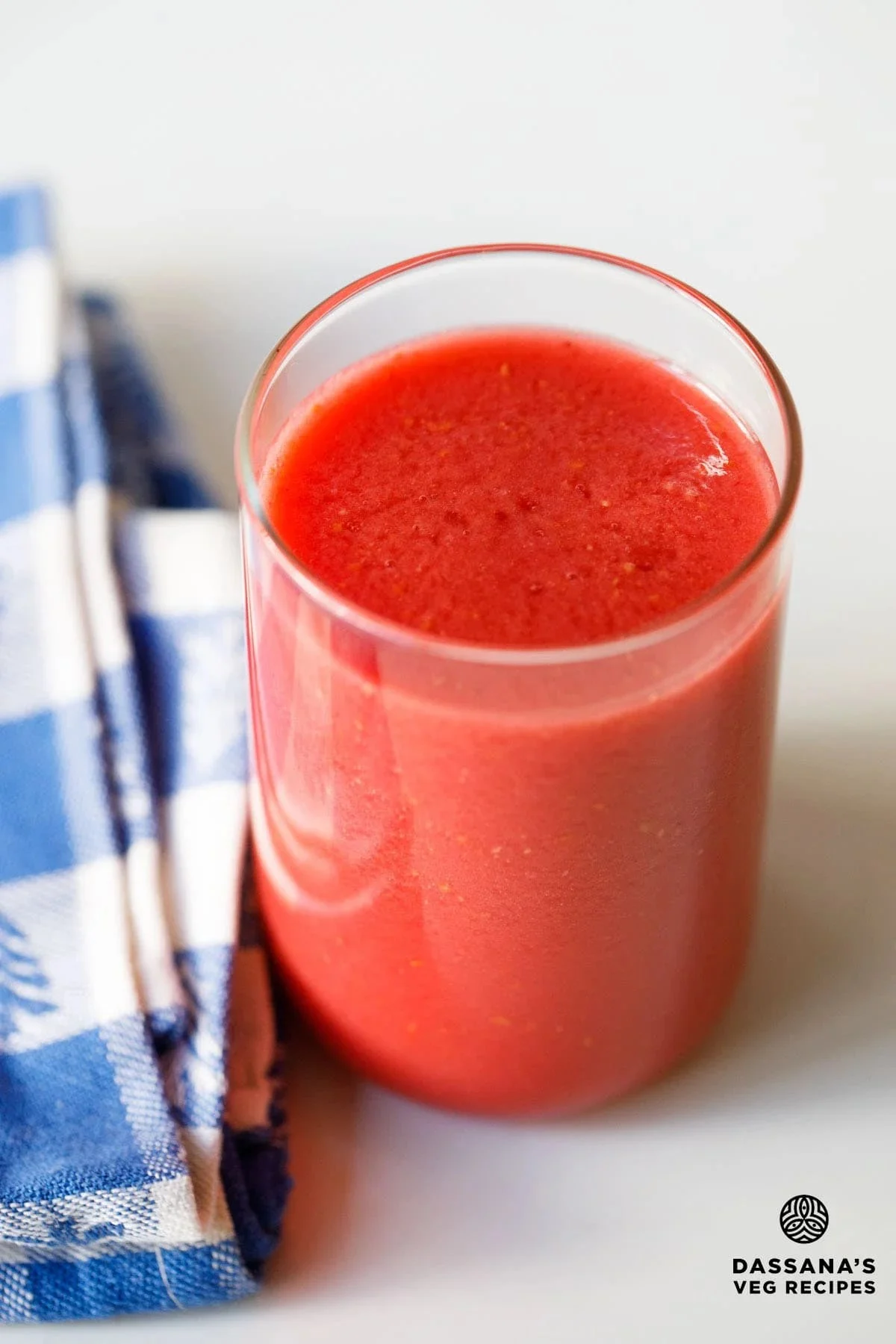
Recent insights from veteran vegetarian chef Dassana Amit, a Le Cordon Bleu-trained pastry expert, highlight the growing popularity of this vibrant beverage. The drink—characterized by its signature sweet-tart profile and striking ruby hue—is more than a mere summer refreshment; it is a sophisticated delivery system for high-density phytonutrients.
Main Facts: The Anatomy of a Pure Fruit Extract
At its core, the preparation of raspberry juice is an exercise in minimalist culinary science. The standard formulation requires only three primary components: fresh or frozen Rubus idaeus (the European red raspberry), a controlled volume of aqueous solvent (water), and a calibrated amount of sweetener to balance the fruit’s natural acidity.

According to technical specifications, a standard yield of two medium glasses requires approximately 250 grams of fresh raspberries. The resulting beverage is notable for its versatility, offering a medium-thick consistency that can be modified according to the consumer’s textural preference.
Key attributes of the artisanal raspberry juice include:
- Visual Profile: A vibrant, natural red color derived from anthocyanins, which are potent antioxidants.
- Flavor Complexity: A dual-note profile of sweetness and sharp tartness, which varies depending on the ripeness and geographical origin of the berries.
- Textural Versatility: The option to retain seeds for fiber or strain them for a "velvet" finish suitable for pediatric or geriatric diets.
Chronology: The Methodological Approach to Extraction
The production of raspberry juice, while seemingly simple, requires a disciplined chronological sequence to ensure maximum flavor extraction and microbial safety. Chef Dassana Amit outlines a six-step professional protocol:
Phase I: Preparation and Sanitization
The process begins with the thorough rinsing of 250 grams of fresh berries. Given the delicate, porous structure of raspberries, this step is critical for removing surface particulates while maintaining the fruit’s structural integrity. The berries must be drained completely in a colander to prevent unintended dilution during the subsequent blending phase.

Phase II: The Blending Matrix
The sanitized berries are transferred to a high-speed blender. At this juncture, 4 to 5 tablespoons of sugar (or an equivalent alternative sweetener) are introduced. The addition of 1.5 cups of water serves as the carrier. For those seeking an immediate "chilled" effect, the water temperature is pre-regulated to 4°C (40°F).
Phase III: Emulsification and Flavor Adjustment
The mixture is blended until a homogenous smooth state is achieved. This is a critical diagnostic stage where the "sweet-tart" balance is assessed. If the berries exhibit a high acidity—common in certain regional varieties—supplemental sugar or a "pH balancer" in the form of 0.5 teaspoons of lemon juice may be added to brighten the flavor profile.
Phase IV: Textural Refinement
The juice at this stage contains pulverized seeds, which contribute a "gritty" mouthfeel. To achieve a professional-grade finish, the liquid is passed through a fine-mesh stainless steel strainer. This separation process removes the insoluble fiber (seeds) while retaining the juice’s viscosity.
Phase V: Stabilization and Service
The final product is either served immediately to prevent oxidative browning or stabilized in a refrigerated environment. Chef Amit recommends a storage window of no more than four to five hours to ensure peak enzymatic activity and flavor retention.

Supporting Data: A Comprehensive Nutritional Analysis
The nutritional profile of homemade raspberry juice is significantly superior to processed alternatives. Based on a 250g fruit base, the following data illustrates the beverage’s impact on daily dietary requirements:
Macronutrient Breakdown
A single serving contains approximately 157 kcal, with a carbohydrate load of 39g. Notably, despite being a liquid, the juice retains 8g of dietary fiber if not overly strained, representing nearly 30% of the recommended daily intake (RDI).
Micronutrient Density
The juice serves as a potent source of Vitamin C (ascorbic acid), providing 33mg per serving. This is essential for collagen synthesis and immune function. Furthermore, the drink contains:
- Potassium (189mg): Crucial for electrolyte balance and cardiovascular health.
- Vitamin K (10µg): Necessary for bone metabolism and blood coagulation.
- Folate (26µg): Vital for DNA repair and cellular division.
- Manganese: Though not listed in all charts, raspberries are among the highest fruit sources of this essential mineral, aiding in metabolic function.
Antioxidant Capacity
Beyond vitamins, the juice is rich in ellagitannins and anthocyanins. Clinical studies suggest these compounds play a role in reducing oxidative stress and may have anti-inflammatory properties that benefit metabolic health.

Official Responses: Expert Insights from the Test Kitchen
Chef Dassana Amit, whose background includes intensive training at Le Cordon Bleu in plant-based patisserie, emphasizes that the "honesty" of the ingredients is the most vital component of the recipe.
"I have spent over 16 years sharing trusted, strictly vegetarian recipes," Amit states. "The key to a successful raspberry juice lies in the balance. In regions like India, fresh raspberries can be slightly more tart than their European counterparts. A little sugar isn’t just for sweetness; it’s a flavor enhancer that pulls the natural fruitiness to the forefront."
Amit also provides professional "troubleshooting" tips for home cooks:
- On Dilution: "Avoid adding too much water. The goal is a full-bodied raspberry flavor. If you exceed 1.75 cups of water for 250g of berries, you risk losing the fruit’s soul."
- On Temperature: "For a thicker, slushy-like consistency, use frozen raspberries. They provide a structural density that fresh berries lack when blended."
- On Presentation: "Separation is a natural process in non-homogenized juices. A simple stir before serving restores the drink’s integrity."
Implications: The Shift Toward Functional Beverages
The resurgence of homemade fruit juices like raspberry juice has broader implications for public health and the beverage industry.

1. The Decline of Synthetic Additives
As consumers become more literate in reading ingredient labels, the demand for "zero-additive" drinks has spiked. Raspberry juice, made at home, bypasses the need for sodium benzoate (preservative) and Red Dye No. 40, which are common in commercial "berry-flavored" drinks.
2. Economic and Agricultural Impact
The recommendation to use fresh, seasonal berries supports local agricultural cycles. In markets where raspberries were once considered a luxury import, increased domestic cultivation—particularly in cooler highland regions—is making this high-antioxidant fruit more accessible to the middle-class kitchen.
3. Pediatric Nutrition
The ability to strain the juice makes it an ideal "entry-level" fruit for young children who may be sensitive to the texture of whole berries. By introducing natural, tart flavors early, parents can help calibrate a child’s palate away from the hyper-sweetness of processed sodas.
4. Culinary Versatility
The implications extend beyond the glass. This juice serves as a "mother base" for various culinary applications, including:

- Gastrique: Reducing the juice with vinegar to create a savory sauce for roasted vegetables.
- Mixology: Serving as a vibrant, non-alcoholic base for sophisticated mocktails.
- Patisserie: Being used as a soaking liquid for sponge cakes or a base for vegan fruit jellies.
Conclusion
The artisanal preparation of raspberry juice is a testament to the philosophy that the highest form of culinary sophistication often lies in simplicity. By combining traditional techniques with modern nutritional awareness, experts like Dassana Amit are empowering consumers to take control of their dietary health. As the summer months approach, this "Crimson Elixir" stands as a benchmark for what a functional beverage should be: transparent, nutrient-dense, and unapologetically fresh.
