

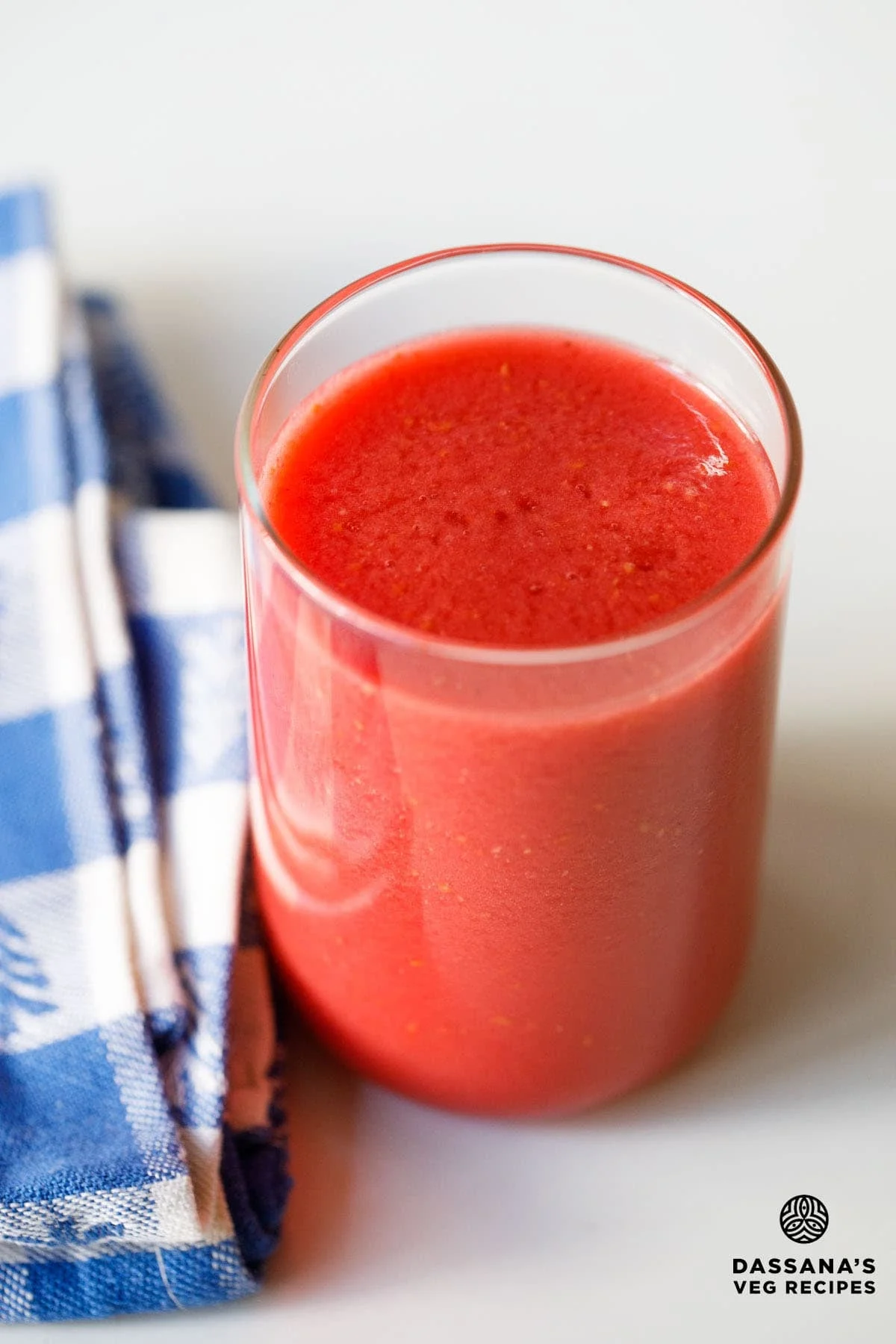
In an era increasingly dominated by processed sugars and artificial flavorings, a significant shift toward "clean label" beverages is taking root in kitchens across the globe. At the forefront of this movement is the resurgence of the whole-fruit juice—a simple, three-ingredient preparation that prioritizes nutritional integrity and flavor complexity. Leading this culinary revival is the raspberry, a fruit whose vibrant hue and complex sweet-tart profile have made it a cornerstone of contemporary artisanal beverage crafting.
The recent documentation of a specialized Raspberry Juice preparation by renowned vegetarian chef Dassana Amit highlights a growing demand for transparency in what we consume. By utilizing fresh raspberries, filtered water, and a calibrated amount of sweetener, this beverage offers a sophisticated alternative to carbonated soft drinks, providing a dense nutritional profile alongside its refreshing sensory appeal.
Main Facts: The Anatomy of the Perfect Raspberry Juice
At its core, the production of high-quality raspberry juice is an exercise in minimalist culinary excellence. The recipe, as standardized by Amit, utilizes 250 grams of fresh raspberries to produce approximately two medium servings. This ratio ensures a "medium-thick" consistency that preserves the mouthfeel of the fruit without becoming overly viscous.
The beverage is characterized by its bright, sweet-tart flavor—a profile dictated by the ripeness of the berries and the specific variety used. In regions like India, where fresh raspberries often lean toward the tart side of the spectrum, the inclusion of 4 to 5 tablespoons of sugar (or an equivalent natural sweetener) is not merely for sweetness, but acts as a flavor enhancer that balances the natural acidity of the fruit.
Key components of the preparation include:
- The Base: 250 grams of raspberries (fresh or frozen).
- The Diluent: 1.5 cups of water, adjustable for desired thickness.
- The Balancer: 4–5 tablespoons of sugar and an optional 0.5 teaspoon of lemon juice to heighten acidity if the berries are overly sweet.
- The Texture: Options for "with pulp/seeds" for maximum fiber or "strained" for a refined, silky finish.
Chronology: From Vine to Glass
The process of creating raspberry juice is a chronological progression that requires attention to detail at each stage to ensure food safety and flavor retention.
1. Sourcing and Sanitation
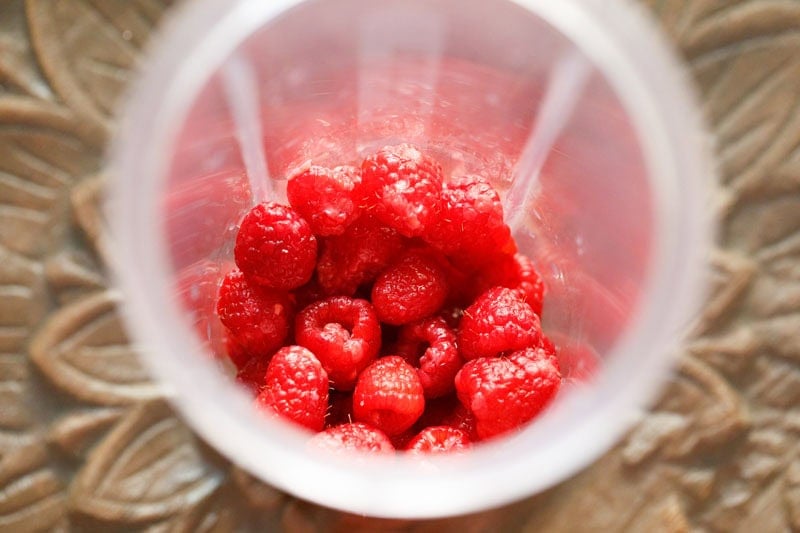
The timeline begins with the selection of the fruit. While frozen raspberries are noted for creating a thicker, almost slushy-like texture, fresh raspberries are preferred for a lighter, more aromatic juice. The first critical step is the thorough rinsing of the 250 grams of berries. Given the delicate, porous nature of raspberries, they must be drained immediately in a colander to prevent water-logging, which can dilute the intense berry essence.
2. Maceration and Blending
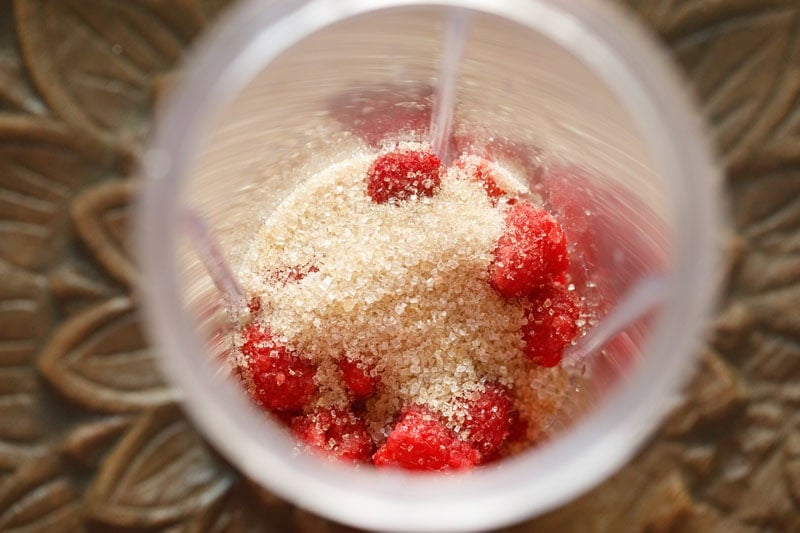
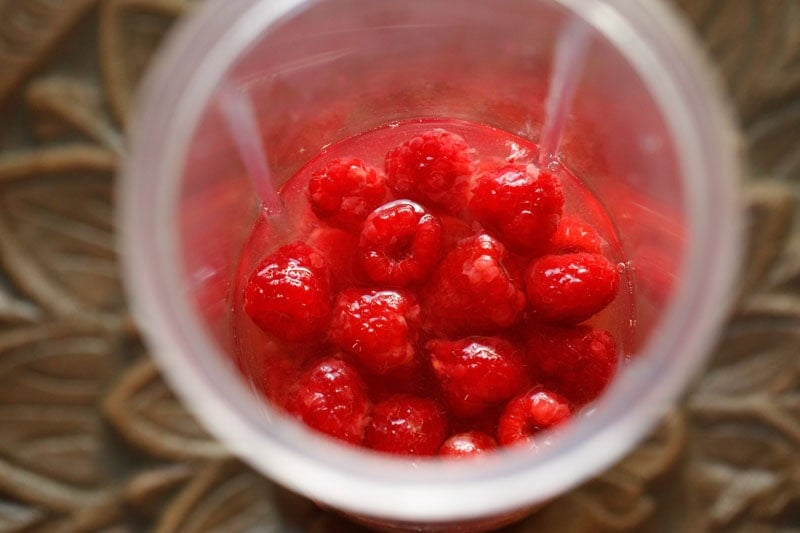
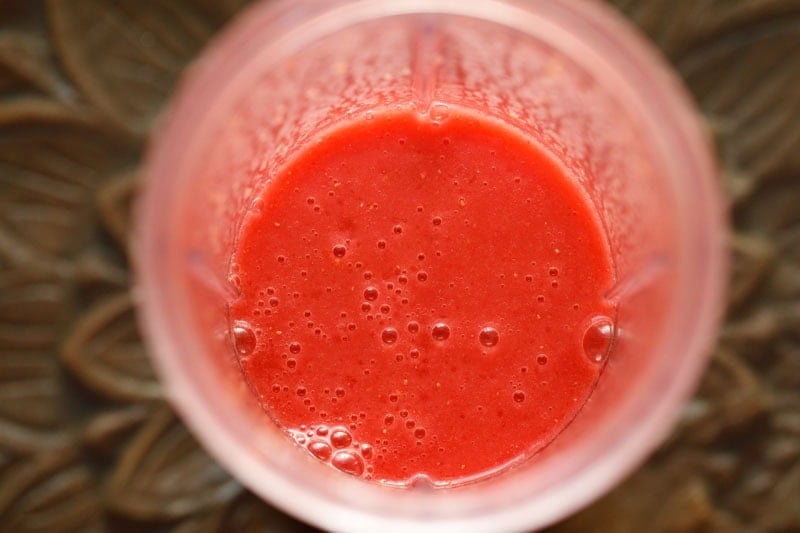
Once cleaned, the berries are transferred to a high-speed blender. The sugar and water are added at this stage. The choice of water temperature is pivotal; using chilled water immediately begins the "cooling" process, which is essential for a beverage intended to be a heat-relief solution. The blending process continues until the mixture is uniform. At this juncture, a "flavor check" is performed. This is the moment where culinary intuition meets the recipe, as the maker must decide if the tartness requires the additional lemon juice or more sweetener.
3. Refinement and Filtration
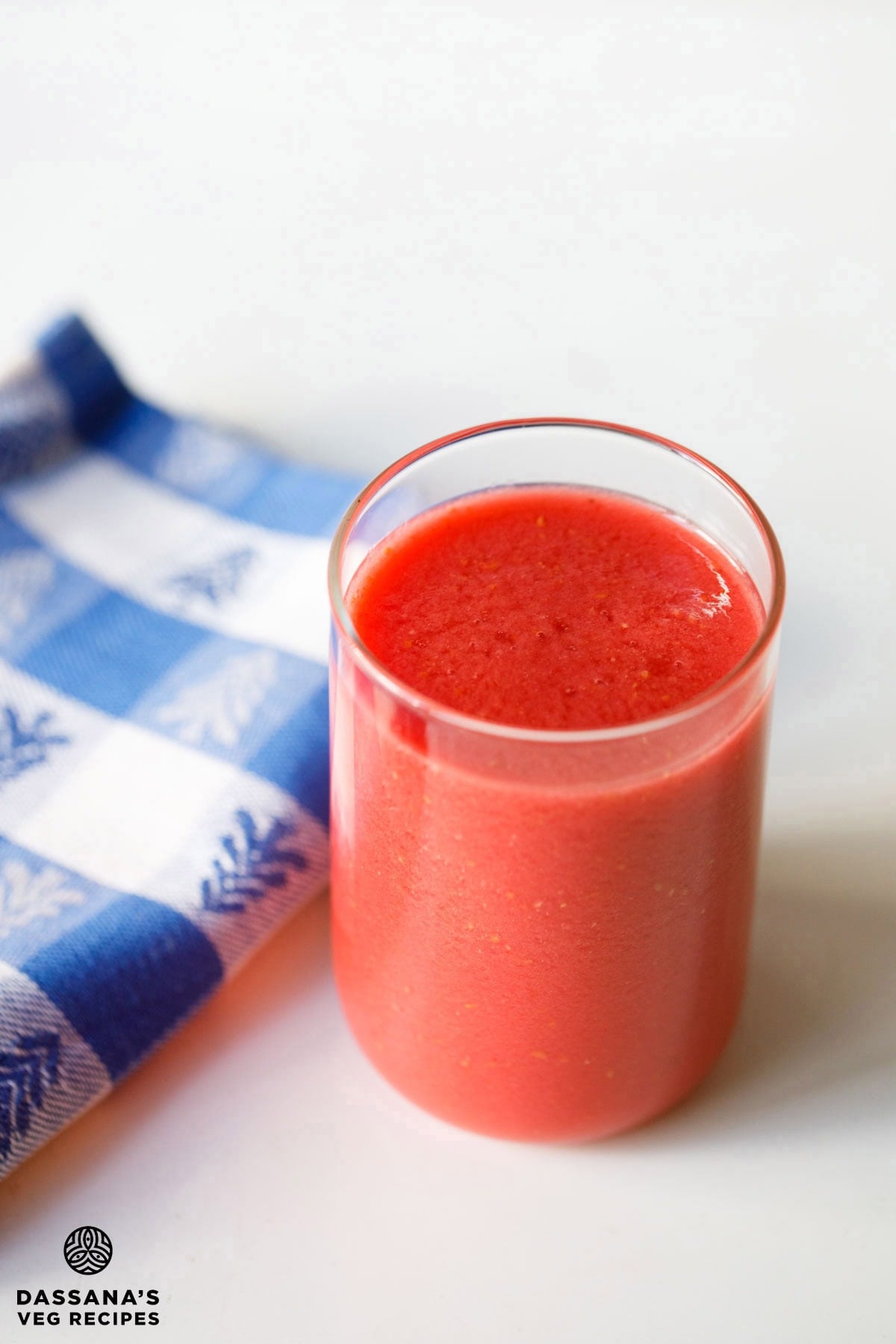
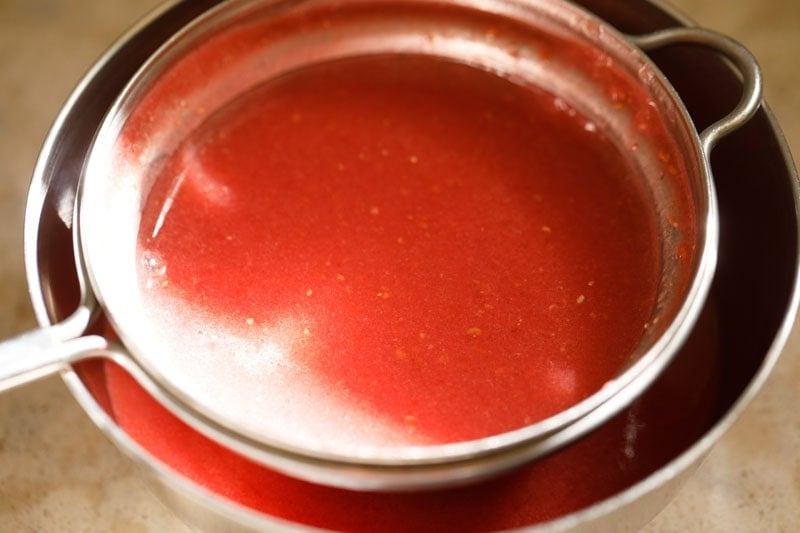
The juice enters the refinement stage once the desired flavor is achieved. The seeds of the raspberry provide a "gritty" texture that some enthusiasts enjoy for its rustic feel. However, for a professional presentation or for consumption by young children and the elderly, the juice is passed through a fine-mesh strainer. This separation of solids from liquids results in a vibrant red, translucent liquid that is as visually striking as it is palatable.
4. Service and Storage
The final stage of the chronology is the service. The juice is best enjoyed immediately to capture the volatile aromatic compounds of the fresh fruit. If storage is necessary, the juice is moved to a covered glass container and refrigerated. Experts recommend a maximum storage window of 4 to 5 hours, as natural separation occurs over time, requiring a thorough stir before eventual consumption.
Supporting Data: The Nutritional Profile
The argument for homemade raspberry juice over commercial alternatives is most effectively made through its nutritional data. A single serving (approximately half the recipe) contains roughly 157 calories, but it is the micronutrient density that stands out.
Macronutrient Breakdown
- Carbohydrates: 39g (primarily from fruit sugars and added sweetener).
- Dietary Fiber: 8g. This is a remarkably high figure for a beverage, representing a significant portion of the daily recommended intake and aiding in digestive health.
- Protein: 2g.
- Fat: 1g (negligible).
Vitamins and Minerals
The juice acts as a potent delivery system for essential vitamins. A single batch provides:
- Vitamin C (33mg): Crucial for immune function and collagen synthesis.
- Vitamin K (10µg): Essential for bone health and blood clotting.
- Folate (26µg): Important for DNA repair and cell division.
- Potassium (189mg): An electrolyte that supports heart health and fluid balance.
Furthermore, the juice contains trace amounts of Magnesium (29mg), Calcium (37mg), and Phosphorus (36mg), making it a multi-mineral supplement in liquid form. The high antioxidant content—typical of red berries—helps combat oxidative stress, providing long-term health benefits that go beyond simple hydration.
Official Responses: Insights from the Culinary Experts
Chef Dassana Amit, a Le Cordon Bleu-trained pastry chef and a specialist in plant-based patisserie, emphasizes that the simplicity of the recipe is its greatest strength. With over 16 years of experience in vegetarian cooking, Amit suggests that the "secret" to the juice lies in the water-to-fruit ratio.
"I prefer using 1½ cups of water for a fuller raspberry flavor," Amit notes. "Avoid adding too much water, as it can dilute the fresh berry flavor."
This professional perspective highlights a common mistake in home juicing: the tendency to over-dilute to increase volume. By maintaining a concentrated fruit base, the drink retains its status as a premium beverage rather than a "fruit-flavored water." Amit also points out the versatility of the fruit, noting that frozen berries are not a compromise but a tactical choice for those seeking a different texture. Her recommendation to strain the juice for specific demographics (the elderly and children) reflects a professional concern for "mouthfeel" and safety, elevating the recipe from a simple drink to a thoughtful culinary preparation.
Implications: The Future of Home Juicing and Health
The popularity of such recipes has broader implications for public health and the beverage industry. As consumers become more adept at creating high-quality drinks at home, the reliance on mass-produced, preservative-laden juices is expected to decline.
1. The Clean Label Movement
This raspberry juice recipe aligns perfectly with the "Clean Label" trend—a consumer-driven movement demanding food products with fewer and more recognizable ingredients. By making juice at home, consumers eliminate stabilizers, artificial colors (Red 40), and high-fructose corn syrup from their diets.
2. Culinary Empowerment
The ease of this recipe (taking only minutes to prepare) empowers individuals to take control of their nutrition. It demystifies the process of beverage creation, proving that a "gourmet" experience does not require complex machinery or rare additives.
3. Economic and Seasonal Sustainability
While raspberries can be expensive, the ability to use frozen berries allows for year-round consumption of high-antioxidant foods at a lower price point. This encourages a diet rich in polyphenols regardless of the season, potentially lowering the long-term healthcare costs associated with poor dietary choices.
4. Integration into the "Slow Food" Ethos
The act of rinsing, blending, and straining fruit is a micro-expression of the "Slow Food" movement. It encourages a more mindful relationship with ingredients. When a person prepares their own raspberry juice, they are more likely to appreciate the nuances of the flavor and the nutritional value of the 250 grams of fruit, leading to a more satisfying and conscious consumption experience.
In conclusion, the simple Raspberry Juice is more than just a cooling summer drink. It represents a intersection of professional culinary technique, rigorous nutritional science, and a growing cultural shift toward wellness. As experts like Dassana Amit continue to share these "honest, soulful" recipes, the path to a healthier, more flavorful lifestyle becomes accessible to anyone with a blender and a handful of fresh berries.
