

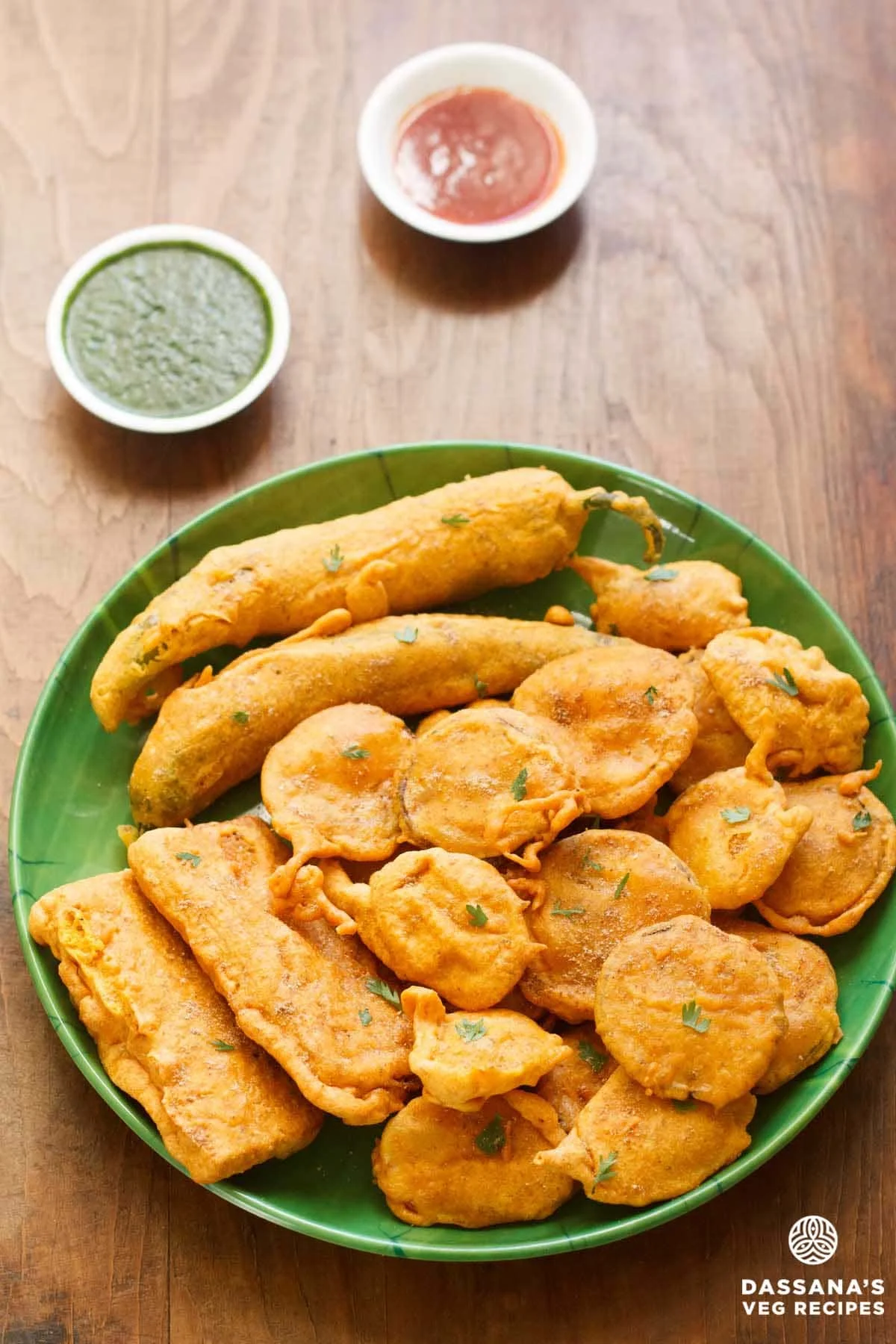
The Indian culinary landscape is a vast tapestry of flavors, but few items hold as much universal appeal as the Bhajiya. These crisp, golden-brown fritters, synonymous with monsoon afternoons and bustling street corners, represent more than just a snack; they are a gastronomic institution. In a recent comprehensive guide to the "Mixed Bhajiya," culinary experts have broken down the intricate science of the batter-coated fritter, revealing how a humble mixture of gram flour and vegetables has become a staple of Indian identity, particularly in the western states of Gujarat and Maharashtra.
Main Facts: The Anatomy of a Perfect Bhajiya
At its core, a Bhajiya is a fritter made from vegetables or other ingredients coated in a seasoned gram flour (besan) batter and deep-fried to a precise level of crunch. While the term is often used interchangeably with "Pakora" or "Bajji," regional nuances define the specific texture and preparation method.

In the "Mixed Bhajiya" tradition, diversity is the primary objective. Unlike the "Vegetable Pakora," where vegetables are finely chopped and incorporated into a thick dough, the mixed bhajiya platter focuses on individual integrity. Thinly sliced potatoes, succulent brinjals (eggplants), pungent large green chillies, and even triangles of white bread are treated as separate entities, each dipped into a silky batter before meeting the hot oil.
The secret to the Bhajiya’s signature texture lies in the "besan" or gram flour. Traditionally gluten-free and high in protein, besan provides a nutty base that, when combined with a small percentage of rice flour, achieves a superior level of crispness. The flavor profile is built through a strategic use of Indian aromatics: carom seeds (ajwain) for digestion, asafoetida (hing) for depth, and turmeric and red chili powder for warmth and color.

Chronology: From Raw Ingredients to the Golden Platter
The preparation of an authentic mixed bhajiya platter is a chronological process that demands precision and timing. Culinary experts emphasize that the order of operations—from batter aeration to the frying sequence—determines the final quality of the snack.
Phase 1: The Aeration of the Batter
The process begins with the dry mix. Two cups of fresh gram flour are sifted to ensure no lumps remain. The addition of carom seeds and rice flour is crucial. A significant technical debate exists within the culinary community regarding the use of leavening agents. While many commercial vendors use baking soda for a "puffy" coating, traditionalists argue that thorough whisking can aerate the batter naturally, providing a light, crisp shell without the chemical aftertaste of soda.

Phase 2: Vegetable Preparation and Osmosis
Preparation of the "fillings" requires an understanding of vegetable moisture. Brinjals are sliced and soaked in salted water—a process that serves a dual purpose: preventing oxidation (browning) and leaching out any residual bitterness. Potatoes are sliced into even rounds to ensure uniform cooking. Perhaps the most delicate preparation involves the green chillies; they are slit and deseeded, allowing the batter to coat the interior, creating a "chili pocket" of flavor.
Phase 3: The Art of Deep Frying
The final phase is the thermal transformation. The oil must be maintained at a medium-high temperature (approximately 180°C/356°F). A common diagnostic test involves dropping a small amount of batter into the oil; if it rises gradually, the temperature is ideal. The frying sequence is also strategic: potatoes and chillies are often fried first, while bread and brinjal—which can absorb more oil or release more moisture—are handled with specific care to maintain the oil’s temperature.

Supporting Data: The Nutritional Profile of the Street Food Staple
While Bhajiyas are often categorized as an indulgence, a nutritional breakdown reveals a complex profile. According to data provided for a standard four-serving recipe of mixed bhajiyas, the caloric and micronutrient density is significant.
| Metric | Value per Serving |
|---|---|
| Calories | 554 kcal |
| Protein | 19 g |
| Total Fat | 20 g |
| Carbohydrates | 76 g |
| Fiber | 17 g |
| Iron | 5 mg |
| Potassium | 1452 mg |
| Folate (B9) | 329 µg |
The data suggests that despite being deep-fried, the use of gram flour contributes a high protein and fiber content compared to wheat-based snacks. Furthermore, the inclusion of diverse vegetables like eggplant and potato provides a substantial amount of potassium and folate. However, the 20 grams of fat per serving underscores the need for moderation, particularly in a diet focused on cardiovascular health.

Culinary Insights: Expert Perspectives on Technique
Culinary authorities, including Dassana of Veg Recipes of India, provide "official" guidance that separates amateur attempts from professional-grade results. These insights serve as the gold standard for home cooks and commercial farsan (snack) shop owners alike.
The "Drip" Standard
The consistency of the batter is the most frequent point of failure. Experts suggest a "medium-thick" flow. If the batter is too thin, it fails to adhere to the smooth surface of a potato slice; if too thick, it results in a doughy, undercooked interior.

The Moisture Barrier
A critical "official" tip involves the drying of vegetables. After soaking brinjals or rinsing potatoes, they must be patted completely dry with a kitchen towel. Any residual surface moisture creates a steam barrier between the vegetable and the batter, causing the coating to peel off during frying and leading to dangerous oil spluttering.
The Bread Factor
The inclusion of bread in a bhajiya platter is a unique regional specialty. Because bread is highly porous, it acts as a sponge for oil. Experts recommend frying bread bhajiyas only when the oil is sufficiently hot to sear the batter instantly, creating a seal that prevents the oil from saturating the crumb.

Implications: The Evolution of the Farsan Industry
The enduring popularity of the Bhajiya has significant implications for the Indian food industry and domestic lifestyle trends.
The Rise of Digital Culinary Education
The detailed documentation of traditional recipes like the Mixed Bhajiya reflects a shift in how cultural knowledge is preserved. As the Indian diaspora grows, digital platforms have become the primary "grandmothers" of the modern era, ensuring that regional techniques (like the Gujarati style of Bhajiya) are not lost to globalization.

Economic Impact of Street Food
In states like Gujarat and Maharashtra, the "Farsan" (savory snack) industry is a multi-million dollar sector. Shops specializing in Bhajiya and Ganthiya are central to the local economy. The "Mixed Bhajiya" platter, in particular, allows vendors to manage inventory by utilizing a variety of seasonal vegetables, making it a sustainable and high-margin product.
The Health-Conscious Pivot: Air Frying
As the nutritional data suggests, the high fat content of traditional Bhajiyas is a concern for the modern, sedentary workforce. This has led to a surge in "Air Fryer" adaptations. While purists argue that the texture of an air-fried Bhajiya cannot match the "sizzle" of the kadai (wok), the health implications are undeniable. Reheating leftovers in an air fryer at 180°C has also become the recommended method for maintaining crispness without adding further oil, effectively extending the shelf-life of a snack that was traditionally consumed within minutes of preparation.

Social and Cultural Cohesion
Ultimately, the Bhajiya serves as a social lubricant. Whether served with Masala Chai at a roadside stall or presented on a platter with green chutney and tamarind sauce at a family gathering, it remains a symbol of hospitality. The "Mixed" nature of the platter—offering something for everyone, from the spice-lover’s chili to the child’s favorite potato—mirrors the pluralistic nature of Indian society itself.
In conclusion, the Bhajiya is far more than a simple fritter. It is a confluence of chemistry, tradition, and regional pride. As culinary techniques continue to be refined and documented, the Bhajiya remains a testament to the power of simple ingredients—flour, water, and spice—to create a sensory experience that defines a nation’s palate.
