

MADURAI – For decades, the city of Madurai has been synonymous with a relentless, 24-hour food culture. Known as Thoonga Nagaram (the city that never sleeps), its gastronomic identity was forged in the heat of bustling street-side messes, the aroma of pungent mutton chukkas, and the legendary sweetness of Jigarthanda. However, a quiet but profound transformation is currently sweeping through the city’s hospitality sector. A new wave of restaurateurs is shifting the focus from the plate to the portal, creating immersive environments where interior design, lighting, and visual storytelling are as essential as the menu itself.
This evolution marks a departure from the functional, high-turnover "mess" culture toward a more contemplative, experiential dining model. From terracotta-drenched traditionalism to European-inspired garden cafes, Madurai is witnessing a design-led revolution that caters to a new generation of diners who eat with their eyes long before they taste the food.
Main Facts: The Shift from Sustenance to Experience
The primary driver of this transformation is the integration of "Instagrammability" with cultural authenticity. Modern diners in Madurai are no longer satisfied with just a delicious meal; they seek a "third space"—an environment between home and work that offers an emotional or aesthetic escape.
Several key establishments are leading this charge:
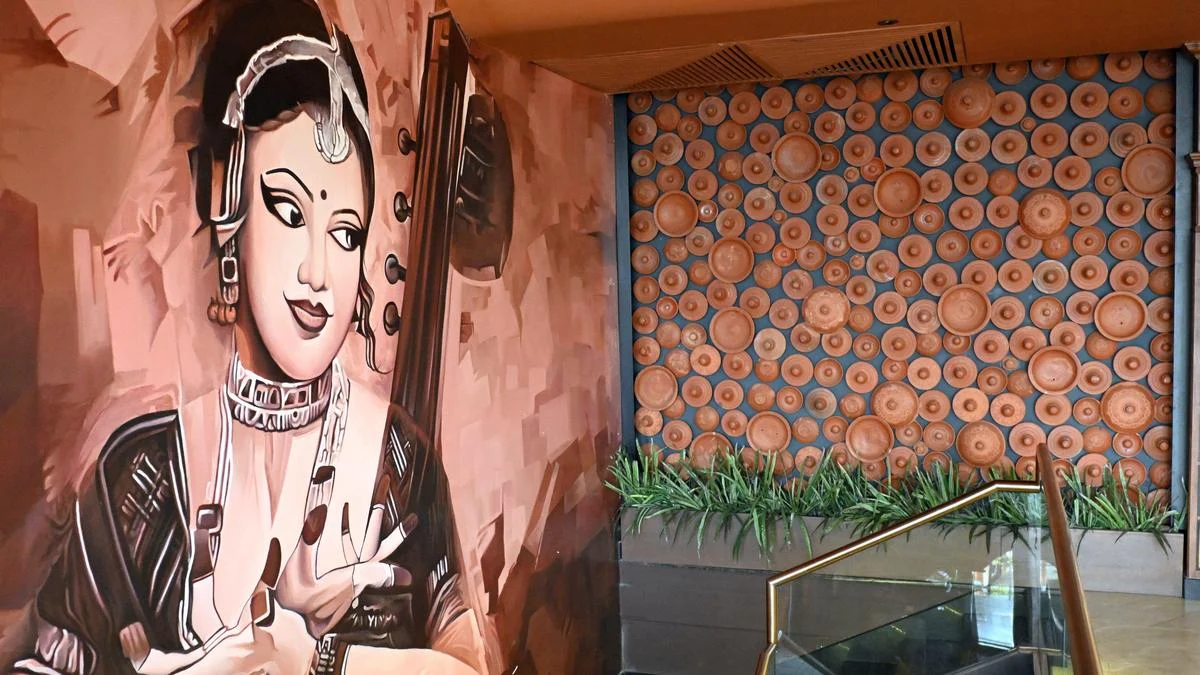
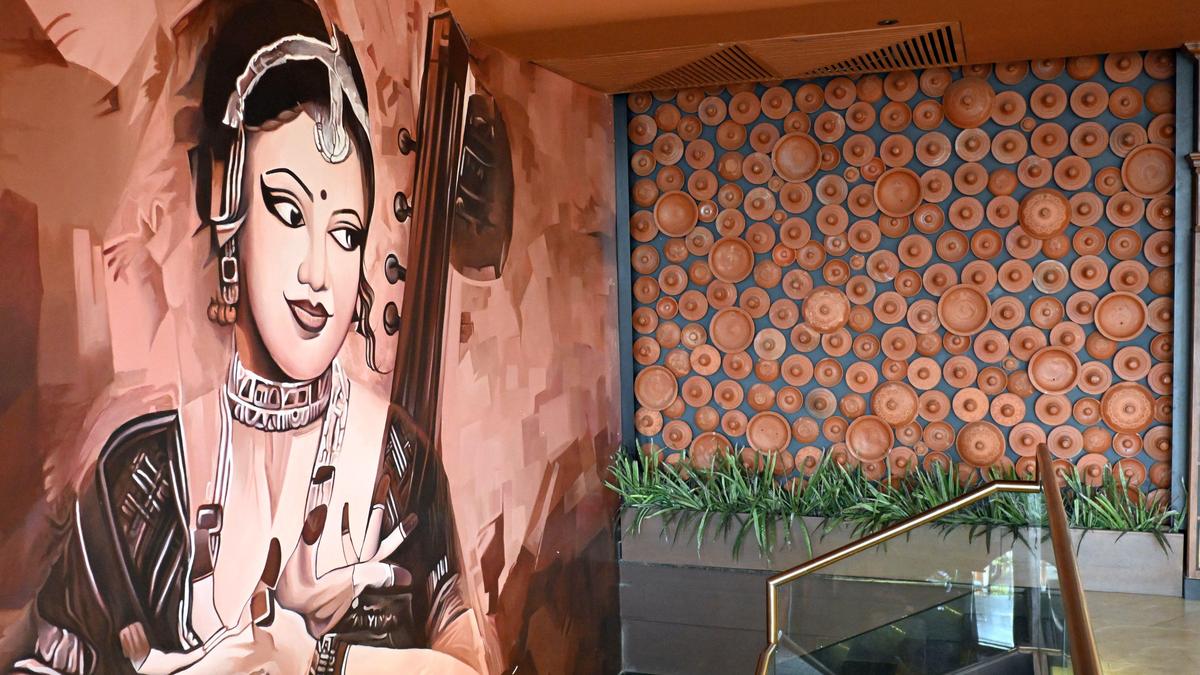
- Marudeeshwara: A restaurant that utilizes traditional materials like terracotta and bell-metal (kansa) to evoke a sense of heritage and royalty.
- Munchies: A cafe that blends French and Italian aesthetics, offering a tranquil, European-style retreat amidst the city’s urban sprawl.
- The Chocolate Room: A rooftop destination that reimagines traditional "moonlight dining" (Nilasoru) through modern design elements like swing seats and global memorabilia.
- Mugs & Beans: A compact, greenery-focused space that emphasizes the "slow food" movement through its rooftop views and botanical interiors.
These spaces represent a strategic move by local entrepreneurs to elevate Madurai’s status from a transit hub for pilgrims to a sophisticated culinary destination.
Chronology: The Evolution of Madurai’s Dining Landscape
The Era of the Traditional Mess (Pre-2000s)
Historically, Madurai’s food scene was dominated by "messes"—establishments focused on speed, volume, and flavor. These spaces were characterized by stainless steel tables, bright tube lights, and a "no-frills" approach. The design was purely functional, intended to facilitate quick turnovers for the city’s working-class population and travelers.
The Rise of Modern Franchises (2010–2020)
As the city expanded, national and international franchises began to appear. This era introduced standardized interiors, air conditioning, and a more polished "corporate" look. While this improved comfort, it often lacked the local soul and unique character that defined Madurai.
The Design-Led Revolution (2024–Present)
Following the global trend toward experiential retail, Madurai’s hospitality industry entered a new phase in late 2024 and early 2025. Local owners began collaborating with architects to create bespoke spaces. Marudeeshwara, for instance, opened in December 2025, signaling a new benchmark for "traditional-contemporary" fusion. This period is defined by a move toward outdoor dining, rooftop accessibility, and the use of artisan-made decor.
Supporting Data: A Deep Dive into Thematic Interiors
The transformation of these spaces is rooted in specific architectural and sensory choices that influence diner behavior and satisfaction.
1. Marudeeshwara: The Terracotta Narrative
Located on Kannanenthal Road, Marudeeshwara is a masterclass in using indigenous materials to create luxury.
- Materiality: The use of terracotta is not merely aesthetic. It serves as a thermal regulator and a symbolic nod to the "soil of the land."
- Sensory Details: Food is served in kansa (bell-metal) vessels. Scientifically, kansa is known for its alkaline properties, but in a dining context, its weight and golden hue provide a "royal" psychological experience for the guest.
- The Ghee Ritual: In a standout design feature, ghee is served on small stands with lit candles beneath them. This keeps the ghee in a liquid state while providing a warm, flickering light that enhances the table’s ambiance.
2. Munchies: The European Oasis in Sathyasai Nagar
Munchies represents the "Global Madurai." By stepping through a picket fence into a lush green garden, the diner is transported away from the city’s humidity.
- Architectural Cues: The use of French wooden doors and minimal indoor seating creates a "clean" aesthetic that encourages productivity—many patrons use the space for sketching or remote work.
- Authentic Baking: Unlike most cafes that use electric ovens, Munchies utilizes a brick furnace. This design choice is both a visual centerpiece and a culinary tool, imparting a smoky flavor to their bakes that matches the rustic European theme.
3. The Chocolate Room: Modernizing ‘Nilasoru’
The Chocolate Room near the Bypass addresses the loss of the traditional Nilasoru (eating under the moonlight) by providing a sophisticated rooftop alternative.
- Playful Ergonomics: The inclusion of swing-style seating replaces the rigid formality of traditional chairs, fostering a relaxed, playful environment.
- Global Curation: The owners have integrated objects collected from around the world, turning the cafe into a living gallery of international travel.
Official Responses: The Visionaries Behind the Change
The shift in Madurai’s dining scene is being steered by individuals who view hospitality through the lens of art and architecture.
R. Krishna, Co-founder of Marudeeshwara, emphasizes the spiritual connection to the land:
"The restaurant was designed with the traditions and culture of Madurai in mind. Terracotta reflects the soil from where we get our food; it is our way of offering our gratitude to the agricultural land."
G. Sriram, Architect and Co-founder, notes the importance of balance:
"The idea was to maintain a balance between the contemporary and the traditional. We wanted a space that felt rooted yet modern enough for today’s diners."
R. Preethi Ramkumar, Owner of Munchies, highlights the influence of global travel on local business:
"The idea for the cafe took shape during my visit to Paris. I wanted to recreate a similar ambience in Madurai, blending Italian and French aesthetics to create a quiet, calm setting that was previously missing here."
J. Latha, Co-owner of The Chocolate Room, discusses the importance of the ‘Unusual’:
"I wanted to create an unusual dining experience, and that is how the swing-style seating came about. We spent several months planning the interiors… it is satisfying to see it come together. It’s about offering something out of the ordinary."
Implications: The Future of the "Sleepless City"
The rise of themed and aesthetic dining in Madurai has several long-term implications for the city’s socio-economic fabric.
1. The "Instagram Economy" and Tourism
As these restaurants become "viral" locations on social media, Madurai is attracting a younger demographic of domestic tourists. Travelers who previously only visited the Meenakshi Amman Temple are now staying longer to explore the city’s "cafe culture," boosting local hotel stays and ancillary services.
2. Real Estate and Urban Planning
The success of rooftop and garden-themed cafes is influencing real estate trends. Property owners in areas like Sathyasai Nagar and the Bypass are increasingly valuing "view-friendly" and "outdoor-compatible" spaces. This is leading to a more green-focused approach to commercial architecture in the city.
3. Psychological Well-being and Social Habits
In an increasingly digital world, these physical spaces serve as vital "social anchors." By moving away from the "eat-and-leave" model of traditional messes, these cafes encourage "slow living." The presence of plants, warm lighting, and soft music in places like Mugs & Beans provides a mental health reprieve for urban dwellers.
4. Preservation of Craft
Interestingly, this modern trend is helping preserve traditional crafts. The demand for terracotta work, bell-metal vessels, and custom woodwork for these cafes provides a consistent revenue stream for local artisans, ensuring that traditional skills remain relevant in a 21st-century economy.
Conclusion
Madurai’s food scene is no longer just a story of taste; it is a story of atmosphere. As the city continues to modernize, the success of Marudeeshwara, Munchies, and The Chocolate Room suggests that the future of dining lies in the seamless fusion of local heritage and global design. For the "City of Temples," the new "temples" of gastronomy are those that offer a feast for all five senses.
