

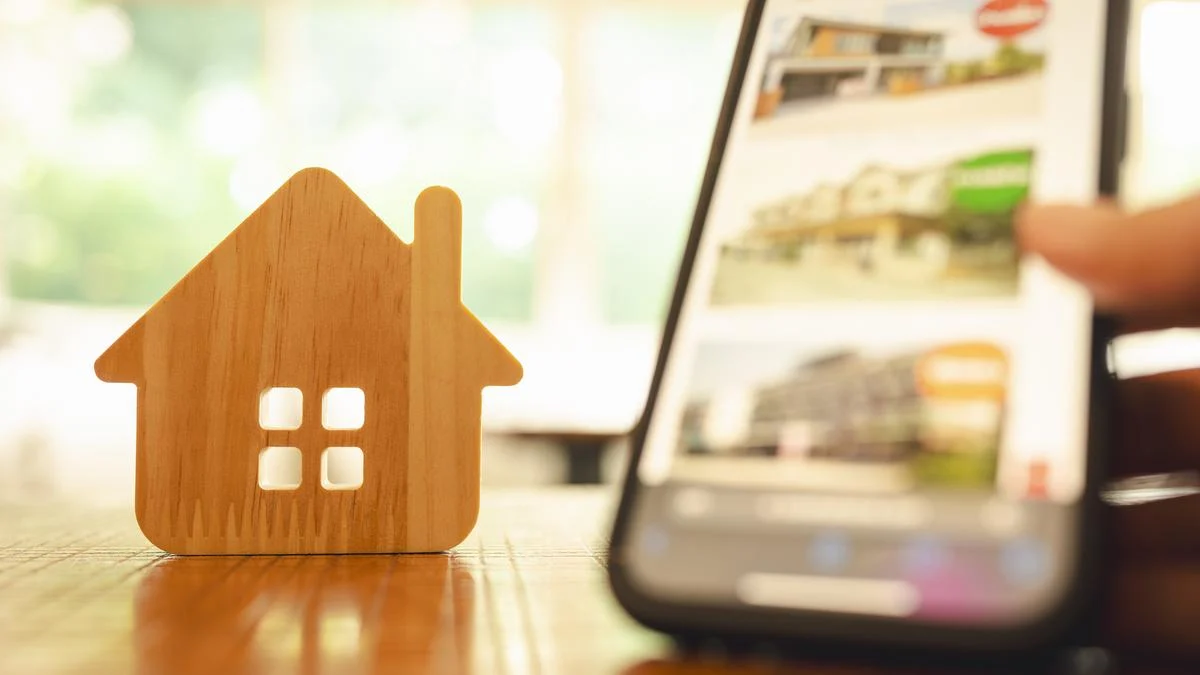
For decades, the decision to undertake a home renovation was primarily driven by tangible necessity. A growing family demanded more space, aging furniture signaled the need for replacement, a leaky kitchen whispered of urgent repairs, or a fundamental functional flaw compelled action. These were the pragmatic catalysts that spurred homeowners to invest time and resources into their living spaces. However, a seismic shift is underway, with a new, potent driver emerging: the relentless power of comparison, amplified by the ubiquitous presence of social media.
This digital phenomenon, often dubbed the "Instagram/Pinterest Home" effect, is not merely a fleeting trend; it is fundamentally altering the renovation cycle in India. Homeowners are no longer solely reacting to the wear and tear of their surroundings. Instead, they are increasingly inspired by curated digital realities, leading to a more aspirational and dynamic approach to home design.
The Rise of the Aspirational Homeowner: Data and Observations
At the forefront of this transformation is NoBroker Home Interiors, a company that has witnessed this paradigm shift firsthand. Their interiors centres are now routinely visited by homeowners armed not with blueprints or repair lists, but with saved Instagram posts, meticulously curated Pinterest boards, and screenshots of aspirational designs.
"Around 35% of customers share social media references or inspirations when discussing their interiors," reveals the company. This statistic underscores a significant departure from previous renovation motivations. The driving force is frequently not a pressing need for repair, but a desire for aesthetic enhancement – a feeling that, "my home could look better." The home makeover is evolving from a practical undertaking to an aspirational pursuit.
This sentiment resonates particularly strongly with India’s younger homeowners, especially modern couples. For this demographic, the concept of "good enough" is rapidly losing its hold. A house can be perfectly functional and still feel ripe for a stylistic overhaul. The trigger is often not physical deterioration, but a palpable sense of "weariness" with the existing aesthetics.
This evolving homeowner mindset is fostering a more dynamic and vibrant interiors market. Individuals are now refreshing their living spaces at shorter intervals, demonstrating a greater willingness to experiment with design and allocate more significant budgets towards the look and feel of their homes. This translates into increased demand for statement pieces like elaborate TV units, sophisticated wall panelling, luxurious walk-in wardrobes, and the increasingly popular island kitchens.
The financial implications of this shift are also noteworthy. Customers are demonstrating a readiness to spend 20%-30% more for interiors that exude a premium feel, are highly personalized, and distinctly reflect their individual tastes. An island kitchen, for instance, is no longer merely a functional addition for extra counter space; it is envisioned as a central hub for social interaction. Similarly, a walk-in wardrobe transcends its storage function to become an integral part of the daily dressing experience, a symbol of lifestyle enhancement.
The Post-Pandemic Catalysis: Homes as Multifaceted Spaces
While the influence of social media is undeniable, the COVID-19 pandemic served as a powerful catalyst, fundamentally altering the relationship Indians have with their homes. For an extended period, houses seamlessly morphed into offices, classrooms, personal gyms, and entertainment venues. This unprecedented immersion brought into sharp focus the inadequacies of many existing living spaces. Poor lighting, insufficient storage, uncomfortable furniture, and layouts that were not conducive to this multifaceted lifestyle became glaringly apparent.
It was in this context that social media provided the language and the visual lexicon to articulate these newfound desires and aspirations. For years, the interior design sector in India remained largely fragmented and offline, dominated by local contractors, carpenters, and traditional word-of-mouth referrals. However, the digitally empowered consumer is now bypassing this traditional model.
Today, a homeowner can discover a cutting-edge design originating from Seoul, save an appealing kitchen concept from a Mumbai-based influencer, meticulously compare material finishes online, and then confidently walk into an interiors centre with a sophisticated understanding of terms like fluted glass, PU finishes, and veneer. This marks a significant leap in consumer knowledge and engagement.
Resetting Expectations: The Demand for Visualisation
The proliferation of digital commerce has also profoundly reset consumer expectations within the interiors market. In an era where consumers can virtually "try on" clothes, preview furniture placements in their own rooms using augmented reality, or customize products before making a purchase, the traditional approach to interior design – requiring clients to imagine the final outcome – feels increasingly outdated.
There is a growing demand for tangible visualization. Customers want to see a detailed rendering of their kitchen before it is built, understand precisely how a wardrobe will optimize available space, and witness firsthand how different materials can dramatically alter the ambiance and character of a room. Consequently, the industry is shifting its focus from merely selling a design concept to actively selling confidence in the tangible, final result. This involves leveraging advanced visualization tools and offering more immersive customer experiences.
Inspiration Inflation: The Double-Edged Sword of Digital Feeds
While the social media effect has undoubtedly elevated design aspirations, it has also introduced a phenomenon known as "inspiration inflation." The constant barrage of impeccably designed homes presented on platforms like Instagram and Pinterest has, in effect, raised the visual benchmark. What might have been considered aspirational just five years ago can now appear merely adequate, or even dated, in comparison to the ever-evolving digital aesthetic.
This does not necessarily imply that homeowners are undertaking full-scale renovations more frequently. Rather, it signifies a heightened awareness of design possibilities and a more discerning, demanding approach to what they ultimately choose to build. Homeowners are arriving with pre-conceived mood boards, often featuring a disparate collection of inspirations for different areas of their homes – a Mediterranean kitchen, a minimalist living room, and a maximalist bedroom.
The Crucial Role of the Interior Expert in a Hybrid World
The challenge then becomes integrating these individual inspirations into a cohesive and harmonious whole. Each element, viewed in isolation, might be aesthetically pleasing. However, bringing them together requires a nuanced understanding of colour palettes, material compatibility, spatial proportions, effective lighting design, and the overarching character of the home.
This is where the value of a skilled interior design expert becomes paramount. Their role transcends simply executing a client’s requests. It lies in the art and science of translating diverse digital inspirations into a tangible living space that feels cohesive, practical, and uniquely personal. The "Pinterest effect" is merely the prologue to a broader transformation. Social media has not necessarily manufactured a need for renovation from scratch; instead, it has redefined what constitutes a compelling reason to renovate.
A simple sense of boredom with an existing space can now suffice. A significant lifestyle change can be a powerful motivator. Moving into a new home, even one that is perfectly functional, can spark a desire for personalization. Or, most potently, encountering a home online that evokes a profound emotional response – a feeling that makes someone exclaim, "I want my house to feel like that."
The next phase of India’s home interiors market will likely be driven not solely by the sheer number of homes in need of practical renovation, but by the burgeoning number of homeowners who have been captivated by visions of ideal living spaces and are now driven by the aspiration to recreate those dreams within their own homes. This era demands a blend of digital fluency, practical expertise, and a deep understanding of human aspiration to navigate the evolving landscape of home design.
