

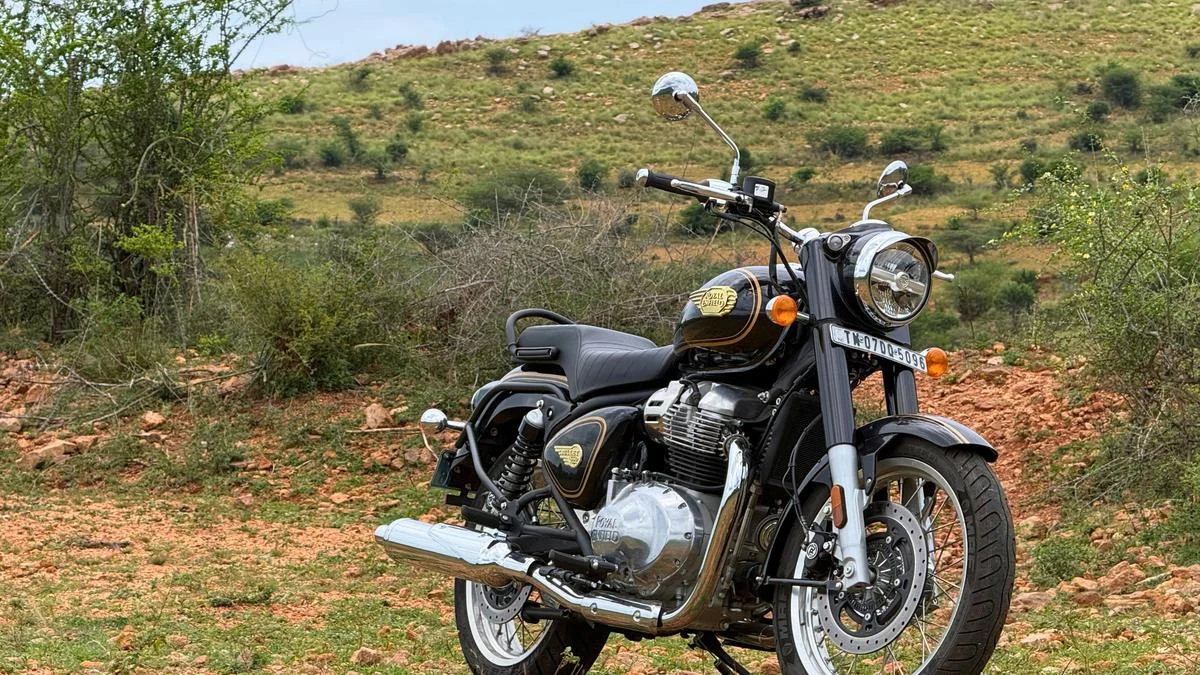
The Royal Enfield Bullet is not merely a motorcycle; it is a cultural phenomenon that has spanned decades, surviving shifts in technology, ownership, and global market trends. With the official introduction of the Bullet 650, priced at ₹3.64 lakh (ex-showroom), the brand has finally married its most storied nameplate with its most acclaimed modern engineering feat: the 648cc parallel-twin platform. This move represents a pivotal moment for the Chennai-based manufacturer, as it seeks to satisfy the demands of purists while catering to a new generation of riders who refuse to compromise on performance and refinement.
Main Facts: The Intersection of Heritage and Modernity
The Bullet 650 arrives as the fifth installment in Royal Enfield’s highly successful 650cc twin-cylinder lineup, following the Interceptor, Continental GT, Super Meteor, and the Shotgun. However, unlike its siblings, the Bullet 650 carries the heavy burden of legacy. It is designed to be the ultimate expression of the "Bullet" identity—a machine that prioritizes presence, comfort, and an effortless "thump" (or in this case, a sophisticated roar) over outright speed or aggressive cornering.
Key Specifications at a Glance:
- Engine: 648cc, air-oil cooled, parallel-twin, SOHC.
- Output: 47 PS @ 7,250 rpm and 52.3 Nm @ 5,650 rpm.
- Transmission: 6-speed constant mesh with a slipper clutch.
- Chassis: Steel tubular spine frame.
- Weight: 243 kg (kerb).
- Price: ₹3.64 Lakh (Ex-showroom).
The motorcycle retains the iconic silhouette that has defined the brand since 1932. From the teardrop-shaped fuel tank adorned with hand-painted gold pinstripes to the signature "tiger eye" pilot lamps, the Bullet 650 is a visual masterclass in retro-evolution. It is a motorcycle that feels authentic because it does not try to "look" old; it simply carries the DNA of its ancestors into a higher displacement category.

Chronology: The Journey to the Twin-Cylinder Bullet
The path to the Bullet 650 has been a calculated, multi-year journey. To understand its significance, one must look at the timeline of Royal Enfield’s modern era:
- The 2018 Disruption: Royal Enfield launched the Interceptor 650 and Continental GT 650, introducing the world to its smooth, 270-degree crank parallel-twin engine. This marked the brand’s transition from a regional manufacturer of characterful but unrefined singles to a serious global player.
- The Platform Expansion (2022–2024): After establishing the engine’s reliability, the company expanded the platform to include the Super Meteor 650 (a dedicated cruiser) and the Shotgun 650 (a bobber-style factory custom).
- The "J-Series" Influence: While the 650 twins were conquering the mid-capacity segment, the 350cc Bullet underwent its own transformation with the J-platform engine, proving that the Bullet’s aesthetic could be successfully modernized without losing its soul.
- The 2024 Integration: With the 650cc engine proven and the design language of the modern Bullet perfected, the "Bullet 650" became inevitable. It serves as the bridge between the accessible 350cc heritage and the premium 650cc performance tier.
Supporting Data: Engineering and Performance Analysis
The Heart of the Machine
The 648cc parallel-twin is widely regarded as one of the most balanced engines in its class. In the Bullet 650, this motor provides a level of capability that was previously unimaginable for the nameplate. The 47 PS of power allows the bike to reach triple-digit speeds with ease, while the 52.3 Nm of torque ensures that the "low-end grunt" associated with the Bullet remains intact.
During real-world testing, the engine exhibits two distinct personalities. Below 50 kmph, it provides a mechanical, tactile feel that honors the bike’s heritage. However, as the speedometer climbs, the counter-balanced crank works its magic, eliminating the bone-jarring vibrations that characterized Bullets of the past. At highway speeds of 100-120 kmph, the motorcycle remains remarkably composed, making it a viable long-distance touring machine.
Chassis and Dynamics
The Bullet 650 utilizes a steel tubular spine frame, supported by 43mm telescopic front forks (120mm travel) and twin rear shock absorbers (90mm travel). While these figures are standard for the segment, the tuning is biased toward "plushness."

The sheer mass of the motorcycle—243 kg—contributes to a sense of "planted-ness" on the road. The 1,480mm wheelbase ensures stability during high-speed cruising, though it does sacrifice some agility in tight urban traffic. The braking department is handled by a 320mm front disc and a 300mm rear disc, supported by a dual-channel ABS system that provides progressive and predictable stopping power.
Fuel Efficiency and Practicality
In a country where "Kitna deti hai?" (What is the mileage?) remains a standard query, the Bullet 650 offers a mixed bag. While Royal Enfield claims efficiency figures north of 25 kmpl under ideal conditions, spirited riding and heavy city traffic can see those numbers dip to approximately 18-20 kmpl. With a substantial fuel tank and a relaxed engine state at cruising speeds, the range is adequate for highway touring, though frequent stops may be necessary during aggressive mountain climbs.
Official Context: Bullet 650 vs. Classic 650
A point of confusion for many enthusiasts is the simultaneous existence of the Bullet 650 and the Classic 650. Mechanically, the two motorcycles are siblings, sharing the same frame, engine, and cycle parts. However, Royal Enfield’s marketing and design teams have drawn clear distinctions:
- The Aesthetic Philosophy: The Classic 650 is more ornate, featuring more extensive chrome work and a different fender treatment. The Bullet 650, conversely, adheres to a more utilitarian, "pure" heritage look.
- The Mudguard and Seat: The Bullet retains the iconic squared-off rear mudguard and a single-piece "bench-style" seat, whereas the Classic often features a split-seat setup and more rounded bodywork.
- Target Audience: The Classic is for the rider who wants a "premium retro" showstopper. The Bullet is for the purist who views the motorcycle as a legacy piece—a "heavyweight" in the traditional sense.
Implications: What the Bullet 650 Means for the Industry
The launch of the Bullet 650 carries several significant implications for the Indian and global motorcycling landscapes.

1. The End of the "Compromise" Era
For decades, buying a Bullet meant accepting certain flaws: oil leaks, heavy vibrations, and temperamental electronics. The Bullet 650 effectively kills this narrative. It offers the "Bullet experience" with the reliability of a modern Japanese or European twin. This shifts the brand’s perception from a niche "lifestyle" choice to a legitimate performance contender.
2. Dominance of the Mid-Capacity Segment
Royal Enfield already commands a massive share of the 350cc-750cc segment. By adding the Bullet nameplate to the 650cc range, they are effectively "closing the loop." It becomes very difficult for competitors like Triumph (with the Speed 400) or BSA (with the Gold Star 650) to compete with the sheer emotional weight and brand loyalty the Bullet name carries.
3. The Democratization of Twin-Cylinder Touring
At ₹3.64 lakh, the Bullet 650 remains one of the most affordable twin-cylinder motorcycles in the world. It provides a gateway for riders to move away from high-strung single-cylinder engines toward the relaxed, effortless power delivery of a twin, without needing to spend upwards of ₹6-8 lakh for an entry-level European import.
4. The Purist’s Dilemma
The most significant implication is the change in the "soul" of the bike. The loss of the traditional heavy-flywheel "thump" of the old 350cc and 500cc singles is a point of contention. While the 650cc twin sounds "mature" and "purposeful," it lacks the rhythmic, slow-speed heartbeat that some purists demand. Royal Enfield is betting that the gains in refinement and speed will far outweigh the nostalgia for a vibrating engine.

Verdict: The Natural Evolution of a Legend
The Royal Enfield Bullet 650 is a triumph of restraint. It would have been easy for the company to over-modernize the bike, adding LED screens or aggressive bodywork. Instead, they have focused on the "sensory" experience—the feel of the metal, the glint of the chrome, and the stability of the ride.
While the 800mm seat height and 243kg weight may be intimidating for shorter or less experienced riders, the motorcycle’s balanced geometry makes that weight disappear once the wheels are in motion. It is a machine that encourages the rider to take the long way home, to explore the highways, and to appreciate the journey rather than the destination.
In the final analysis, the Bullet 650 is more than just a new model; it is a safeguard for the future of the brand’s most important legacy. It proves that a legend does not have to stay stuck in the past to remain relevant. For those who value authenticity but demand modern standards of engineering, the Bullet 650 is, quite simply, the definitive Royal Enfield.
