

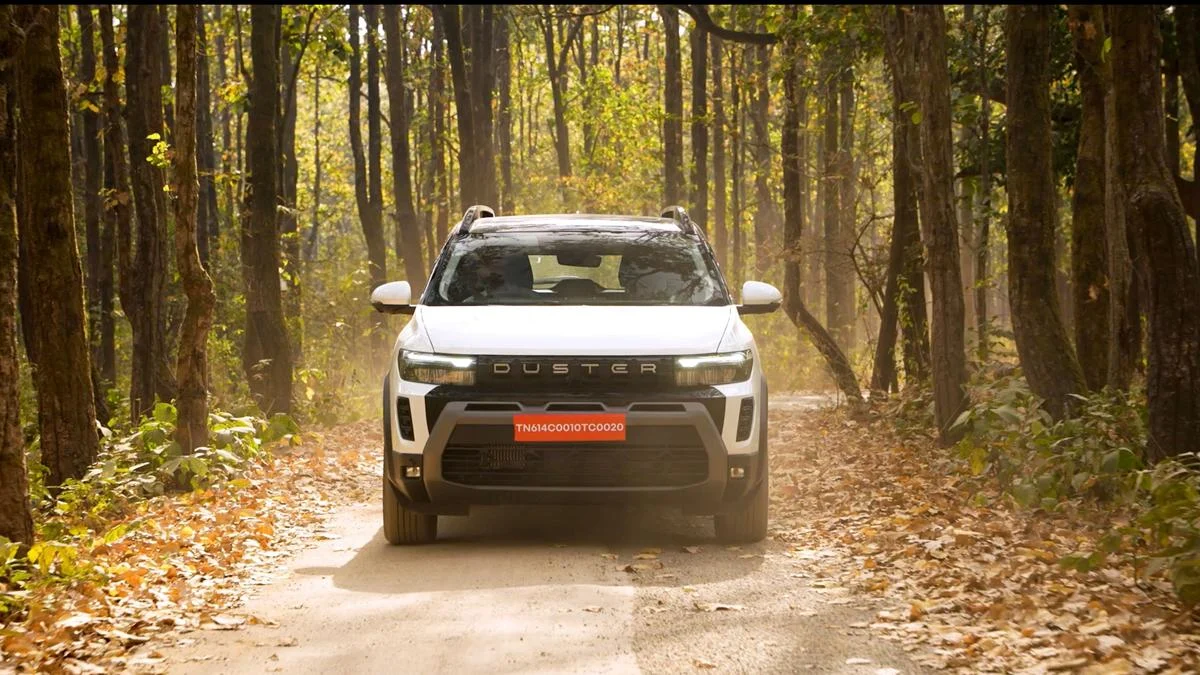
The Indian automotive landscape is one of the most volatile and competitive in the world, yet few nameplates evoke as much nostalgia and respect as the Renault Duster. When it first debuted over a decade ago, it didn’t just enter a segment; it effectively created one. It introduced Indian buyers to the concept of a monocoque SUV that possessed the ruggedness of a body-on-frame off-roader but the road manners of a sedan. After a significant hiatus, the Duster is making a high-stakes comeback. This is not merely a product launch; it is a strategic attempt by Renault to reclaim its identity in a market now dominated by feature-rich Korean rivals and tech-heavy mid-size SUVs.
Main Facts: The Duster’s New Value Proposition
The new Renault Duster arrives with a clear mandate: to blend its legendary "go-anywhere" DNA with the sophistication required by the modern, tech-savvy consumer. Positioned in the hyper-competitive C-SUV segment, the Duster is priced between INR 10.29 lakh and 18.49 lakh, placing it directly in the crosshairs of the Hyundai Creta, Kia Seltos, Maruti Suzuki Grand Vitara, and the Volkswagen Taigun.
The standout feature of the new generation is the shift in powertrain philosophy. Moving away from the once-iconic K9K diesel engine, the new Duster embraces turbo-petrol technology and future-ready hybridization. The flagship 1.3-litre turbo-petrol engine, producing a class-leading 163hp and 280Nm of torque, serves as the performance benchmark for the range. Furthermore, the introduction of a 1.0-litre turbo-petrol variant ensures a more accessible entry point for budget-conscious buyers, while a high-tech 1.8-litre strong hybrid is slated for a Diwali release.
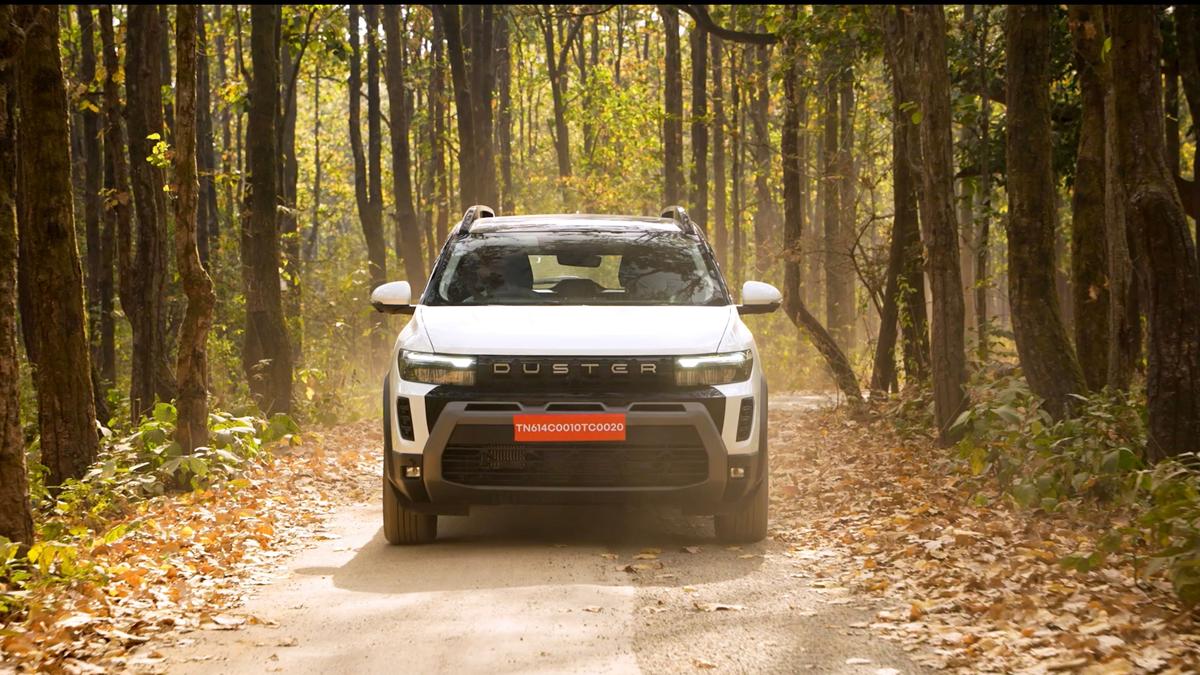
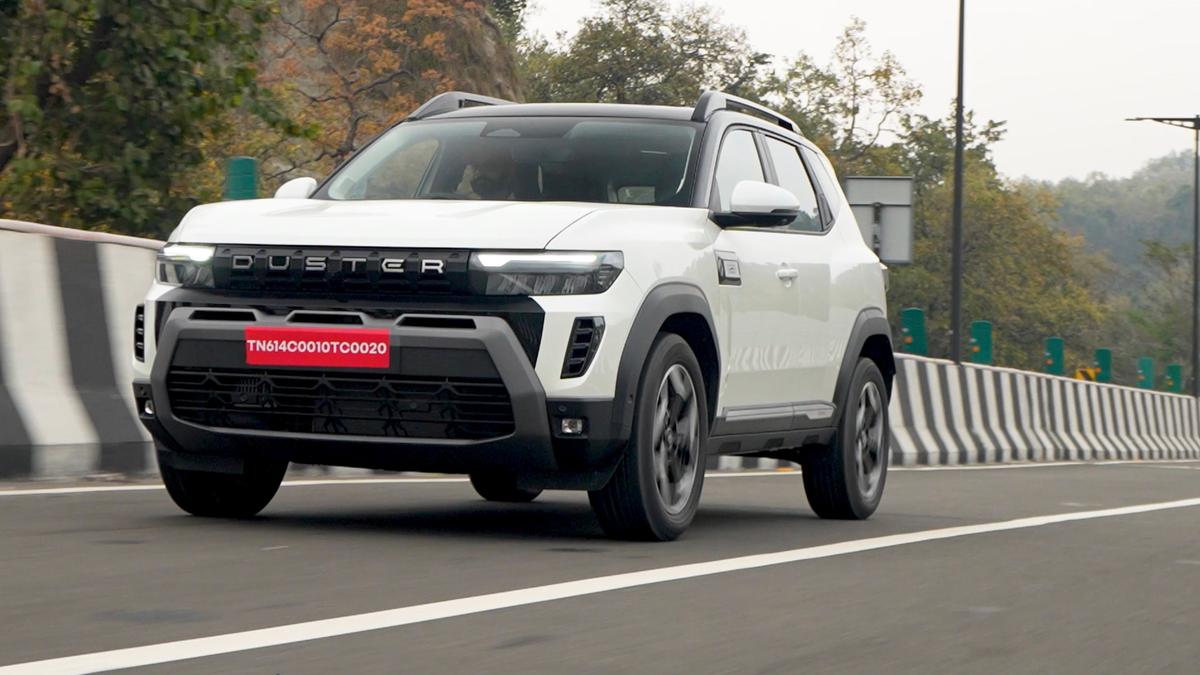
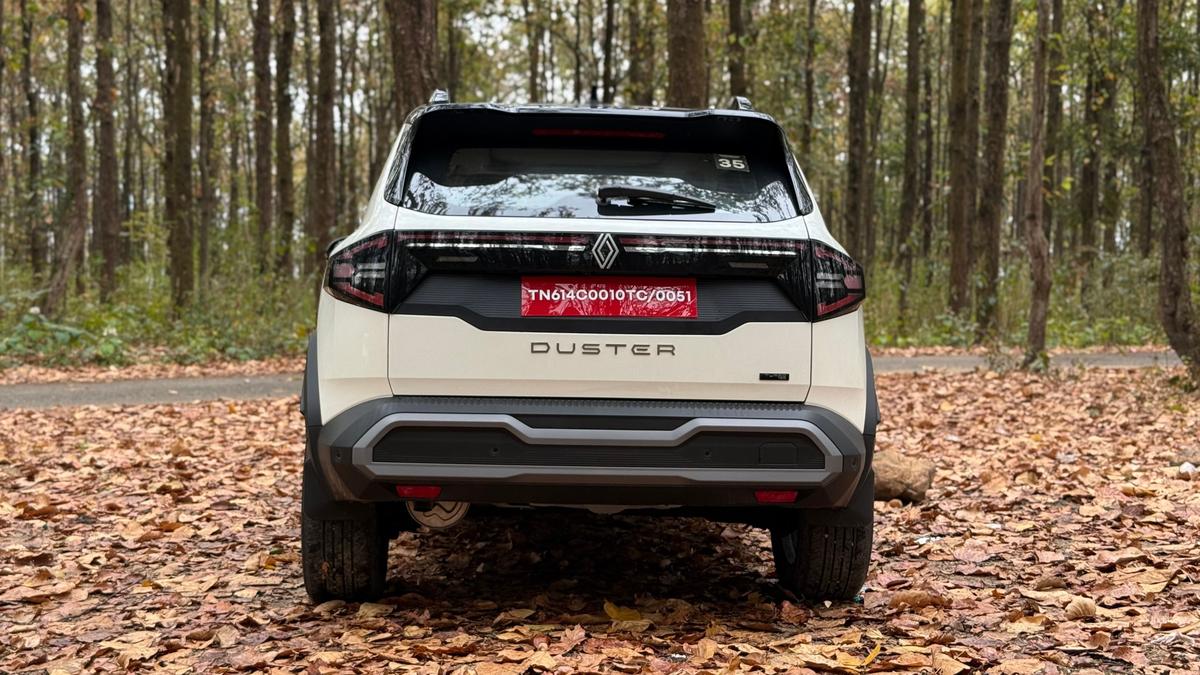
Visually, the vehicle has undergone a radical transformation. Built on the versatile CMF-B platform, the new Duster is sharper, more muscular, and significantly more premium. It retains the signature flared wheel arches and high ground clearance but adds contemporary touches like Y-shaped LED signatures, 18-inch diamond-cut alloys, and a more aerodynamic silhouette.
Chronology: From Trailblazer to Hiatus and the Road to Rebirth
To understand the significance of this launch, one must look at the Duster’s timeline in India:
- 2012 – The Arrival: Renault launches the first-generation Duster. It becomes an overnight sensation, praised for its "magic carpet" ride quality and the robust 1.5 dCi diesel engine. It becomes the benchmark for ride and handling in the Indian market.
- 2014-2016 – The Peak: Renault introduces the AWD (All-Wheel Drive) variant, cementing the Duster’s reputation as a serious enthusiast’s car. However, this period also sees the arrival of the Hyundai Creta, which shifts consumer focus toward interior features and "bling."
- 2019-2021 – The Decline: While the Duster receives minor facelifts and a powerful 1.3L turbo-petrol engine, the aging platform and lack of modern cabin tech lead to dwindling sales. Renault eventually pulls the plug on the first-gen model as global markets move toward a completely new iteration.
- 2023-2024 – The Reinvention: Renault-Nissan announces a massive multi-billion dollar investment for India, focusing on the CMF-B platform. The new Duster is developed with a heavy focus on localization to ensure competitive pricing.
- Present Day – The Launch: The new Duster returns, skipping a generation in India to bring the latest global design language and hybrid technology to the domestic market.
Supporting Data: Technical Specifications and Performance Metrics
The new Duster is a departure from its predecessor in terms of engineering depth. Below is a detailed breakdown of the technical specifications that define the 1.3 Turbo ICONIC variant and its siblings.
Powertrain and Dynamics
The 1.3-litre four-cylinder turbo-petrol engine is the heart of the enthusiast-spec Duster. Developed in collaboration with Daimler, this engine features high-pressure direct injection and a cylinder coating technology derived from the Nissan GT-R.
- Maximum Power: 163hp @ 5,500 rpm
- Maximum Torque: 280Nm @ 1,600–4,000 rpm
- Transmission Options: 6-speed Manual or a 7-speed Dual-Clutch Transmission (DCT).
- Fuel Efficiency: Claimed 18.2 kmpl; Real-world testing (mixed conditions) yields approximately 13.4 kmpl.
Dimensions and Capacity
- Length: 4,343 mm
- Ground Clearance: 209 mm (best-in-class for unladen clearance).
- Boot Space: 518 Litres (significantly higher than the segment average of 400-450 litres).
- Wheelbase: 2,657 mm, providing a stable footprint for high-speed cruising.
Interior and Technology
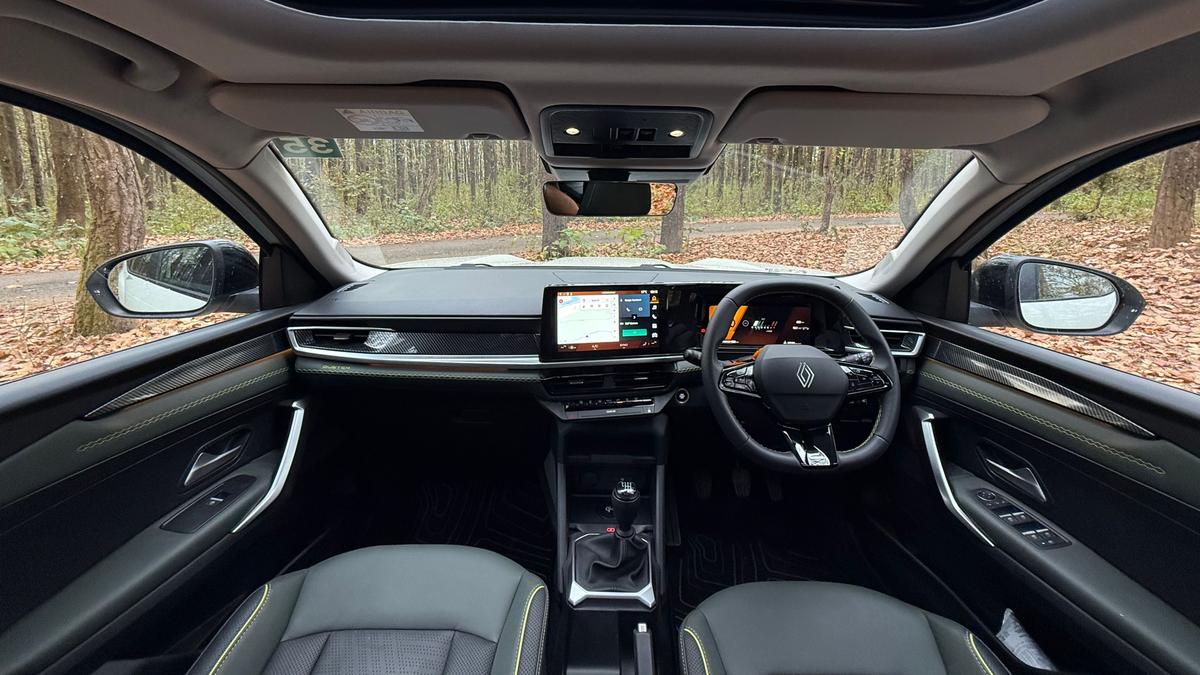
Renault has addressed the previous model’s biggest weakness: the cabin. The ICONIC trim features:
- Infotainment: 10.1-inch floating touchscreen with wireless Apple CarPlay and Android Auto.
- Instrumentation: 10.25-inch fully digital driver’s display with customizable layouts.
- Comfort: Dual-zone automatic climate control, ventilated front seats, and a panoramic sunroof—a first for the Duster nameplate.
- Safety: 6 Airbags (standard across variants), Electronic Stability Control (ESC), Hill Start Assist, and a 360-degree camera system.
Official Responses: Strategy and the AWD Omission
Renault India’s leadership has been vocal about the "India 2.0" strategy. In recent briefings, company spokespersons emphasized that the Duster is not just a car, but the "anchor" of their brand revival.
"The Duster is a brand that enjoys immense trust in India. With the new model, we are focusing on ‘Rugged Sophistication.’ We have listened to our customers who wanted better interiors and more technology, but we have refused to compromise on the ride quality that made the original Duster a legend," a senior Renault product strategist noted.
However, the elephant in the room remains the absence of an All-Wheel Drive (AWD) system at launch. Historically, the Duster AWD was the only monocoque SUV in its price bracket to offer genuine off-road capability.
Official Response on AWD: Renault officials have clarified that while the CMF-B platform is fully AWD-compatible, the initial launch focuses on the 4×2 configurations which constitute over 95% of the segment’s sales. "We are monitoring enthusiast demand closely. If there is a viable business case for the AWD variant, the platform allows us to introduce it with minimal lead time," the company stated. This suggests that the AWD could return as a "Storm" or "Extreme" special edition in the future.
Implications: Can the Duster Reclaim Its Throne?
The re-entry of the Duster has profound implications for the Indian SUV market and Renault’s future in the region.
1. Market Disruption
For years, the C-SUV segment has been a "feature war." Hyundai and Kia have dominated by offering cooled seats, ambient lighting, and massive screens. Renault is pivoting the conversation back to mechanical integrity. The Duster’s superior suspension tuning—capable of flattening "broken roads" while maintaining high-speed stability—offers a USP that the more urban-focused Korean SUVs struggle to match.
2. The Shift to Hybrids
By announcing a 1.8-litre strong hybrid for late 2024, Renault is positioning itself against the Maruti Suzuki Grand Vitara and Toyota Hyryder. This move is critical as diesel engines face increasing regulatory scrutiny (BS6 Phase II and beyond). If Renault can price the hybrid competitively, it could attract a large section of high-mileage users who previously swore by the Duster Diesel.
3. Brand Equity and Resale
The Duster nameplate carries significant weight. Unlike new entrants (such as Citroen or even MG in its early days), Renault has a widespread service network and a proven track record. This familiarity reduces the "entry barrier" for skeptical buyers.
4. Competitive Pressure
The Duster’s arrival will likely force competitors to re-evaluate their "rugged" credentials. We may see more "off-road styled" editions from rivals, but matching the Duster’s inherent chassis balance and 209mm ground clearance is a taller order.
Conclusion: A Measured Triumph
The new Renault Duster is a masterclass in evolution. It has successfully shed its "utilitarian-only" image without becoming a delicate, city-only crossover. While the lack of an immediate AWD option may disappoint a vocal minority of enthusiasts, the combination of the potent 1.3L turbo engine, a vastly improved interior, and class-leading boot space makes it a formidable contender.
Renault has not merely brought back a car; they have brought back a philosophy—that an SUV should be tough enough for the Himalayas but refined enough for the highway. In a market saturated with "soft-roaders," the Duster’s return is a timely reminder of what a real SUV should feel like. As it gears up for the hybrid revolution later this year, the Duster seems well-positioned to not just participate in the fight, but to lead it.
Technical Analysis provided by Motorscribes, in association with The Hindu. For more automotive insights, follow @motorscribes on Instagram.
