

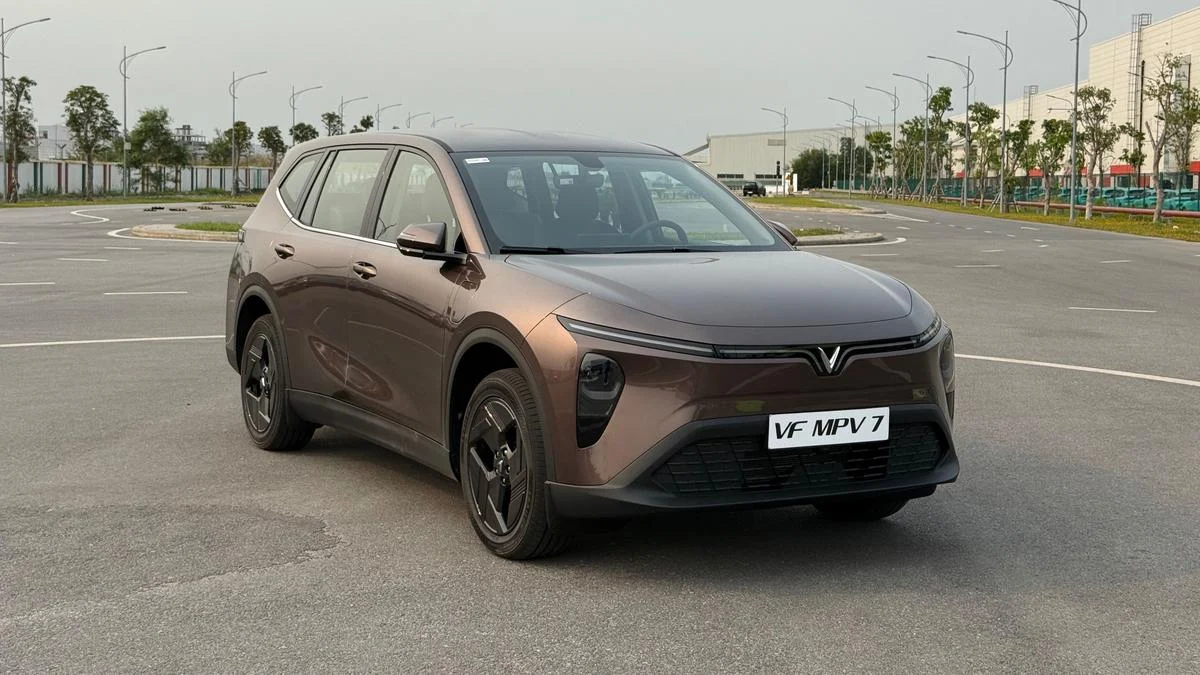
The Indian automotive landscape is currently navigating a complex transition. While the initial wave of electric vehicle (EV) adoption was driven by early adopters and tech enthusiasts, the second wave requires something more grounded: practicality, affordability, and family-centric utility. It is within this context that VinFast, the Vietnamese automotive disruptor, is preparing to introduce the VF MPV 7.
Scheduled for a commercial launch on April 15, 2026, the VF MPV 7 represents a calculated step forward rather than a radical experiment. By focusing on the "Multi-Purpose Vehicle" (MPV) silhouette—a segment historically beloved by Indian families for its versatility—VinFast is positioning itself to capture the heart of the mass market.
Main Facts: A Purpose-Built Electric People Mover
The VinFast VF MPV 7 is not merely a converted internal combustion engine (ICE) vehicle; it is an all-electric platform designed to maximize interior volume and efficiency. Built upon the architecture of the VF7 SUV, the MPV variant stretches the boundaries of its platform to accommodate the rigors of family life.
Key Technical Specifications at a Glance:
- Dimensions: 4,740 mm (Length) | 2,840 mm (Wheelbase).
- Powertrain: 60.13 kWh battery pack.
- Performance: 0–100 km/h in under 10 seconds.
- Charging: 10% to 70% in approximately 30 minutes (Fast Charging).
- Expected Price: INR 14–16 Lakh.
- Launch Date: April 15, 2026.
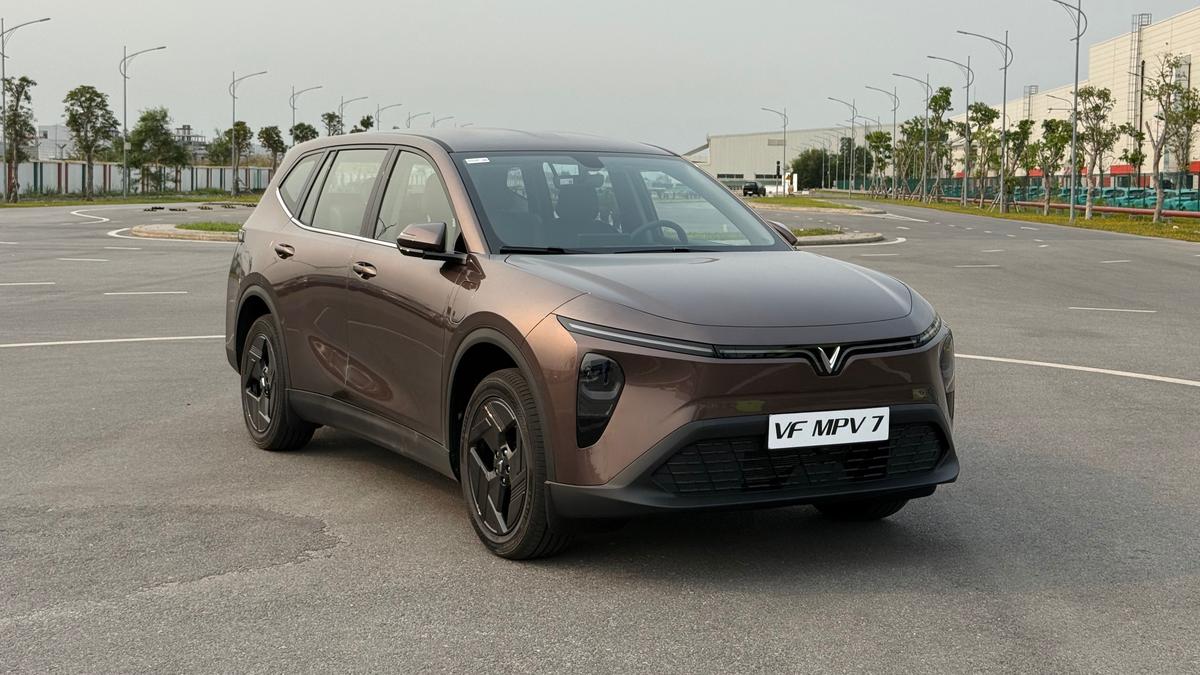
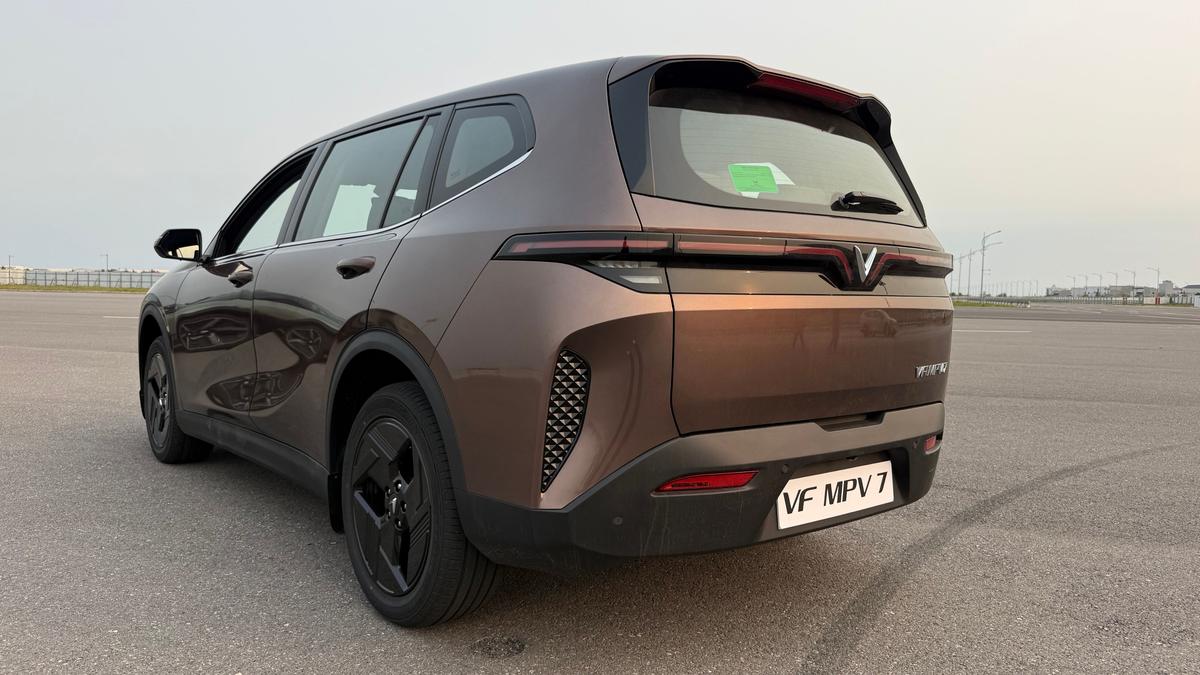
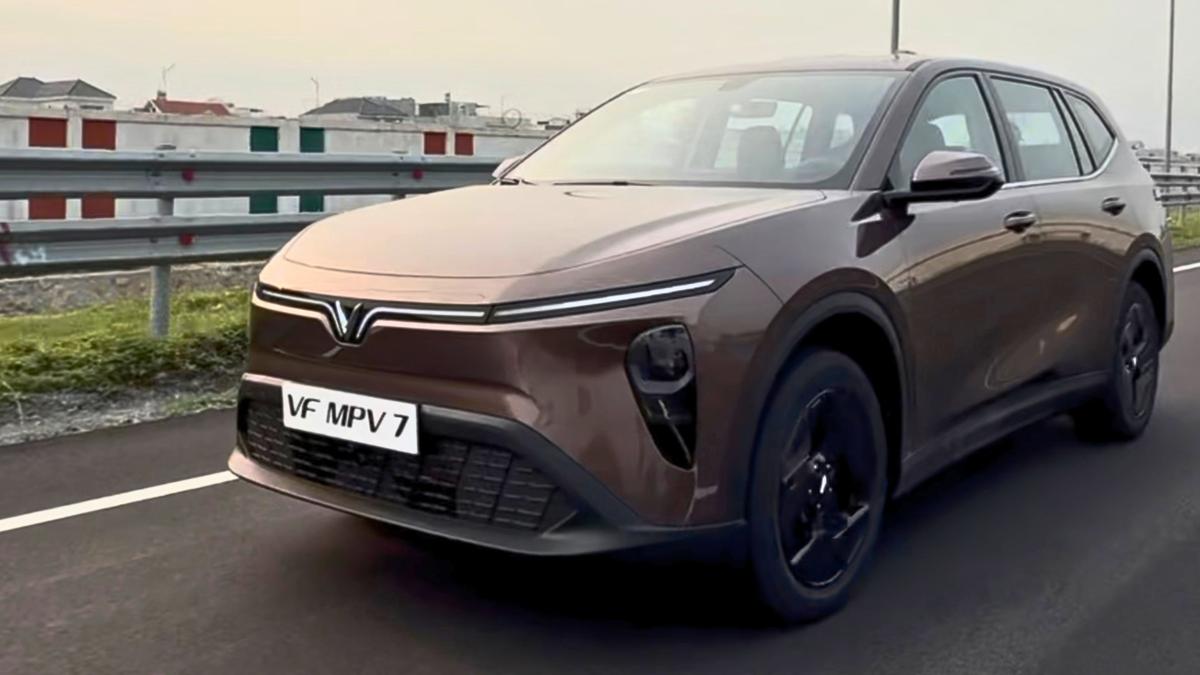
The vehicle’s physical presence is defined by a sense of scale that belies its platform origins. With a wheelbase of 2,840 mm, it rivals many D-segment SUVs in terms of cabin length, translating directly into a "sofa-like" seating experience for passengers. The design philosophy eschews flamboyant aesthetics in favor of clean, functional lines and 19-inch wheels that prioritize stability and utility.
Chronology: VinFast’s Strategic Roadmap in India
To understand the significance of the VF MPV 7, one must look at the timeline of VinFast’s entry into the Indian subcontinent. The Vietnamese manufacturer has moved with uncharacteristic speed, signaling its intent to make India a primary hub for its global expansion.
- The Entry Phase (2023–2024): VinFast announced its multi-billion dollar investment in India, including the establishment of a manufacturing facility in Tamil Nadu. This period focused on brand building and showcasing the VF6 and VF7 SUVs as flagship offerings.
- The Diversification Phase (Late 2024–2025): Recognizing the unique demands of the Indian consumer—who often travels with extended family—the company greenlit the MPV project. The VF MPV 7 was developed to bridge the gap between high-end electric SUVs and budget-oriented electric hatchbacks.
- The Testing Phase (Present): Prototypes have undergone rigorous testing at VinFast’s state-of-the-art facilities in Vietnam. These tests focused on linear power delivery and suspension tuning, specifically with an eye toward the varied road conditions found in India.
- The Launch Countdown (April 2026): The VF MPV 7 will debut as the third major model in the Indian portfolio, following the VF6 and VF7. This launch is timed to coincide with a more mature charging infrastructure in major Indian metros.
Supporting Data: Engineering for the "Real World"
The VF MPV 7’s appeal lies in its refusal to "reinvent the wheel," focusing instead on optimizing the electric driving experience for daily commutes and long-distance family travel.
Interior Ergonomics and Technology
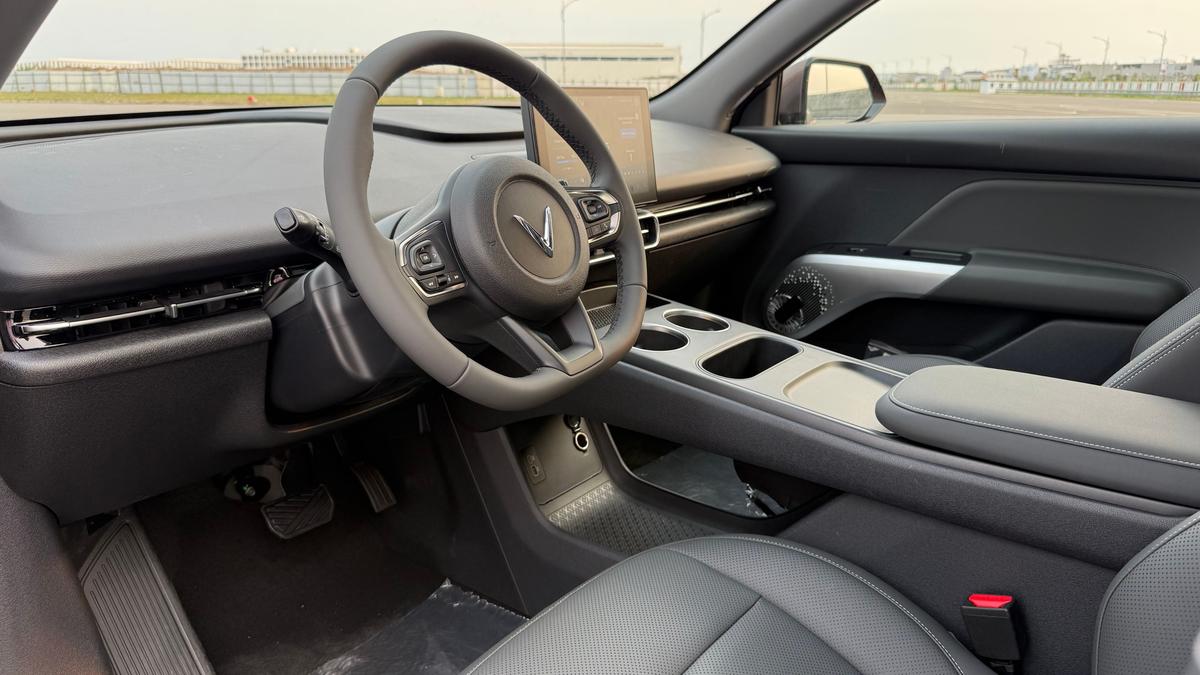
The cabin is a study in restrained modernism. The centerpiece is a 10.1-inch infotainment screen that serves as the command center for the vehicle. Unlike many modern EVs that hide essential functions behind layers of digital menus, the VF MPV 7 maintains an intuitive layout.
- Seating: The upholstery is premium leatherette, and the seats are noted for being "generously sized" and "well-cushioned." This is a critical metric for the Indian market, where cars are frequently used for multi-hour intercity journeys.
- Connectivity: The vehicle addresses modern power needs with four USB ports (two Type-A and two Type-C) and features auto up/down windows with anti-pinch functionality across all four doors.
- Accessibility: A low floor and wide-opening doors facilitate effortless ingress and egress, a feature particularly beneficial for elderly passengers.
Battery and Performance Metrics
The 60.13 kWh battery pack is strategically sized to balance weight, cost, and range. In a market where "range anxiety" remains a hurdle, the fast-charging capability—reaching 70% in 30 minutes—is a vital selling point.
Drivers can choose from three distinct modes:
- Eco: Optimized for maximum range in heavy urban traffic.
- Normal: A balanced setting for daily driving.
- Sport: Leveraging the instant torque of the electric motor for highway overtaking.
Furthermore, the inclusion of four regeneration levels (Off, Low, Medium, High) allows for a customizable "one-pedal" driving experience, which can significantly reduce brake wear and improve energy efficiency in stop-and-go traffic.
Official Responses and Manufacturer Philosophy
While official spokespersons for VinFast India have remained tight-lipped about the exact final specifications for the India-bound model, their interactions during test track events in Vietnam provide a glimpse into their strategy.
On Market Adaptation:
VinFast has indicated that the Indian version of the VF MPV 7 will likely undergo "suspension re-tuning." This is a response to the specific challenges of Indian topography, requiring a balance between high-speed stability and the ability to absorb large potholes. There is also an ongoing discussion regarding ground clearance adjustments to ensure the battery pack remains protected during monsoon flooding and on unpaved roads.
On Advanced Safety (ADAS):
Although the test units lacked Advanced Driver Assistance Systems (ADAS), VinFast officials confirmed that the vehicle is "ADAS ready." This suggests that while the base model (targeted at the INR 14–16 lakh range) may omit these features to remain competitive, a higher-spec "Plus" or "Premium" trim could be introduced should market demand for Level 2 autonomous features increase.
On Pricing Strategy:
The company’s philosophy appears to be "aggressive disruption." By targeting the INR 14–16 lakh bracket, VinFast is positioning the MPV 7 to compete not just with other EVs, but with popular ICE MPVs like the Maruti Suzuki XL6 and the Kia Carens. This pricing strategy is intended to remove the "EV premium" that often deters middle-class buyers.
Implications: A New Value Paradigm in the EV Space
The arrival of the VinFast VF MPV 7 has several far-reaching implications for the Indian automotive industry and the consumer at large.
1. Challenging the SUV Dominance
For the past decade, the SUV has been the default choice for Indian buyers seeking "status." However, the VF MPV 7 prioritizes "utility over flash." If successful, it could signal a resurgence of the MPV segment, proving that electric mobility is better suited to the spacious, aerodynamically efficient MPV form factor than the boxy, heavy SUV shape.
2. Redefining "Value"
In the current Indian EV market, "value" is often synonymous with "small." The VF MPV 7 seeks to redefine this by offering a large, 4.7-meter vehicle at a price point previously reserved for sub-compact electric crossovers. This "more car for your money" approach is a classic strategy that has historically worked well in India.
3. Impact on Infrastructure
As a family-oriented vehicle capable of carrying six to seven passengers, the VF MPV 7 will likely be used for highway travel more frequently than city-bound electric hatchbacks. This will put increased pressure on the government and private players to accelerate the deployment of DC fast chargers along national highways, rather than just in urban centers.
4. The Missing Links: Room for Improvement
Despite its strengths, the VF MPV 7 is not without its missed opportunities. The single-tone interior, while functional, lacks the premium "airy" feel that a dual-tone palette or a panoramic sunroof might provide. Additionally, the absence of a 360-degree camera in a vehicle of this size is a notable omission that the India-spec model will hopefully rectify to aid in navigating tight Indian streets.
Conclusion: A Calculated Gamble on Practicality
The VinFast VF MPV 7 is a refreshing departure from the "gadget-on-wheels" approach that many new EV manufacturers take. It is a vehicle that understands its audience: the Indian family that values comfort, ease of use, and economic sensibility.
By focusing on the fundamentals—sofa-like seating, linear power delivery, and rapid charging—VinFast is making a strong case for itself as a serious contender in the Indian market. If the company can maintain its projected price point of INR 14–16 lakh while delivering on its promises of localized suspension tuning, the VF MPV 7 may not just be another car on the road; it could be the catalyst that finally brings electric mobility to the Indian heartland.
As we look toward April 15, 2026, the industry will be watching closely. VinFast isn’t just launching a car; it is testing a hypothesis: that in the world of EVs, practicality is the ultimate luxury.
