

By Journalistic Staff
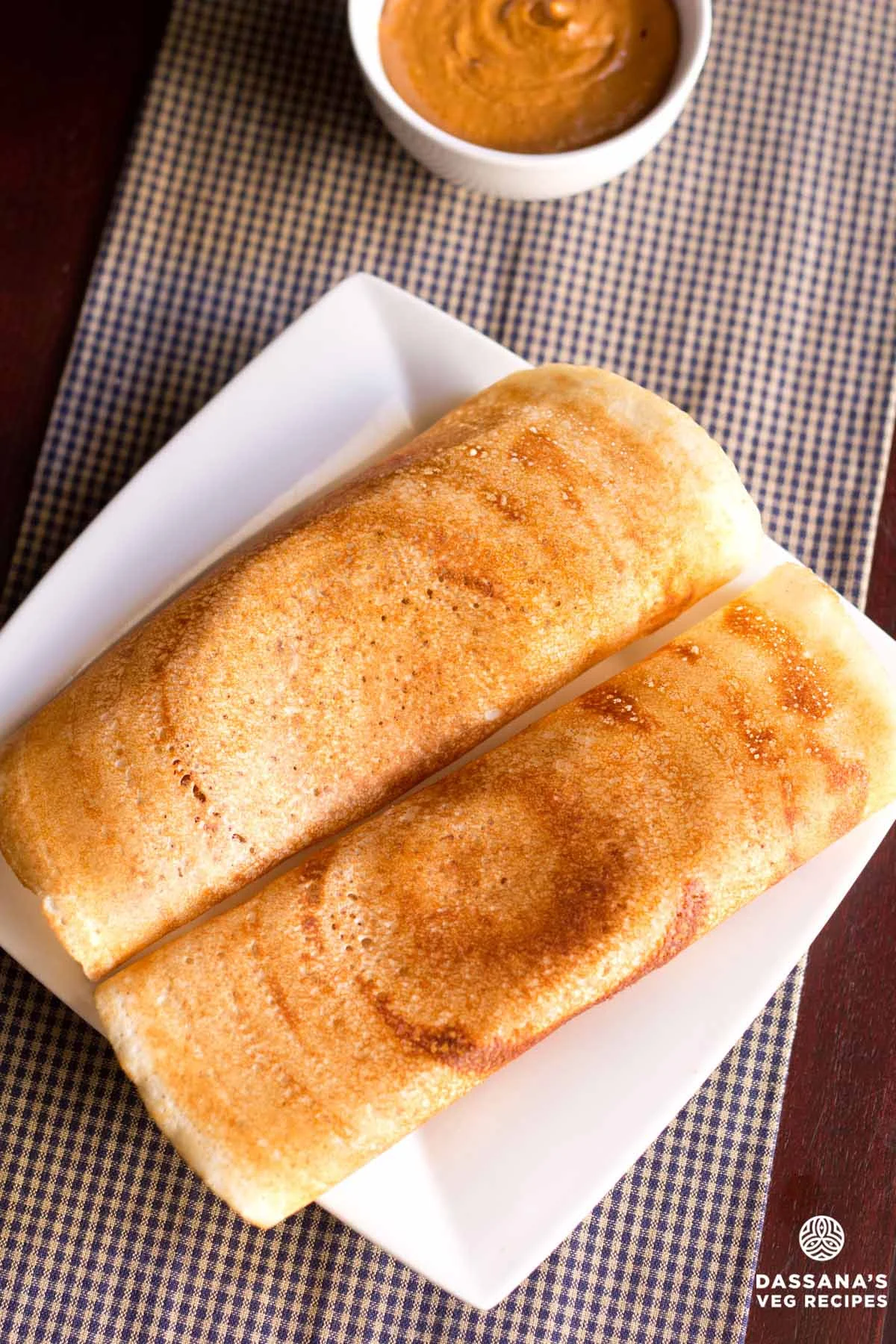
In the vast and storied landscape of South Indian gastronomy, the dosa stands as an architectural marvel of flavor and texture. Traditionally, the creation of this fermented crepe is a labor of love, requiring a 24-hour cycle of soaking, stone-grinding, and meticulous temperature-controlled fermentation. However, a modern culinary shift is underway. As urban lifestyles accelerate and the demand for nutritious, gluten-free alternatives rises, the "No-Grind Rice Dosa" has emerged as a significant innovation.
This streamlined version of the classic staple—utilizing rice flour and urad dal (black gram) flour instead of whole grains—is bridging the gap between ancestral tradition and contemporary convenience. By removing the most time-consuming barriers to entry, this method is democratizing South Indian home cooking for a global audience.
Main Facts: The Architecture of a Modern Staple
The "No-Grind" Rice Dosa is characterized by its reliance on pre-milled flours rather than the traditional method of soaking raw rice and lentils. This recipe, popularized by culinary experts like Dassana Amit, focuses on a specific ratio of rice flour to urad dal flour to replicate the structural integrity and flavor profile of the original fermented batter.
Key Characteristics:
- Ingredients: The batter is composed primarily of rice flour (1¼ to 1½ cups), urad dal flour (¾ cup), and water (approximately 2½ cups).
- Convenience Factor: It eliminates the need for high-powered wet grinders or blenders, as well as the 6-hour soaking period typically required for raw ingredients.
- Fermentation: Despite using flours, the batter still undergoes an overnight fermentation process (9 to 10 hours), which is essential for developing the characteristic tang and airy texture of a true dosa.
- Dietary Profile: The dish is naturally gluten-free and vegan, making it highly compatible with modern dietary trends focusing on plant-based and allergen-friendly nutrition.
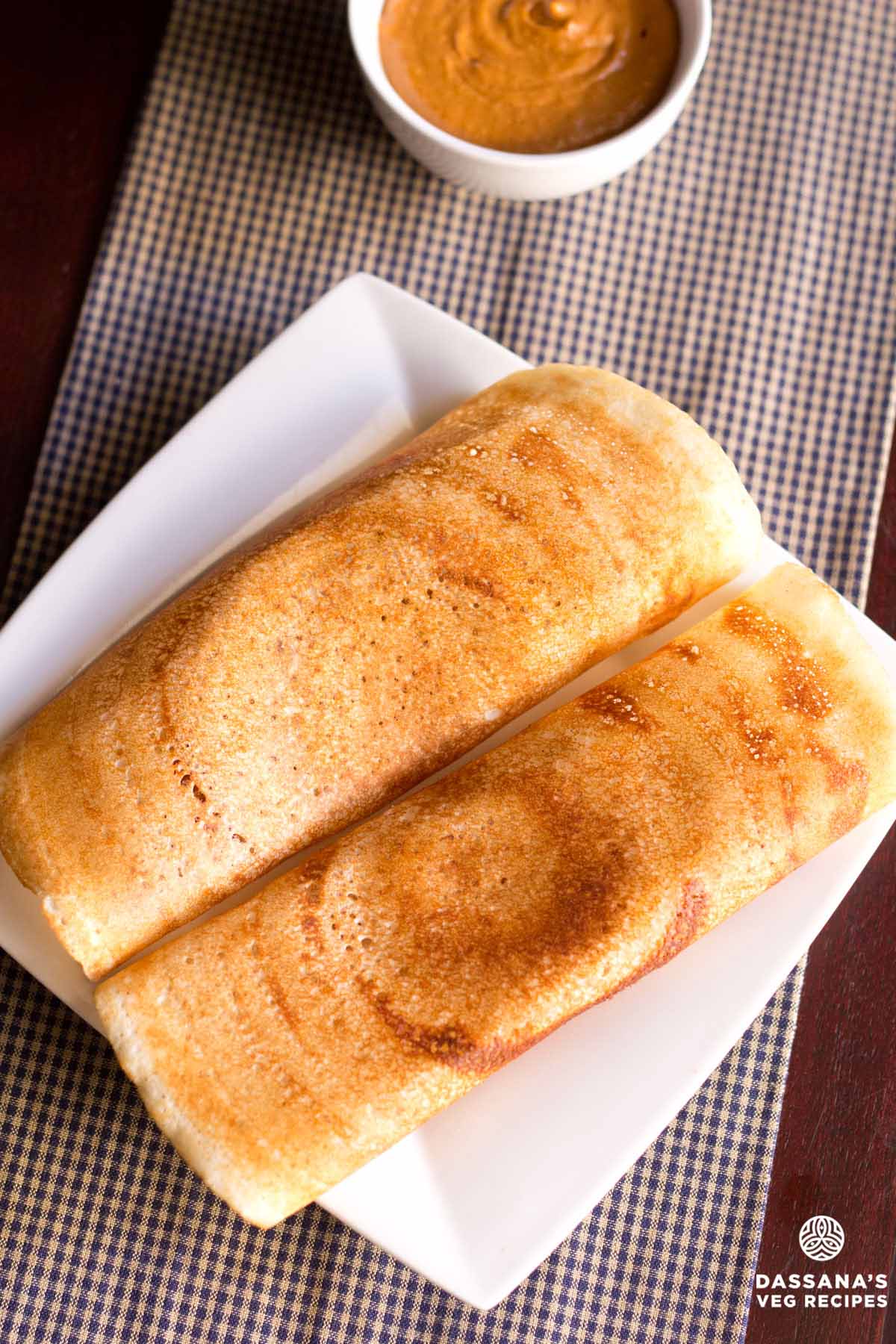
While purists may argue that the depth of flavor in a flour-based dosa differs from the stone-ground variety, the results are remarkably similar in texture: crisp, golden-brown, and light. The primary difference lies in the aromatic profile; the flour-based version offers a milder fermented scent compared to the pungent, deep notes of traditionally ground batters.
Chronology: From Mixing Bowl to Table
The production of a Rice Dosa follows a disciplined timeline that, while shorter than the traditional method, still respects the biological process of fermentation.
Phase I: Batter Formation (Evening)
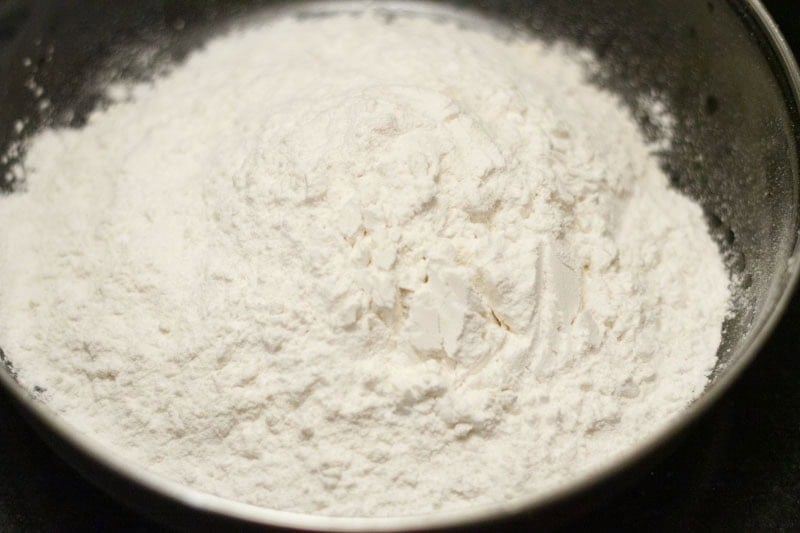
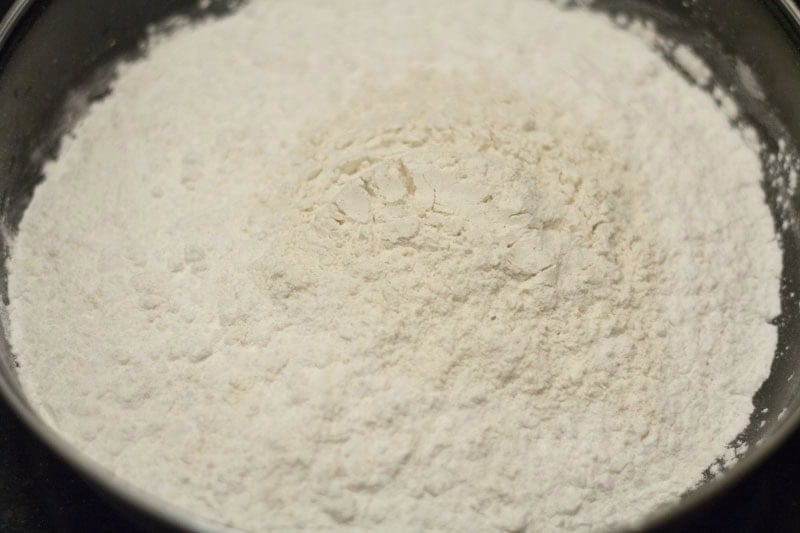
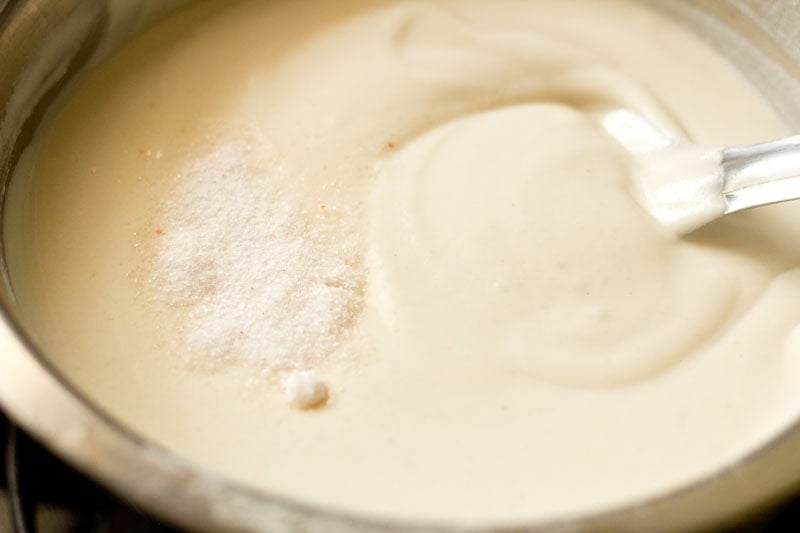
The process begins with the integration of dry ingredients. The rice flour provides the crispness and structural "snap," while the urad dal flour acts as a binding agent and a source of protein. Unlike traditional batters where the ratio is often 3:1 or 4:1 (rice to dal), this flour-based version uses a slightly higher concentration of urad dal to compensate for the lack of fresh-ground mucilage.
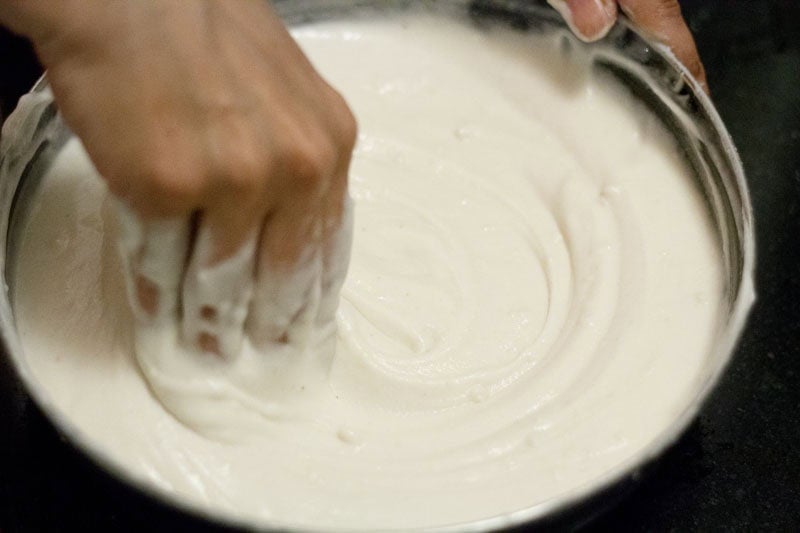
Culinary practitioners recommend using a wired whisk or even clean hands to break down lumps, ensuring a smooth, flowing consistency. The goal is a "medium-thick" batter that can be easily spread into thin concentric circles on a hot surface.
Phase II: The Fermentation Window (Overnight)
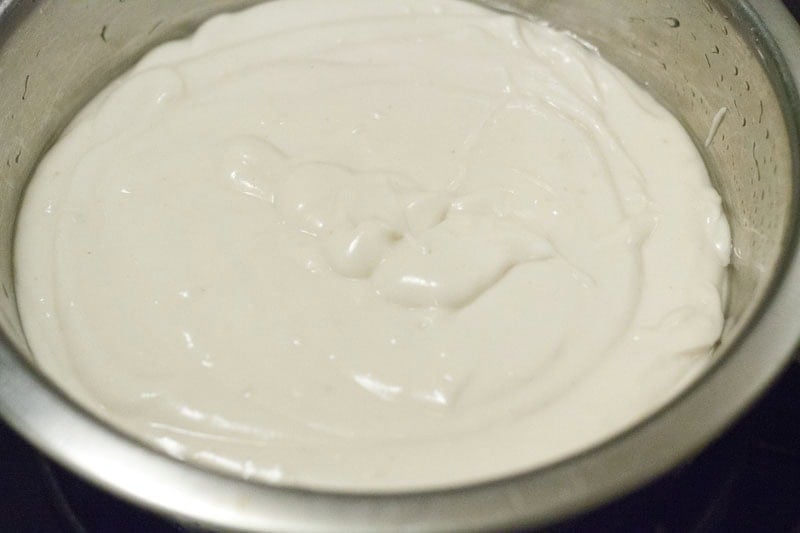
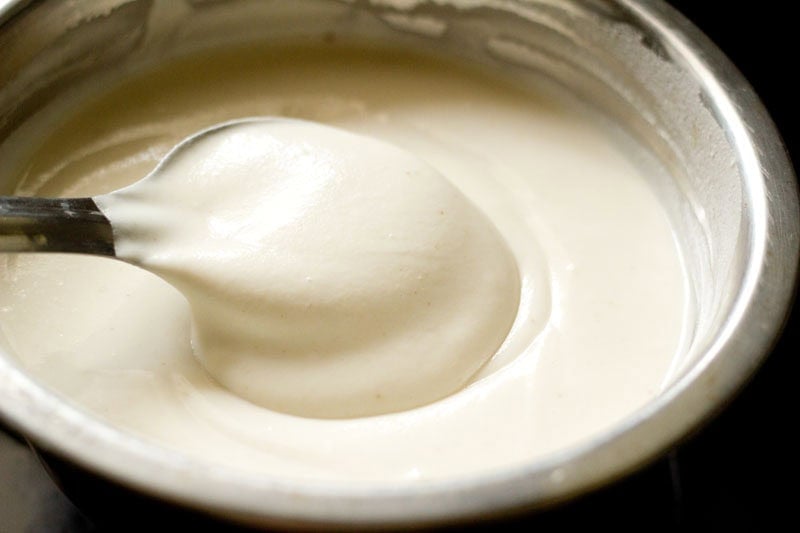
Once mixed, the batter is left to rest at room temperature. Over 9 to 10 hours, wild yeast and lactic acid bacteria (naturally present in the urad dal flour) begin to work. Unlike traditional batters, which may double or triple in volume, flour-based batters show more subtle signs of activity—tiny bubbles and a slight rise, accompanied by a faint, pleasant sourness.
In cooler climates, this phase is the most volatile. Experts suggest adding a tablespoon of yogurt to jump-start the bacterial activity or extending the fermentation time by an additional two hours to ensure the batter develops the necessary lightness.
Phase III: The Searing Process (Morning)
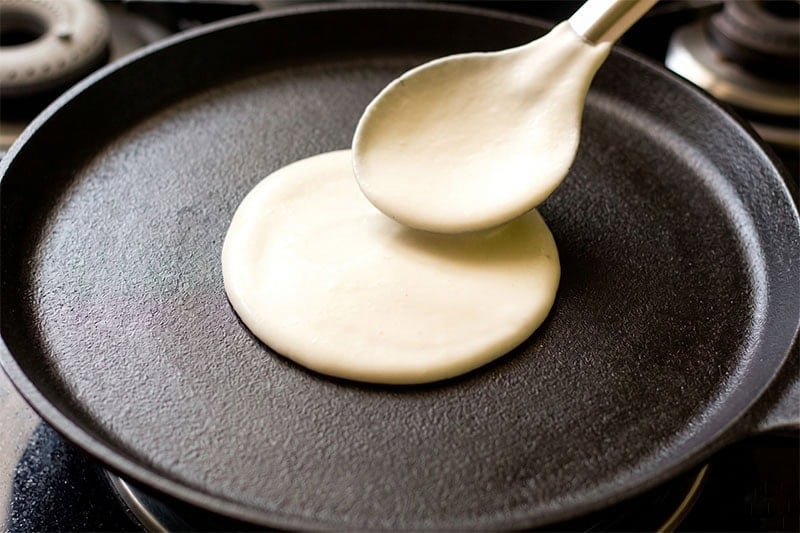
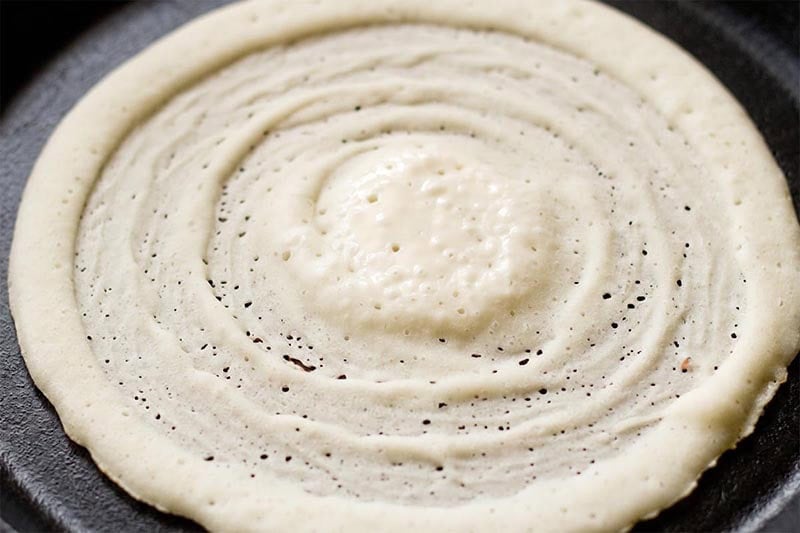
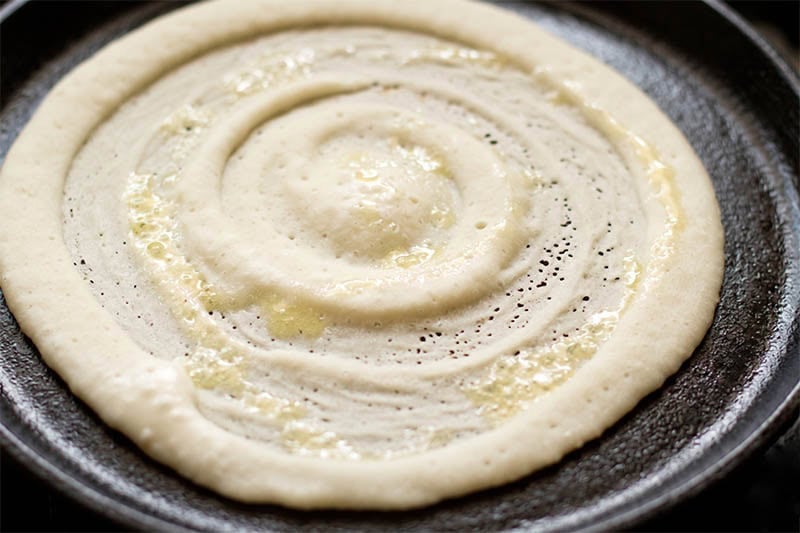
The final stage occurs on a cast-iron tawa or a non-stick griddle. The application of heat is critical. The tawa must be seasoned and hot enough that a splash of water sizzles and evaporates instantly. A ladle of batter is poured into the center and spread outward in a spiral. As the moisture evaporates, oil is drizzled around the edges, facilitating the "Maillard reaction"—the chemical process that gives the dosa its signature golden hue and savory flavor.
Supporting Data: Nutritional and Technical Analysis
The Rice Dosa is more than a convenience food; it is a nutrient-dense breakfast option. According to nutritional data provided by Veg Recipes of India, a standard serving of this dosa provides a balanced profile of macronutrients and essential minerals.
Nutritional Breakdown (Per Serving):
- Energy: 174 kcal
- Carbohydrates: 21g (Primary energy source)
- Protein: 7g (Derived from the urad dal flour)
- Fat: 7g (Primarily from the cooking oil/ghee)
- Fiber: 5g (Promoting digestive health)
Micronutrient Profile:
The dish is a notable source of several key vitamins and minerals:
- Iron: 2mg (Essential for blood health)
- Calcium: 21mg
- Potassium: 8mg
- Vitamin E: 3mg
- B-Vitamins: Contains trace amounts of Thiamine (B1), Niacin (B3), and B6, which are critical for metabolic function.
From a technical standpoint, the success of the "no-grind" method relies on the quality of the flour. Finely milled rice flour ensures a smooth texture, while the urad dal flour provides the necessary "stretch" or elasticity that allows the dosa to be spread thin without tearing.
Official Responses: The Expert Perspective
Dassana Amit, a professionally trained chef with credentials from Le Cordon Bleu and over 16 years of experience in vegetarian cuisine, emphasizes that while the "no-grind" method is a departure from tradition, it is a valid and necessary evolution.
"The flavor is different from the classic version," Amit notes in her technical guidance. She acknowledges that the deep, complex fermented taste of stone-ground lentils is hard to replicate entirely with dry flours. However, she asserts that the trade-off in time and effort makes this recipe an "indispensable option for busy days."
Amit also provides critical troubleshooting for home cooks:
- On Pan Selection: "If using a non-stick pan, avoid greasing the surface before spreading the batter." This prevents the batter from sliding, allowing it to grip the surface and spread thinly.
- On Temperature Control: She advises that for the second and subsequent dosas, the tawa may become too hot. Sprinkling water on the pan to lower the temperature before spreading the next ladle of batter is a pro-tip used by street vendors and professional chefs alike.
- On Customization: While the base recipe is simple, Amit suggests it can be transformed into a "Masala Dosa" by adding a spiced potato filling, or paired with a variety of chutneys (coconut, tomato, or peanut) to enhance the sensory experience.
Implications: The Future of "Shortcut Traditionalism"
The rise of the no-grind rice dosa represents a broader trend in global cuisine: Shortcut Traditionalism. As the diaspora of South Asian communities expands and the pace of life increases in Indian metros, the "sanctity" of the 24-hour preparation process is being weighed against the practicalities of modern life.
1. Accessibility and Global Reach
The requirement of a specialized "wet grinder"—a heavy piece of machinery common in South Indian households but rare elsewhere—has long been a barrier for those wanting to make authentic dosas abroad. By transitioning to a flour-based method, the dosa becomes accessible to anyone with a mixing bowl and a skillet.
2. The Gluten-Free Movement
As global awareness of gluten sensitivities grows, the rice dosa is being repositioned in Western markets as a superior alternative to wheat-based wraps and crepes. Its natural fermentation also aligns with the current health trend favoring "probiotic-friendly" and "gut-healthy" foods.
3. Preservation of Culture
Paradoxically, these "shortcuts" may be what preserves the tradition of home-cooked South Indian breakfast for the next generation. By making the process manageable for a working professional, the cultural habit of eating a warm, homemade dosa is maintained, even if the method of production has evolved.
4. Culinary Innovation
The success of the no-grind dosa has paved the way for other "instant" varieties, such as Rava Dosa (semolina-based), Oats Dosa, and Wheat Dosa. Each iteration pushes the boundaries of what defines a "dosa," focusing on the final form and function (a thin, crisp, savory crepe) rather than a rigid adherence to one specific set of ingredients.
Conclusion
The Rice Dosa, in its no-grind form, is a testament to the resilience and adaptability of South Indian cuisine. It honors the fundamental principles of the dish—fermentation, crispness, and a balance of rice and lentils—while embracing the efficiencies offered by modern food processing. As culinary experts like Dassana Amit continue to refine these methods, the dosa is set to remain a staple of the global breakfast table, proving that tradition does not have to be sacrificed at the altar of convenience; rather, it can be redesigned to thrive within it.
