

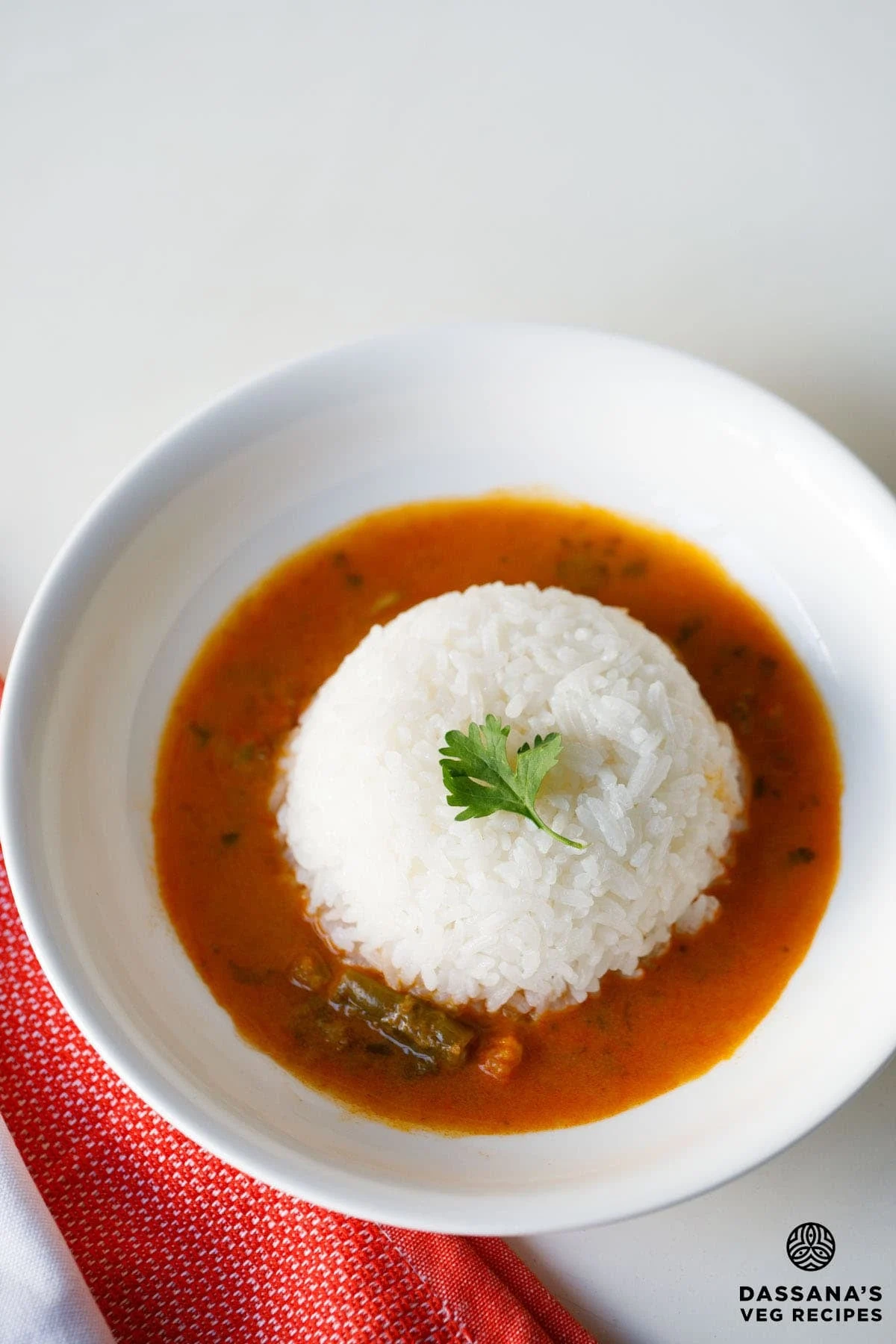
The subtle, popcorn-like aroma of steaming Jasmine rice is a sensory hallmark of Southeast Asian cuisine. Known in its homeland as Thai Hom Mali, this long-grain variety has transcended its regional origins to become a global pantry essential. However, despite its ubiquity, achieving the perfect texture—tender, separate grains with a soft, velvety finish—remains a challenge for many home cooks.
Recent culinary data and expert methodologies suggest that the secret to perfect Jasmine rice lies not in expensive machinery, but in a precise understanding of the grain’s chemistry, the water-to-rice ratio, and the often-overlooked "resting" phase. This report explores the comprehensive lifecycle of Jasmine rice preparation, from the science of its fragrance to the technical rigor required for stovetop perfection.
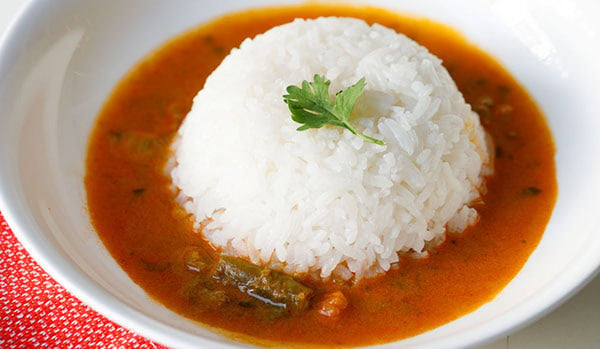
The Main Facts: Defining the Thai Hom Mali Standard
Jasmine rice is a long-grain variety of Oryza sativa primarily cultivated in the high plateaus of Northeastern Thailand. It is distinguished from other long-grain varieties by its unique aromatic profile, caused by the natural production of the aroma compound 2-acetyl-1-pyrroline. This is the same compound that gives freshly baked bread and popcorn their enticing scents.
Unlike its closest rival, Basmati rice, Jasmine rice possesses a slightly lower amylose content. This molecular structure ensures that while the grains remain distinct and long, they have a "sticky" quality and a moist, soft mouthfeel that Basmati lacks. It is this specific texture that makes it the ideal companion for the rich gravies of Thai green, red, and yellow curries, as well as the robust flavors of Massaman and Panang dishes.
A Chronology of Precision: The Preparation Lifecycle
The journey from a dry, translucent grain to a fluffy, aromatic accompaniment follows a strict chronological sequence. Deviating from this timeline often results in either "crunchy" undercooked centers or a homogenous, mushy mass.
Phase 1: The Cleansing (0–5 Minutes)
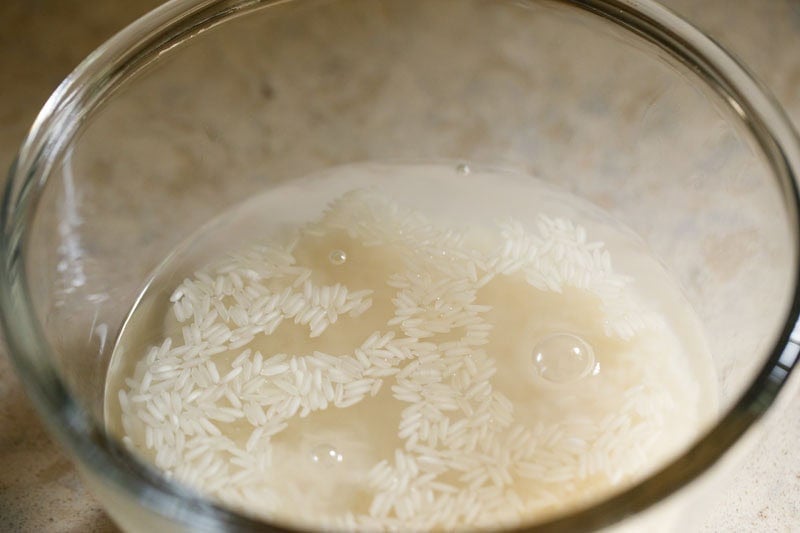
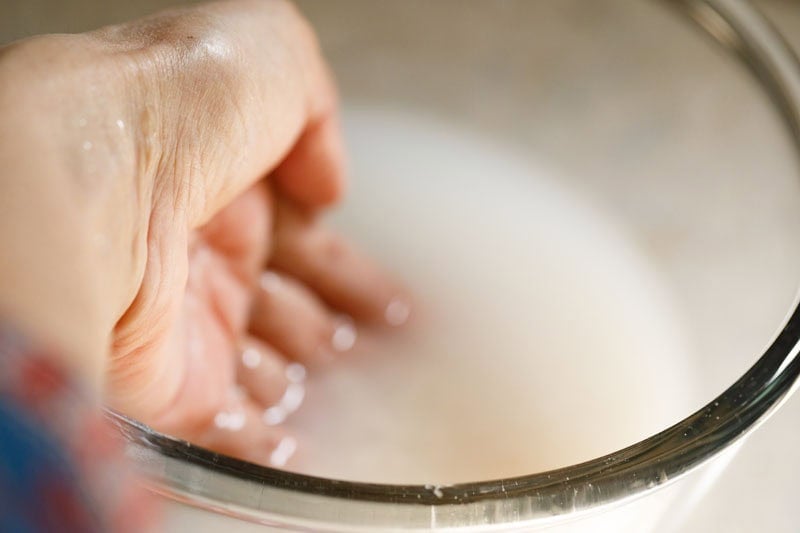
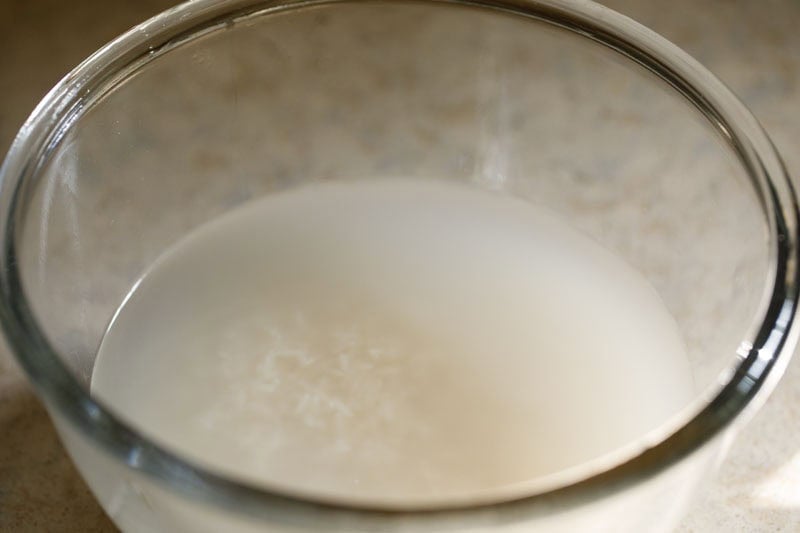
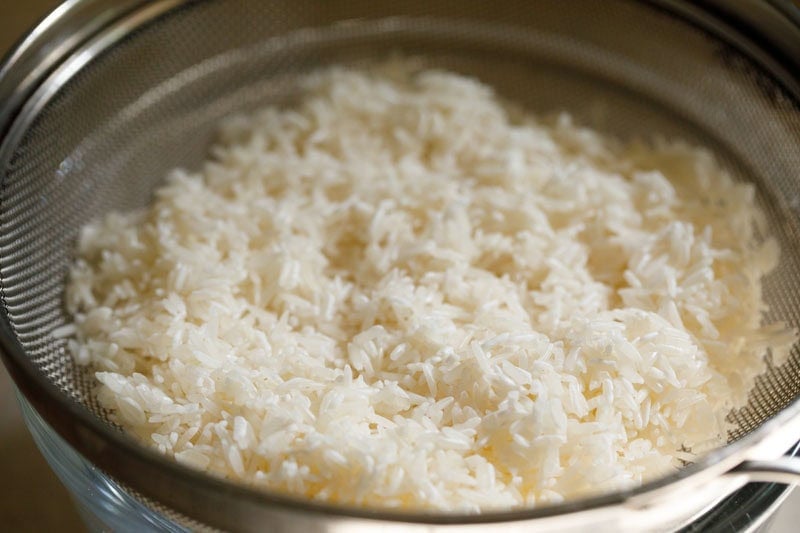
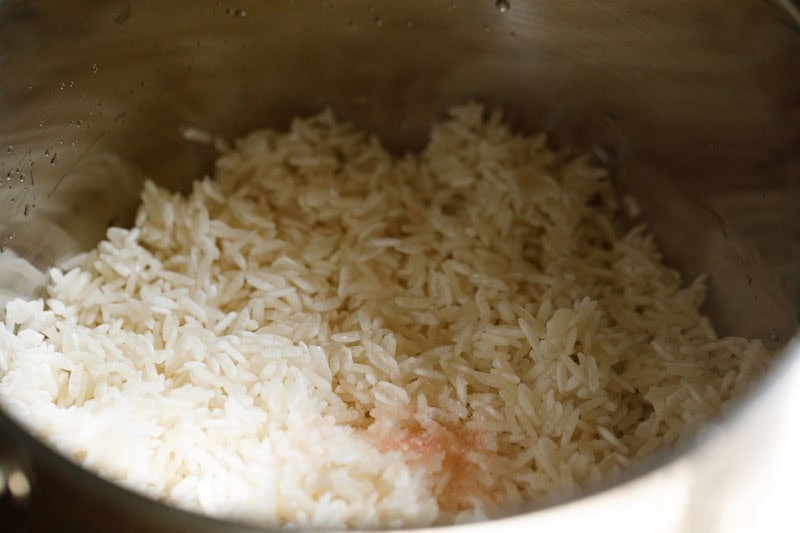
The process begins with the removal of excess surface starch. When Jasmine rice is polished and packaged, a fine powder of starch remains on the exterior of the grain. If not removed, this starch gelatinizes instantly upon contact with boiling water, acting as a glue that binds grains together. Experts recommend rinsing the rice three to four times until the water, which initially appears milky and opaque, runs clear.
Phase 2: The Hydration Debate (Optional)
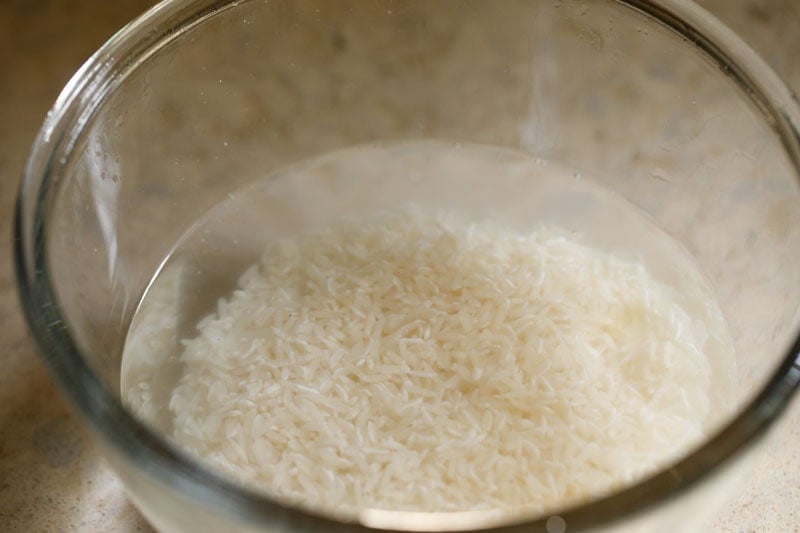
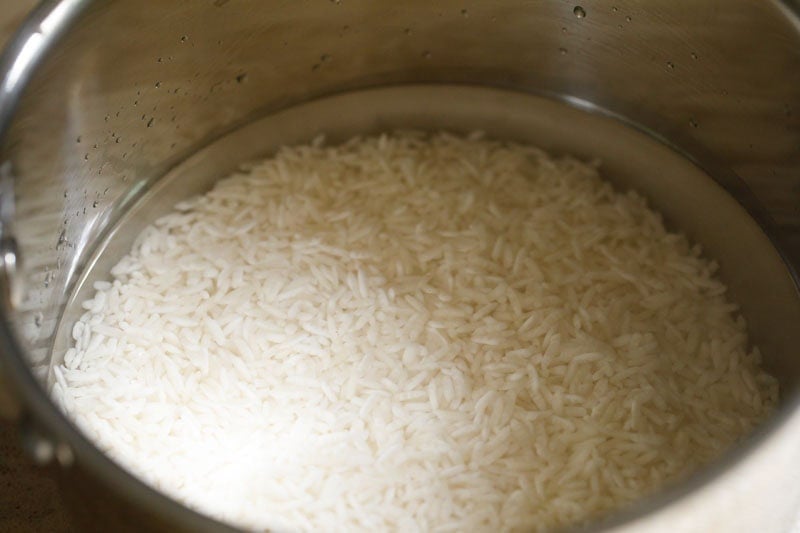
While not strictly necessary for Jasmine rice, a brief 10-to-15-minute soak is a point of contention among chefs. Proponents argue that soaking allows for more even heat distribution during the simmer, ensuring the core of the grain is cooked at the same rate as the exterior. However, for most stovetop applications, immediate cooking after rinsing is the standard.
Phase 3: The Thermal Application (12 Minutes)
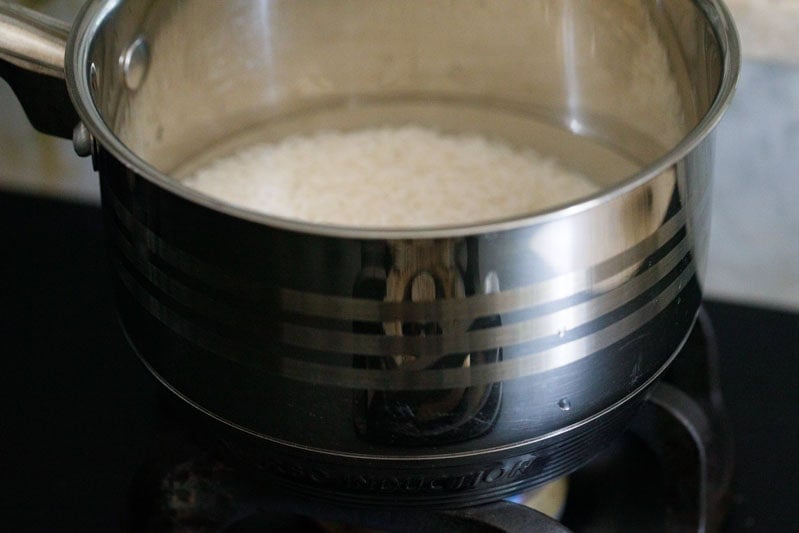
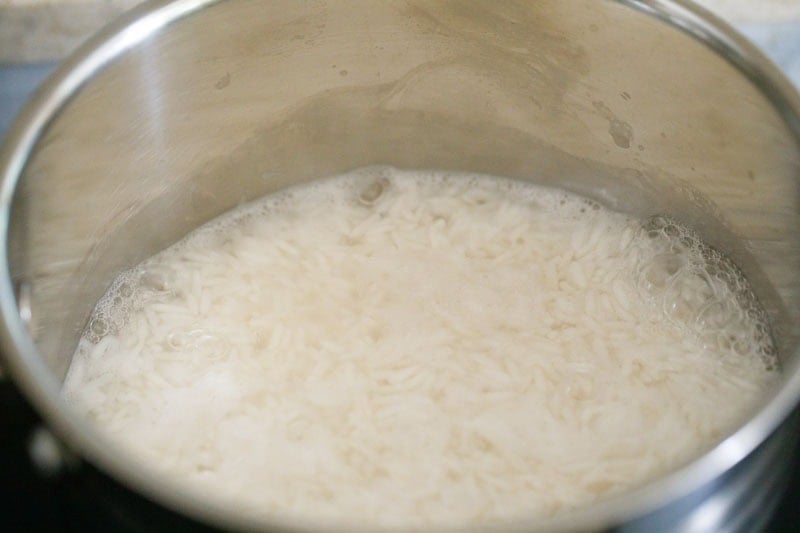
Once the rice is placed in a saucepan with a measured amount of water and a pinch of salt, it is brought to a gentle boil. At this juncture, the heat must be reduced to the lowest possible setting. The pot is then sealed with a tight-fitting lid to create a pressurized steam environment. This phase typically lasts 10 to 12 minutes, during which the water is fully absorbed by the grain’s internal structure.
Phase 4: The Equilibrium (10 Minutes)
Perhaps the most critical step in the chronology is the rest period. After the heat is extinguished, the lid must remain closed for an additional 10 minutes. During this time, the residual steam redistributes itself evenly throughout the pot, ensuring that the top layer of rice is as moist as the bottom, and allowing the starches to "set," which prevents the grains from breaking when fluffed.
Supporting Data: The Mathematics of the Perfect Pot
Culinary success with Jasmine rice is a game of ratios. While many commercial packages suggest a 1:2 ratio (one part rice to two parts water), professional testing indicates this often leads to over-hydration.
The Optimal Ratio
Extensive testing by culinary researchers, including the methodology shared by Dassana, suggests that a 1:1.5 ratio is the "Golden Ratio" for stovetop Jasmine rice.
- For 1 cup (190g) of Jasmine rice: 1.5 cups of water.
- For a firmer grain (Al Dente): 1.25 cups of water.
Nutritional Profile
Beyond its culinary utility, Jasmine rice provides a significant caloric foundation. According to nutritional data for a standard serving (based on the provided recipe for three servings):
- Calories: 225 kcal
- Carbohydrates: 49g
- Protein: 4g
- Fat: 0.4g
- Micronutrients: Contains trace amounts of Iron (0.5mg), Magnesium (17mg), and B-vitamins (B3, B6).
The low fat and sodium content (203mg when salted) make it a versatile base for various dietary needs, though it remains a high-carbohydrate food.
Official Responses and Expert Insights
Culinary experts emphasize that the "stovetop method" is a litmus test for a cook’s attention to detail. Dassana, a prominent voice in Indian and Southeast Asian vegetarian cooking, notes that the brand of rice can significantly influence the outcome.
"Different brands of jasmine rice can absorb water differently," Dassana explains. "If needed, you can adjust the water slightly after trying the recipe once. For everyday meals and serving with curries, I recommend using the 1.5 cups water ratio."
Experts also weigh in on the common mistake of "peeking." Lifting the lid during the 12-minute simmer allows essential steam to escape, dropping the internal temperature and interrupting the gelatinization process. The consensus among chefs is clear: a tight-fitting lid is non-negotiable.
Regarding the use of Jasmine rice in other dishes, experts suggest a strategic approach. While freshly cooked Jasmine rice is the gold standard for curries, it is actually a poor choice for fried rice. "Freshly cooked jasmine rice can be too soft for fried rice," Dassana notes. "Chilled rice firms up and separates more easily, making it ideal for stir-frying." This insight aligns with the "retrogradation" process in food science, where starches recrystallize upon cooling, creating the firm texture necessary for high-heat wok cooking.
Comparative Analysis: Jasmine vs. Basmati
A frequent query in the culinary world is whether Jasmine and Basmati are interchangeable. From a journalistic and scientific perspective, the answer is no.
- Origin: Jasmine is Southeast Asian (Thailand); Basmati is South Asian (India/Pakistan).
- Texture: Basmati is the "king of fluff," with long, needle-like grains that remain extremely dry and separate. Jasmine is shorter, plumper, and carries a "soft-stickiness."
- Aroma: Basmati has a nutty, sandalwood-like scent, whereas Jasmine is floral and reminiscent of Pandan leaves.
The implication for the cook is that while Basmati is suited for Biryanis and Pilafs, Jasmine is the essential vehicle for the coconut-milk-based sauces of Thailand.
Storage and Safety Implications
The storage of cooked rice carries significant food safety implications. Bacillus cereus, a bacterium that produces toxins, can thrive in cooked rice left at room temperature.
- Cooling: Rice should be cooled quickly (often by spreading it on a baking sheet) before refrigeration.
- Duration: It should be stored in an airtight container for no more than 24 hours for optimal freshness, though some guidelines allow up to 2 days.
- Reheating: When reheating, adding a splash of water or a damp paper towel in the microwave is essential to restore the moisture lost during the refrigeration’s starch crystallization process.
Culinary Implications: The Global Table
The mastery of Jasmine rice preparation has broader implications for global food culture. As Thai cuisine continues to rank among the most popular international foods, the ability of home cooks to replicate restaurant-quality rice at home bridges a cultural gap.
Furthermore, the rise of plant-based diets has elevated Jasmine rice from a mere side dish to a central component of "grain bowls" and "tofu stir-fries." Its ability to absorb flavors while maintaining its own distinct aromatic identity makes it a favorite for fusion cooking.
In conclusion, the preparation of Jasmine rice is an exercise in restraint and precision. By adhering to the 1:1.5 ratio, respecting the necessity of the rinse, and honoring the 10-minute rest, cooks can transform a simple grain into a fragrant masterpiece. Whether served alongside a spicy Pumpkin Curry or repurposed into a savory Vegetable Fried Rice, Jasmine rice remains an indispensable pillar of the culinary world.
