

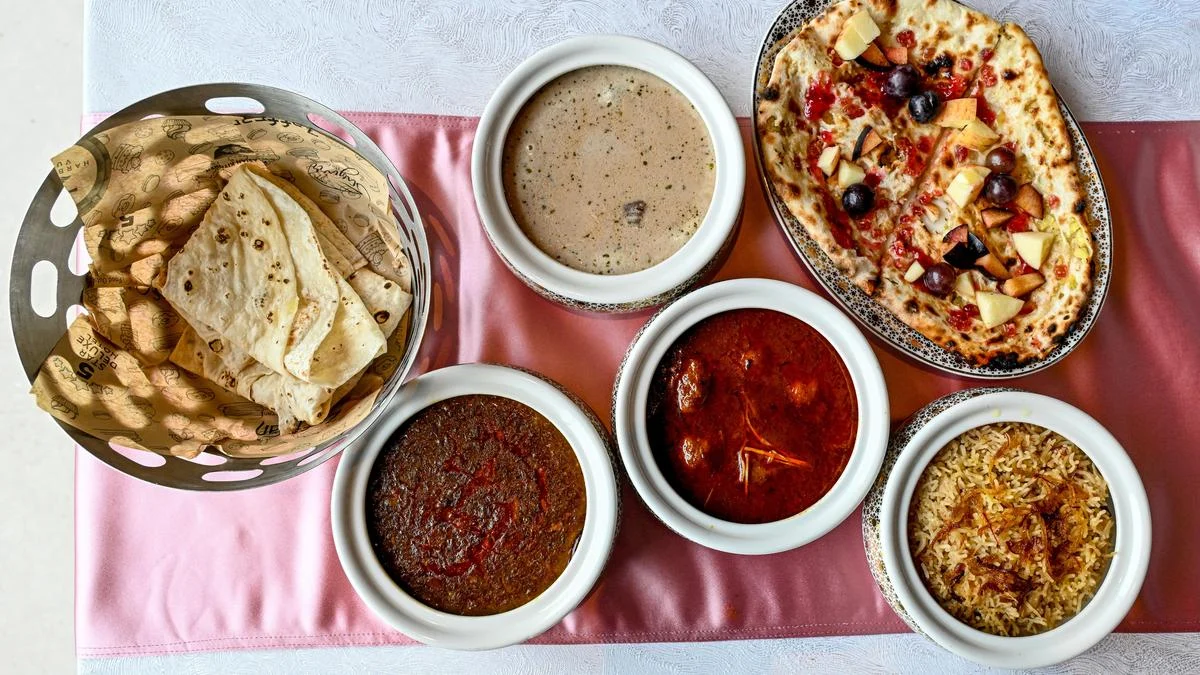
VISAKHAPATNAM – In an ambitious effort to bring the authentic flavors of the Himalayas to the shores of the Bay of Bengal, Novotel Visakhapatnam Varun Beach has inaugurated "Dawat-E-Wazwan," a premier Kashmiri food festival. Hosted at the hotel’s signature Zaffran restaurant, the event serves as a sophisticated deep dive into the 14th-century culinary traditions of the Kashmir Valley, curated by the celebrated culinary duo, Chef Rehman and Chef Abdul.
The festival, which runs through late June, marks a significant moment in Visakhapatnam’s evolving culinary landscape. It moves beyond the generic "North Indian" tropes often found in commercial dining, offering instead a meticulously researched menu that emphasizes the aromatic, subtle, and labor-intensive nature of true Wazwan cuisine.
Main Facts: The Essence of the "Dawat-E-Wazwan"
The "Dawat-E-Wazwan" festival is not merely a promotional event but a technical showcase of Kashmiri heritage. Wazwan, traditionally a multi-course meal consisting of 36 dishes, is considered an art form in Kashmir, typically prepared by a master chef known as a Waza. At Zaffran, Chefs Rehman and Abdul have distilled this expansive tradition into a curated menu that balances the region’s famous meat-heavy delicacies with its equally sophisticated vegetarian offerings.
The core philosophy of the festival centers on the distinction between "heat" and "flavor." Unlike the fiery spice profiles of many Indian regional cuisines, Kashmiri food relies on a complex layering of aromatics. The primary flavor agents used in the Zaffran kitchen this week include:
- Fennel Powder (Saunf): Providing a sweet, cooling undertone.
- Dry Ginger (Sonth): Adding a sharp, earthy warmth.
- Kashmiri Saffron (Kesar): Imparting both a golden hue and a floral fragrance.
- Cockscomb Flower (Maval): A traditional coloring agent used to provide the signature deep red of the Rista.
The festival menu is structured to take the diner through a progression of textures, starting with light broths and ending with rich, milk-based desserts, mirroring the traditional sequence of a royal Kashmiri banquet.
Chronology of the Culinary Experience
The journey through "Dawat-E-Wazwan" begins with an invitation to slow down. The preparation of these dishes began days before the festival’s launch, as authentic Wazwan requires specific techniques that cannot be rushed.
The Opening Act: Soups and Starters
The meal typically commences with the Kashish Paya Shorba. In a departure from the heavy, gelatinous versions of trotters found in Mughlai cuisine, this Kashmiri rendition is a clear, light broth. It serves a functional purpose: stimulating the palate without overwhelming the digestive system before the heavier courses arrive.
Following the soup, the starters introduce the diners to the precision of Kashmiri butchery. The Maaz Seekh Kebab stands out as a testament to the chefs’ skill. Unlike standard kebabs, these are remarkably tender, processed to a fine paste that allows the natural sweetness of the lamb to shine through. While the Badami Kukar Tikka (almond-infused chicken) and the saffron-tinged Paneer kebabs offer variety, the focus remains firmly on the traditional meat preparations that form the backbone of the Valley’s diet.

The Heart of the Festival: The Main Course
As the festival progresses into the main courses, the Rista takes center stage. This dish is perhaps the most technically demanding in the Wazwan repertoire. The mutton is hand-pounded on a stone slab using wooden mallets until it reaches a paste-like consistency, which is then rolled into perfectly smooth meatballs. These are poached and then simmered in a vibrant red gravy.
Complementing the Rista is the Nadur Yakhni, a dish that highlights the indigenous produce of Kashmir. Using lotus stems (Nadur) sourced from the lakes of the Valley, the dish features a yogurt-based gravy flavored with dried mint and cardamom. The meal is tied together with Kokur Pulao, a fragrant rice preparation that uses whole spices to create an aromatic base rather than a spicy one.
The Conclusion: A Sweet Transition
The festival concludes with desserts that provide a cooling counterpoint to the meal’s savory depth. The Kong Phirni (saffron-infused ground rice pudding) and Malai Gilori (a delicate milk-based sweet) serve as the final notes of the "Dawat-E-Wazwan," leaving the palate refreshed.
Supporting Data: The Craft Behind the Cuisine
To understand the scale of the "Dawat-E-Wazwan," one must look at the technical data regarding its preparation. Authenticity in Kashmiri cooking is inextricably linked to the method of heat application and the tools used.
- The Pounding Process: For dishes like Rista and Gushtaba, the meat must never be put through an electric grinder. Doing so breaks the fibers in a way that prevents the meat from absorbing the gravy correctly. The hand-pounding process used by Chef Rehman’s team ensures the retention of the meat’s elasticity.
- The Fat Content: Traditional Wazwan utilizes mutton fat as a flavor carrier. However, for the Visakhapatnam festival, the chefs have subtly adjusted the recipes to suit a modern, health-conscious audience without sacrificing the "mouthfeel" that defines the cuisine.
- The Spice Ratio: Unlike many Indian cuisines where cumin and coriander dominate, the Kashmiri profile at Zaffran uses a higher ratio of fennel and ginger—approximately 3:1 compared to other spices—to achieve its characteristic "mountain" aroma.
Official Responses: Insights from the Experts
Chef Rehman, the lead curator of the festival, emphasizes that the goal of "Dawat-E-Wazwan" is educational as much as it is culinary.
"Wazwan is about patience and balance," Chef Rehman stated during the festival’s opening. "We don’t rely on heavy spices; instead, the flavors come from slow cooking and ingredients like yogurt, fennel, saffron, and dry ginger. In the Valley, the Waza is a respected figure because he knows exactly how to balance these elements. We wanted to bring that same level of discipline to Visakhapatnam."
Management at Novotel Visakhapatnam Varun Beach noted that the festival is part of a broader strategy to position the hotel as a hub for cultural exchange. "Visakhapatnam is a city with a growing appetite for global and regional diversity. By bringing in specialists like Chefs Rehman and Abdul, we are ensuring that our guests experience the soul of Kashmir, not just a commercialized version of it," a spokesperson for the hotel commented.
While the reception has been overwhelmingly positive, the chefs remain attentive to feedback. Regarding the Badami Kukar Tikka, Chef Rehman acknowledged the delicate balance of almond notes, noting that in traditional Kashmiri cooking, subtlety is often preferred over bold, singular flavors.

Implications: The Cultural and Culinary Impact
The "Dawat-E-Wazwan" festival at Novotel has several implications for the local and regional food industry:
1. The Rise of "Niche" Regionalism
The success of this festival suggests that Indian diners are moving away from the "North Indian/South Indian" binary. There is a burgeoning market for micro-regional cuisines—such as Kashmiri, Moplah, or Naga—that offer unique flavor profiles and historical narratives.
2. Culinary Tourism in Visakhapatnam
As a port city and a growing IT hub, Visakhapatnam is attracting a cosmopolitan workforce. High-end food festivals like "Dawat-E-Wazwan" enhance the city’s appeal as a destination for "culinary tourism," where residents and visitors can experience distant cultures through their palates.
3. Preservation of Traditional Techniques
By employing chefs who specialize in hand-pounding meat and slow-cooking in traditional styles, luxury hotels play a vital role in preserving intangible cultural heritage. In an era of fast food and automated kitchens, the "Dawat-E-Wazwan" serves as a reminder of the value of artisanal cooking.
4. Economic Exchange
The sourcing of specific ingredients—such as Kashmiri saffron and lotus stems—creates a supply chain that benefits producers in the North, fostering an internal economic and cultural exchange within the country.
Conclusion
The "Dawat-E-Wazwan" at Zaffran, Novotel Visakhapatnam Varun Beach, is more than a seasonal menu; it is a sensory bridge between two vastly different geographical landscapes. Through the expertise of Chefs Rehman and Abdul, the festival successfully translates the cool, aromatic essence of the Kashmir Valley for the warm, coastal environment of Andhra Pradesh.
As the festival concludes on June 28, it leaves behind a legacy of refined taste and a deeper appreciation for the "patience and balance" that defines one of the world’s most sophisticated culinary traditions. For the food enthusiasts of Visakhapatnam, the event has been a rare opportunity to witness the transformation of simple ingredients—yogurt, ginger, and mutton—into a royal feast fit for the history books.
Festival Details:
- Event: Dawat-E-Wazwan
- Location: Zaffran, Novotel Visakhapatnam Varun Beach
- Dates: Concluding June 28, 2026
- Timings: Lunch and Dinner sessions
- Price Point: ₹3,000–₹3,500 for two (plus taxes)
