

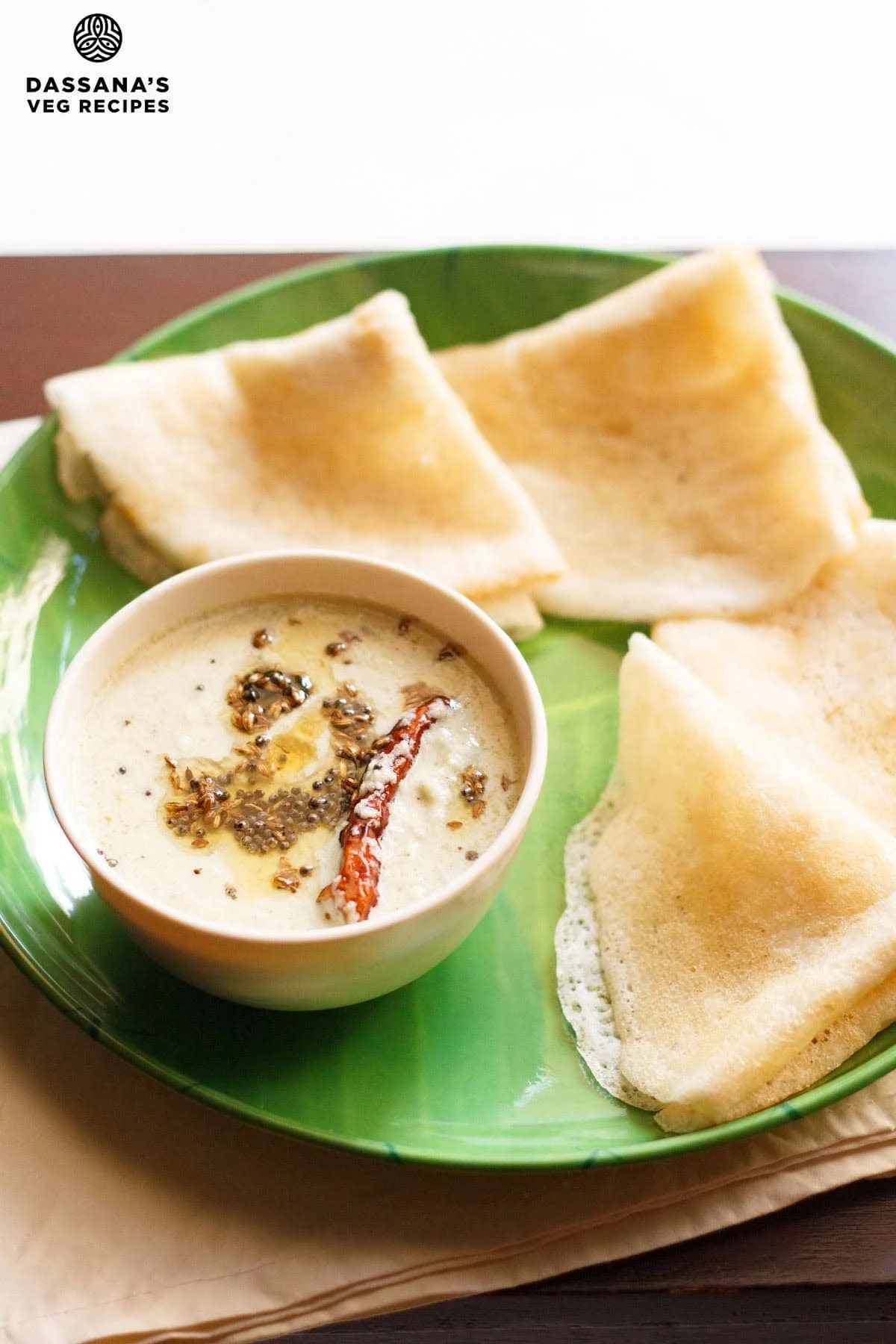
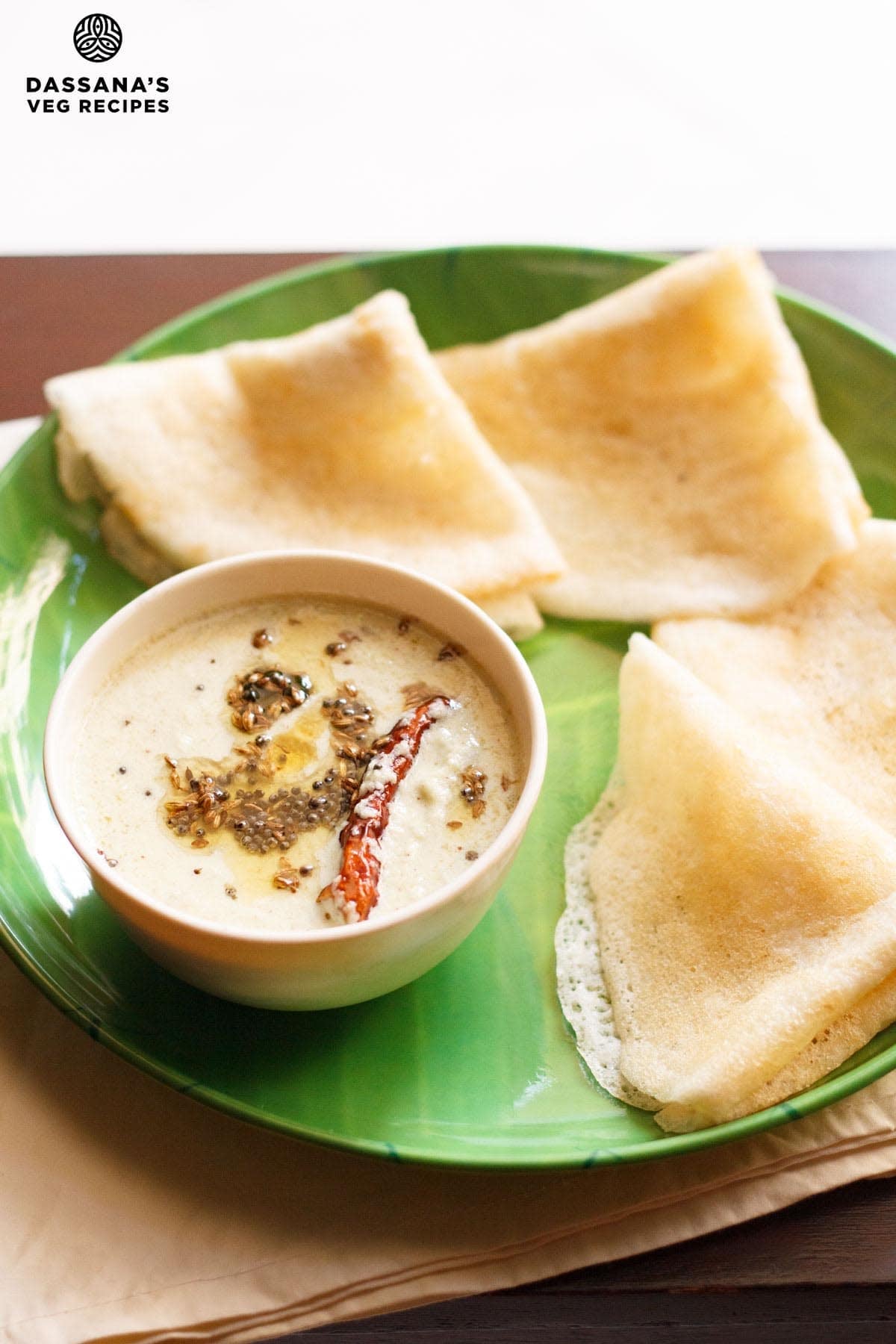
CHENNAI – In the sprawling landscape of Indian gastronomy, few elements are as ubiquitous yet as technically nuanced as the South Indian chutney. Often relegated to the status of a "side dish" by the uninitiated, the coconut-based condiment—specifically the variety served with idli and dosa—functions as the structural backbone of the "tiffin" (breakfast) experience. Recent culinary shifts have highlighted a move toward minimalist, ingredient-focused recipes that prioritize the raw profile of the coconut over the more complex, lentil-heavy versions found in traditional commercial kitchens.
The following report examines the evolution, technical composition, and cultural significance of the "Simple Idli-Dosa Chutney," a version that eschews common additives like roasted chana dal or tamarind to focus on the interplay of fresh coconut, heat, and aromatic tempering.
Main Facts: The Essential Nature of the Condiment
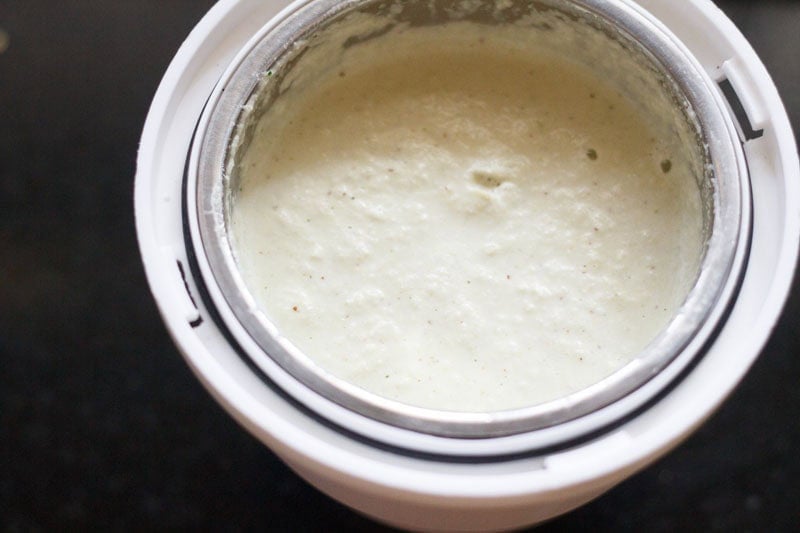
At its core, the idli or dosa chutney is an emulsion. It is a harmonious blend of fat (from the coconut), moisture, and aromatics. While the term "chutney" covers a vast array of Indian sauces, the white coconut chutney remains the gold standard for tiffin snacks such as idli (steamed rice cakes), dosa (fermented crepes), and medu vada (savory lentil donuts).
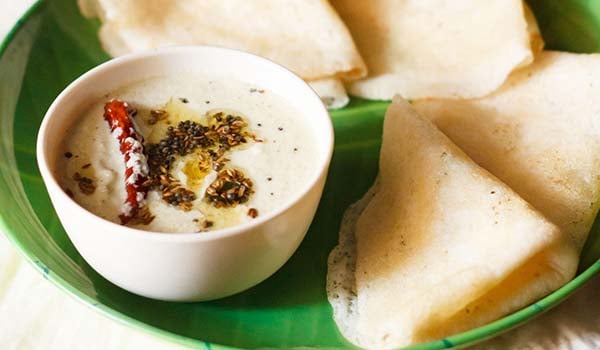
The specific variation gaining traction among home cooks and health-conscious enthusiasts is the "Pure Coconut" version. Unlike the "Hotel Style" chutney, which often utilizes roasted gram (pottukadalai) to provide volume and thickness, this simpler version relies entirely on the natural oils and fiber of the coconut.
Key Technical Characteristics:
- Primary Base: Fresh or desiccated coconut.
- Aromatic Profile: A sharp, pungent kick from ginger and garlic, balanced by the herbal notes of fresh curry leaves.
- Heat Source: Fresh green chilies, which provide a "bright" heat compared to the "smoky" heat of dried red chilies used in the tempering.
- The Finishing Mechanism: A precise "Tadka" (tempering) that introduces toasted mustard seeds, cumin, and asafoetida.
Chronology: From Ancestral Stone to Modern Centrifuge
The history of chutney is intrinsically linked to the history of the coconut palm in South India. For centuries, the preparation of this condiment was a labor-intensive process that dictated the rhythm of the household.
The Era of the Ammikallu (Pre-1960s)
Before the advent of electricity in rural Indian kitchens, chutney was prepared on an ammikallu—a flat grinding stone with a cylindrical roller. This method did not just grind the ingredients; it crushed the cells of the coconut and spices, releasing essential oils that modern blades often fail to extract. The texture was inherently coarser, and the flavor was deep and integrated.
The Mixer-Grinder Revolution (1970s–2000s)
The introduction of the high-speed electric mixer-grinder transformed the "Simple Chutney" into a five-minute task. This era saw the rise of the "smooth" chutney, where the goal was a velvety consistency. It was during this period that many households began adding roasted chana dal or peanuts to prevent the water from separating from the coconut solids—a common side effect of high-speed mechanical grinding.
The Minimalist Revival (2020–Present)
Contemporary culinary trends have seen a return to "cleaner" recipes. The modern "Simple Idli Chutney" removes the "fillers" (dals and nuts) to highlight the purity of the coconut. This shift is partly driven by the global "Whole Foods" movement and a desire to return to recipes that require fewer pantry staples but higher quality fresh produce.
Supporting Data: Nutritional and Chemical Analysis
To understand why this specific chutney is a dietary staple, one must look at its nutritional composition. Data indicates that a standard serving (approximately 3 portions from the provided recipe) yields a complex nutritional profile.
Nutritional Breakdown (Per Serving):
- Energy: 148 kcal
- Lipid Profile: 14g of total fat, with a significant portion being saturated fats (8g) derived from medium-chain triglycerides (MCTs) found in coconut.
- Micronutrients: The inclusion of ginger, garlic, and curry leaves contributes to a high Vitamin C content (63mg) and a surprising amount of Folate (361µg).
- Sodium and Potassium: At 445mg of sodium and 116mg of potassium, it acts as an electrolyte balancer when paired with the fermented, often salt-containing batters of idli and dosa.
The Science of Tempering (Tadka)
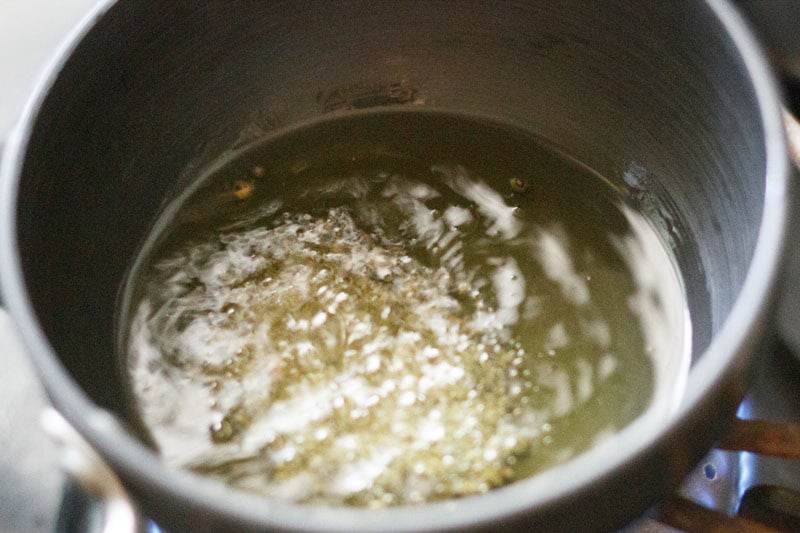
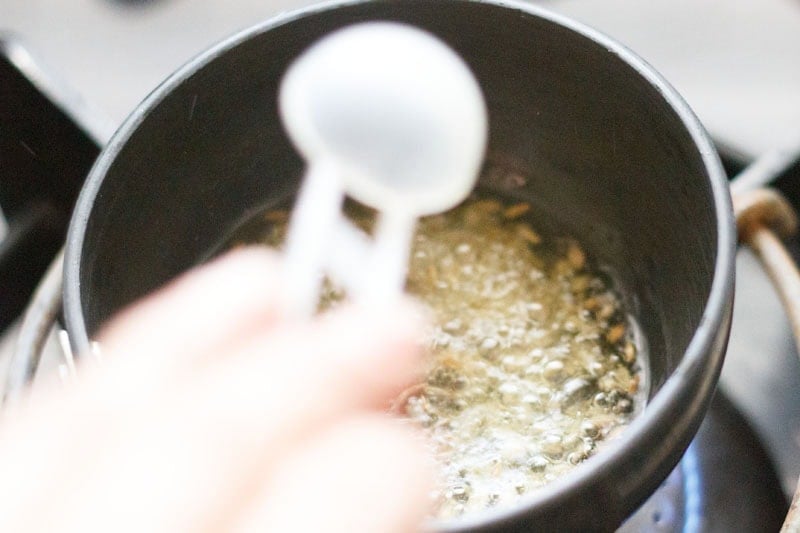
The final step of the recipe—heating mustard seeds, cumin, and curry leaves in oil—is not merely for garnish. It is a process of "blooming" spices. High-temperature oil acts as a solvent, extracting fat-soluble volatile oils from the spices.
- Mustard Seeds: Release isothiocyanates, providing a pungent aroma.
- Cumin Seeds: Release cuminaldehyde, which aids in digestion.
- Asafoetida (Hing): Acts as a digestive stimulant, essential when the chutney is paired with protein-heavy lentil dishes like Medu Vada.
Official Responses: Expert Perspectives on Preparation
Culinary experts and professional chefs emphasize that while the recipe is "simple," the execution requires a high degree of precision regarding ingredient temperature and moisture content.
Chef’s Recommendation on Sourcing:
"The quality of the coconut is the single most important factor," says a Chennai-based executive chef. "Freshly grated coconut contains the highest moisture and oil content. If a cook is forced to use desiccated coconut, the official recommendation is to rehydrate it with warm water before grinding. This mimics the cellular structure of fresh fruit and prevents the chutney from becoming ‘gritty’."
Health and Safety Protocols:
Public health nutritionists warn about the perishability of this specific dish. "Because this version lacks the acidic preservative qualities of tamarind or the dryness of roasted pulses, it is highly susceptible to microbial growth," states a food safety consultant. "It is officially recommended to consume coconut-based chutney within 2 to 3 hours of preparation if kept at room temperature, or to refrigerate it immediately to maintain its safety profile."
Implications: The Global Rise of the Tiffin Economy
The simplification of the idli-dosa chutney has broader implications for the globalization of South Indian cuisine. As Indian diaspora communities grow, the accessibility of "Everyday Indian Ingredients" has made this specific recipe a global standard.
1. The Export of Breakfast Culture
The "Tiffin" is no longer confined to the southern peninsula of India. From London to San Francisco, the idli-dosa-chutney trio is marketed as a gluten-free, vegan-friendly breakfast option. The simplicity of the "Coconut-Ginger-Chili" recipe makes it adaptable for international kitchens where specialized Indian legumes (like urad dal or chana dal) might be harder to source.
2. Economic Impact on Coconut Farming
The steady demand for fresh coconut chutneys sustains a massive agricultural network. In states like Kerala and Tamil Nadu, the "culinary demand" for coconuts ensures price stability for small-scale farmers. The shift toward "Pure Coconut" recipes actually increases the volume of coconut required per household, compared to "Hotel Style" recipes that use 50% fillers.
3. Preservation of Domestic Heritage
In an era of ultra-processed foods, the act of grinding fresh coconut and tempering it with whole spices represents a form of "edible heritage." It maintains a link to traditional Ayurvedic principles—incorporating ginger and garlic for gut health—while fitting into the accelerated schedule of the modern urban worker.
Conclusion: The Elegance of Simplicity
The "Simple Idli-Dosa Chutney" is a testament to the fact that complexity in flavor does not require a long list of ingredients. By focusing on the mechanical transformation of coconut and the chemical transformation of spices through heat, this recipe achieves a balance of taste, nutrition, and cultural authenticity.
Whether served in a traditional steel bowl alongside a steaming plate of idlis or as a dip for modern fusion snacks, the chutney remains the "silent partner" of the South Indian table—essential, versatile, and enduring. As the culinary world continues to move toward transparency and simplicity, the pure coconut chutney stands as a blueprint for the future of functional, flavorful food.
Stepwise Technical Summary for the Modern Kitchen
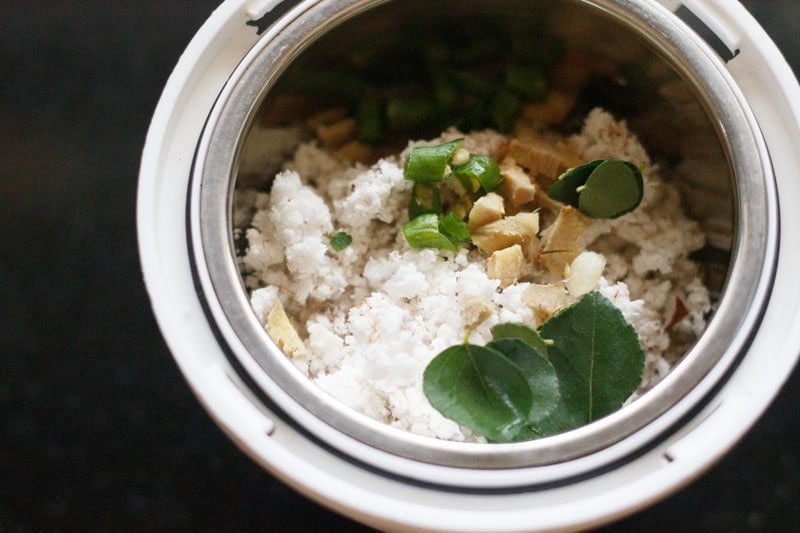
- Extraction: Combine fresh coconut, green chilies, ginger, garlic, and curry leaves in a high-shear grinder.
- Hydration: Add 4–5 tablespoons of filtered water. The goal is a smooth, pourable emulsion.
- Thermal Processing (The Tadka): Heat oil to approximately 180°C. Introduce mustard and cumin seeds until the point of dehiscence (crackling).
- Aromatic Infusion: Add dried red chilies and asafoetida. Flash-fry curry leaves until the moisture is removed and they become crisp.
- Integration: Pour the hot lipid-spice mixture over the cold coconut base. This creates a temperature contrast that enhances the olfactory experience.
- Service: Serve immediately to capitalize on the volatile aromatics released during the tempering process.
