

Main Facts: The Intersection of Convenience and Gourmet Flair
In the contemporary landscape of home patisserie, few flavors have achieved the cult status of Lotus Biscoff. Originally a humble spiced shortcrust biscuit served alongside coffee in Belgian cafes, the "Speculoos" flavor profile has evolved into a global culinary phenomenon. At the forefront of this trend is the No-Bake Biscoff Cheesecake—a dessert that marries the sophisticated, caramelized notes of traditional European biscuits with the accessible, labor-saving techniques of modern refrigeration-based cooking.

The recipe in focus represents a significant shift in home baking priorities: the move toward "stable" desserts that require no chemical setting agents like gelatin. By utilizing a precise ratio of high-fat cream cheese to aerated whipped cream, this cheesecake achieves a structural integrity that allows for "neat slices" while maintaining a melt-in-the-mouth texture. This specific iteration of the Biscoff Cheesecake is designed for a 5-inch detachable pan, emphasizing the trend toward "micro-baking" and artisanal, small-batch consumption.

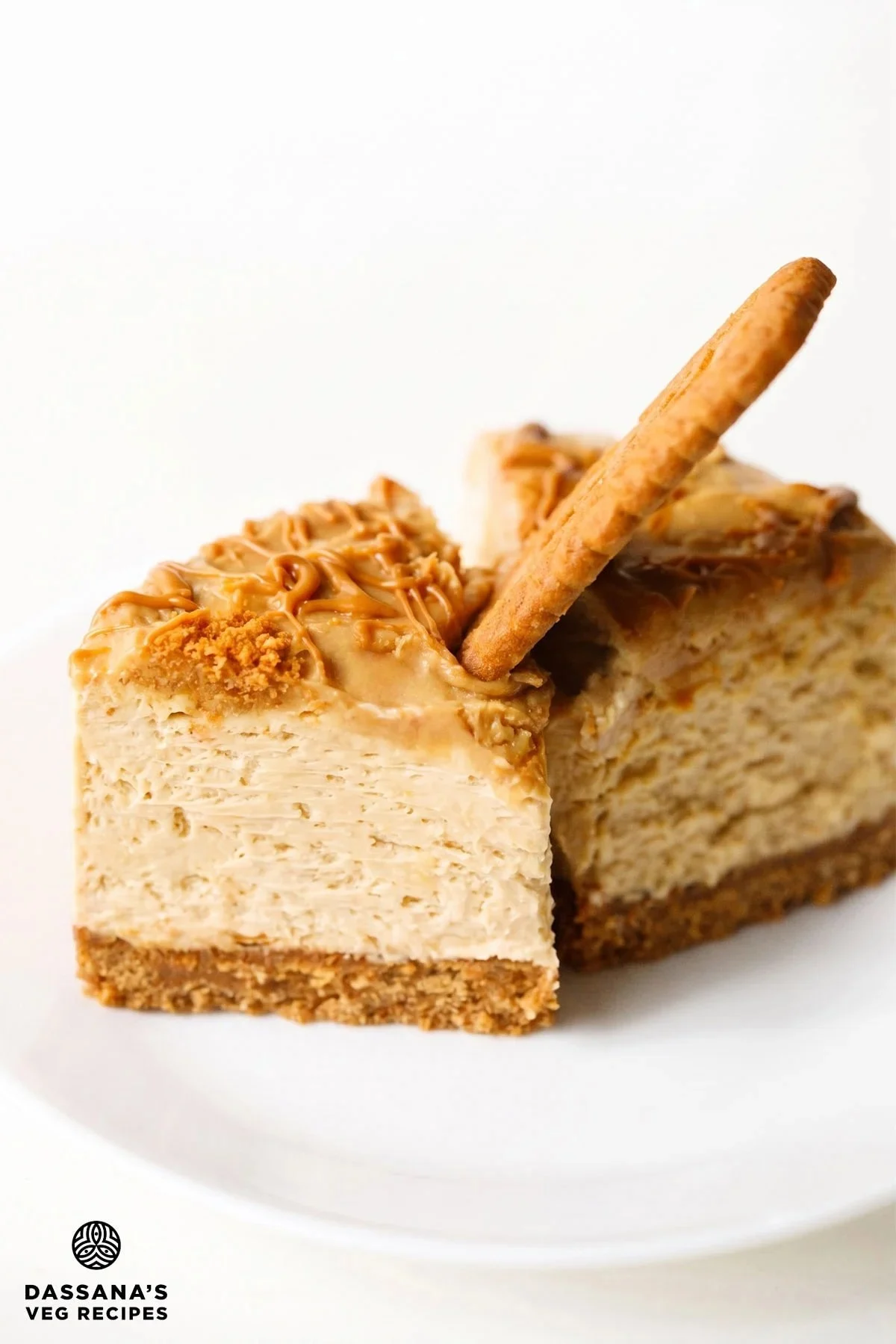
Key attributes of this culinary preparation include a buttery Biscoff biscuit crust and a dual-textured filling that incorporates Biscoff spread directly into the dairy base. The absence of an oven-baking stage not only reduces the risk of common cheesecake pitfalls—such as surface cracking or overcooking—but also aligns with the growing consumer demand for "make-ahead" entertaining solutions.

Chronology: The Anatomy of a Modern Dessert
The creation of a No-Bake Biscoff Cheesecake is a multi-stage chronological process that requires patience over heat. The timeline of production is divided into four distinct phases: the structural foundation, the aeration of the filling, the stabilization period, and the aesthetic finish.

Phase I: Constructing the Speculoos Foundation
The process begins with the mechanical breakdown of 125 grams of Lotus Biscoff Classic biscuits. Unlike traditional graham cracker crusts, Biscoff biscuits contain a unique blend of cinnamon and candy sugar syrup, which provides a deeper, more complex base. These are pulverized into fine crumbs and bound with 40 grams of melted butter. The chronology of this stage is vital; the base must be pressed firmly into a lined 5-inch pan and chilled for a minimum of 20 to 30 minutes. This ensures that the lipids in the butter solidify, creating a moisture-resistant barrier for the creamy filling to follow.

Phase II: Emulsification and Aeration
The heart of the cheesecake is developed through two parallel processes. First, 200 grams of softened cream cheese are beaten with 40 grams of powdered sugar and vanilla extract until a smooth emulsion is formed. Simultaneously, 150 ml of cold whipping cream (minimum 35% fat) is whipped to stiff peaks. The integration of these two components is the most delicate step in the chronology. The whipped cream must be "folded" rather than stirred into the cream cheese to maintain the trapped air bubbles that provide the dessert’s lift. Finally, five tablespoons of Biscoff spread are incorporated, infusing the white dairy base with its signature amber hue and spiced aroma.

Phase III: The Maturation Period
Perhaps the most critical stage is the chilling. While the recipe notes that the cheesecake can set in 5 to 6 hours, culinary experts and the recipe creator, Dassana, strongly recommend an overnight rest. This extended period allows the proteins in the cream cheese to bond effectively with the fats in the cream, resulting in a "stable yet creamy" finish that can withstand room temperature during serving.

Phase IV: Aesthetic Finalization
The final stage occurs just before service. The spread is melted—either via microwave or a warm water bath—to a pourable consistency and draped over the set surface. This creates a high-gloss finish that contrasts with the matte texture of the cheesecake body. The addition of crushed biscuit crumbs and whole cookies provides the necessary textural contrast, moving the dish from a simple "no-bake" project to a professional-grade centerpiece.

Supporting Data: The Science of Stability and Nutrition
The success of a no-bake cheesecake without gelatin relies entirely on the science of fat-based stabilization. The supporting data for this recipe highlights a meticulous balance of ingredients.

The Ratio of Stability
The recipe utilizes a higher proportion of cream cheese (200g) relative to the whipped cream (150ml). This 1.33:1 ratio is intentional. Cream cheese, particularly the full-fat variety, contains emulsifiers and stabilizers (such as locust bean gum in commercial brands) that, when chilled, provide the "snap" and structure usually provided by eggs in a baked version.

Nutritional Profile
A single serving of this Biscoff Cheesecake (based on a 6-serving yield) carries a significant caloric and macronutrient load:

- Calories: 482 kcal
- Total Fat: 37g (of which 19g is Saturated Fat)
- Carbohydrates: 34g (with 22g coming from Sugar)
- Cholesterol: 76mg
- Sodium: 254mg
The data indicates that while the dessert is a high-energy food, it also provides small amounts of essential minerals such as Calcium (51mg) and Vitamin A (984 IU), largely derived from the high-quality dairy components. The use of Biscoff spread adds to the monounsaturated fat count (7g), which is a characteristic of the plant-based oils used in the biscuit spread’s production.

Industry Context and Expert Perspectives
While there is no "official" regulatory body for cheesecakes, the culinary industry has seen a massive surge in "brand-integrated" recipes. Food industry analysts suggest that the rise of the Biscoff Cheesecake is a prime example of "Co-Branded Baking."

The "Speculoos" Market Trend
Lotus Bakeries, the manufacturer of Biscoff, has reported record-breaking growth over the last decade, largely driven by the expansion of their "Spread" line. Professional pastry chefs note that the spread acts as a unique ingredient because it behaves like a nut butter but offers a nut-free, spiced flavor profile. This makes it an ideal "shortcut" ingredient for home bakers looking to achieve complex flavors with minimal effort.

Expert Opinion on the No-Bake Method
Culinary instructors often point to the no-bake method as a "bridge" for novice bakers. "The No-Bake Biscoff Cheesecake removes the barrier of temperature control," says one pastry consultant. "In a baked cheesecake, you are managing protein coagulation and the risk of the ‘water bath’ leaking. In this version, you are simply managing the physics of whipped fat. It is a more forgiving, yet equally sophisticated, result."

Implications: The Future of Home Entertaining
The popularity of this recipe has broader implications for the future of domestic food preparation and social media food culture.

The "Instagrammability" Factor
The visual appeal of the Biscoff Cheesecake—with its clean, layered lines and the dramatic "drip" of the melted spread—is perfectly suited for the digital age. The recipe’s emphasis on "neat slices" and "marble patterns" reflects a shift where the aesthetic value of a dish is considered as important as its flavor. This has led to a democratization of food styling, where home cooks can produce "viral-ready" content from their own kitchens.

The Shift Toward "Premium Convenience"
This recipe sits at the intersection of "from-scratch" cooking and "convenience" assembly. By using pre-made biscuits and spreads, the baker is essentially "curating" high-quality components into a new form. This mirrors a larger trend in the grocery industry toward premium convenience products that allow consumers to feel like "creators" without requiring the technical skills of a traditional pâtissier.

Small-Batch Sustainability
The choice of a 5-inch pan is a direct response to the changing demographics of the modern household. With more single or two-person households, the traditional 9-inch "family size" cheesecake often leads to food waste. Small-batch recipes like this one allow for indulgence without the burden of excessive leftovers, aligning with a more sustainable approach to dessert consumption.

Conclusion: A Masterclass in Simplicity
The No-Bake Biscoff Cheesecake is more than just a viral food trend; it is a refined example of how modern ingredients can simplify complex culinary traditions. By leveraging the unique properties of Lotus Biscoff biscuits and spread, and combining them with a scientifically sound dairy base, the recipe offers a reliable path to a gourmet result. Whether it is the ease of the "make-ahead" timeline or the rich, caramelized flavor profile that mimics hours of sugar-work, this dessert has earned its place as a staple of the contemporary kitchen. As home baking continues to evolve, the Biscoff Cheesecake remains a benchmark for what can be achieved when convenience is paired with high-quality, artisanal flavors.
