

New Delhi | June 21, 2026, 11:00 PM IST
In the relentless pursuit of a healthier physique, dietary choices often become the focal point of an individual’s weight loss journey. Even the most seemingly minor adjustments to one’s diet can significantly impact the delicate balance of calorie intake and expenditure, either propelling individuals towards their goals or inadvertently hindering their progress. This universal concern recently took center stage on the popular online forum Quora, where a health-conscious individual posed a critical question: Is plain flour or multigrain flour the superior choice for weight loss?
This query, resonating deeply with a broad spectrum of individuals navigating similar health aspirations, necessitates a comprehensive examination. To shed light on this common dietary dilemma, we sought the expertise of a leading nutrition professional.
The Expert Perspective: Decoding the Nutritional Nuances
Dr. Garima Tiwari, Head of Clinical Nutrition & Dietetics at ShardaCare-Healthcity, offers a nuanced perspective on the matter. "Regular whole wheat atta and multigrain atta can both be considered healthy options when it comes to weight loss," Dr. Tiwari explains. "However, the key difference lies in their composition."
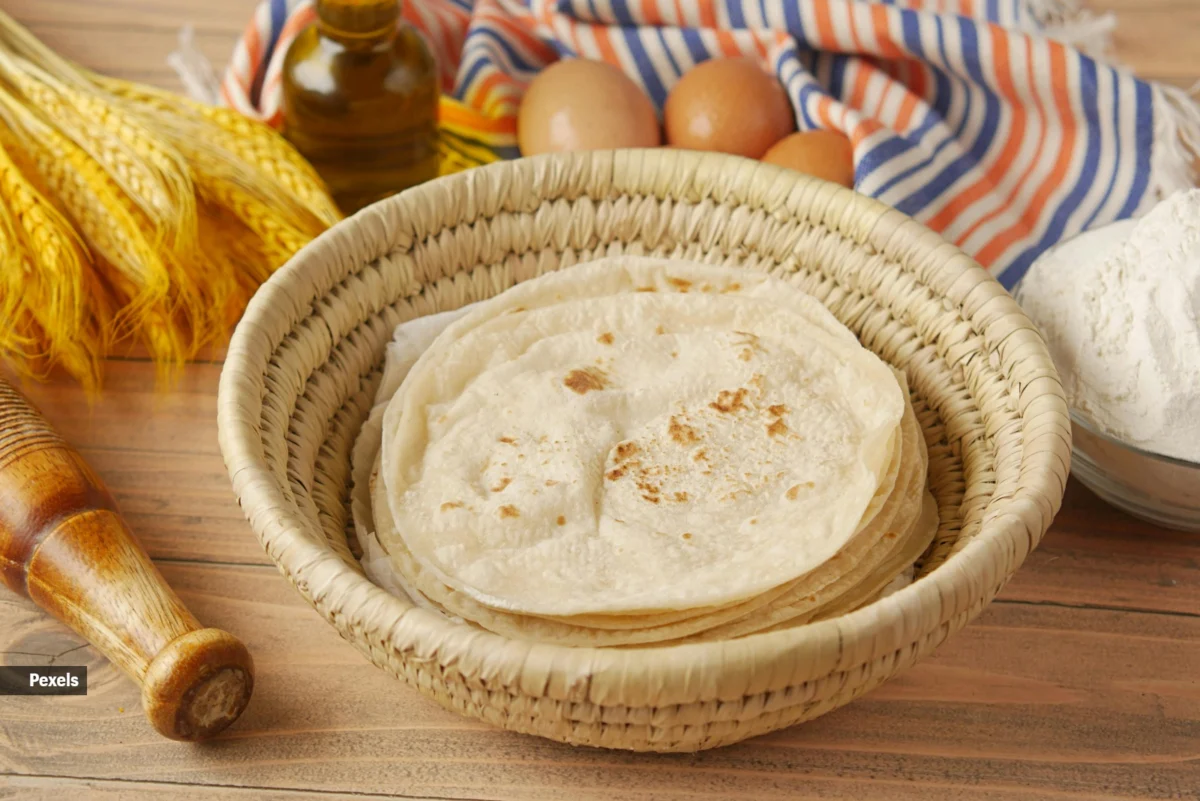
Whole wheat atta, the staple in many Indian households, is derived from ground whole wheat kernels. This inherently includes the bran and germ, which are rich sources of dietary fiber. This fiber content is crucial for weight management as it promotes satiety, making individuals feel fuller for longer and potentially reducing overall calorie consumption.
Multigrain atta, on the other hand, is a blend of various grains. This typically includes a combination of wheat with other nutrient-dense grains such as oats, barley, ragi (finger millet), and jowar (sorghum). "These additional grains can offer a slightly higher fiber content and a broader spectrum of micronutrients," Dr. Tiwari elaborates. "This enhanced nutritional profile can be beneficial for improving digestion and effectively managing hunger pangs."
DISCLAIMER: This article is based on information from the public domain and expert insights. It is imperative to consult with a qualified healthcare practitioner before implementing any significant dietary changes or routines.
Beyond the Label: The Crucial Role of Processing and Quality
While the inclusion of diverse grains in multigrain flour sounds inherently superior, Dr. Tiwari cautions that the benefits are not always straightforward. "The advantages of multigrain atta can be significantly diminished if the flour is heavily processed or if the proportion of actual mixed grains is minimal," she states.
This is a critical point of consideration for consumers. Many commercially available multigrain flours may, in reality, be predominantly refined wheat with only a token addition of other grains. In such instances, the nutritional distinction between these "multigrain" products and standard whole wheat atta becomes negligible.
Is Multigrain Flour Truly the Weight Loss Panacea?
The prevailing perception often positions multigrain flour as a direct pathway to weight loss. However, Dr. Tiwari clarifies this common misconception. "Multigrain atta is frequently marketed as a healthier alternative, but it is important to understand that it is not a magic bullet for weight loss," she asserts.
While the increased fiber content can contribute to a feeling of fullness and aid in appetite control, it does not, in itself, directly cause a reduction in body weight. The perception that multigrain flour exclusively leads to weight loss is, according to Dr. Tiwari, more of a popular belief than a scientifically established fact.
The quality and processing of multigrain flour are paramount. If a product is heavily processed, the integrity of the beneficial compounds in the added grains may be compromised. Furthermore, if the blend contains a disproportionately small amount of actual mixed grains, its nutritional superiority over standard whole wheat atta will be minimal.
"A significant portion of packaged multigrain flours contain only a few added grains, with refined wheat remaining the primary ingredient," Dr. Tiwari observes. "Under these circumstances, the difference between such a product and regular atta is quite subtle. Moreover, even a genuinely healthy flour can contribute to excessive calorie intake if consumed in large quantities."
The Bigger Picture: Lifestyle Factors Trump Flour Type
The conversation around flour choice, while relevant, often overshadows more influential factors in the weight loss equation. Dr. Tiwari emphasizes that lifestyle choices play a far more dominant role. "While the selection of atta is a factor to consider, other aspects of one’s lifestyle are considerably more impactful on weight loss outcomes," she states.
The most critical determinant of weight management is the quantity of food consumed. Even the healthiest of foods, when eaten in excess, can lead to weight gain. Therefore, controlling portion sizes is of paramount importance. "It is crucial to regulate the number of rotis consumed at each meal," Dr. Tiwari advises.
Beyond portion control, several other lifestyle elements are integral to successful weight loss:
- Fiber Intake: A diet rich in fiber from various sources (vegetables, fruits, whole grains, legumes) is essential for satiety, digestive health, and blood sugar regulation.
- Low-Glycemic-Index (GI) Foods: Foods with a low glycemic index are digested and absorbed more slowly, leading to a gradual rise in blood sugar levels. This helps maintain stable energy levels and reduces cravings, making it easier to stick to a calorie-controlled diet.
- Regular Physical Activity: Consistent exercise is vital for burning calories, building muscle mass (which boosts metabolism), and improving overall health.
- Balanced Diet: A well-rounded diet that includes adequate amounts of protein, healthy fats, and essential micronutrients is crucial for overall well-being and supports the body’s metabolic processes. Protein, in particular, is known for its satiating properties and role in muscle repair and growth. Healthy fats are important for hormone production and nutrient absorption.
"The glycemic index of foods influences the rate at which your blood sugar levels rise," Dr. Tiwari explains. "Opting for low GI foods is beneficial for maintaining consistent energy levels and curbing cravings, which are often a major hurdle in weight loss efforts."
Ultimately, the journey to achieving and maintaining a healthy weight is not solely determined by the choice between plain flour and multigrain flour. It is a multifaceted endeavor that hinges on mindful eating habits, a balanced dietary approach, and an active lifestyle. The specific type of flour plays a supporting role, but it is the overarching lifestyle choices that truly dictate the success of a weight loss plan.
DISCLAIMER: This article is based on information from the public domain and expert insights. It is imperative to consult with a qualified healthcare practitioner before implementing any significant dietary changes or routines.
