

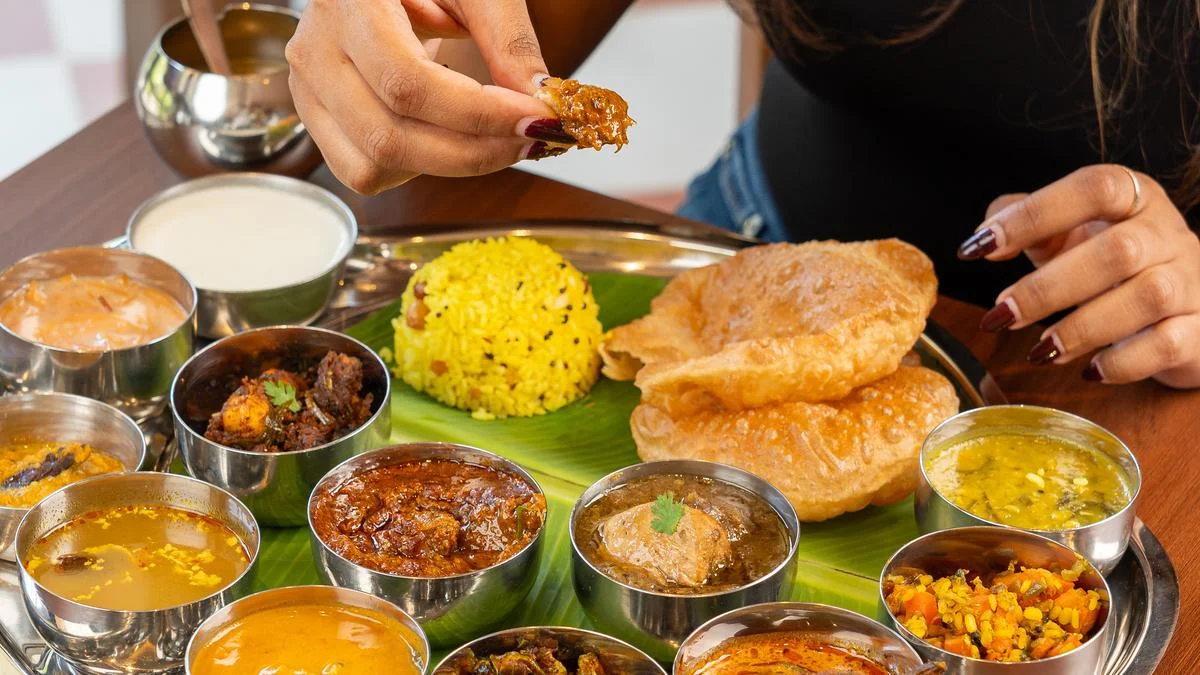
HYDERABAD – For decades, the narrative of Hyderabad’s culinary landscape was written in the aromatic steam of long-grain Basmati rice and the pungent spice of slow-cooked meat. To the outsider, and indeed to many residents, the city was synonymous with one dish: the Hyderabadi Dum Biryani. However, a quiet but potent revolution is brewing in the kitchens of the City of Pearls. A new wave of restaurateurs, chefs, and home-grown culinary archivists is successfully dismantling the "one-dish identity" of the city, ushering in a sophisticated era of regional Telugu cuisine that prioritizes hyper-locality, seasonal ingredients, and ancestral techniques.
Main Facts: The Diversification of the Hyderabadi Palate
The contemporary food scene in Hyderabad is undergoing a tectonic shift. While the iconic biryani remains a staple, it no longer holds a monopoly over the city’s gastronomic conversation. A burgeoning "Telugu-forward" movement is reclaiming the spotlight, bringing sub-regional specialties from Telangana, Andhra, and Rayalaseema into high-end dining rooms and chic urban cafes.
The new culinary lexicon of the city now includes dishes that were once confined to the private dining tables of Telugu households. From the earthy thotakura liver fry (amaranth and liver stir-fry) to the tangy nimmakayya guddu bonda (lemon-infused egg fritters) and the robust seena roast (brisket/rib roast), the variety on offer is staggering.
This shift is characterized by three primary trends:
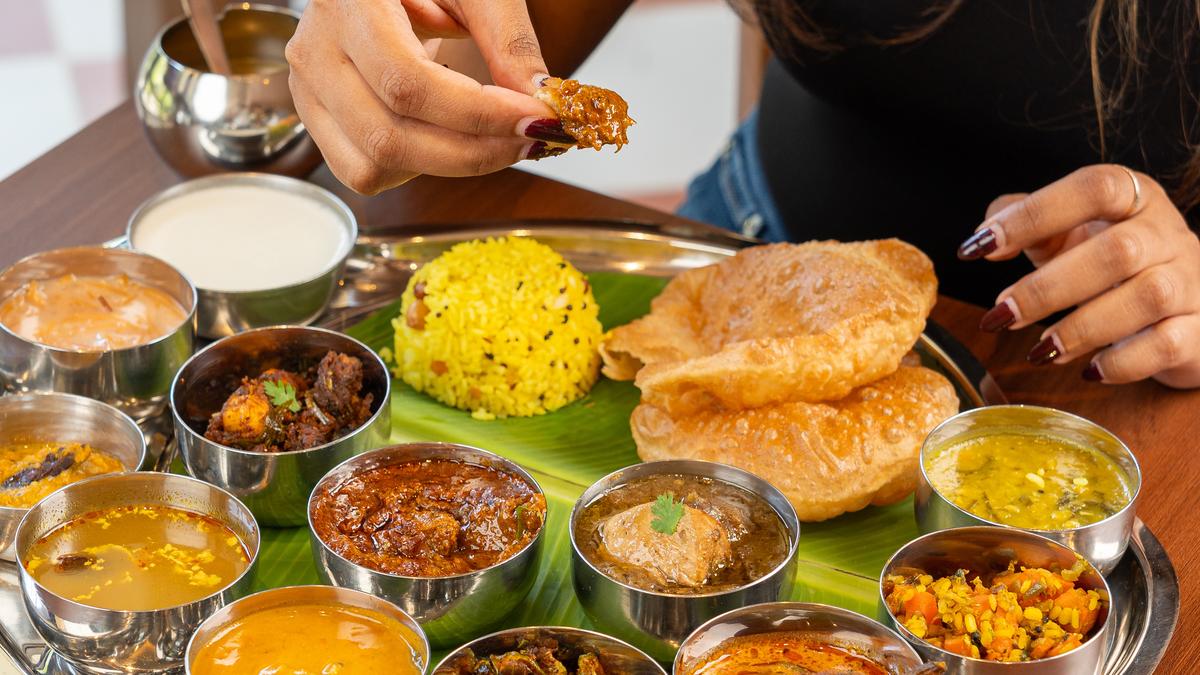
- The Rise of Hyper-locality: Restaurants are no longer serving a generic "South Indian" or even a generic "Telugu" menu. They are focusing on micro-regions like Karimnagar, Bheemavaram, Warangal, and the Godavari belt.
- Elevated Presentation: Traditional staples like pappu (dal) and pacchadis (chutneys) are being served with fine-dining finesse, often as part of curated tasting menus or as standalone stars in a multi-course meal.
- The Decline of "Multicuisine" Dominance: There is a growing confidence among restaurateurs that Telugu cuisine is diverse enough to stand on its own, without the need for the safety net of Indo-Chinese or North Indian "butter chicken" staples.
Chronology: From Legacy Establishments to the Neo-Telugu Wave
To understand the current boom, one must look at the timeline of Hyderabad’s commercial food evolution.
The Foundational Years (1980s – 2000s):
In 1985, Venugopal Reddy founded Hotel Indu Deluxe, a landmark that would become a cornerstone for authentic regional flavors. For nearly four decades, such establishments served as the bedrock of the community, catering to those who sought the "taste of home." During this period, the commercial market was dominated by Irani cafes and Biryani houses, while regional Telugu food was largely relegated to "mess-style" eateries or domestic settings.
The Transition Period (2010s):
As Hyderabad’s IT sector boomed, the city saw an influx of global cuisines. However, this also sparked a sense of nostalgia among the local population. Establishments like Spicy Venue began to bridge the gap, introducing traditional combinations like muddapappu avakaya annam (plain dal with mango pickle and rice) to a wider, younger audience.
The Renaissance (2020 – Present):
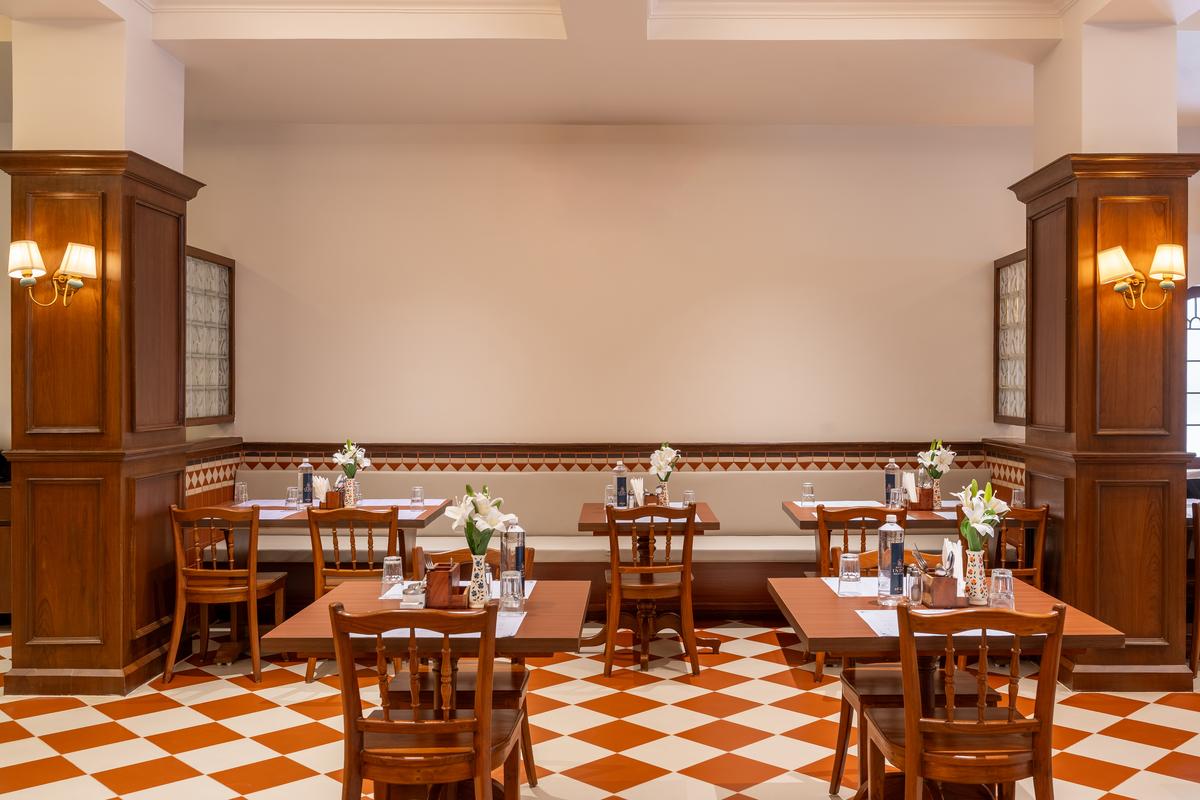
The post-pandemic era has seen an explosion of "Neo-Telugu" restaurants. In a significant move, Rohit Reddy, the current manager of Hotel Indu Deluxe, expanded the 40-year-old brand to the upscale neighborhood of Banjara Hills. This period also saw the rise of specialized venues like Coffee Sangam, Terrai, Theta Theta Telugu, and Telugu Medium Kitchen & Bar, each pushing the boundaries of how regional food is perceived and consumed.
Supporting Data: Mapping the Sub-Regional Nuances
The complexity of Telugu cuisine lies in its geographical diversity. Current restaurant menus are meticulously documenting these differences:
1. The Telangana Influence
Telangana cuisine is known for its use of millets (jowar and bajra) and its rustic, spicy profiles. Restaurants like Terrai – Neo Telangana Kitchen & Bar are foregrounding this heritage. Key dishes gaining popularity include:
- Golichina Mamsam: A fiery, fried lamb dish.
- Karimnagar Wings: A local take on fried chicken using regional spices.
- Dappalam: A tangy, vegetable-rich stew that serves as a precursor to more commercial sambars.
2. The Andhra and Godavari Belt
This region is defined by its access to coastline and fertile lands. The flavors are characterized by a balance of high heat and sharp tartness.
- Chepala Pulusu: A tamarind-based fish curry, often served in stone pots to maintain heat and flavor.
- Pulaos: Unlike the long-grain Basmati used in biryani, these pulaos often use short-grain aromatic rice like Chitti Mutyalu, paired with meats in a more integrated, moist preparation.
3. Uttar Andhra Specialities
A relatively unexplored segment that is now finding its way to the city via home chefs like Sowjanya Narsipuram. This cuisine utilizes pulses, beans, and mustard powder as a garnish, offering a milder but deeply layered flavor profile compared to the fiery Rayalaseema dishes. Examples include matki pappu and guna charu (made with semi-ripe jackfruit).

Official Responses: Insights from the Industry Leaders
The architects of this culinary shift emphasize that the move toward regionality is driven by a desire for authenticity and a recognition of the cuisine’s inherent value.
Rohit Reddy (Hotel Indu Deluxe):
"Everyone is inquisitive about Telugu cuisine," Reddy notes. "Our cuisine has so much to offer that we don’t need a multicuisine menu. Our cooks are from Bheemavaram, Warangal, West Godavari, and Rajahmundry. There is no need to borrow dishes from elsewhere." This "no-compromise" approach signifies a shift in confidence among local owners.
Sampath Tummala (Spicy Venue & Theta Theta Telugu):
Tummala highlights the importance of the dining experience itself. "There has to be a distinction between a rushed lunch and one you plan to celebrate. Telugu food was long identified with the thali, but now it’s time for individual dishes to shine." By serving chepala pulusu in bubbling stone pots, Tummala is elevating the sensory experience of traditional eating.
Chef Vignesh Ramachandran (Coffee Sangam):
Ramachandran is bringing regional comfort to the "cafe culture" demographic. "We all crave that roadside dahi puri but hold back over hygiene… When you compare our regional cuisine with Western offerings, the variety and flavor give us an edge." His menu includes items like mokka jonna dahi puri (corn dahi puri), proving that Telugu flavors can adapt to modern formats.

Gopi Bylapula (Culinary Lounge):
Bylapula takes a broader, more global view. "Showcasing regional food can drive cultural and culinary tourism while preserving intangible heritage. In 2025, UNESCO inscribed Italian cuisine… Telugu cuisine, too, must aim for global recognition, given its depth and centuries-old techniques."
Implications: Cultural Tourism and the Global "Telugu" Brand
The implications of this shift extend far beyond the plate.
1. Culinary Tourism
As Hyderabad diversifies its food offerings, it is positioning itself as a destination for serious gastronomes. The focus on regions like Rayalaseema or the Godavari delta allows the city to act as a gateway to the broader cultural history of the Deccan.
2. Economic Empowerment of Home Chefs and Artisans
The appetite for "hyper-locality" has created a market for home chefs who specialize in niche sub-regional recipes. This democratizes the food industry, allowing traditional knowledge holders to compete with large-scale commercial establishments. It also supports the local supply chain for indigenous ingredients like Gongura, Avakaya, and various short-grain rice varieties.
3. Redefining "Comfort Food"
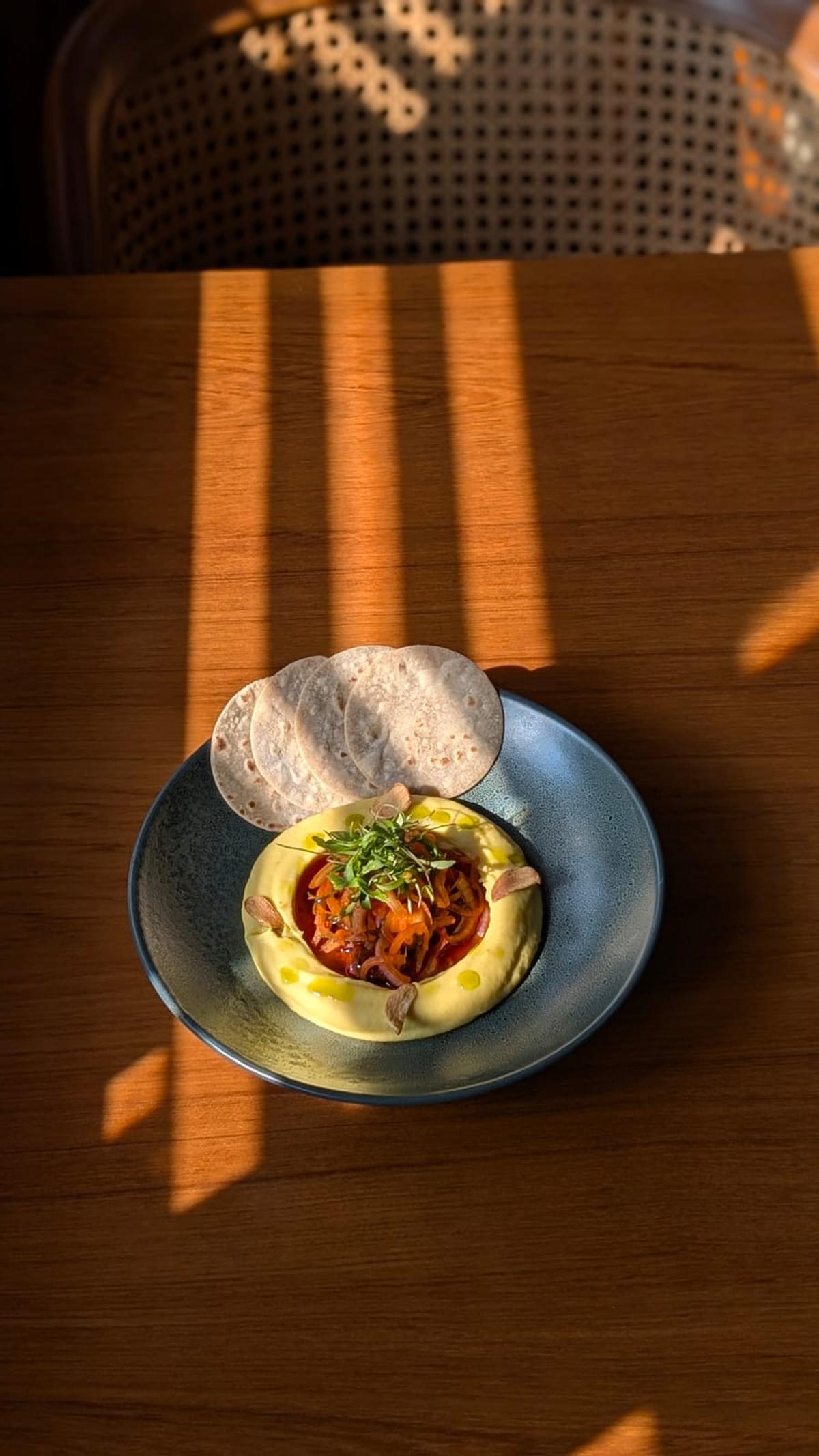
For the local population, the rise of these restaurants represents a "welcome reset," as described by industry observers like Ankita Choudhary. The "overkill of kebabs" is being replaced by textured, vegetable-forward, and complex meat preparations like mamsam ghee roast and gutti vankaya pulao. This suggests a return to roots for a generation that grew up on globalized fast food.
4. Global Recognition
The ultimate goal, as voiced by Gopi Bylapula, is to elevate Telugu cuisine to the level of global heritage. By documenting recipes, refining presentation, and focusing on the "biocultural diversity" of the region, Hyderabad is preparing Telugu cuisine for the world stage. The transition from a "Biryani City" to a "Culinary Capital" is not just about changing menus—it is about reclaiming a cultural identity that is as old as the land itself.
In conclusion, Hyderabad’s dining tables are widening. While the biryani will always have a place of honor, it is now part of a much larger, more colorful, and infinitely more flavorful family of dishes. The city has finally realized that its greatest culinary strength lies not in a single dish, but in the thousands of recipes that have simmered in its regional kitchens for centuries.
