

The Indian motorcycling landscape has undergone a seismic shift over the last decade. What was once a market obsessed with fuel-efficient commuters and chrome-laden cruisers has transformed into a playground for adventure seekers. Today, the adventure motorcycle (ADV) segment is the most fiercely contested arena in the country. Riders are no longer satisfied with bikes that only excel in one dimension; they demand machines capable of handling the chaotic daily commute, cruising effortlessly at triple-digit speeds on the national highways, and tackling technical off-road trails when the weekend beckons.
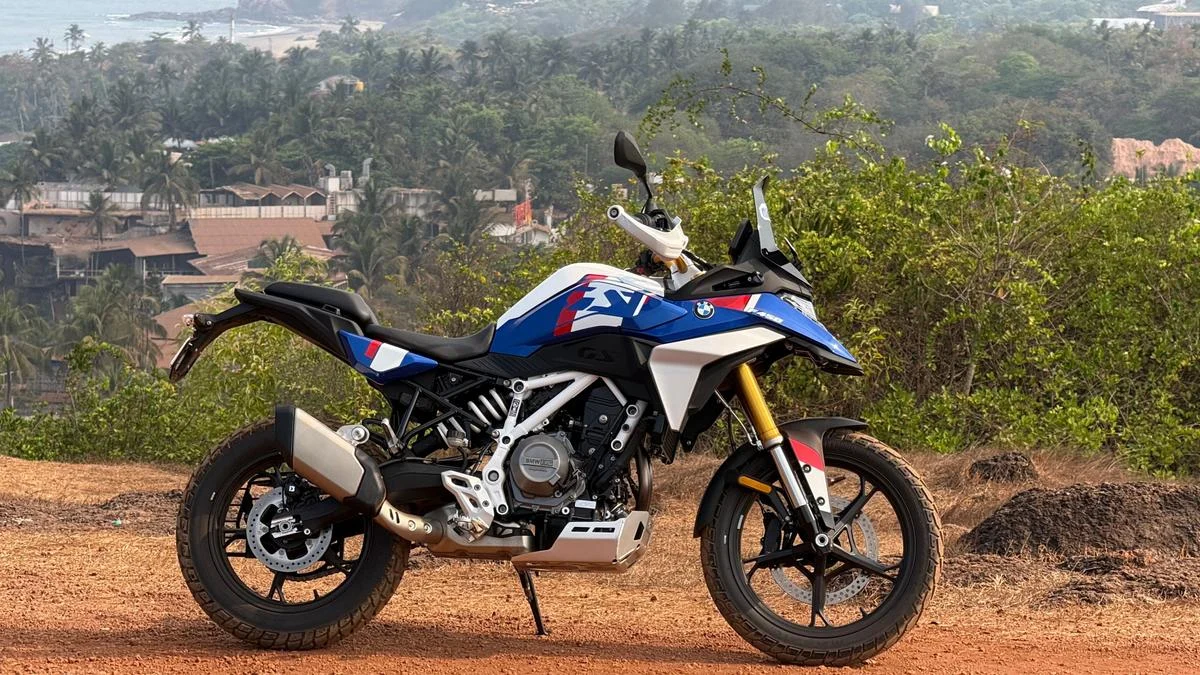
Into this high-stakes environment steps the BMW F 450 GS. Developed by BMW Motorrad, this machine isn’t just another entry into the mid-capacity segment; it is a calculated attempt to distill the legendary "GS" DNA into a package that is accessible, technologically advanced, and tailored for the evolving Indian enthusiast. Following an extensive test ride through the winding coastal roads of Goa and the punishing terrain of the Vagator hilltop, it is evident that BMW has created a motorcycle that understands its mission with surgical precision.
Main Facts: The Entry of a New Contender
The BMW F 450 GS arrives at a time when the 400cc to 500cc segment is considered the "Goldilocks" zone of Indian motorcycling—offering enough power for any Indian road condition without the intimidating weight and cost of liter-class machines.
The motorcycle is powered by a newly developed 420 cc parallel-twin engine, a departure from the single-cylinder architecture found in the smaller G 310 GS. This engine produces a healthy 48 hp and 43 Nm of torque, placing it squarely at the top of its class in terms of performance-to-weight ratios.
BMW Motorrad India has positioned the F 450 GS as a premium offering, with a three-tier pricing structure:
- Base Variant: ₹4,70,000
- Exclusive Variant: ₹4,90,000
- GS Trophy Variant: ₹5,30,000 (featuring the iconic racing livery and off-road focused enhancements)
While these prices place it at a premium over competitors like the Royal Enfield Himalayan 450 or the KTM 390 Adventure, the F 450 GS justifies its sticker price through a level of refinement and electronic sophistication previously unseen in this displacement category.
Chronology: From the Streets of Goa to Vagator’s Heights
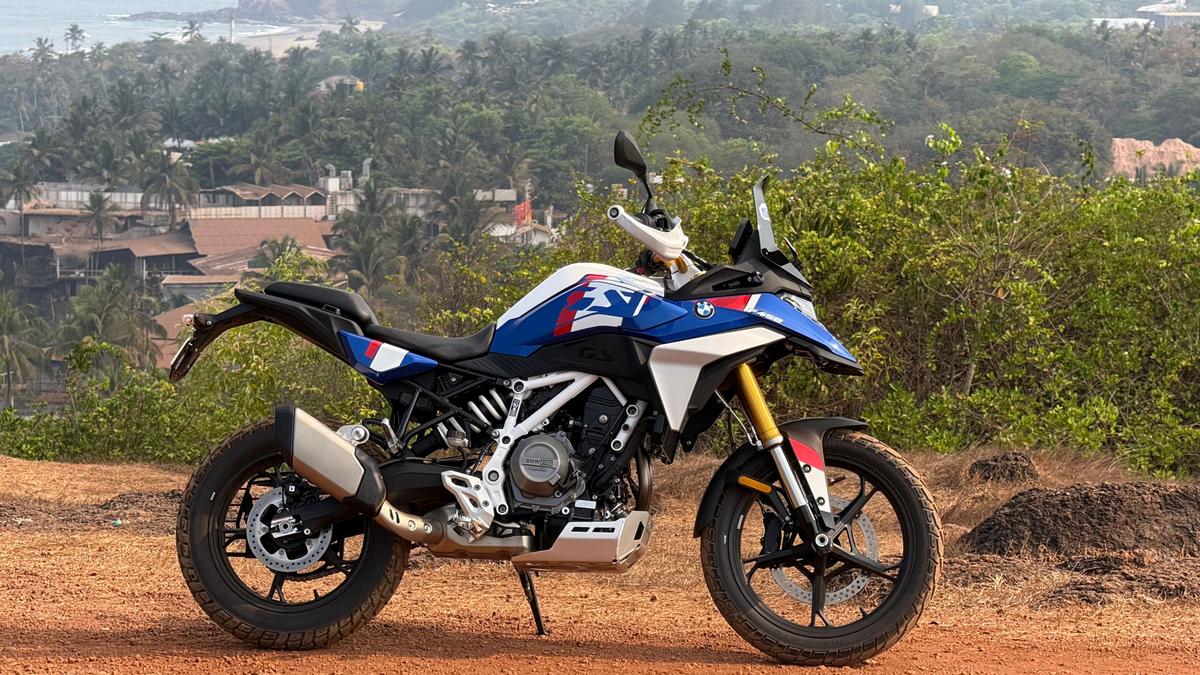
The evaluation of the F 450 GS began in the humid, picturesque environment of North Goa. To truly understand a "GS," one must experience its versatility across changing environments.
The First Impression: Design and Ergonomics
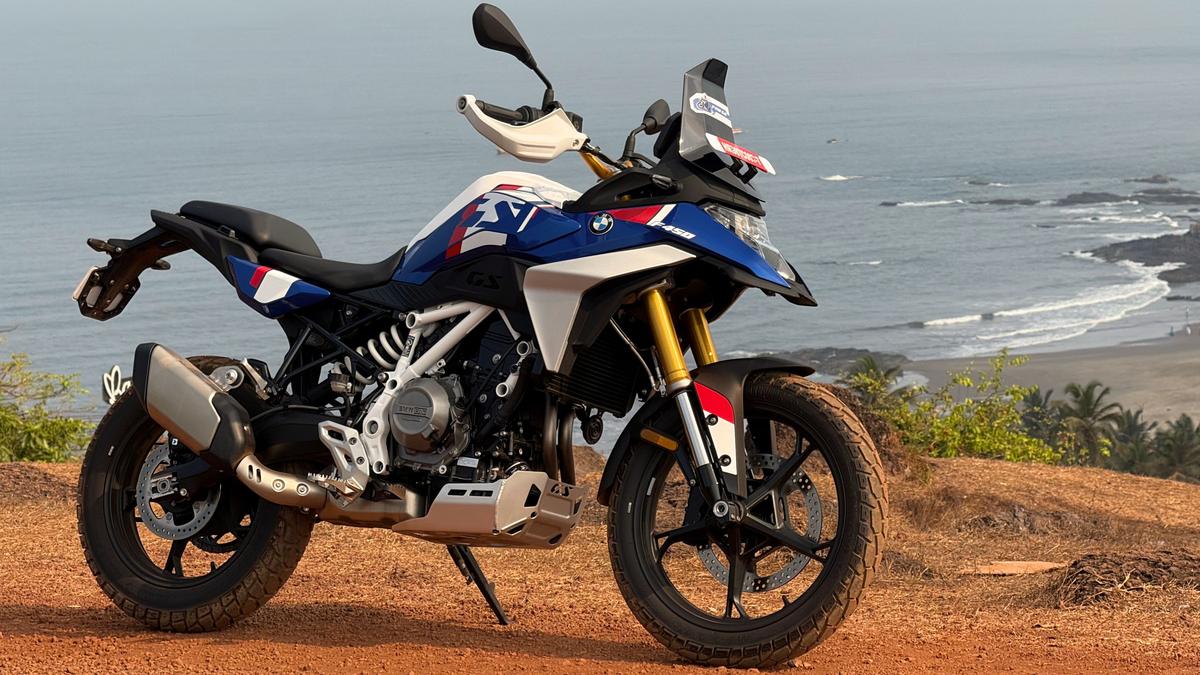
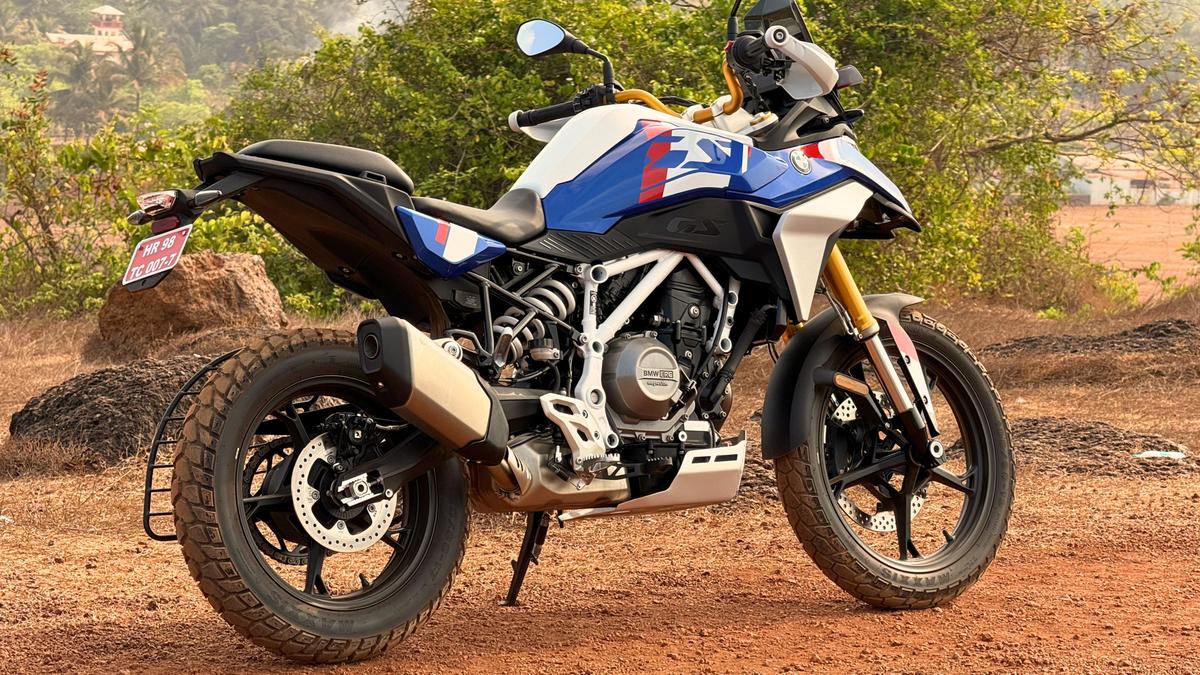
Approaching the F 450 GS, the visual lineage is unmistakable. It features the signature "beak" front mudguard, an asymmetrical LED headlight cluster, and a muscular stance that mimics its larger sibling, the R 1300 GS. However, BMW has succeeded in wrapping these cues in a compact frame. It lacks the overwhelming bulk of a 1250cc machine, making it immediately approachable.
Upon swinging a leg over the saddle, the ergonomics reveal a "commanding" posture. The rider sits upright, with the handlebars reaching back naturally. However, the 845 mm seat height is a factor that cannot be ignored. For the average Indian rider, this height requires a degree of confidence, particularly when navigating stop-and-go traffic or uneven surfaces where a firm footing is required.
The Road Experience: Refinement Defined
As the journey moved from the narrow lanes of Panjim to the open stretches of the highway, the 420cc parallel-twin engine began to showcase its character. Unlike many singles that feel buzzy at high RPMs, the F 450 GS utilizes a 135° crankshaft. This engineering choice is pivotal; it provides a distinctive exhaust note and, more importantly, cancels out the high-frequency vibrations that typically plague mid-size twins.
Even at speeds exceeding 110 km/h, the handlebars and footpegs remained eerily calm. The power delivery is linear, with a robust low-end torque that allows the rider to pull away in higher gears without the engine "knocking." This tractability makes it an exceptional tool for urban environments where constant gear changes are usually the norm.
The Off-Road Test: Vagator Hilltop
The true test of an ADV lies in the dirt. At the Vagator hilltop, a location known for its loose shale, steep inclines, and technical ruts, the F 450 GS transitioned from a civilised tourer to a rugged explorer.
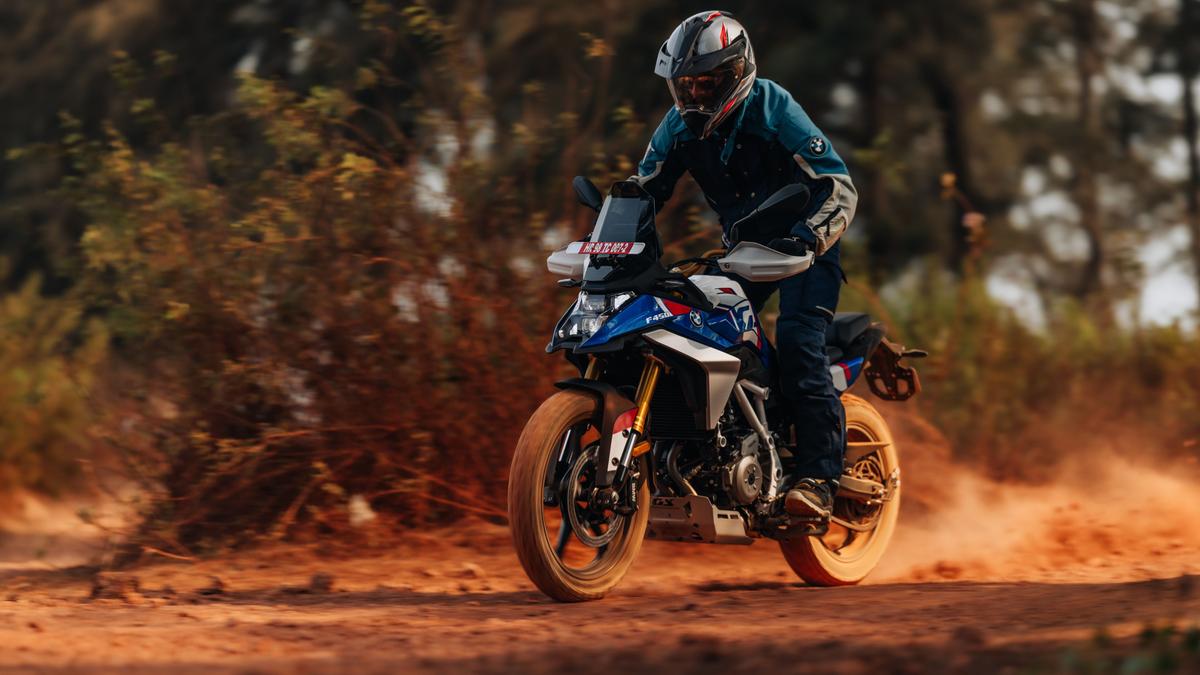
By engaging "Enduro Pro" mode, the motorcycle’s electronic brain recalibrates. The traction control is dialed back to allow for rear-wheel slip, and the ABS on the rear wheel is deactivated. Standing on the pegs, the bike feels narrow between the knees, allowing for easy weight shifting. The suspension—comprising 43mm USD forks and a rear monoshock with progressive damping—soaked up the harsh impacts of the Vagator terrain without bottoming out or unsettling the rider.
Supporting Data: Technical Specifications and Innovations
The BMW F 450 GS is a showcase of "trickle-down" technology. Features that were once reserved for the flagship GS models have found their way into this mid-capacity machine.
The Easy Ride Clutch (ERC) and Shift Assistant Pro
Perhaps the most discussed feature of the F 450 GS is the Easy Ride Clutch. This system allows for "clutchless" starts and stops. While it is not a fully automatic transmission (like a CVT), it removes the need for the rider to modulate the clutch lever in slow-moving traffic. When paired with the Shift Assistant Pro (a bi-directional quickshifter), the rider can navigate through all six gears without ever touching the left-hand lever.
Technical Data Points:
- Engine: 420cc, Parallel-Twin, Liquid-Cooled.
- Crankshaft: 135-degree offset for vibration management.
- Output: 48 hp @ 8,500 rpm / 43 Nm @ 6,750 rpm.
- Fuel Efficiency: Tested at 26–27 km/l under mixed riding conditions.
- Display: 6.5-inch full-color TFT with BMW Motorrad Connectivity.
- Safety: Cornering ABS, Dynamic Traction Control (DTC), and multiple riding modes (Rain, Road, Enduro, Enduro Pro).
Suspension and Braking
The hardware is equally impressive. The front suspension offers 190mm of travel, while the rear provides 170mm. This balance ensures that the bike remains "planted" on the tarmac while having enough "legs" for moderate off-roading. The braking duties are handled by a large single disc at the front with Brembo-derived calipers, providing a sharp initial bite and consistent feel even under heavy load.
Market Context and Official Responses
While BMW Motorrad officials have remained tight-lipped about specific sales targets, the strategy is clear: they are targeting the "upgrader." This is the rider who started on a 150cc or 250cc motorcycle, moved to a 400cc single, and is now looking for the prestige and refinement of a twin-cylinder European machine.
In the Indian market, the F 450 GS faces competition from two sides:
- The Value Competitors: The Royal Enfield Himalayan 450 and KTM 390 Adventure offer significant capability at a much lower price point (approx. ₹2.8L to ₹3.6L).
- The Displacement Competitors: The Honda NX500 offers a twin-cylinder experience but lacks the off-road credentials and electronic suite of the BMW.
BMW’s response to this competitive pressure is its "Premium Experience." The company is betting that the Indian consumer is willing to pay a 30-40% premium for the GS badge, the superior build quality, and the advanced safety electronics like the ERC and Enduro Pro modes.
Implications: What the F 450 GS Means for the Indian Rider
The arrival of the BMW F 450 GS signals a maturing of the Indian motorcycle market. It proves that there is a sustainable demand for high-end engineering in smaller packages.
Democratizing the "GS" Lifestyle
For years, the "GS" lifestyle was gatekept by the high cost and intimidating size of the R 1200/1250/1300 series. The F 450 GS democratizes this experience. It allows a novice rider to enter the BMW ecosystem with a bike that is easy to handle, yet provides enough performance to satisfy them for years. It is a "forever bike" for many—a machine that can do the office run on Monday and cross a mountain pass on Saturday.
Heat Management and Practicality
A critical implication for the Indian context is heat management. During the Goa test ride, despite the slow speeds and high ambient temperatures, the F 450 GS managed its thermal load exceptionally well. The radiator fans are tuned to push hot air away from the rider’s legs—a small detail that becomes a major factor during a summer tour in India.
The Learning Curve of Technology
However, the inclusion of systems like the ERC and the complex TFT menus suggests that riders will need to invest time in "learning" their motorcycle. The shift from traditional mechanical interfaces to software-driven riding experiences is a hurdle for some purists, but it is the inevitable future of the industry.
Conclusion: A New Standard
The BMW F 450 GS is not merely a motorcycle; it is a statement of intent. BMW Motorrad has successfully bridged the gap between their entry-level 310 series and their heavy-weight boxers. By focusing on refinement, usable power, and approachable technology, they have created a machine that feels "authentically GS."
While the price point may be a deterrent for some, those who value the lack of vibrations, the safety of advanced electronics, and the prestige of the brand will find the F 450 GS to be in a league of its own. It is a highly capable, unintimidating, and premium tool that is perfectly suited for the diverse and demanding landscape of India. As the mid-capacity ADV segment continues to grow, the F 450 GS stands as the new benchmark against which all others will be measured.
