

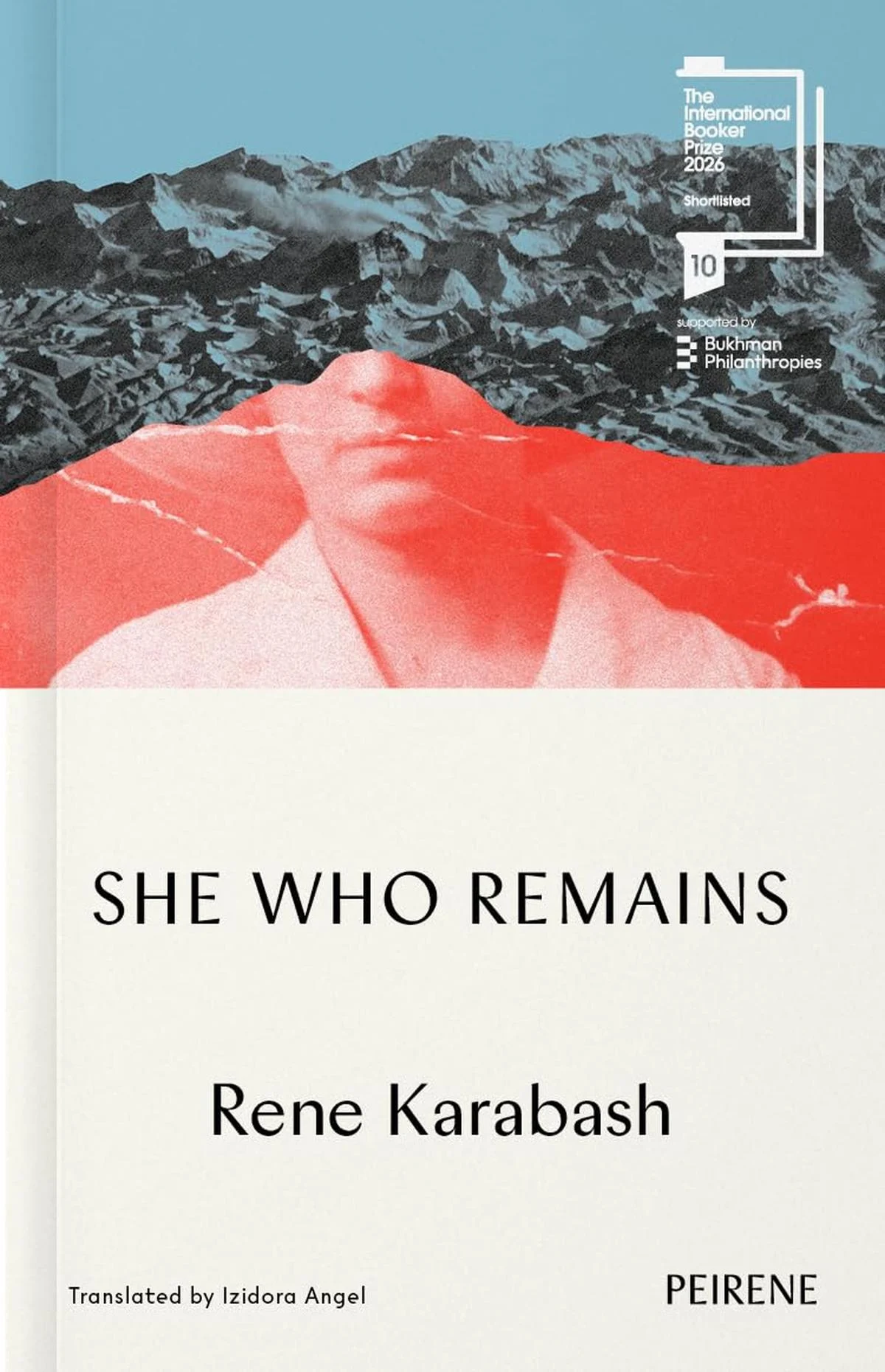
The rugged highlands of the Balkan Peninsula have long been governed by codes of honor that predate modern judicial systems. Among the most enduring and enigmatic of these is the Kanun of Lekë Dukagjini, a set of customary laws that has dictated the social, familial, and judicial life of northern Albania for centuries. While the Kanun is often associated with the grim tradition of blood feuds, it also contains a unique provision for gender transgression: the tradition of the "sworn virgin" (burrnesha). This practice, where a woman takes a lifelong vow of chastity to live, dress, and work as a man, serves as the haunting centerpiece of Rene Karabash’s novel She Who Remains.
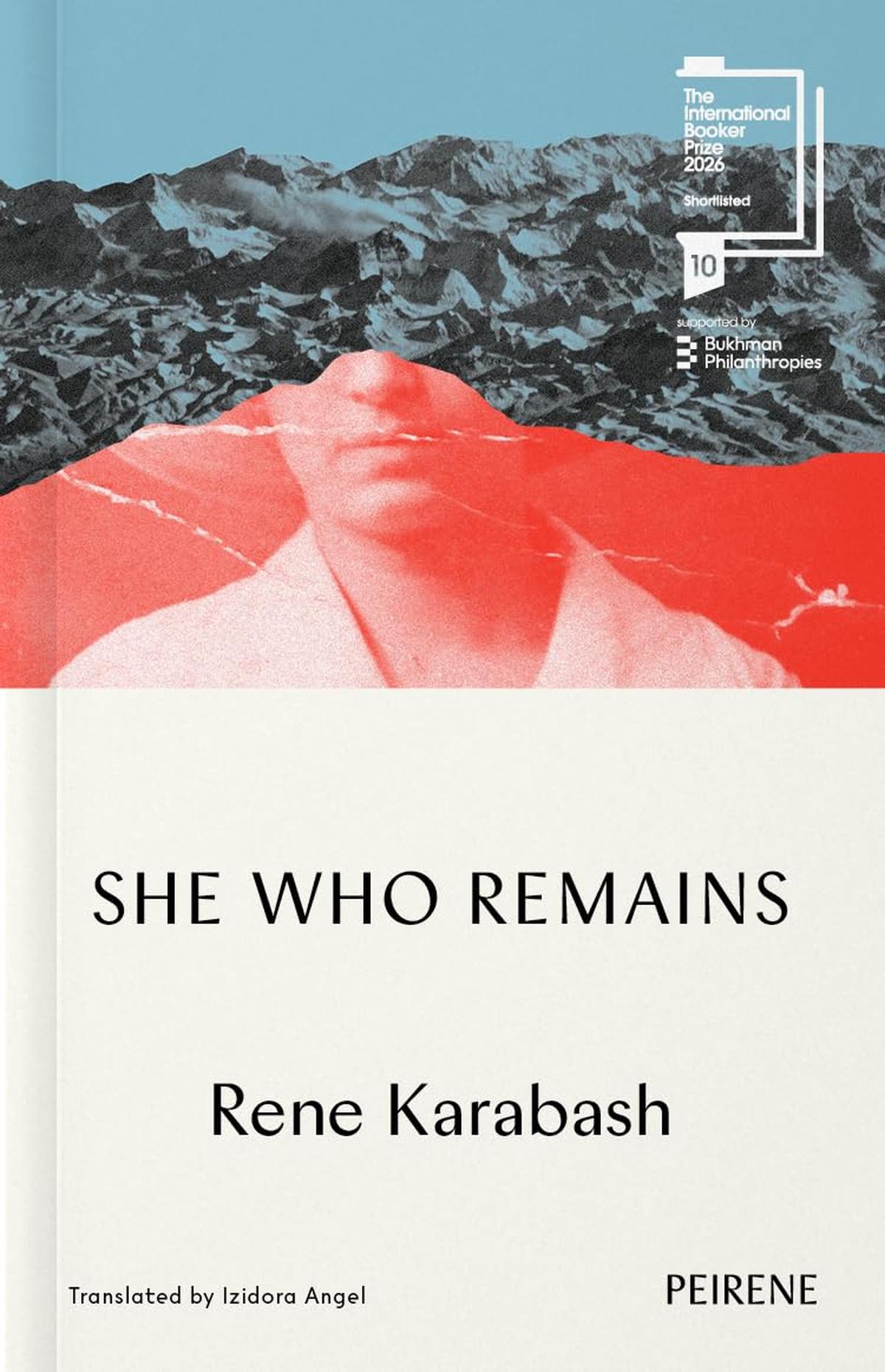
Shortlisted for the International Booker Prize, She Who Remains—originally written in Bulgarian and masterfully translated into English by Izidora Angel—is more than a mere ethnographic study. It is a "fever-dream" of a narrative that explores the intersection of ancient law and individual identity. Through the character of Matija (formerly Bekija), Karabash interrogates the nature of freedom, the weight of patriarchal expectations, and the fluid boundaries of gender in a society where the binary is enforced by the threat of death.
Main Facts: The Tradition of the Sworn Virgin and the Novel’s Genesis
The phenomenon of the sworn virgin is a social role born of necessity within a strictly patriarchal framework. Under the Kanun, women are traditionally viewed as property, excluded from inheritance, and barred from many public social roles. However, by taking a vow of chastity before village elders, a woman can "become" a man. This social transition grants her the right to carry a gun, own property, lead a household, and sit among men in communal gatherings.
For many, the choice was never about internal gender identity in the modern Western sense, but rather a strategic move to secure social autonomy. As Rene Karabash illustrates in her novel, the oath is often taken to avoid a forced marriage or to provide a male head for a family that has lost its men to blood feuds.
Karabash, a Bulgarian writer and actor, was inspired to pen this story after encountering a photo exhibition in Sofia by Pepa Hristova, which documented the lives of the remaining sworn virgins in Albania. The resulting novel, She Who Remains, is a linguistic feat. Translated by Izidora Angel, the prose eschews traditional punctuation, creating a stream-of-consciousness flow that mirrors the "liminality" of its protagonist’s existence.
Chronology: From Bekija to Matija
The narrative of She Who Remains is structured as a two-part revelation, moving through the life of its protagonist with a circularity that defies linear time.
The Origin of a Shadow
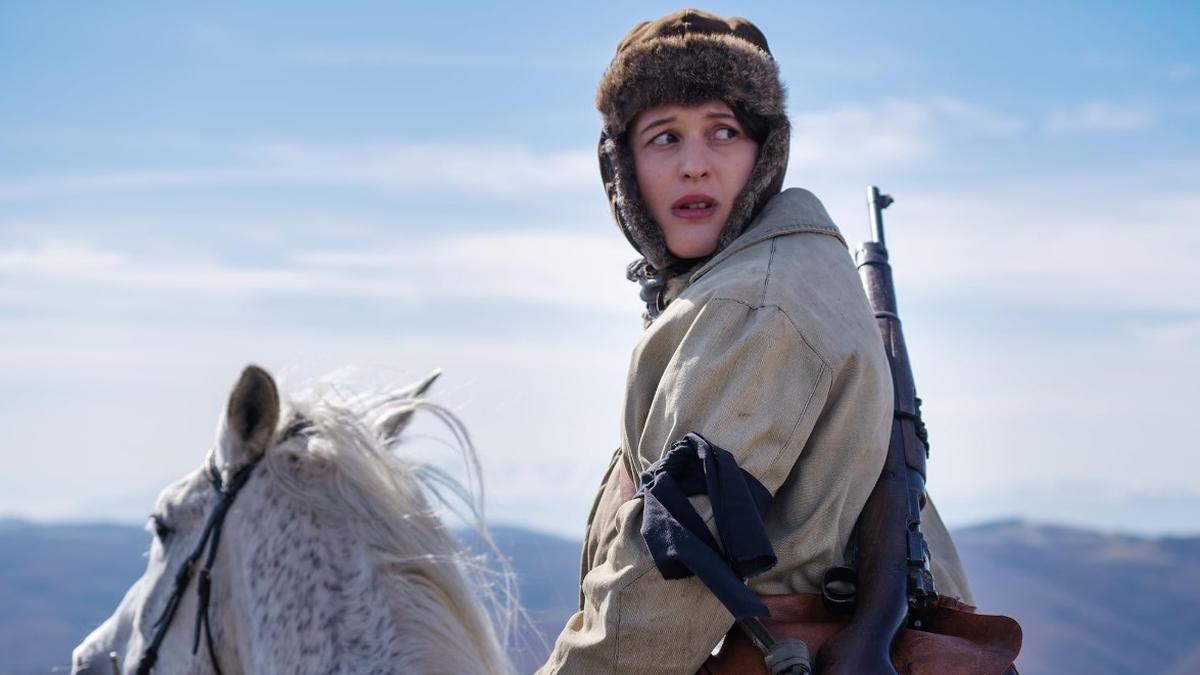
The story begins with a family defined by disappointment. Murash, the patriarch, desperately desires a son to carry on his name. When his wife becomes pregnant with twins, the hope for a male heir reaches a fever pitch. However, tragedy strikes: the male twin does not survive. The girl, Bekija, survives, seemingly aware from the womb of her father’s preference. In an attempt to fill the void, Bekija grows up attempting to be her "daddy’s boy."
The dynamic shifts a year later with the birth of a son, Sále. Yet, Sále represents a different kind of failure in Murash’s eyes. He rejects the hyper-masculine expectations of the Kanun, preferring dance and aesthetic expression over the rigid roles of the mountain society. This creates a fracture in the family: a daughter who yearns to be the son her father wanted, and a son who refuses the role entirely.
The Bullet and the Oath
The crisis of the novel is precipitated by an arranged marriage. Bekija is betrothed to Nemanja, a union she does not desire. In the world of the Kanun, a bride’s "purity" is paramount. Tradition dictates that a bullet be placed in the bride’s marriage trousseau—a literal and metaphorical threat. If the bride is found not to be a virgin on her wedding night, her husband is authorized to use that bullet to kill her, a "dishonor" that her own family is expected to endorse.
Faced with the choice between a forced marriage (which she views as a funeral) and death, Bekija chooses a third path. She takes the chastity oath, socially transitioning into Matija. By becoming a man, she dissolves the marriage contract, but the "dishonor" to the groom’s family remains. Under the blood feud laws, the groom’s family can seek revenge against the father or the son. With Sále having fled to Sofia to escape the patriarchy, the consequences of Bekija’s choice fall heavily upon the household.
The Retrospective Gaze
The latter half of the novel finds an older Matija recounting her life to a character known as "Mrs. Journalist." This framing device allows the novel to explore how an outsider’s gaze—represented by the journalist—can either distort or illuminate a culture’s private tragedies. Through this dialogue, the novel moves backward and forward around the pivotal incident of the oath, questioning whether Matija’s transition was an act of birth or a slow death of the self.
Supporting Data: The Cultural Context of the Kanun
The Kanun of Lekë Dukagjini is not merely a historical relic; it is a living document that continues to influence social structures in rural Albania, Kosovo, and Montenegro.
- Social Hierarchy: Traditionally, the Kanun dictates that "a woman is a sack, made to endure." She has no rights of inheritance.
- The Sworn Virgin (Burrnesha): Anthropologists estimate that while the practice is dying out, there are still a few dozen sworn virgins living in the Balkan highlands today.
- Blood Feuds (Gjakmarrja): The code provides a strict set of rules for "blood taking." If a family’s honor is insulted, they have the right to kill a male member of the offending family. This cycle can last for generations, often forcing men into "self-isolation" within their homes to avoid being killed.
In She Who Remains, Karabash uses these harsh realities to highlight the "precious metal" of freedom. For Matija, becoming a man is the only way to mine that freedom, even if the cost is the total erasure of her female identity and the possibility of romantic love.
Official Responses and Literary Significance
The reception of She Who Remains has been overwhelmingly positive, particularly regarding its ability to translate a very specific cultural phenomenon into a universal story of identity.
The International Booker Prize jury’s decision to shortlist the novel brought global attention to Bulgarian literature and the work of Izidora Angel. Critics have praised the "angelic voice" of the narration, noting that the absence of punctuation allows the reader to experience the protagonist’s internal world without the boundaries of traditional grammar—much like Matija lives without the boundaries of traditional gender.

Cultural critics have also noted the importance of the novel’s refusal to apply modern Western queer theory to the burrnesha tradition. While it is tempting to view Matija through the lens of transgender identity, Karabash remains faithful to the historical reality: for many sworn virgins, the transition was a social contract, not necessarily a reflection of internal gender dysphoria. By maintaining this nuance, the novel avoids "orientalizing" the Balkan experience for a Western audience.
Implications: The Nameless Nature of Love and Law
The novel concludes with a profound meditation on the constructs that govern human life. Karabash invites the reader to consider the Kanun not as an inevitable law of nature, but as a "construct"—a story that people collectively decided to believe in.
The implications of the novel reach far beyond the Albanian mountains:
- The Cost of Freedom: Matija’s journey suggests that in a restrictive society, freedom is never free; it is a trade-off. To gain the right to lead, she had to give up the right to love and be herself.
- The Fluidity of Truth: By shifting the narrative focus to Dhana—a woman described as "the one with the translucent skin"—in the second part, Karabash suggests that truth is subjective. Is Dhana an object of shame or a flower? The answer depends entirely on the beholder’s perspective.
- Language and Love: The novel poses a final, haunting question: If a love "cannot be called by its name," does it cease to be love? Karabash suggests that love exists in a pre-linguistic state, and the "codes" we use to define it—whether the Kanun or modern labels—are often inadequate to capture its essence.
She Who Remains stands as a masterpiece of contemporary literature, a haunting reminder that while laws may be written in stone or ink, the human spirit continues to navigate the "in-between transient states" of existence. Through Matija’s story, Rene Karabash has given a voice to those who chose to remain in the shadows of history, proving that even in the most rigid of systems, the quest for autonomy remains the most vital of human endeavors.
