

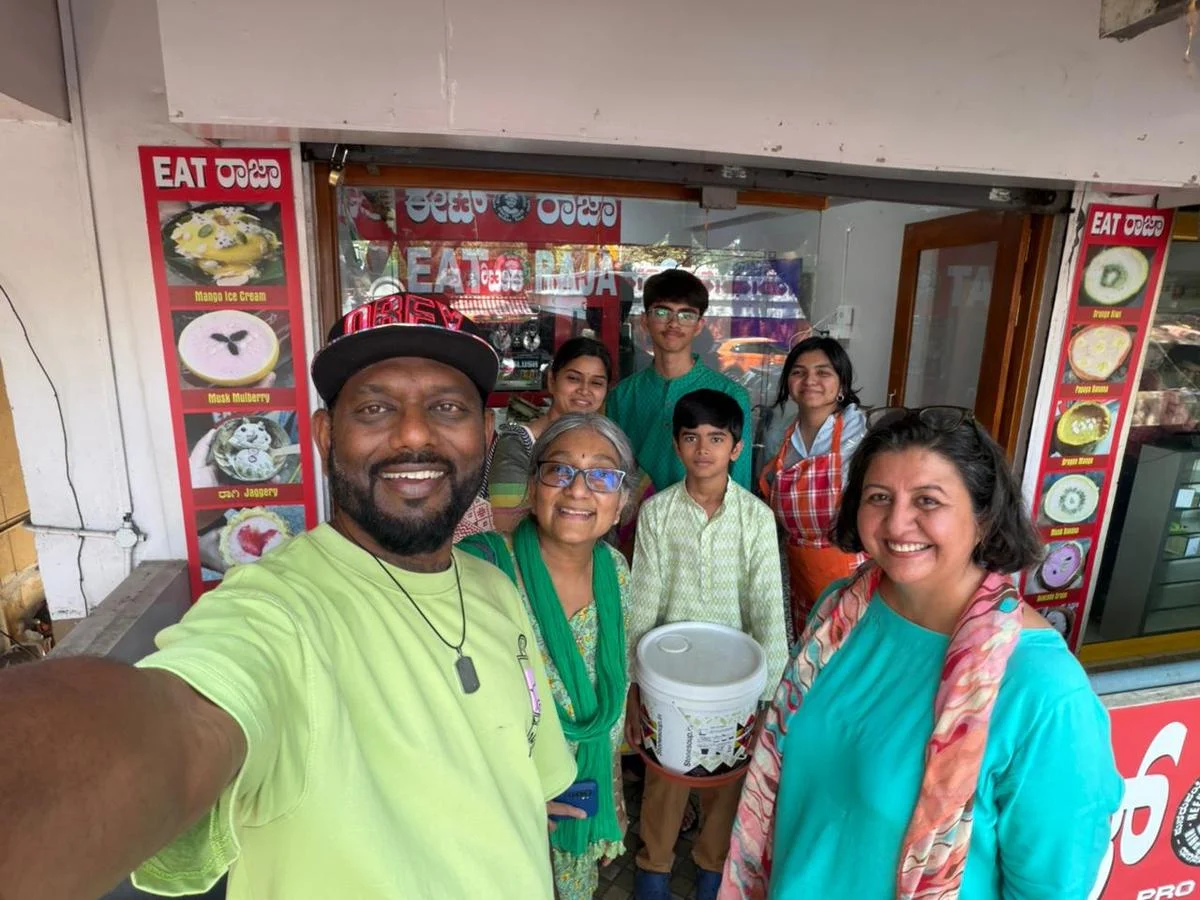
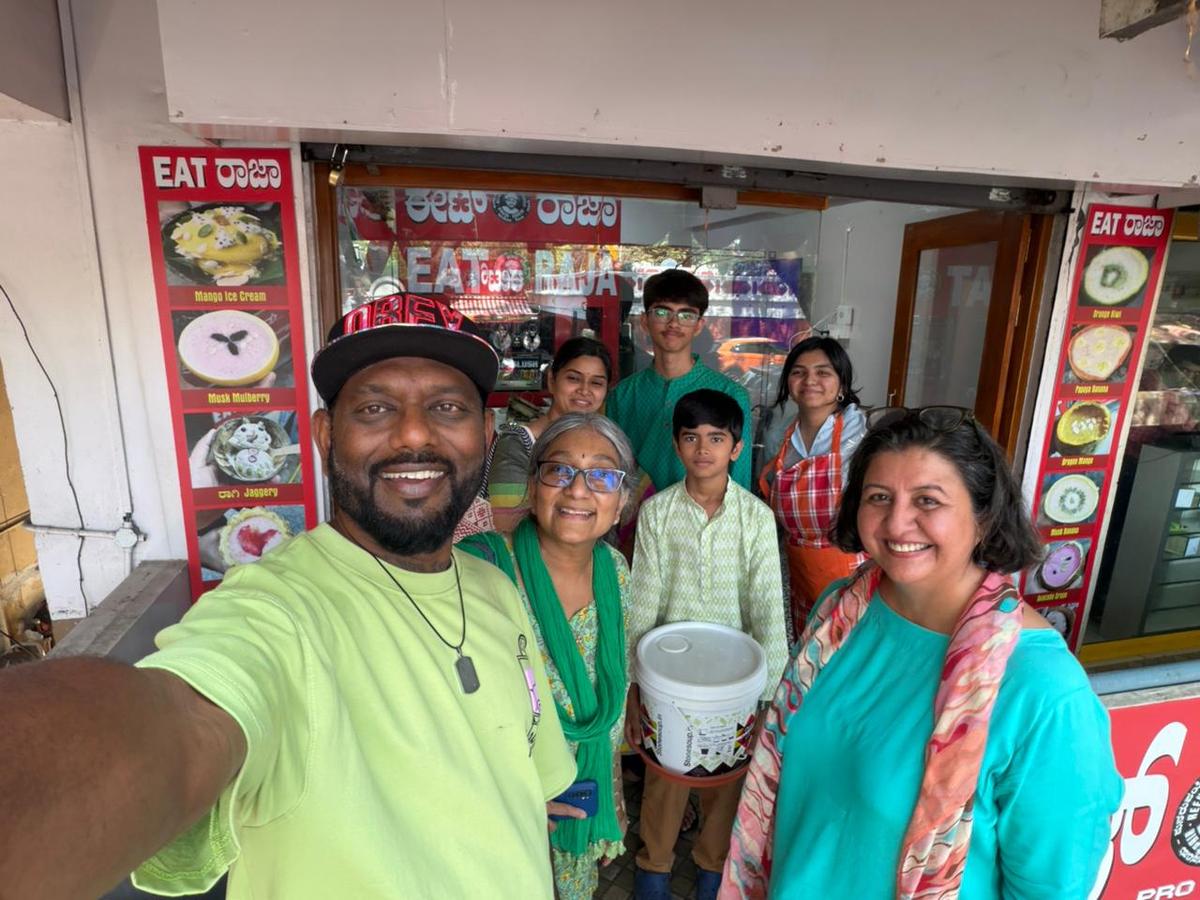
Bengaluru, India – In a city increasingly grappling with the environmental consequences of consumption, a quiet revolution is taking root in the kitchens of Bengaluru. Spearheaded by Anand Raja, the visionary behind the acclaimed zero-waste juice shop Eat Raja, and in collaboration with the dedicated volunteer group Beautiful Bharat, an initiative is emerging that promises to redefine our relationship with food waste. The upcoming event, "Kitchen Secrets," scheduled for May 9th, aims to demystify the art of transforming discarded kitchen scraps into culinary delights, offering a tangible solution to a pressing global challenge.
This groundbreaking event will unfold at Panchavati in Malleswaram, a historically significant bungalow and grounds that once served as the esteemed residence of Nobel Prize-winning physicist Sir C.V. Raman. The choice of venue itself speaks volumes, evoking a sense of intellectual curiosity and a legacy of groundbreaking discovery, now being channeled into a vital discourse on sustainability and resourcefulness.
The Philosophy of Zero Waste: Rethinking What We Discard
At the heart of Anand Raja’s mission lies a profound belief: that what we deem as "waste" is, in reality, a treasure trove of untapped potential. His pioneering juice shop, Eat Raja, has already garnered significant attention for its innovative approach, serving refreshing beverages not in disposable cups, but within the natural vessels of fruits and rinds themselves. This commitment to zero-waste principles is not merely a trend; it’s a deeply ingrained philosophy that underpins his every endeavor.
"We all talk about not wasting food," Raja articulated, his passion evident in his words. "But here, we are actively making waste into food. So many things that are commonly discarded, like the stalks of coriander leaves, are often thrown away without a second thought. What we aim to convey at Kitchen Secrets is simple: ‘think before you throw.’ The parts we carelessly discard are often more nutritious than the parts we consume."
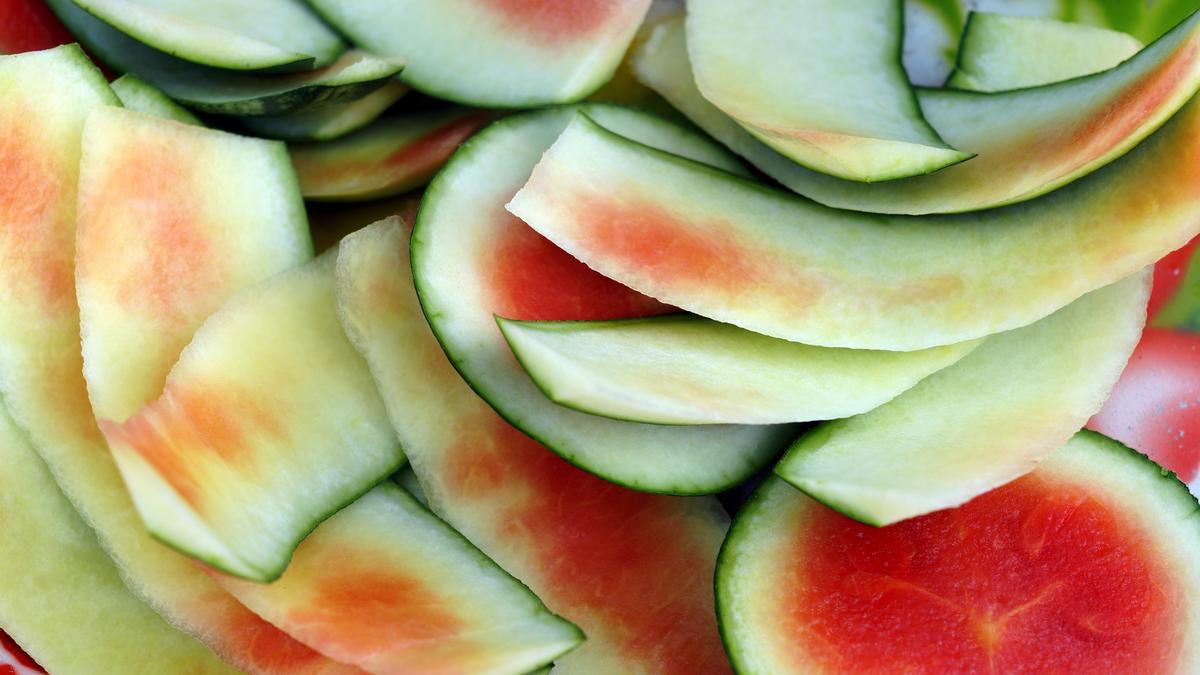
This ethos is set to be vividly demonstrated at the Kitchen Secrets event. Participants will be educated on the myriad possibilities hidden within everyday kitchen discards. Take, for instance, watermelon rinds. Traditionally relegated to the compost bin or landfill, these fibrous exteriors are poised to be transformed into delectable chutneys and crispy dosas. Similarly, musk melon seeds, often overlooked, will be showcased as the key ingredient in nutrient-rich milkshakes, offering a healthier and more sustainable alternative to conventional fruit-based beverages. Raja further revealed, "We will also demonstrate how to make protein laddus using the discard from ragi milk preparation. It’s about unlocking the inherent value in every component."
Environmental Imperatives: The Methane Menace and the Power of Reduction
The environmental ramifications of unchecked food waste are stark and undeniable. Odette Katrak, a key figure within the Beautiful Bharat volunteer group, eloquently highlighted the broader ecological significance of embracing such waste-reduction techniques. "If we all manage to reduce our wet waste by adopting these practices," Katrak explained, "the net positive impact on the environment will be substantial. When wet waste is bundled in plastic bags and discarded, it decomposes anaerobically, releasing methane gas. Methane is a potent greenhouse gas, far more damaging to our atmosphere than carbon dioxide in the short term, and it is a significant contributor to climate change."
The Kitchen Secrets event will not only educate attendees on practical applications but also foster a sense of community and shared responsibility. Participants are actively encouraged to bring their own zero-waste recipe dishes to the event. A special recognition will be bestowed upon the winner, who will be awarded a home composter, a tangible tool to further their sustainable living journey. This collaborative spirit underscores the belief that collective action, however small, can lead to significant environmental change.
A Tribute to Tradition: Honoring the Wisdom of Indian Mothers
The choice of Mother’s Day for hosting Kitchen Secrets is a poignant and deliberate one. It serves as a heartfelt tribute to the generations of Indian mothers who have, for centuries, embodied the principles of zero waste and sustainability in their kitchens, often out of necessity and ingrained wisdom. Their innate resourcefulness, their ability to stretch ingredients, and their inherent understanding of the value of every morsel are the very traditions that Raja and Beautiful Bharat seek to revive and celebrate in a modern context.
"Our mothers and grandmothers ran their kitchens with an innate understanding of sustainability," Raja remarked. "They would utilize every part of an ingredient, compost what little was left, and never waste food. We are trying to bring back that conscious approach, to educate a new generation about the wisdom that has been passed down through generations."
Beyond the Kitchen: A Paradigm Shift Towards a Circular Economy
The implications of the Kitchen Secrets initiative extend far beyond the immediate act of culinary transformation. It represents a critical step towards fostering a circular economy, where resources are kept in use for as long as possible, extracting maximum value from them before recovering and regenerating products and materials at the end of their service life.

The conventional linear model of "take-make-dispose" has proven to be unsustainable, leading to overflowing landfills, resource depletion, and environmental degradation. By championing the concept of "waste-to-food," Raja and Beautiful Bharat are not just offering practical solutions; they are advocating for a fundamental shift in mindset. They are encouraging individuals to view their kitchens not as endpoints of consumption, but as dynamic ecosystems where every byproduct can be repurposed and reintegrated.
Supporting Data and the Growing Movement
The urgency of such initiatives is underscored by alarming statistics on food waste. Globally, it is estimated that one-third of all food produced for human consumption is lost or wasted each year. In India, the situation is particularly concerning, with a significant portion of this waste occurring at the household and retail levels. This not only represents a colossal economic loss but also a tragic squandering of resources like water, energy, and land that were used to produce that food.
The success of Eat Raja itself serves as compelling supporting data for the viability and appeal of zero-waste practices. The growing number of patrons who actively seek out and support businesses with a strong ethical and environmental stance demonstrates a burgeoning consumer consciousness. Events like Kitchen Secrets are crucial in amplifying this message and empowering more individuals to participate in the solution.
Official Responses and Future Implications
While specific official responses to this particular event were not detailed in the provided text, the broader discourse on waste management and sustainable urban living is gaining traction among civic bodies and government agencies in cities like Bengaluru. Initiatives promoting composting, waste segregation, and the development of waste-to-energy plants are increasingly being implemented.
However, the grassroots, community-driven approach championed by individuals like Anand Raja and organizations like Beautiful Bharat plays a vital role in complementing these larger efforts. By directly engaging with citizens, educating them on practical applications, and fostering a sense of personal responsibility, these initiatives can create a more profound and lasting impact.
The long-term implications of widespread adoption of such waste-reduction strategies are immense. It can lead to:
- Reduced landfill burden: Significantly decreasing the volume of waste sent to landfills, thereby mitigating associated environmental hazards like methane emissions and leachate contamination.
- Conservation of natural resources: Less food waste means less demand for the production of food, leading to reduced consumption of water, energy, and land.
- Economic benefits: Opportunities for new businesses and industries focused on upcycling and waste valorization.
- Enhanced food security: By reducing waste, more food can potentially be made available, contributing to food security.
- A healthier planet: A collective shift towards sustainable consumption patterns is crucial for combating climate change and preserving biodiversity.
As the Kitchen Secrets event approaches, it promises to be more than just a culinary workshop. It is an invitation to reimagine our kitchens, to embrace resourcefulness, and to become active participants in building a more sustainable and equitable future, one discarded rind and forgotten seed at a time. The legacy of Sir C.V. Raman, a pioneer in scientific inquiry, finds a fitting contemporary echo in this endeavor to unlock the hidden potential within the ordinary, transforming the mundane into the magnificent.
