

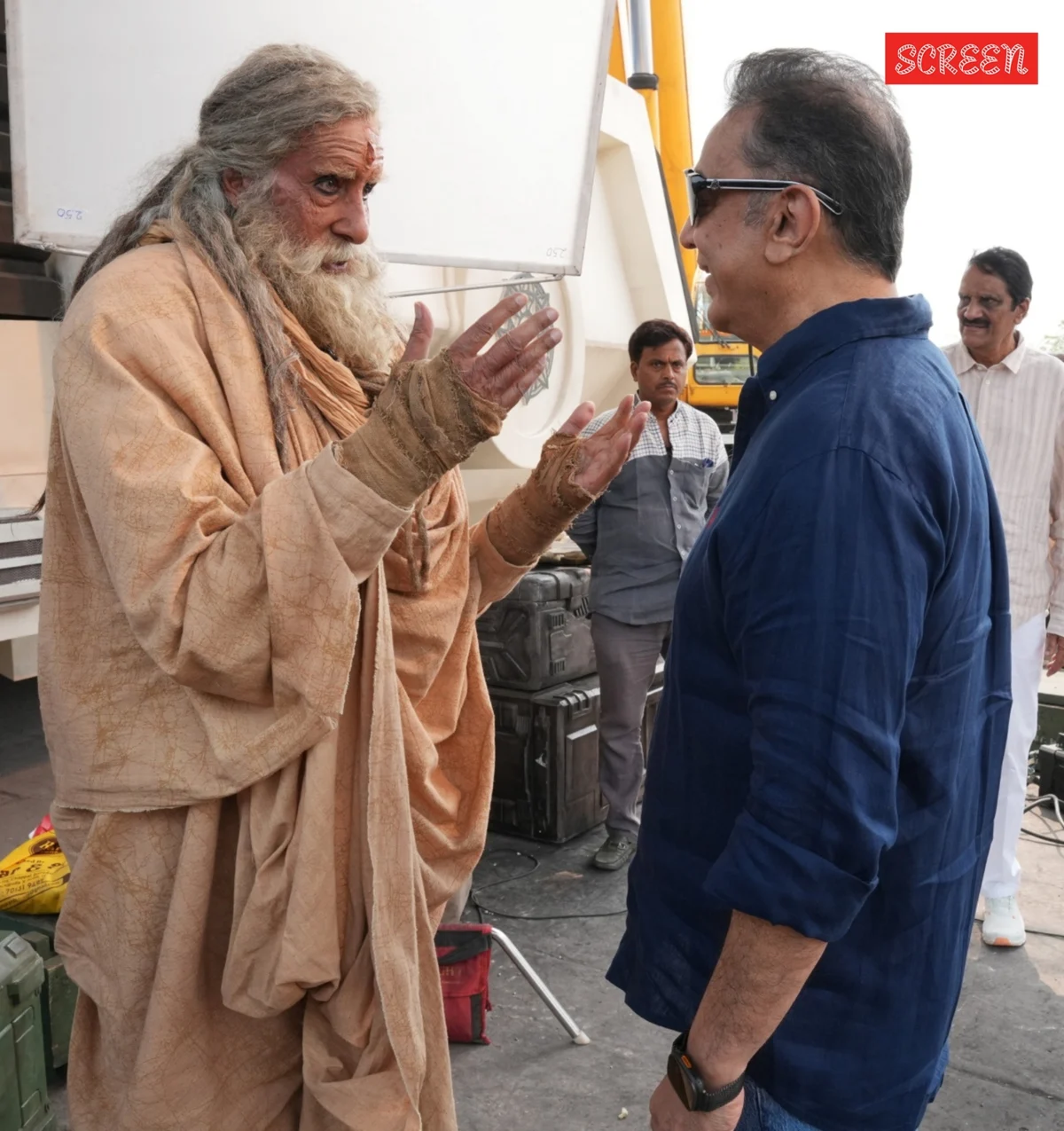
The annals of Indian cinema are replete with stories of collaborations that promised to redefine the silver screen, only to fade into the realm of "what ifs." One such tantalizing prospect was the 1984 film tentatively titled "Khabardar," which aimed to bring together two titans of Indian cinema: the unparalleled Amitabh Bachchan and the versatile Kamal Haasan. While their eventual on-screen pairing in "Geraftaar" (1985) and "Kalki" (1984) is well-documented, the story behind the abandoned "Khabardar" offers a fascinating glimpse into the complexities of filmmaking and the delicate dynamics of star power. This article delves into the reasons behind this shelved project, piecing together accounts from the stars themselves and industry insiders to paint a comprehensive picture of a film that never saw the light of day.
A Confluence of Talent: The Genesis of "Khabardar"
Kamal Haasan, a true polymath of the Indian film industry, has consistently pushed boundaries throughout his illustrious career spanning nearly six and a half decades. His journey began as a child artist at the tender age of six, and since then, he has graced the silver screen in over 230 films across a multitude of languages, including Tamil, Malayalam, Telugu, Hindi, Kannada, and Bengali. While his Hindi debut in "Aaina" (1974) marked his initial foray into Bollywood, it was the critically acclaimed romantic tragedy "Ek Duuje Ke Liye" (1981), directed by his mentor K. Balachander, that catapulted him to superstardom in the Hindi film industry. This success paved the way for him to feature in several other Hindi productions, solidifying his presence.
It was in the mid-1980s that the idea of a grand collaboration between Haasan and Amitabh Bachchan, the reigning "Shahenshah" of Bollywood, began to take shape. The film, initially conceived as "Khabardar," was slated to be helmed by veteran director Tatineni Rama Rao and produced by Atluri Purnachandra Rao. The premise, as revealed by various reports, was a thought-provoking exploration of euthanasia, a sensitive and mature subject for its time. In this ambitious project, Bachchan was reportedly slated to portray a doctor, while Haasan was to embody a patient, a role that would have undoubtedly allowed him to showcase his nuanced acting prowess.
The film’s narrative was reportedly centered around the ethical and emotional complexities surrounding mercy killing. Sources indicate that a significant portion of the film had already been shot, with reports suggesting that approximately 10,000 feet of film had been canned. This indicates that the project was not merely in its nascent stages but had progressed considerably, raising further intrigue about its abrupt halt.
The Divergent Narratives: Why "Khabardar" Was Shelved
The reasons behind the shelving of "Khabardar" have been the subject of much speculation and differing accounts over the years. Two prominent voices have emerged, offering contrasting perspectives on the film’s demise.
Kamal Haasan’s Perspective: Evolving Artistic Sensibilities
In a candid interview with Filmfare in 1997, Kamal Haasan himself shed light on the project, which he recalled as potentially being titled "Kanoon Ke Kathere Mein." He revealed that the makers had approached him years after the initial abandonment, seeking his cooperation to revive and complete the film. However, Haasan politely declined, citing a fundamental shift in his artistic outlook.
Haasan stated that he had already completed a substantial portion of his role, estimating around 20-25 days of shooting. Given that T. Rama Rao was directing, it was assumed that more than half of the film was in the can. The actor recounted being informed that the makers were dissatisfied with the film’s outcome. As he had already received half of his remuneration, he considered the situation "fair enough."
However, when the opportunity to revive "Khabardar" arose several years later, Haasan felt he had evolved as an artist. He explained, "But I have a different face now, and I’m a different actor now. I wouldn’t want to pursue the kind of acting or story that I did some years ago." This statement suggests that Haasan’s personal artistic growth and his desire to explore different themes and styles led him to distance himself from the project, which he felt no longer aligned with his current creative vision. His decision highlights the importance of an actor’s evolving artistic identity and their commitment to projects that resonate with their present sensibilities.
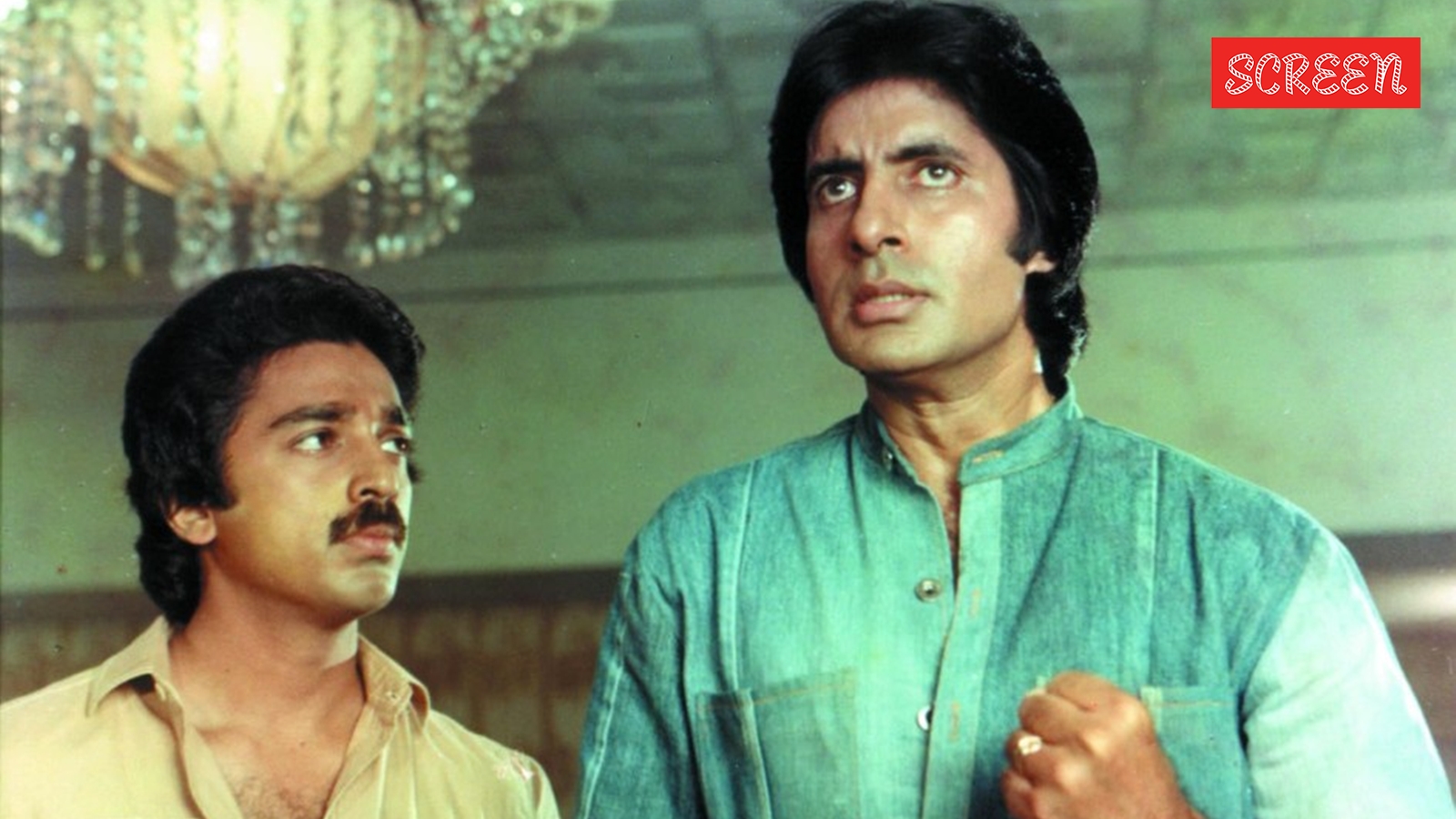
K. Bhagyaraj’s Allegation: The Shadow of Dominance
In a starkly different narrative, veteran filmmaker-actor K. Bhagyaraj presented a more dramatic and potentially controversial reason for "Khabardar’s" demise. During a conversation with Hindu Tamil Thisai, Bhagyaraj alleged that the film was abandoned due to concerns that Kamal Haasan’s character would overshadow Amitabh Bachchan’s.
According to Bhagyaraj’s account, the crux of the issue lay in the film’s climax. He explained, "According to the script, Kamal Haasan’s character had to die. The story would only work if Kamal’s character died. However, if that happened, Amitabh Bachchan’s character would seem insignificant, and all the credit would go to Kamal. If they changed the story and kept Kamal alive, the film wouldn’t have the same impact, and might not be a hit."
Bhagyaraj further elaborated that Amitabh Bachchan, recognizing this potential imbalance, expressed his reservations to the producers. "Noticing this, Amitabh told the makers, ‘I’m sorry.’ He said he didn’t want to spoil the name he has made over the years for just one film. He didn’t want to risk his long career," Bhagyaraj quoted.
The filmmaker asserted that Bachchan had even discussed this matter with his wife, Jaya Bachchan, and suggested that the producers come up with an alternative project, offering his complete availability. This narrative paints a picture of Bachchan being acutely aware of his star power and its potential to be diminished by a more impactful character arc, even if it meant sacrificing a potentially good film. Bhagyaraj’s claims, if accurate, suggest a complex interplay of creative decisions and the custodianship of a superstar’s legacy.
Chronology of a Lost Film
To understand the trajectory of "Khabardar," it’s useful to construct a timeline based on the available information:
- Early 1980s: The concept for "Khabardar" is conceived, aiming to bring together Amitabh Bachchan and Kamal Haasan.
- 1984: Production commences on "Khabardar," directed by Tatineni Rama Rao and produced by Atluri Purnachandra Rao. The film reportedly focuses on the theme of euthanasia, with Bachchan playing a doctor and Haasan a patient.
- Mid-1984: Significant portions of the film are shot, with approximately 10,000 feet of film completed. However, unforeseen issues lead to the project being halted midway. The exact reasons at this stage remain unclear, but it is implied that creative differences or production challenges emerged.
- Late 1980s (approximately four years after initial halt): The makers of "Khabardar" approach Kamal Haasan with the intention of reviving and completing the film. Haasan declines the offer, citing his evolving artistic preferences.
- 1997: Kamal Haasan discusses the shelved project in an interview with Filmfare, referring to it as potentially "Kanoon Ke Kathere Mein" and explaining his decision to not revive it.
- Undated: Filmmaker K. Bhagyaraj recounts his version of the reasons behind the film’s shelving in a conversation with Hindu Tamil Thisai, alleging that Amitabh Bachchan’s concerns about being overshadowed led to the project’s abandonment.
Supporting Data and Evidence
While concrete documentary evidence directly explaining the film’s shelving is scarce, the accounts from Kamal Haasan and K. Bhagyaraj provide the most significant supporting data points.
- Kamal Haasan’s Interview (Filmfare, 1997): This provides direct testimony from one of the lead actors. His statement about being approached years later and his refusal based on artistic evolution is a crucial piece of evidence. His estimation of the shooting days and the film’s potential title adds credibility to his account.
- K. Bhagyaraj’s Conversation (Hindu Tamil Thisai): This offers an external perspective from a respected figure in the industry. His detailed explanation of the narrative conflict and Bachchan’s alleged reaction provides a compelling, albeit different, rationale for the film’s demise. The mention of "10,000 feet of film" shot further corroborates the significant progress made.
- "Geraftaar" (1985) and "Kalki" (1984): The fact that both Bachchan and Haasan did eventually work together in films around the same period further fuels the intrigue around "Khabardar." "Geraftaar" notably featured Rajinikanth in a cameo, showcasing a multi-star appeal that "Khabardar" also aimed for. The existence of these successful collaborations makes the failure of "Khabardar" all the more noteworthy.
Implications of a Lost Masterpiece
The shelving of "Khabardar" has several significant implications for the landscape of Indian cinema:
- A Missed Artistic Opportunity: The collaboration between two of India’s most respected actors on a mature theme like euthanasia presented a unique cinematic opportunity. It’s possible that "Khabardar" could have been a groundbreaking film, pushing narrative boundaries and sparking important societal conversations.
- The Power Dynamics of Stardom: K. Bhagyaraj’s account, if accurate, highlights the immense power that established stars wield in the industry. The potential for a narrative to favor one actor over another could indeed lead to the cancellation of projects, even when substantial investment has been made. This underscores the delicate balance between artistic integrity and commercial viability dictated by star power.
- Evolution of Kamal Haasan’s Career: Haasan’s own admission of evolving artistic sensibilities offers a personal insight into his career trajectory. His willingness to move on from a potentially lucrative but artistically misaligned project speaks volumes about his commitment to his craft and his desire to continuously reinvent himself.
- The Enigma of Unseen Films: The story of "Khabardar" joins a legion of other unreleased or shelved films that continue to intrigue cinephiles. These lost projects represent alternate realities of cinematic history, prompting us to ponder what might have been.
Conclusion: The Enduring Allure of "What If"
The story of "Khabardar" remains a captivating enigma, a testament to the unpredictable nature of filmmaking. Whether it was Kamal Haasan’s evolving artistic vision or Amitabh Bachchan’s strategic career management, the reasons for its abandonment are multifaceted. While we may never witness the full spectacle of this Bachchan-Haasan collaboration, the differing accounts offer a compelling narrative in themselves, revealing the intricate dance of creativity, commerce, and ego that shapes the Indian film industry. The tale of "Khabardar" serves as a poignant reminder that some of the most compelling stories in cinema are not always the ones that make it to the silver screen, but also those that remain etched in the annals of legend and speculation.
