


New Delhi, [Date of Publication – e.g., July 24, 2026] – In a significant recalibration of global trade dynamics, the United States has unveiled new Section 301 forced-labour tariffs, imposing a 10 percent duty on a vast array of Indian exports. This move, effective July 24, 2026, marks a pivotal shift from a traditional tariff-driven trade regime to one increasingly dominated by compliance and ethical sourcing standards, fundamentally reshaping how nations interact in the global marketplace. While India finds itself in a comparatively lower tariff category than some other economies, experts warn that this seemingly advantageous position masks deeper challenges related to enhanced scrutiny, supply chain transparency, and a potential loss of competitive edge in crucial sectors like textiles.
The imposition of these duties, replacing the temporary 10 percent Section 122 tariffs, signifies a permanent fixture in US trade policy designed to address concerns over forced labour. It casts a long shadow over approximately 70 percent of India’s exports to the US, including critical sectors such as textiles, garments, engineering goods, chemicals, machinery, leather, jewellery, and furniture. These goods will now incur an additional 10 percent duty on top of their existing Most-Favoured-Nation (MFN) tariffs, presenting a complex challenge for Indian exporters striving to maintain their foothold in one of the world’s largest consumer markets.
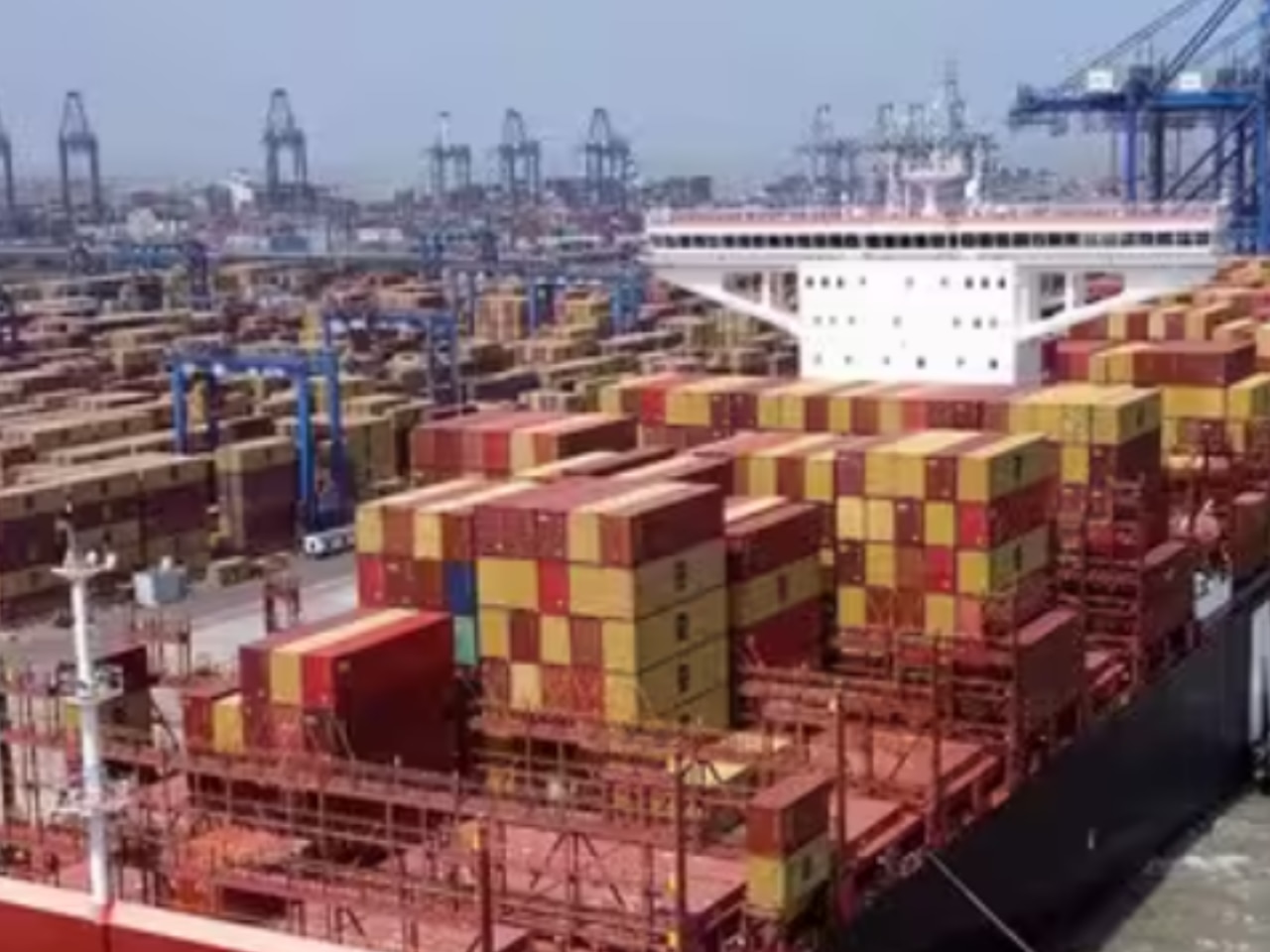
Main Facts: A New Paradigm for India-US Trade
The core of the US policy shift lies in its robust emphasis on ethical labour practices, framing trade not merely through economic metrics but also through human rights considerations. The new Section 301 tariffs introduce a two-tiered system: India, alongside 16 other economies including Canada, the United Kingdom, Bangladesh, and Pakistan, will face a 10% tariff. The remaining 43 economies will be subject to a higher 12.5% tariff. India’s placement in the lower bracket is attributed to its proactive measures prohibiting imports made with forced labour, a seemingly positive outcome that nonetheless introduces a raft of new operational complexities.
The tariffs will be levied on goods loaded on or after July 24, 2026. A brief transition provision offers a reprieve for goods loaded before this date and entered into the United States by July 28, allowing a narrow window for clearance under the old regime. However, specific high-value exports like steel, aluminium, copper, and certain automobile products will continue to contend with significantly higher Section 232 tariffs, ranging from 25 to 50 percent, irrespective of the new Section 301 framework.
)
This development is not merely about an incremental increase in export costs; it represents a fundamental reorientation of trade expectations. Experts universally agree that the new regime will compel Indian businesses to invest heavily in end-to-end supply chain traceability, worker documentation, and stringent factory audit reports. The ability to provide irrefutable proof of ethical sourcing is poised to become as crucial as competitive pricing, marking a definitive departure from traditional trade parameters.
Chronology: Tracing the Evolution of US Protectionism and Rights-Based Trade
The US’s current stance on trade, particularly its increasing use of Section 301, is a culmination of evolving policy priorities and a response to perceived global trade imbalances and ethical lapses.

Pre-Trump Era (Prior to 2017): For decades, US trade policy largely emphasized free trade agreements, multilateral frameworks, and preferential trade programs like the Generalized System of Preferences (GSP). While human rights and labour standards were often part of trade dialogues, they were typically addressed through separate mechanisms or as conditions for specific benefits, rather than as direct triggers for widespread punitive tariffs. Section 301, though existing since the Trade Act of 1974, was sparingly used for broad-based actions.
The Trump Administration (2017-2021): The landscape dramatically shifted under the Trump administration, which adopted an aggressive, protectionist "America First" agenda. This era saw the widespread deployment of Section 232 tariffs on steel and aluminium, justified on national security grounds, and the extensive use of Section 301 against China, citing intellectual property theft and unfair trade practices. This period normalized the use of tariffs as a primary tool for trade enforcement and dispute resolution. Crucially, the administration also introduced temporary 10 percent Section 122 tariffs, which applied broadly and served as a precursor to the current measures, signaling a growing willingness to impose duties on a wider range of partners.
)
The Biden Administration (2021-Present): While the Biden administration initially sought to re-engage with allies and multilateral institutions, it largely maintained the protectionist architecture inherited from its predecessor. However, the rationale for trade actions began to pivot, incorporating a stronger emphasis on human rights, climate change, and fair labour practices. The transition from the temporary Section 122 tariffs to permanent Section 301 forced-labour duties on July 24, 2026, exemplifies this shift. It signifies a conscious move to embed ethical considerations directly into the tariff structure, aligning trade policy with broader geopolitical and moral imperatives. This evolution reflects a growing global consensus, particularly among Western nations, that economic engagement must be consistent with fundamental human rights principles.
India’s Proactive Response: Recognising the changing global currents, India has proactively taken steps to address concerns related to forced labour. Notably, India amended its Foreign Trade Policy (FTP) to explicitly prohibit the import of goods produced using forced or compulsory labour. Furthermore, India’s constitutional provisions and various labour statutes already include robust prohibitions against forced labour in domestic production. These legislative and policy adjustments were instrumental in India securing the lower 10 percent tariff bracket, demonstrating a strategic effort to align with evolving international standards.
)
Supporting Data: The Economic Tapestry of India-US Trade
The economic relationship between India and the United States is robust and multifaceted, with bilateral trade in goods and services exceeding $190 billion in recent years. The US remains India’s largest trading partner and a critical market for a diverse range of Indian products.
Magnitude of Impact: The new Section 301 tariffs will directly affect approximately 70 percent of India’s exports to the US. In the fiscal year 2024-25, India’s overall merchandise exports to the US were substantial, with key sectors now facing increased duties. For instance, textile exports to the US amounted to $10.8 billion in FY24-25, with apparel alone contributing about $5.4 billion, representing 35% of India’s total apparel exports. This highlights the severe implications for a sector that is a major employer and foreign exchange earner for India.
)
Sectoral Breakdown:
- Textiles and Garments: A primary target, where the 10% tariff adds a significant cost burden.
- Engineering Goods: A broad category including machinery, auto components, and electronics, which will see increased duties.
- Chemicals: Specialty chemicals and other derivatives face the additional tariff.
- Leather and Jewellery: Traditional Indian export strengths, now subject to higher costs.
- Furniture: Another sector where India has been making inroads, now facing competitive pressures.
Comparative Tariff Rates: The fact that India secured a 10% tariff, rather than the 12.5% applied to 43 other economies, provides a marginal competitive advantage. This 2.5 percentage point differential could, as experts suggest, influence "incremental sourcing and procurement decisions" in sectors like engineering goods, electronics, auto components, specialty chemicals, and medical devices. However, this advantage is fragile and contingent on India’s ability to demonstrate superior compliance.
)
The Broader Legal Framework – Section 301: Section 301 of the Trade Act of 1974 grants the US Trade Representative (USTR) broad authority to investigate and retaliate against foreign trade practices deemed unfair or discriminatory and that burden or restrict US commerce. Historically, Section 301 has been invoked to address issues ranging from intellectual property violations to market access barriers. Its current application to forced labour marks an expansion of its use, integrating human rights concerns directly into trade enforcement mechanisms. This reflects a global trend where environmental, social, and governance (ESG) factors are increasingly intertwined with trade policies, driven by consumer demand and regulatory pressures in developed markets.
The Concept of Forced Labour: The International Labour Organization (ILO) defines forced labour as "all work or service which is exacted from any person under the menace of any penalty and for which the said person has not offered himself voluntarily." This encompasses a wide range of abuses, including debt bondage, human trafficking, child labour, and other forms of exploitation. The US, through initiatives like the Uyghur Forced Labor Prevention Act (UFLPA) and now the broader Section 301 tariffs, is making a concerted effort to prevent goods produced under such conditions from entering its market, signaling a robust commitment to supply chain ethics.
)
Official Responses and Expert Critiques: Unpacking the Intent and Impact
The official US position, though not explicitly quoted in the original article, can be inferred from the context of its actions. The Biden administration seeks to project an image of a global leader championing human rights and fair labour practices, using its economic leverage to enforce these standards globally. The imposition of forced-labour tariffs is presented as a moral imperative to prevent the exploitation of vulnerable populations and ensure that US consumers are not inadvertently supporting unethical supply chains. This aligns with a broader strategy of "values-based" trade policy.
However, this narrative faces significant scrutiny from experts, particularly from India.
)
Ajay Srivastava, Founder, Global Trade Research Initiative (GTRI), offers a pointed critique, questioning the very basis of the US tariffs. "It appears designed to preserve the Trump administration’s tariff wall rather than address an unproven forced-labour problem in India," Srivastava states. He argues that the lack of a "credible factual basis" for widespread forced labour in India suggests that the tariffs may be more about maintaining a protectionist stance under a new guise. He buttresses his argument by highlighting India’s proactive legislative actions, including amendments to its Foreign Trade Policy prohibiting forced-labour goods and existing constitutional and labour statutes that outlaw such practices domestically.
Srivastava’s warning extends beyond the immediate tariffs. He cautions that the US may introduce further trade curbs, citing investigations into countries with excess manufacturing capacity. He points to recent country-specific tariffs targeting Brazil and Canada, suggesting that similar measures could be "extended to India citing purchases of Russian oil, or broader geopolitical considerations." This perspective underscores a growing apprehension that trade policy is becoming increasingly weaponized for geopolitical ends, moving beyond purely economic rationales.
)
Manoj Mishra, Partner and Tax Controversy Management Leader at Grant Thornton Bharat, acknowledges the "slight competitive advantage" offered by India’s lower tariff category. He points out that this could be particularly beneficial for sectors like engineering goods, electronics, auto components, specialty chemicals, medical devices, and textiles, where global buyers are already "reassessing sourcing strategies" in a post-pandemic world. However, Mishra quickly tempers expectations, noting that "a 2.5 percentage point tariff differential alone is unlikely to trigger a significant shift in global supply chains." He advocates for Indian exporters to strategically leverage this "window" by strengthening supply chain resilience, deepening customer relationships, and rigorously reinforcing compliance with labour and ESG standards. His advice highlights the evolving nature of global sourcing, where ethical and sustainable practices are becoming "key determinants" for market access.
R Sampath Raghavan, International Trade Consultant, focuses on the profound implications for the textile and apparel sector, describing the fresh tariffs as a "structural shift in US trade policy." His primary concern revolves around India’s failure to secure a textile and apparel tariff-rate quota (TRQ) exemption under the new Section 301 regime. This puts Indian textile and apparel exports at a distinct "relative disadvantage" compared to competitors like Bangladesh, Cambodia, Indonesia, and Malaysia, which benefit from TRQ exemptions, especially when using US-origin cotton and fibre. Raghavan explicitly warns that "India loses competitive advantage in cotton-based apparel/ US buyers may shift sourcing to TRQ-beneficiary countries," directly impacting India’s significant $5.4 billion apparel exports to the US.
)
Raghavan further emphasizes the "significantly higher compliance burden" that exporters will face. US buyers are no longer content with simple declarations; they will demand concrete proof, including "ethical sourcing certifications, worker documentation, factory audit reports and end-to-end supply chain traceability" as a precondition for continued sourcing. This level of scrutiny, he argues, signals a "new era of compliance-driven trade," where only "exporters who invest in traceability, worker documentation, and supply-chain transparency will be best positioned to protect market share in the US."
Implications: Navigating the New Global Trade Labyrinth
The new US Section 301 forced-labour tariffs usher in a complex era for Indian exporters and the broader global trade landscape, carrying significant implications across various dimensions.
)
For Indian Exporters:
- Increased Costs and Reduced Competitiveness: The immediate and most tangible impact will be the 10% additional duty, increasing the cost of Indian goods in the US market. While the 2.5% differential might offer a slight edge over some competitors, it’s insufficient to offset the added burden, especially in price-sensitive sectors.
- Massive Compliance Overhaul: This is arguably the most demanding implication. Indian businesses, particularly SMEs, must undertake a monumental effort to overhaul their supply chains, implementing robust traceability systems, digitalizing worker records, conducting rigorous internal and external audits, and securing ethical sourcing certifications. This requires significant investment in technology, training, and process re-engineering.
- Risk of Market Share Erosion: In sectors like textiles and apparel, where India lacks TRQ exemptions, there is a substantial risk of US buyers shifting sourcing to more cost-effective and less compliance-intensive alternatives from Southeast Asian nations.
- Opportunity for Differentiation: For sophisticated exporters, this could be an opportunity to differentiate themselves. Those who proactively invest in and credibly demonstrate ethical and transparent supply chains could gain a competitive advantage, appealing to a growing segment of conscious consumers and responsible corporate buyers.
- Strategic Diversification: The tariffs may prompt Indian exporters to diversify their export markets, reducing over-reliance on the US, and exploring new avenues in Europe, Africa, and other Asian economies that may have different compliance requirements or less stringent enforcement.
For US Importers and Consumers:
)
- Potential for Higher Prices: The additional tariffs could be passed on to US consumers in the form of higher prices for a wide range of goods.
- Supply Chain Resilience and Ethical Assurance: For US importers, the heightened scrutiny means greater assurance that their products are free from forced labour, aligning with corporate social responsibility goals and mitigating reputational risks. This could also lead to more resilient supply chains as companies are forced to map and understand their networks more thoroughly.
- Shifting Sourcing Strategies: US companies will increasingly prioritize suppliers who can demonstrate full compliance, potentially leading to a re-evaluation of long-standing sourcing relationships.
For Global Trade and Geopolitics:
- The "Compliance-Driven Trade" Era: This move solidifies the trend towards trade policy being driven by non-economic factors like human rights and environmental sustainability. This "new era" demands that nations not only compete on price and quality but also on ethical and governance standards.
- Precedent for Future Tariffs: The precedent set by using Section 301 for forced labour concerns could encourage other nations to adopt similar measures, further complicating international trade.
- Geopolitical Undercurrents: As GTRI’s Srivastava notes, these tariffs might also serve broader geopolitical objectives, acting as leverage in diplomatic relations or as a tool to counter the influence of rival powers. The mention of Russian oil purchases highlights how trade policy is increasingly intertwined with foreign policy.
- Impact on "Make in India": For India’s ambitious "Make in India" initiative, which aims to transform the country into a global manufacturing hub, these tariffs present a dual challenge and opportunity. While they impose immediate hurdles, they also push Indian industry towards adopting world-class labour and ESG standards, which could enhance its attractiveness as a reliable and responsible manufacturing partner in the long run.
In conclusion, the US Section 301 forced-labour tariffs are more than just a fiscal adjustment; they represent a fundamental paradigm shift. While India has secured a relatively lower tariff, the true cost lies in the immense compliance burden and the structural disadvantages created in key sectors. The future of India’s export success in the US market will hinge not just on competitive pricing, but critically, on its ability to demonstrate impeccable ethical sourcing, end-to-end supply chain transparency, and unwavering adherence to international labour standards. The race to adapt and innovate in this new compliance-driven trade regime has already begun.
)
Q&A
What is Import of goods produced with forced labour?
It refers to the act of bringing into a country products that were manufactured or processed using individuals who were compelled to work against their will or without their voluntary consent. This includes various forms of exploitation such as debt bondage, human trafficking, and child labour. Section 301 of the US Trade Act of 1974 empowers the US Trade Representative to impose tariffs or other punitive actions against countries found to be engaging in unfair trade practices, now explicitly including the use of forced labour.
)
How many US tariffs imposed on India?
Indian exports to the US are now subject to a multi-layered tariff structure. These include:
- Most Favoured Nation (MFN) Tariffs: Standard import duties that vary significantly by product category, applied to most goods from WTO member countries.
- Section 301 Tariffs: A newly imposed 10% additional duty on a wide range of Indian imports, specifically targeting goods suspected of being produced with forced labour.
- Section 232 Tariffs: Higher duties, typically ranging from 25% to 50%, imposed on specific sectors such as steel, aluminium, copper, and certain automobile products, justified on national security grounds.
This layered approach means that many Indian products face multiple duties, increasing their landed cost in the US market.
