

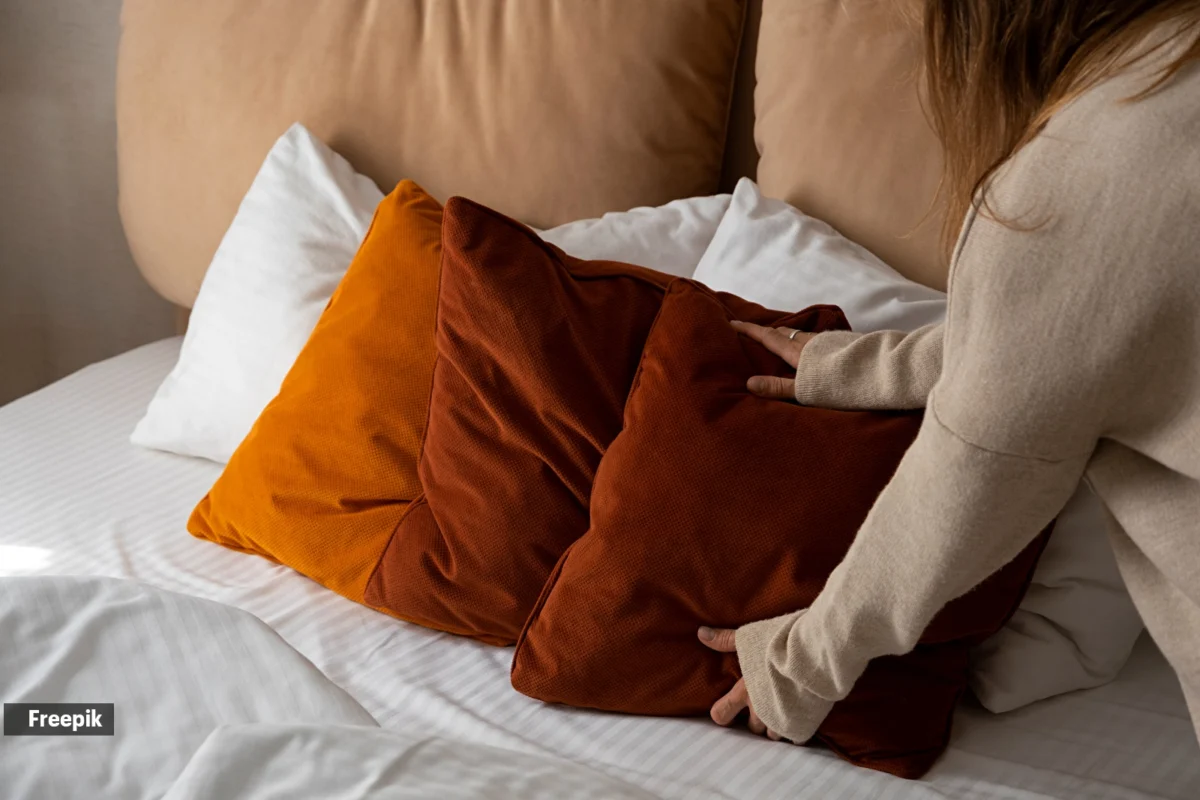
A recent assertion on social media, originating from a podcast discussion, has sent ripples of concern through the public, questioning the safety of an everyday household item: the pillow. Dr. Tarang Krishna, a cancer specialist, suggested on the podcast "Figuring Out with Raj Shamani" that pillows could potentially harbor cancer-causing agents due to their absorption of airborne particles over prolonged use.
This claim quickly gained traction online, prompting widespread anxiety about whether long-neglected pillows could indeed elevate one’s risk of developing cancer. To delve into the medical veracity of this viral assertion, we consulted with Dr. Anil Thakwani, a Senior Consultant and HOD of Radiation Oncology at ShardaCare-Healthcity, to separate fact from fear.
The Genesis of the Concern: A Podcast’s Provocative Claim
The catalyst for this public discourse was a statement made by Dr. Tarang Krishna during an episode of "Figuring Out with Raj Shamani." Dr. Krishna posited that pillows act as "breeding houses for cancer," explaining, "All the particles present in the air are absorbed by the pillow. People take their pillows as life partners; they buy a pillow and think they’ll stay with it until their last breath. That’s dangerous. That’s the air you are inhaling… it is the root of all infections. That’s why people develop asthma and allergies. Change your pillows once a year at least."
This declaration, amplified across various social media platforms, painted a vivid, albeit alarming, picture of our sleeping companions. The notion that something as seemingly innocuous as a pillow could harbor such significant health threats ignited a flurry of questions and anxieties, with many individuals questioning the longevity and hygiene of their own pillows.
Expert Verdict: No Direct Link to Cancer, But Hygiene Matters
Dispelling the fear of cancer directly linked to pillows, Dr. Anil Thakwani, a seasoned oncologist, asserts that there is a distinct lack of scientific evidence supporting such a claim.
"No pillows have been supported in scientific literature as being a strong risk factor for cancer," Dr. Thakwani stated unequivocally. He explained that while it is true that pillows, over time, can accumulate a host of microscopic inhabitants and environmental particles, these are primarily associated with other health issues, not oncological diseases.
"Most of the viral statements on social media blow out of proportion the dangers with no medical evidence," he further elaborated, highlighting the tendency for online information to sensationalize health concerns without rigorous scientific backing.
The Accumulation of Particles: What Really Happens to Old Pillows?
While the direct cancer link is unsubstantiated, Dr. Thakwani did confirm that pillows, especially those used for extended periods, can become repositories for various substances.
Over months and years of use, pillows naturally absorb sweat, body oils, dead skin cells, and become a haven for dust mites and, in humid environments, potentially fungal growth. These microscopic invaders and particles are the culprits behind the discomforts that many people experience.
"The same pillow when used over a long time may have accumulated dust mites, sweat, oil and even fungus, particularly in a humid setting," Dr. Thakwani explained. However, he reiterated, "But these contaminants have not been known to cause cancer directly."
Instead, the consequences of prolonged pillow use without proper hygiene are typically more immediate and less life-threatening, primarily affecting individuals with sensitivities.
Health Risks Beyond Cancer: Allergies, Asthma, and Skin Irritation
The primary health concerns associated with old, unhygienic pillows revolve around respiratory and dermatological issues.
For individuals prone to allergies or those with pre-existing respiratory conditions like asthma, the accumulation of dust mites, pet dander (if applicable), and fungal spores can act as significant triggers. Inhaling these allergens night after night can lead to:
- Allergic Reactions: Symptoms can include sneezing, runny nose, itchy eyes, and skin rashes.
- Asthma Exacerbation: For asthmatics, the increased presence of allergens can trigger or worsen asthma attacks, leading to wheezing, shortness of breath, and chest tightness.
- Skin Irritation and Acne: Dead skin cells and oils can clog pores, leading to skin irritation, redness, and potentially breakouts or acne, especially on the face and neck.
- Respiratory Infections: While not directly causing cancer, a compromised respiratory system due to constant allergen exposure can make individuals more susceptible to minor respiratory infections.
"They have a tendency to affect only allergies, asthma exacerbation, or cutaneous irritation in sensitive individuals," Dr. Thakwani clarified, emphasizing that these are manageable conditions and not indicative of a cancer diagnosis.
The Importance of Pillow Hygiene: Maintaining Sleep Quality and Well-being
Despite the absence of a direct cancer link, the advice to maintain pillow hygiene is sound and crucial for overall health and quality of sleep. Regular cleaning and timely replacement of pillows are essential components of good sleep hygiene.
"Washing and changing of pillows regularly is essential to keep the standards of hygiene and sleep high," Dr. Thakwani advised. He recommends a practical approach to pillow maintenance:
- Pillow Replacement: While Dr. Krishna suggested an annual replacement, Dr. Thakwani offers a slightly more lenient timeline, suggesting changing pillows once every two years. This timeframe allows for wear and tear while still addressing the accumulation of allergens and contaminants.
- Regular Pillow Cover Washing: Pillow covers are the first line of defense and are in direct contact with your face and hair. Washing pillow covers regularly, at least once a week, is paramount to remove sweat, oils, and any surface allergens.
- Pillow Cleaning: Many pillows are washable, either entirely or their covers. Checking the care label and following instructions for washing can significantly extend the life of a pillow and improve its hygiene. Using a pillow protector can also add an extra layer of defense and make cleaning easier.
- Ventilation: Regularly airing out pillows, especially on sunny days, can help kill dust mites and reduce moisture, contributing to a healthier sleep environment.
Broader Implications: Indoor Air Quality and Environmental Health
The conversation around pillows also serves as a pertinent reminder of the importance of overall indoor air quality. While the direct link to cancer from pillow dust is not established, Dr. Thakwani highlighted that reducing exposure to pollutants in our living spaces is always a beneficial practice.
"Although the majority of dust in the household does not have direct correlation to cancer, it is still preferable to make the household environment less exposed to pollutants like smoke particles or even certain chemicals in the long run," he stated.
This broader perspective encourages a holistic approach to home hygiene, encompassing:
- Regular Household Cleaning: Vacuuming carpets and upholstery frequently, dusting surfaces, and keeping the home tidy can significantly reduce the overall dust load.
- Ventilation: Opening windows regularly to allow fresh air to circulate helps dilute indoor pollutants.
- Air Purifiers: In areas with high pollution or for individuals with severe allergies, air purifiers can be beneficial.
- Minimizing Chemical Exposure: Using natural cleaning products and avoiding excessive use of air fresheners or scented candles can improve indoor air quality.
Conclusion: Addressing the Viral Hysteria with Sound Advice
The viral claim linking pillows directly to cancer, while alarming, appears to be an overstatement of potential health risks. Medical experts clarify that while old, unhygienic pillows can be breeding grounds for allergens and contribute to respiratory and skin issues, they are not a direct cause of cancer.
The essence of the advice, however, remains valid: maintaining good hygiene for items we use daily, especially those we spend a significant amount of time in contact with, is crucial for our well-being. Regular cleaning, timely replacement, and a general awareness of our indoor environment can contribute to better health, improved sleep quality, and peace of mind, without succumbing to unfounded fears. As always, consulting with a healthcare professional for personalized advice remains the most prudent course of action.
Disclaimer: This article is based on information from the public domain and expert opinions. It is intended for informational purposes only and does not constitute medical advice. Always consult with your health practitioner before making any decisions about your health or starting any new routine.
