

By [Your Name/Journalist Name]
Special Correspondent
NEW DELHI — As the global population undergoes a historic demographic shift toward an older median age, the quest to preserve physical independence and "healthspan" has become a central pillar of medical research. A comprehensive new meta-analysis, published in the prestigious journal Nutrients, has provided what researchers describe as the most robust evidence to date regarding the mitigation of sarcopenia—the involuntary loss of skeletal muscle mass and strength associated with aging.
The study, a collaborative effort between Taipei Medical University and the University of Washington, confirms that the strategic combination of whey protein supplementation and structured resistance training represents a "gold standard" intervention for older adults. By analyzing data from over 21,000 participants, the research highlights a significant breakthrough in geriatric care, offering a blueprint for slowing the physiological decline that often leads to frailty, falls, and loss of autonomy.
I. Main Facts: The Power of Combined Interventions
The core finding of the meta-analysis is clear: while exercise and protein intake are beneficial in isolation, their synergistic effect is exponentially more potent. The study focused specifically on the efficacy of various protein sources and exercise modalities in improving muscle mass and leg strength among adults aged 50 to 89.
Key Takeaways from the Research:
- Whey Protein Superiority: Among the various protein sources tested—including casein, milk, soy, rice, and meat—whey protein emerged as the most effective catalyst for muscle protein synthesis (MPS) when paired with exercise.
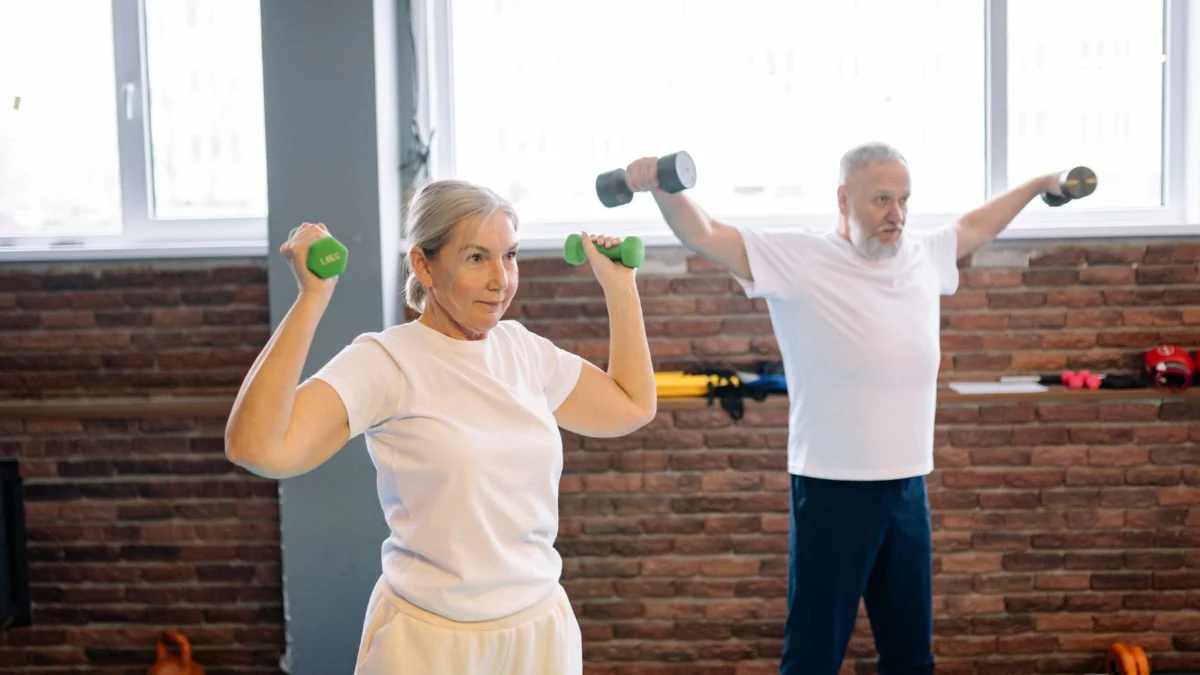
- The Role of Resistance Training: Resistance training (weight lifting, resistance bands, or bodyweight exercises) was identified as the essential "trigger" that allows the body to utilize supplemental protein effectively.
- Measurable Outcomes: Participants showed marked improvements in "lean body mass" and "lower-limb strength," the latter being a critical predictor of mobility and fall prevention in the elderly.
- Inclusivity of the Study: The data encompassed a wide range of living situations, including community-dwelling seniors, those in institutionalized care, and hospitalized patients, suggesting the findings are applicable across various health statuses.
II. Chronology: The Lifecycle of Muscle Decay
To understand the significance of this study, one must look at the biological timeline of human musculature. Muscle mass is not a static asset; it is a "use it or lose it" commodity that peaks relatively early in life.
The Early Peak (Ages 20–30)
During adolescence and early adulthood, the body is in a naturally anabolic (building) state. Hormonal levels, including growth hormone and testosterone, are at their peak, making muscle gain relatively easy to achieve and maintain.
The Slow Decline (Ages 30–60)
The study notes that the body begins to lose muscle mass as early as age 30. This process is initially subtle, often masked by changes in body fat percentage. On average, sedentary individuals can lose 3% to 5% of their muscle mass per decade after the age of 30.
The Acceleration Phase (Age 65+)
The most critical window identified by researchers is the period following age 65. At this stage, muscle loss (sarcopenia) accelerates significantly. This acceleration is often compounded by "anabolic resistance"—a condition where the body becomes less responsive to the signals that normally trigger muscle growth. This leads to a higher risk of fractures, metabolic disorders like Type 2 diabetes, and a general decline in the quality of life.
The Research Timeline
The meta-analysis itself is the culmination of decades of smaller, fragmented trials. By synthesizing 235 randomized controlled trials (RCTs), the Taipei and Washington researchers have moved the conversation from "theoretical benefit" to "statistically significant certainty," providing a definitive timeline for when and how to intervene.
III. Supporting Data: Why Whey and Resistance Work
The effectiveness of this specific combination is rooted in the molecular biology of the human body. The meta-analysis provides a data-driven look at why certain proteins and exercises outperform others.
The Leucine Factor
Whey protein, derived from cow’s milk, is unique due to its high concentration of Leucine. Leucine is a branched-chain amino acid (BCAA) that acts as a chemical "switch" to turn on the Mammalian Target of Rapamycin (mTOR) pathway, which is responsible for muscle protein synthesis.
- Data Point: The study found that older adults require a higher "leucine threshold" to trigger muscle repair compared to younger individuals. Whey protein provides this threshold more efficiently than plant-based proteins like soy or rice, which often require much larger serving sizes to achieve the same amino acid profile.
Protein Synthesis vs. Breakdown
Muscle growth occurs only when the rate of Protein Synthesis exceeds the rate of Protein Breakdown.
- The Stress Response: Resistance exercise creates microscopic tears in muscle fibers.
- The Repair Phase: In the presence of high-quality amino acids (from whey), the body repairs these fibers to be stronger and denser than before.
- The Gap: Without the protein "building blocks," exercise can actually lead to a net loss of muscle in older adults, as the body lacks the materials to repair the stress-induced damage.
Comparative Efficacy
The meta-analysis scrutinized 21,000 participants to compare different protein types:
- Whey vs. Casein: Whey is "fast-acting," reaching the bloodstream quickly after a workout, whereas casein is slow-digesting. For immediate post-exercise recovery, whey showed a slight edge in elderly populations.
- Animal vs. Plant: While plant proteins are viable for those with dairy allergies, the study noted that they often lack the complete essential amino acid profile found in whey, requiring fortification or higher caloric intake to match whey’s results.
IV. Official Responses and Expert Perspectives
The medical and fitness communities have reacted to these findings with a call for updated public health guidelines. For years, the recommended dietary allowance (RDA) for protein has been set at 0.8 grams per kilogram of body weight. However, many experts now argue this is insufficient for the aging population.
The Performance Physiologist’s View
Mark Kovacs, a renowned performance physiologist, emphasized in an interview with Health.com that the frequency of training is just as important as the nutrition. "While general guidelines often suggest twice a week, three to four days of resistance training is ideal for maximizing the hypertrophic (muscle-building) response," Kovacs noted. He suggests that for older adults, "resistance" doesn’t necessarily mean heavy bench presses; it can include:
- Weighted vests during walking.
- Resistance bands for joint-friendly tension.
- Bodyweight squats and lunges.
The Academic Perspective
The joint team from Taipei Medical University and the University of Washington highlighted that their findings should influence how hospitals and nursing homes approach elderly care. Traditionally, geriatric nutrition has focused on caloric intake to prevent weight loss, but this study suggests a shift toward protein quality and active movement to prevent "sarcopenic obesity"—where a person maintains weight but loses muscle and gains fat.
Medical Cautionary Note
Despite the overwhelming evidence, the authors of the study and medical practitioners issue a standard caveat: Older adults should not begin a high-intensity resistance program or a significant dietary change without professional supervision. Factors such as kidney function (which can be affected by high protein intake) and cardiovascular health must be assessed by a physician.
V. Implications: The Socio-Economic and Personal Impact
The implications of this meta-analysis extend far beyond the gym or the kitchen; they touch upon the very structure of public health and economic stability in aging societies.
Reducing the Healthcare Burden
Falls are the leading cause of injury-related deaths among people aged 65 and older. By improving leg strength and balance through the whey-resistance synergy, the incidence of hip fractures—which often carry a 20-30% mortality rate within a year of the injury—could be drastically reduced. This represents a potential saving of billions of dollars in emergency care and long-term rehabilitation costs.
Combatting "Anabolic Resistance"
As we age, our muscles become "deaf" to the signals of protein. This study proves that this resistance can be overcome. By using a "loud" signal—high-leucine whey protein combined with the mechanical tension of resistance training—seniors can effectively "trick" their bodies into staying young at a cellular level.
The Plant-Based Alternative
The study also provides a roadmap for the growing number of vegans and vegetarians. While whey was the top performer, the data suggests that by focusing on leucine-rich plant sources or supplemental amino acids, those on plant-based diets can still achieve significant results, provided they maintain the resistance training component.
Conclusion: A New Standard for Aging
The findings from the Taipei and Washington meta-analysis offer a message of empowerment. Age-related muscle loss is no longer viewed as an inevitable slide into frailty, but rather a manageable condition. Through the strategic use of whey protein and the consistent application of resistance exercise, the "Golden Years" can remain a period of activity, strength, and independence.
As the medical community moves to integrate these findings into standard care, the message to the public is clear: it is never too late to start lifting, and it is never too late to prioritize the protein that fuels those muscles.
(Disclaimer: This report is based on a meta-analysis of clinical trials. Readers are strongly advised to consult with a healthcare professional or a registered dietitian before starting any new supplement or exercise regimen, especially those with pre-existing conditions or dietary restrictions.)
