

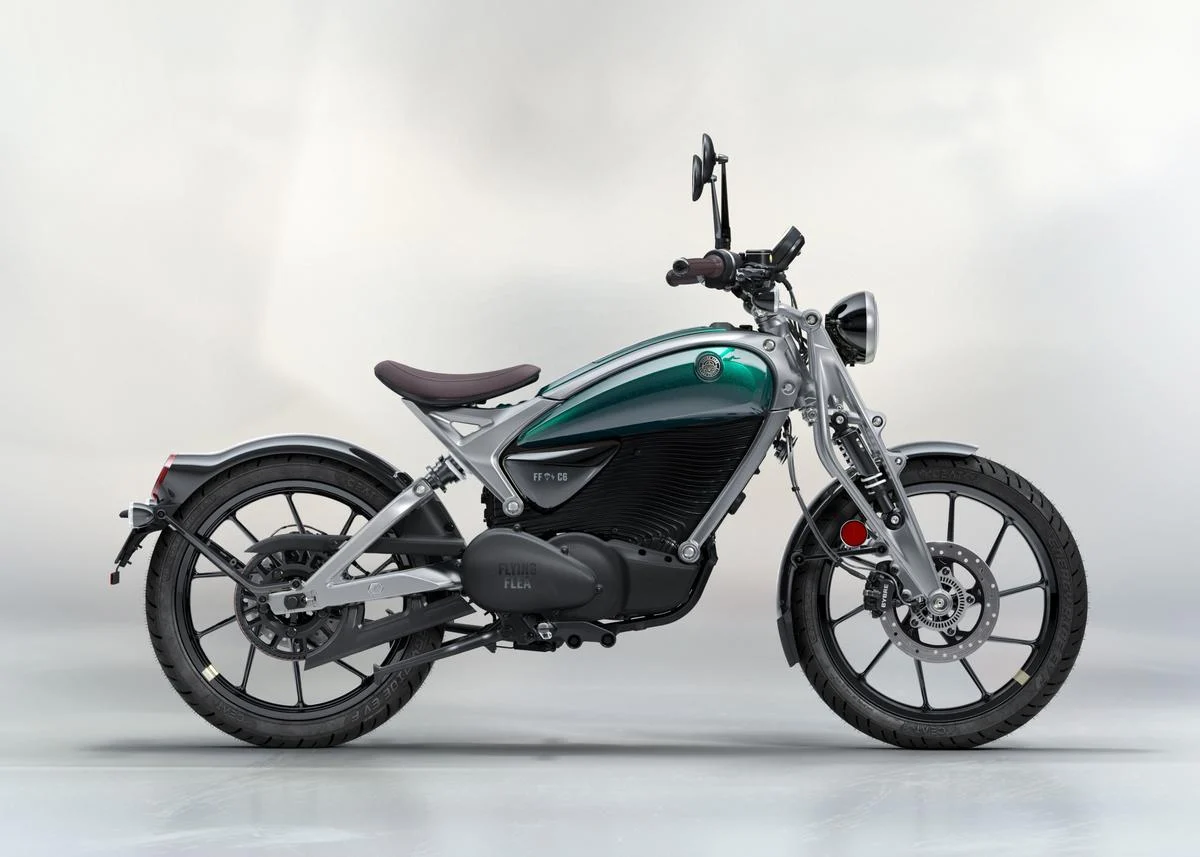
In a move that signals a tectonic shift for one of the world’s oldest motorcycle manufacturers, Royal Enfield has officially entered the electric vehicle (EV) sector with the unveiling of the Flying Flea C6. This is not merely a new model; it marks the debut of "Flying Flea," a dedicated electric sub-brand designed to redefine urban mobility. By blending the company’s storied heritage with cutting-edge software-led engineering, the C6 seeks to occupy a premium niche in the rapidly evolving global electric two-wheeler market.
The Flying Flea C6 represents a departure from the "thump" of the traditional internal combustion engine that has defined Royal Enfield for over a century. Instead, it offers a silent, lightweight, and highly connected experience tailored specifically for the complexities of modern city life.
Main Facts: A Ground-Up Reinvention
The Flying Flea C6 is built on an entirely new, purpose-designed electric platform. Unlike many manufacturers who adapt existing internal combustion engine (ICE) frames for electric powertrains, Royal Enfield’s engineers have opted for a ground-up approach to maximize the advantages of EV architecture.
Design and Aesthetics
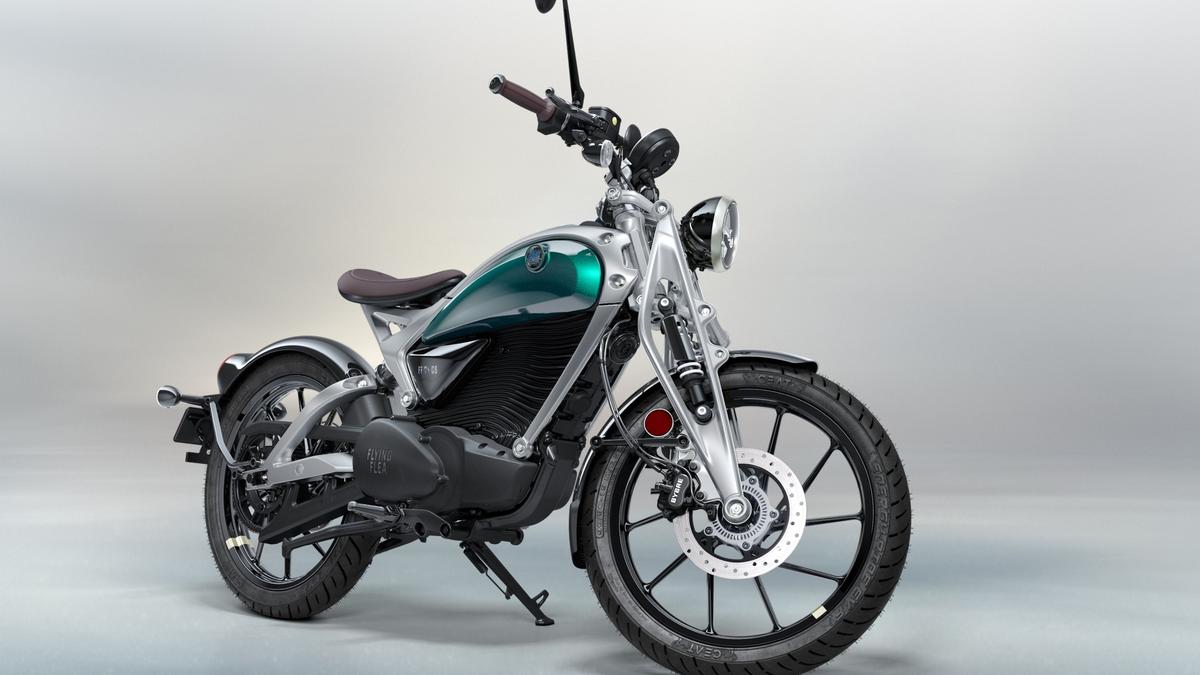
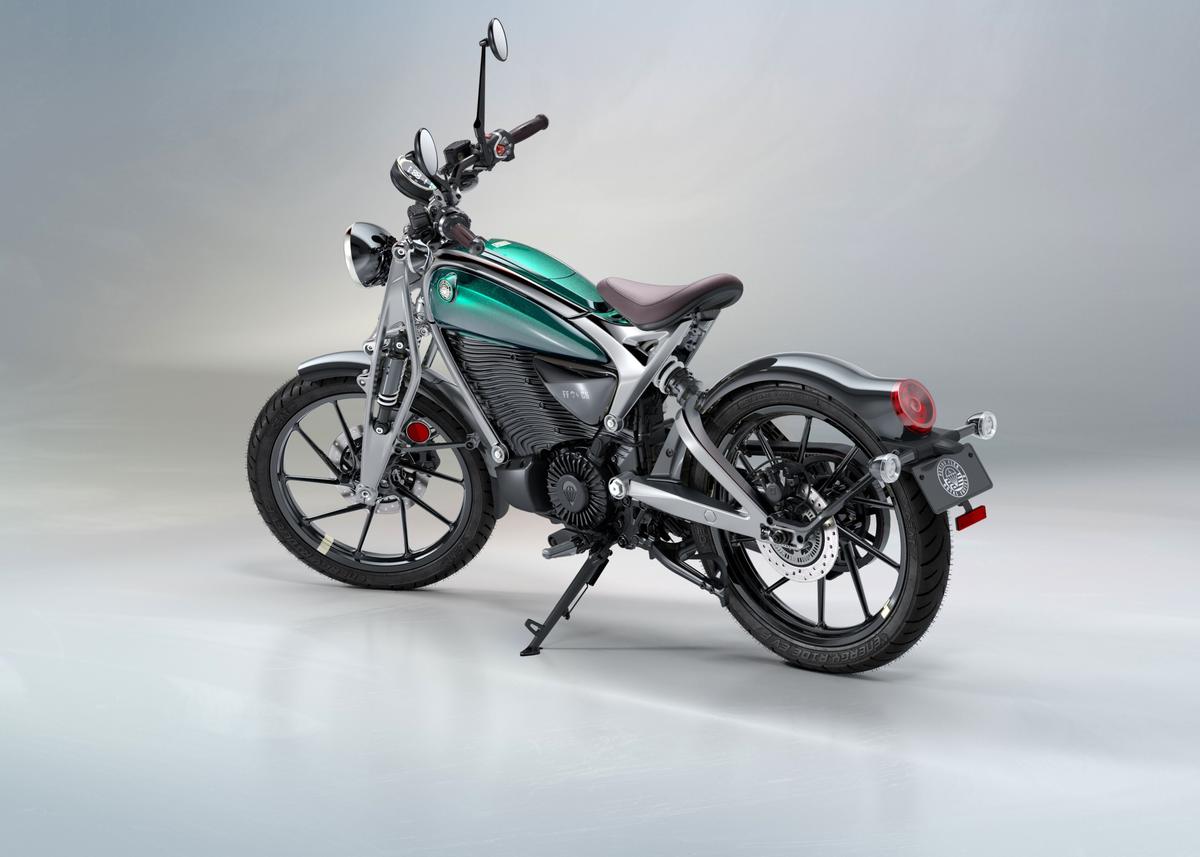
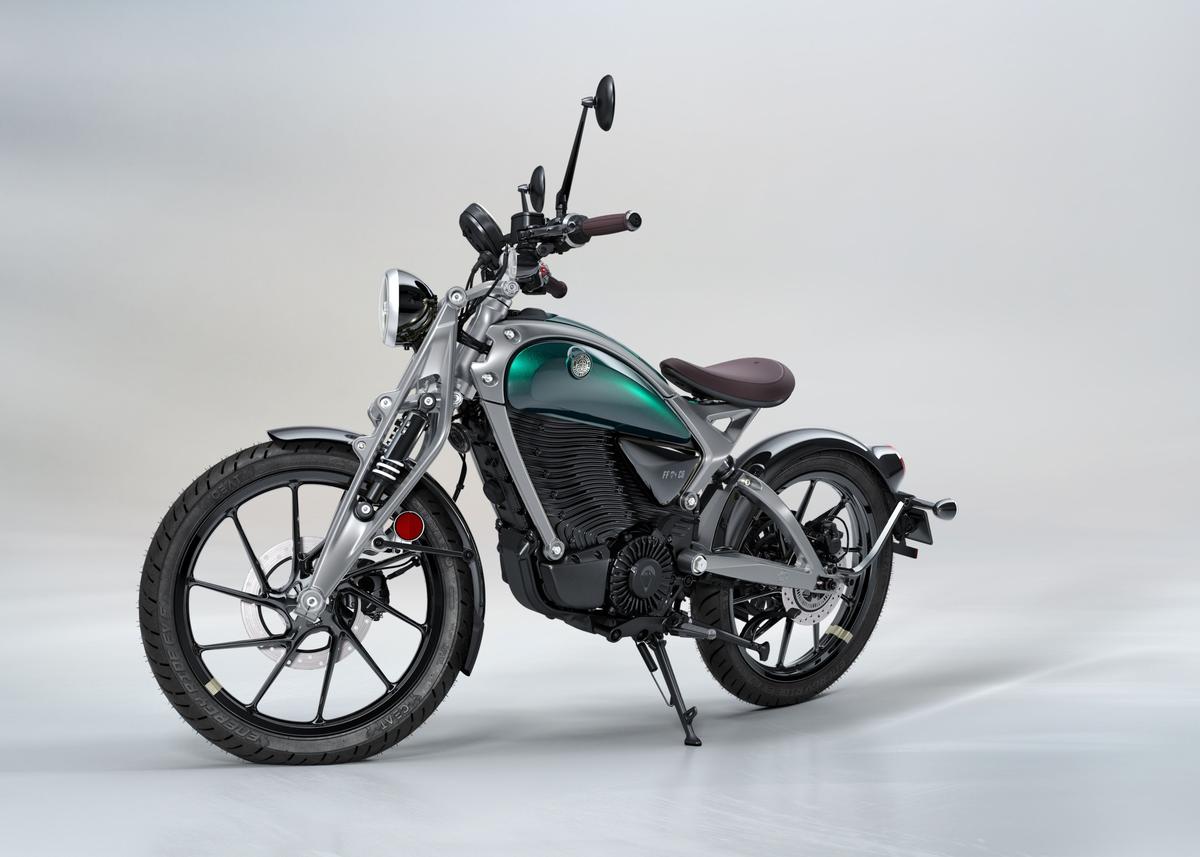
The most striking visual element of the C6 is its front suspension—a forged aluminum girder fork. This design choice is a deliberate nod to the original Flying Flea of the 1940s, yet it has been reimagined using modern materials for precision and weight reduction. The articulating mudguard and the finned battery casing—the latter serving both an aesthetic and a functional purpose for thermal management—give the bike a "retro-futuristic" silhouette.
Performance Specifications
At the heart of the C6 is a 3.91 kWh battery pack paired with a mid-mounted electric motor. This setup generates a peak power output of 15.4 kW and a maximum torque of 60 Nm. While these figures may seem modest compared to high-performance electric motorcycles, they are optimized for the urban environment. With a kerb weight of just 124 kg, the C6 boasts an impressive power-to-weight ratio, enabling a top speed of 115 km/h—more than sufficient for city expressways and congested boulevards.
Pricing and Accessibility
The Flying Flea C6 enters the market with a premium price tag of ₹2.79 lakh (ex-showroom). However, in a strategic move to lower the barrier to entry, Royal Enfield is introducing a "Battery-as-a-Service" (BaaS) model. This allows customers to purchase the motorcycle for ₹1.99 lakh, while paying a separate subscription or usage fee for the battery, effectively de-risking the most expensive component of the vehicle for the consumer.
Chronology: From Battlefield to Battery
The "Flying Flea" name is not a marketing invention but a historical legacy. Understanding the chronology of this brand helps contextualize why the C6 looks and feels the way it does.
1940s: The Original WD/RE
The original Flying Flea (the Royal Enfield WD/RE 125) was developed during World War II. It was a lightweight, 125cc motorcycle designed to be dropped by parachute from airplanes to assist paratroopers behind enemy lines. Its defining characteristics were simplicity, agility, and a low weight that allowed soldiers to carry it over obstacles.

2020–2024: Development and R&D
Royal Enfield spent several years in the "quiet phase" of EV development. While competitors rushed to market with electric scooters, the Chennai-based manufacturer invested in in-house hardware and software integration. The goal was to ensure that the first electric Royal Enfield did not feel like a "generic" EV but retained the brand’s DNA of characterful motorcycling.
April 2026: The Official Launch
The C6 was officially unveiled in April 2026, marking the birth of the Flying Flea sub-brand. This launch coincided with the opening of bookings and test rides, initially focused on the Bengaluru market—often cited as India’s "EV capital" due to its high tech-adoption rate and infrastructure.
May 2026 and Beyond: Deliveries and Expansion
Deliveries for the C6 are scheduled to commence in late May 2026. Following the initial rollout in Bengaluru, Royal Enfield plans to expand availability to other major metropolitan areas in India, followed by a phased international release in Europe and North America, where urban electric mobility demand is surging.
Supporting Data: Engineering the Urban Experience
The C6 is a data-driven machine, utilizing sophisticated electronics to manage both performance and safety.
Battery and Charging Metrics
- Battery Capacity: 3.91 kWh (Lithium-ion).
- Charging Infrastructure: The bike is compatible with a standard 16 Amp home wall socket.
- Efficiency: Under ideal conditions, the C6 can add approximately 1 km of range for every minute of charging.
- Charge Time: 20% to 80% capacity is achieved in just over 60 minutes via rapid charging modes.
- Regenerative Braking: The system recovers kinetic energy during deceleration, feeding it back into the battery to extend city range.
Weight Management
The 124 kg kerb weight is a significant achievement in the EV space. To reach this target, Royal Enfield utilized:
- Forged Aluminum Components: Used in the girder fork and frame sections to provide strength without the weight of steel.
- Integrated Battery Casing: The battery housing acts as a stressed member of the chassis, reducing the need for heavy auxiliary framing.
- Compact Motor Design: A high-density motor that minimizes physical footprint while maintaining torque delivery.
Safety and Tech Suite
The C6 is equipped with a six-axis Inertial Measurement Unit (IMU), which facilitates:
- Lean-Sensitive ABS: Adjusts braking pressure based on the bike’s lean angle to prevent low-side crashes.
- Traction Control: Manages motor torque to prevent wheel spin on slippery urban surfaces.
- Tip-Over Alert: Notifies the rider (and potentially emergency contacts) if the bike is dropped.
Official Responses: A Strategic Vision
While the Flying Flea C6 is the first product, Royal Enfield’s leadership has emphasized that it is the foundation of a much larger ecosystem.
In statements regarding the sub-brand, the company has highlighted that the Flying Flea is "software-defined." This means the motorcycle’s behavior can be altered via Over-the-Air (OTA) updates. The integration of 4G, Bluetooth, and WiFi connectivity allows the bike to "learn" from the rider’s habits, optimizing power delivery for their specific daily commute.
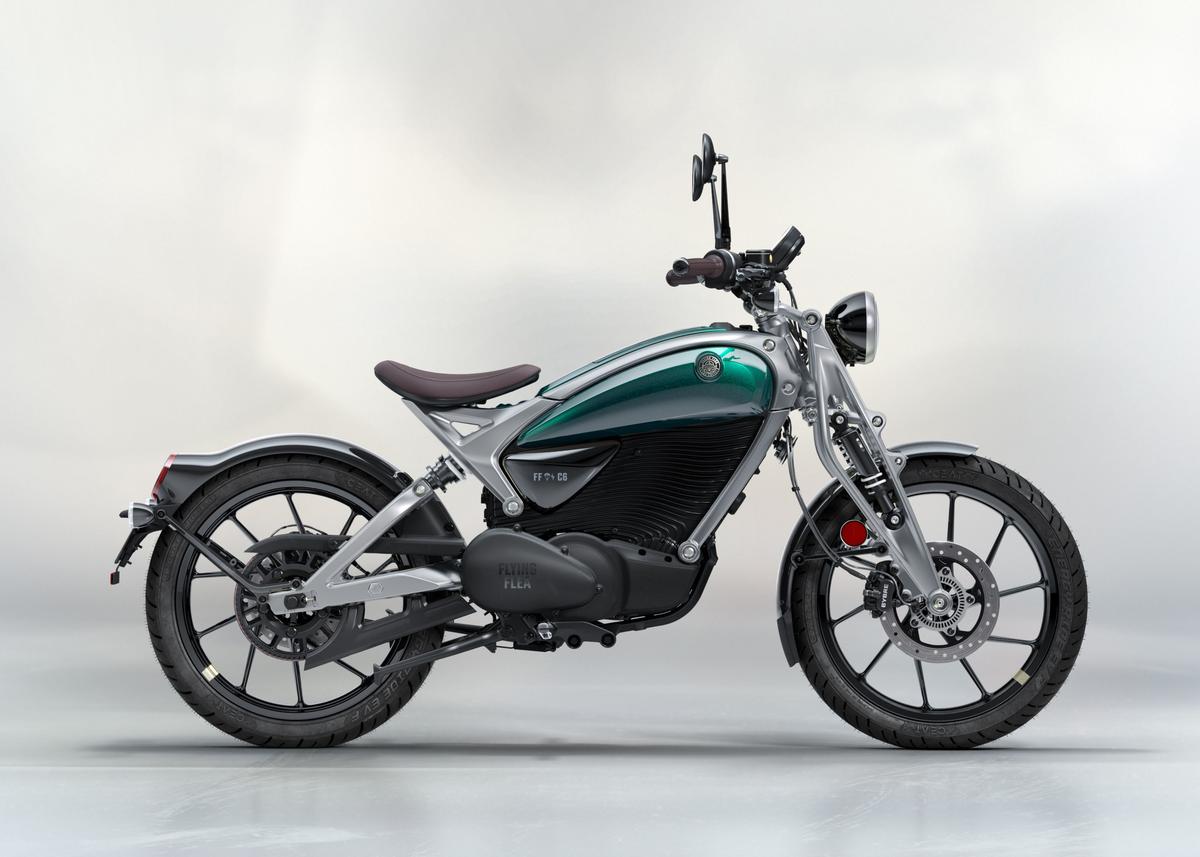
The company also addressed the choice of the "Flying Flea" name, stating that it represents a "spirit of freedom and agility." By distancing the electric range from the main "Royal Enfield" brand slightly via the sub-brand, they aim to attract a younger, tech-savvy demographic that may not have considered a traditional Bullet or Himalayan, while still leveraging the trust associated with the parent company.
On the manufacturing front, the C6 is produced on a dedicated EV line, ensuring that the precision required for electric powertrains is maintained separately from the high-volume ICE production lines.
Implications: Changing the Landscape of Motorcycling
The launch of the Flying Flea C6 has several far-reaching implications for the automotive industry and the consumer market.
1. The "Premiumization" of the Urban EV
For years, the Indian electric two-wheeler market has been dominated by functional, budget-oriented scooters. The C6 changes this narrative by positioning the electric motorcycle as a lifestyle choice and a piece of high-end technology. This "premiumization" could encourage other manufacturers to move away from purely utilitarian designs.
2. The BaaS Disruption
The introduction of the Battery-as-a-Service model at a ₹1.99 lakh price point is a critical experiment. If successful, it could solve the primary concern of EV buyers: battery degradation and resale value. By decoupling the battery cost from the vehicle cost, Royal Enfield is essentially offering a "future-proof" ownership experience.
3. Software as a Revenue Stream
With its deep connectivity features—navigation, remote monitoring, and live location sharing—the C6 opens the door for subscription-based software services. This mirrors the business models of Tesla and high-end European car manufacturers, where the vehicle becomes a platform for continuous digital engagement.
4. Environmental and Urban Impact
As cities worldwide implement stricter emission zones, the C6 provides a viable, stylish alternative for the daily commuter. Its lightweight nature also reduces the "wear and tear" on urban infrastructure compared to heavier electric SUVs, promoting a more sustainable form of individual transport.
Conclusion
The Flying Flea C6 is more than a motorcycle; it is a statement of intent. Royal Enfield has successfully bridged the gap between its heritage and a high-tech future. While the price point and the shift to electric power may challenge traditionalists, the C6’s combination of lightweight agility, sophisticated safety tech, and iconic design makes it a formidable contender in the race for the future of the city streets. As deliveries begin in 2026, the industry will be watching closely to see if the "Flea" can once again capture the imagination of a new generation of riders.
