In the ever-evolving landscape of wellness trends, the "zero gravity" sleep position has emerged as a prominent topic of discussion online. Touted by proponents as a panacea for a range of ailments – from alleviating back pain and reducing snoring to enhancing circulation and promoting deeper sleep – this sleep posture has captured the attention of many seeking a better night’s rest. But does this trending position hold genuine physiological benefits, or is it merely another fleeting phenomenon driven by social media algorithms? This in-depth exploration delves into the science behind the zero gravity sleep position, its potential advantages, who stands to benefit most, and crucial considerations before adopting it.
Unpacking the "Zero Gravity" Sleep Principle
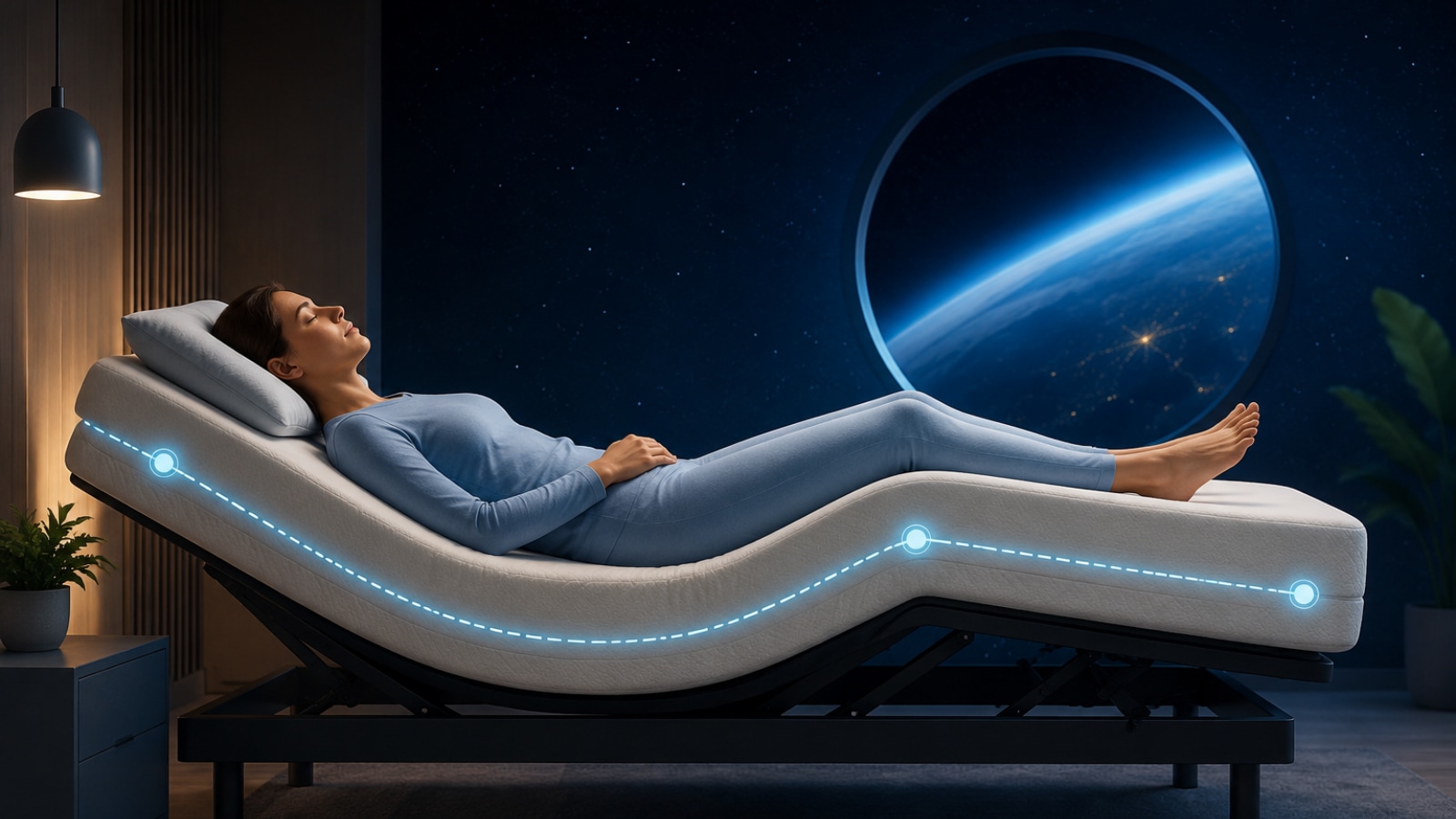
At its core, the zero gravity sleep position is grounded in a real physiological principle, according to Dr. Harish Chafle, a distinguished Senior Consultant in Chest Medicine, Bronchoscopy, Intensive Care, and Sleep Disorders at Gleneagles Hospitals, Parel, Mumbai. He explains that this position is characterized by a slight elevation of the head and legs, with bent knees. "It mimics the neutral body posture astronauts adopt in space to minimize spinal pressure," Dr. Chafle clarifies in an interview with indianexpress.com.
Instead of lying completely flat, the body is strategically positioned to distribute weight more evenly across its surface. This redistribution is key to reducing undue strain on the spine and joints, which are often subjected to concentrated pressure when lying flat. The aim is to create a state of reduced gravitational stress on the body, akin to the weightless environment experienced by astronauts.
The Science Behind Improved Sleep Quality
The question of whether the zero gravity position can genuinely enhance sleep quality is met with a qualified "yes" from experts like Dr. Chafle. He elaborates that the elevated head and legs work by reducing pressure points, which can have a cascading positive effect on sleep. "This position lowers snoring and improves circulation, potentially leading to fewer awakenings during the night," he states.
Furthermore, scientific observations suggest that this posture can aid in falling asleep faster. By relaxing the lumbar muscles and decreasing the workload on the heart, the body is better primed for restful sleep. Studies indicate that this posture can be particularly beneficial for individuals experiencing sleep disturbances related to physical discomfort or cardiovascular strain.
However, Dr. Chafle offers a crucial caveat, cautioning against viewing the zero gravity position as an absolute miracle solution. "If your mattress is of poor quality or you have no pre-existing pain issues, the benefits might be modest," he advises. He suggests that for some, it may function as a "clinical tool" to address specific health concerns, while for others, it might simply offer a "comfort upgrade." The effectiveness, therefore, is nuanced and depends on individual circumstances and existing health conditions.
A Boon for Back Pain Sufferers
One of the primary reasons for the surge in popularity of the zero gravity sleep position is its potential impact on spinal health. Dr. Chafle highlights that the posture facilitates an even distribution of body weight, thereby alleviating pressure on the lumbar spine and decompressing the intervertebral discs. This decompression can be particularly significant for individuals suffering from chronic back pain, sciatica, or those recuperating from spinal surgery.
Moreover, when combined with an appropriately chosen pillow that maintains a neutral neck position, the zero gravity posture can significantly reduce cervical strain. This means that the neck muscles are not unduly stretched or compressed, further contributing to overall comfort and spinal alignment.
The impact on lower back pain and sciatica can be substantial. Dr. Chafle notes that orthopedicians frequently recommend this position for such conditions. "For lower back pain, sciatica, or post-surgery recovery, many orthopedicians recommend it because it reduces 75% of spinal pressure versus flat lying," he emphasizes. This remarkable reduction in pressure can translate into a tangible improvement in pain levels and a decrease in morning stiffness, a common complaint among individuals with chronic back issues.
Identifying Those Who Benefit Most
While the zero gravity sleep position offers a broad range of potential benefits, certain individuals are poised to experience more pronounced advantages. The position’s ability to elevate the torso and legs makes it particularly well-suited for those grappling with a variety of conditions:
-
Acid Reflux and GERD: For individuals suffering from gastroesophageal reflux disease (GERD), keeping the head elevated is a cornerstone of management. Dr. Chafle explains, "Head elevation 6-8 inches keeps stomach acid down." This prevents the backward flow of stomach acid into the esophagus, reducing heartburn and other symptoms of reflux.
-
Sleep Apnea and Snoring: Elevating the torso can help maintain more open airways during sleep. This can be instrumental in reducing snoring and mitigating episodes of airway collapse associated with sleep apnea. By promoting better airflow, the position can contribute to more consistent and restorative breathing patterns throughout the night.
-
Circulatory Issues and Swollen Legs: The zero gravity position is highly beneficial for individuals experiencing swollen ankles, varicose veins, or general circulation-related discomfort. By elevating the legs above heart level, the position promotes venous return, encouraging blood to flow back towards the heart more efficiently. This can significantly alleviate swelling and improve overall leg circulation.
-
COPD and Heart Failure: For patients with Chronic Obstructive Pulmonary Disease (COPD) or heart failure, the reduced strain on the cardiovascular system and improved breathing capacity offered by this position can be a welcome relief.
-
Pregnancy: Pregnant women often find it challenging to find a comfortable sleeping position. The zero gravity posture can offer enhanced comfort by relieving pressure on the back and improving circulation, making it a more appealing alternative to lying completely flat.
However, it is crucial to reiterate Dr. Chafle’s emphasis that this position should be viewed as supportive care, not a definitive cure. "It’s supportive care, not a cure. Always combine with medical treatment," he strongly advises.
Potential Downsides and Precautions
Despite its numerous potential benefits, the zero gravity sleep position is not universally suitable. Certain individuals should exercise caution or consult their healthcare provider before adopting this sleeping posture:
-
Severe Glaucoma: Individuals with severe glaucoma may need to avoid sustained head elevation, as it can potentially increase intraocular pressure.

-
Advanced Arthritis and Hip Stiffness: For those with advanced arthritis or significant hip stiffness, sleeping with bent knees for extended periods might exacerbate joint stiffness and discomfort.
-
Shoulder Injuries: Certain shoulder injuries might be aggravated by the specific arm and shoulder positioning that can occur in this posture.
-
Incorrect Pillow Usage: While a neutral neck position is desirable, an excessively high pillow can lead to cervical strain. Conversely, a pillow that is too low might not provide adequate support. Finding the right pillow is paramount to achieving the intended benefits and avoiding new postural problems.
-
Acid Reflux Management: Individuals with acid reflux who adopt this position must ensure they do not slide down during the night. Sliding down can negate the benefits of head elevation, allowing stomach acid to flow back into the esophagus.
-
Nerve Compression: In rare instances, improper positioning might contribute to nerve compression or localized discomfort.
Dr. Chafle offers a clear directive: "Talk to your doctor before switching if you have cardiac, ocular, or joint conditions." A thorough consultation with a healthcare professional is essential to determine if the zero gravity sleep position is safe and appropriate for your individual health profile.
Conclusion: A Scientifically Supported Comfort Upgrade for Many
The "zero gravity" sleep position, far from being just another ephemeral social media trend, is rooted in sound physiological principles that can offer tangible benefits for a significant portion of the population. Its ability to redistribute body weight, reduce spinal pressure, improve circulation, and aid respiration makes it a valuable tool for managing a range of health concerns, from chronic back pain and sciatica to sleep apnea and acid reflux.
While it may not be a universal panacea, and certain individuals must exercise caution, the scientific backing and anecdotal evidence suggest that for many, the zero gravity sleep position can indeed be a significant "comfort upgrade" and a valuable adjunct to their overall well-being. As with any new health practice, the key lies in informed adoption, mindful execution, and, most importantly, consultation with healthcare professionals to ensure it aligns with individual health needs and goals.