


New Delhi, July 21, 2026 – The Indian entertainment industry, and indeed the nation, collectively held its breath as megastar Amitabh Bachchan, 83, shared a deeply personal account of his recent health ordeal. In a candid post on his personal Tumblr blog, Bachchan revealed that he underwent surgery and spent time in the intensive care unit (ICU) before returning home. This disclosure has illuminated a critical, yet often overlooked, aspect of recovery: the profound psychological and practical challenges that accompany homecoming after a significant medical procedure.
Bachchan’s words, imbued with his characteristic gravitas, painted a vivid picture of the vulnerability that even the most resilient individuals can experience. "…in Hospital in a surgery and in the ICU, under the care of proficient Doctors and medical Staff… a discharge… and a homecoming…," he wrote, succinctly detailing the initial stages of his recovery. However, it was his subsequent reflection that truly resonated, highlighting the arduous nature of the post-discharge phase. He described it as the "most difficult phase… physically, psychologically and practically… you are a revered Champion and one day a defeat stares at you… this is the most difficult phase of your life…"
This poignant admission from a figure synonymous with strength and unwavering public presence has underscored the universal human experience of confronting physical limitations and the mental fortitude required to navigate them. The veteran actor’s comparison of this period to a champion facing defeat struck a chord, emphasizing how illness can challenge one’s very identity, regardless of past achievements or public adoration.
The Crucial Post-Discharge Journey: Beyond the Operating Room
While Amitabh Bachchan did not disclose the specific nature of his surgery, his emphasis on the homecoming period as the "most difficult phase" has prompted a deeper examination of the recovery process. Experts in the medical and psychological fields have weighed in, underscoring that a successful surgical outcome is merely the first step in a much longer and often more demanding journey.
Dr. Sanjay Sonar, a consultant in general surgery and laparoscopy at Wockhardt Hospitals in Mumbai Central, highlighted the paramount importance of the post-discharge phase. "It often determines the long-term success of surgery," Dr. Sonar stated. "While the operation fixes the medical issue, healing continues well after the patient leaves the hospital. In fact, many complications, if they happen, are more likely to arise during this time rather than in the operating room."
This sentiment was echoed by Delnna Rrajesh, a psychotherapist and relationship breakthrough coach. "A successful surgery is important. So is expert medical care. But discharge does not always mean that healing is complete. In many ways, it marks the beginning of a more demanding journey," Rrajesh observed. She elaborated on the stark contrast between the controlled, supportive environment of a hospital and the comparative solitude of home. "Inside the hospital, the patient is surrounded by doctors, nurses, medical equipment and a structured routine. At home, that protection suddenly reduces."
Physical Recovery: The Bedrock of Healing
Dr. Sonar outlined the essential components of physical recovery post-surgery, emphasizing that a proactive approach is crucial to prevent complications and promote optimal healing. "Taking medications on time, caring for the surgical wound, eating a balanced, protein-rich diet, staying well-hydrated, and including plenty of fruits and green leafy vegetables can support healing and help prevent constipation – a common issue after surgery," he advised.
The importance of gradual physical activity, even in its simplest forms, was also stressed. "Gradually resuming physical activity as advised, even simple movements and short walks around the house, helps improve circulation and lowers the risk of deep vein thrombosis, which involves blood clots in the legs," Dr. Sonar explained.
Furthermore, vigilance for warning signs is paramount. Patients and their caregivers are urged to remain alert for indicators of potential complications. "Patients should stay alert for warning signs like fever, increasing pain, redness or discharge from the wound, persistent swelling, or breathing difficulties. Seeking prompt medical attention if any of these symptoms occur can prevent complications and ensure a safe recovery," Dr. Sonar cautioned.
The Psychological and Emotional Landscape of Recovery
Beyond the physical, the psychological and emotional toll of recovery is a significant factor, as highlighted by Amitabh Bachchan’s reflections. Delnna Rrajesh emphasized that the transition from hospital to home can be particularly challenging for individuals accustomed to independence and control.
"Pain may still be present. Mobility may be limited. Sleep may be disturbed. Appetite may fluctuate. Even simple daily tasks may require help," Rrajesh noted. "The person is no longer in immediate medical danger, but may still feel physically weak, emotionally unsettled and practically dependent. This transition can be especially difficult for people who have always been strong, independent and productive. A person who is used to leading, deciding, working and caring for others may suddenly need assistance to walk, bathe, eat or sleep comfortably."
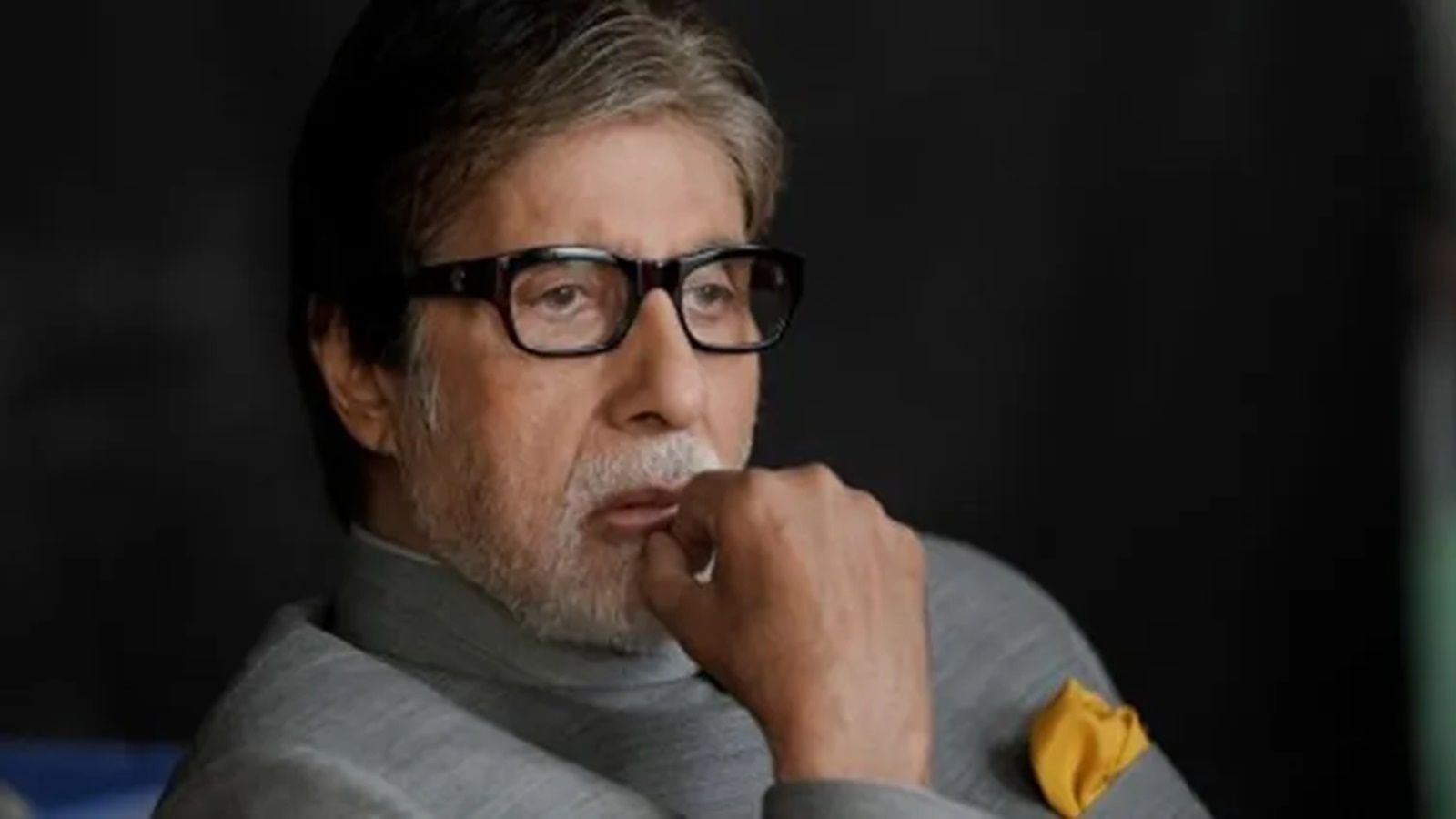
Rrajesh further elaborated on the deeper challenge: "The physical limitation is only one part of the struggle. The deeper challenge is psychological. The person may wonder whether they will ever feel fully capable again." This sentiment directly mirrors Bachchan’s poignant observation about a champion facing defeat, suggesting that illness can fundamentally challenge a person’s self-perception and identity, which are often built on a foundation of strength, productivity, and achievement.
"That is a powerful image because illness can challenge the identity we have built over many years. It reminds us that success, fame, discipline and achievement do not make the body invincible. The recovery period then becomes not only about healing the body, but also about rebuilding trust in oneself," Rrajesh added.
The Indispensable Role of Support Systems
The journey of recovery, as Amitabh Bachchan’s experience implicitly suggests and as experts confirm, is rarely a solitary endeavor. The presence and quality of support systems play a pivotal role in both physical and emotional healing.
"Recovery is rarely a one-person process," Rrajesh stated. "Family members, friends, caregivers, doctors, physiotherapists and mental health professionals may all have a role to play. However, support is most effective when it is coordinated. The patient should not have to repeatedly explain their pain, limitations or emotional state. The people around them must understand what help is needed and how long recovery may realistically take."
This coordinated approach ensures that the patient’s needs are met efficiently and empathetically, reducing the burden of communication and fostering a sense of being truly cared for.
Embracing Acceptance and Redefining Courage
A crucial, albeit often difficult, aspect of recovery involves acceptance. This means acknowledging that the healing process will take time, that routines may need to be adapted, and that old patterns of functioning might no longer be sustainable.
"A patient may need to accept that recovery will take time, that some routines must change and that old patterns may no longer be sustainable. This can be emotionally painful, especially for a person whose identity is closely connected to strength, productivity or independence. Yet acceptance is often the point at which genuine recovery begins," Rrajesh explained.
The concept of courage in the context of recovery also requires redefinition. It is not always about grand gestures or overcoming insurmountable odds with visible strength. Instead, it often manifests in quieter, more personal acts of resilience.
"The period after discharge therefore demands a different kind of courage," Rrajesh observed. "The courage to slow down. The courage to receive help. Yet recovery should not be judged harshly. Every person heals differently. Age, health, finances, support and medical condition all influence the journey. Courage does not always look dramatic. Sometimes courage is taking one more step, attending one more therapy session, accepting one more day of rest or asking for help without shame."
Amitabh Bachchan’s candid sharing, therefore, serves as a powerful reminder to the public and a testament to his own enduring spirit. It illuminates the complex, multifaceted nature of recovery, urging a greater understanding and appreciation for the physical, psychological, and emotional challenges that individuals face long after they have left the sterile confines of a hospital and returned to the familiar, yet suddenly altered, environment of home. His personal narrative, woven with expert insights, underscores that true strength lies not only in facing adversity but also in the quiet courage of vulnerability and the profound importance of human connection during times of healing.
