

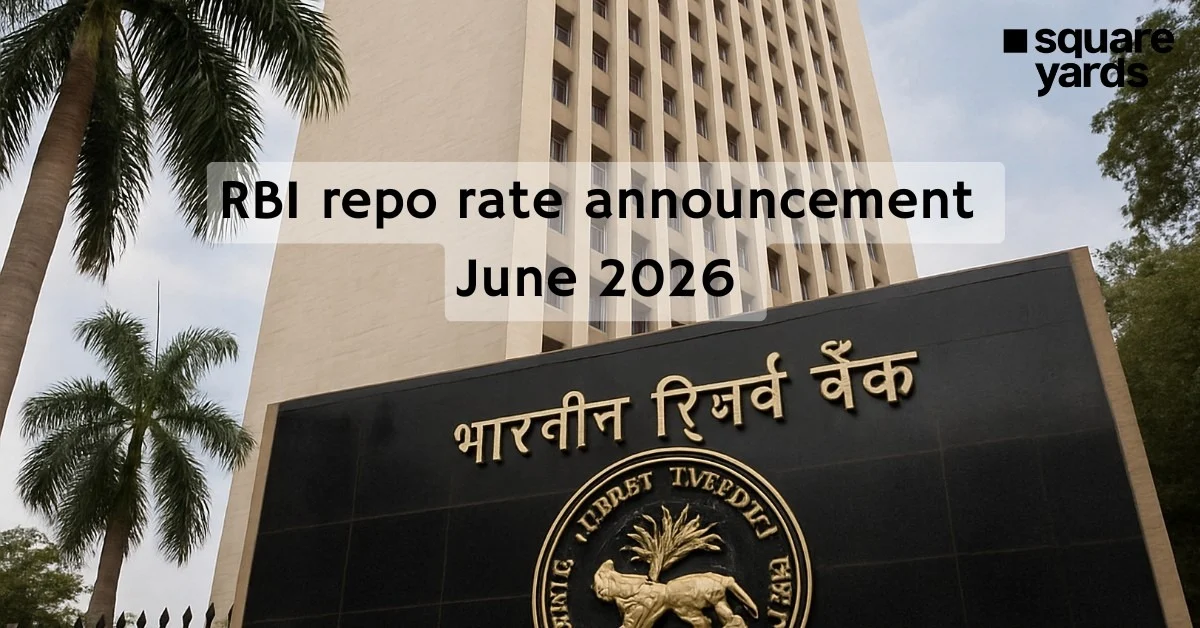
MUMBAI – In a move that signals a prioritized focus on macroeconomic stability over aggressive growth stimulation, the Reserve Bank of India (RBI) concluded its three-day Monetary Policy Committee (MPC) meeting on June 5th, 2026, by electing to keep the benchmark repo rate unchanged at 5.25%. This decision, announced by RBI Governor Sanjay Malhotra, marks a cautious "wait-and-watch" approach as the Indian economy navigates a complex landscape of cooling domestic growth and intensifying global volatility.
The decision to maintain the status quo extends to the central bank’s policy stance, which remains "neutral." By keeping the Standing Deposit Facility (SDF) rate at 5% and the Marginal Standing Facility (MSF) rate at 5.5%, the RBI aims to balance the dual imperatives of anchoring inflation expectations while ensuring that credit remains available to productive sectors of the economy.
I. Main Facts: The June 2026 MPC Mandate
The June 2026 policy announcement comes at a critical juncture for the Indian economy. The MPC’s decision to hold rates was unanimous, reflecting a collective agreement among the six members that the current monetary environment is appropriate given the prevailing risks.
Key Highlights of the Announcement:
- Repo Rate: Fixed at 5.25%.
- Policy Stance: Neutral, emphasizing data-dependence.
- GDP Projection: Revised downward to 6.6% for FY 2026-27 (from an earlier 6.9%).
- Inflation Forecast: Revised upward to 5.1% due to supply-side pressures.
- Liquidity Measures: SDF and MSF rates remain unchanged at 5% and 5.5%, respectively.
Governor Malhotra’s address highlighted that while the domestic economy remains resilient, the "triple threat" of geopolitical tensions, supply chain disruptions, and elevated energy prices necessitated a pause in any potential rate easing. The Governor noted that the central bank is prepared to act decisively should inflationary pressures breach the upper tolerance band, but for now, stability is the order of the day.
II. Chronology of the MPC Deliberations (June 3 – June 5, 2026)
The three-day meeting was characterized by intense scrutiny of both micro and macro-economic indicators.
Day 1: Assessing the Global Turmoil
The committee began the session on June 3rd by reviewing the international environment. The primary concerns centered on the lingering effects of geopolitical conflicts in Eastern Europe and the Middle East, which have continued to destabilize global energy markets. The committee noted that Brent crude prices remained stubbornly high, creating a persistent "imported inflation" risk for India.
Day 2: Domestic Growth vs. Inflationary Pressures
On June 4th, the focus shifted inward. The committee analyzed the impact of a projected sub-normal monsoon on food prices. With agriculture still a primary driver of rural demand, the threat of food inflation weighed heavily on the deliberations. Simultaneously, the committee reviewed the latest manufacturing and services PMI data, which showed a slight cooling, prompting the downward revision of the GDP growth forecast.
Day 3: The Final Consensus and Communication
The final day involved finalizing the vote and drafting the Governor’s statement. The committee reached a unanimous decision that a rate cut would be premature and could potentially de-anchor inflation expectations, while a rate hike might unnecessarily stifle the credit growth that is currently supporting industrial investment.
III. Supporting Data: The Macroeconomic Landscape
To understand the RBI’s caution, one must look at the underlying data points that guided the MPC’s hand.
The Growth-Inflation Trade-off
The revision of the GDP growth forecast from 6.9% to 6.6% reflects a recognition of "fading tailwinds." While urban consumption remains robust, the combination of high energy costs and global trade slowing down has impacted the manufacturing sector’s margins. On the flip side, the inflation projection was adjusted to 5.1%, primarily due to the "sticky" nature of core inflation and the anticipated volatility in vegetable and cereal prices following the monsoon forecast.
Credit Growth and Liquidity
Despite the cautious stance on rates, the RBI reported healthy trends in the credit market:
- Overall Credit Growth: 15.4% Year-on-Year (YoY).
- Bank Credit Expansion: Surpassing 16% YoY.
- Capacity Utilization: Hovering near decadal highs, suggesting that private CAPEX (Capital Expenditure) is poised for a breakout if the environment remains stable.
The Governor emphasized that the banking system remains well-capitalized, with Non-Performing Assets (NPAs) at historic lows, providing a "cushion of safety" against global financial shocks.
IV. Official Responses: Insights from Industry Leaders
The reaction from the financial and real estate sectors has been largely positive, with experts viewing the RBI’s decision as a stabilizing force.
The Institutional Perspective
Governor Sanjay Malhotra clarified the RBI’s position during the post-policy press conference: "Government CAPEX is expected to remain robust, while elevated capacity utilization and sustained credit flows are supportive of corporate investment. However, cost escalation and heightened uncertainty could dampen investor sentiment. We are remaining data-dependent to ensure we don’t overreact to transitory shocks."
The Real Estate Vanguard
For the real estate sector, which is highly sensitive to interest rate fluctuations, the status quo is being celebrated as a win for "predictability."
Tanuj Shori, Founder & CEO of Square Yards, highlighted the global implications: "These initiatives are expected to support capital inflows, strengthen investor confidence, and reinforce India’s position as a preferred global investment destination. For the real estate sector, stronger economic sentiment and deeper engagement from the global Indian diaspora could translate into increased interest in residential assets."
Bhavesh Kothari, Founder & CEO of Property First Realty, focused on the psychology of the homebuyer: "Stable interest rates help maintain buyer confidence and support purchasing decisions, particularly among end-users who continue to view real estate as a long-term investment. We expect demand to remain resilient, especially in the premium and luxury segments."
Ankur Jalan, CEO of Golden Growth Fund (GGF), pointed toward a structural shift in the market: "The decision reflects a cautious approach amid geopolitical uncertainties. We are seeing a shift of investment from the Middle East and a growing ‘financialization’ of real estate. Investors value the stability and predictability that the RBI is providing."
V. Implications for the Real Estate Sector
The decision to hold the repo rate at 5.25% has profound implications for various stakeholders within the real estate ecosystem.
1. Homebuyers: The Return of the Long-Term Perspective
For the average homebuyer, the "pause" in rate hikes is a major relief. With home loan rates remaining stable, the monthly EMI (Equated Monthly Installment) burden remains predictable. This is particularly crucial for the "aspirational" middle class, which had been wary of a rising interest rate cycle. The stability allows for better long-term financial planning, likely sustaining the sales momentum seen in the first half of 2026.
2. Developers: Stability in Financing and Execution
Developers are currently facing a double-edged sword: rising input costs (cement, steel, and energy) and the need for affordable project financing. By keeping the repo rate unchanged, the RBI has ensured that the cost of construction finance does not spike.
However, as Navin Dhanuka, Director at ArisUnitern RE Solutions Pvt. Ltd., points out, the focus is shifting from "survival" to "execution": "The next phase of industry growth will be driven by execution excellence, timely project delivery, and greater predictability across the development lifecycle. Developers who can combine financial discipline with efficient execution will be best positioned."
3. The Luxury and Premium Segments
Data suggests that the luxury segment (properties priced above INR 3 Crore) is less sensitive to interest rate changes than the affordable housing segment. The RBI’s neutral stance reinforces the "wealth effect" among High-Net-Worth Individuals (HNIs) and the diaspora, who view Indian real estate as a safe haven amid global currency fluctuations.
4. Foreign Direct Investment (FDI) and NRI Interest
With interest rates in many Western economies remaining volatile, India’s 5.25% repo rate—coupled with a stable neutral stance—makes the Indian market attractive for Non-Resident Indians (NRIs). The "financialization" of the sector through REITs (Real Estate Investment Trusts) and fractional ownership platforms is expected to gain further traction as investors seek yield-backed assets.
VI. Looking Ahead: The Road to Q3 2026
The RBI has made it clear that its future path is not pre-determined. The "neutral" stance gives the MPC the flexibility to move in either direction.
Factors to Watch in the Coming Months:
- The Monsoon Progress: If the sub-normal monsoon leads to a significant spike in food inflation, the RBI may be forced to reconsider its neutral stance in favor of a "withdrawal of accommodation."
- Energy Prices: Any further escalation in Middle Eastern tensions could push oil prices to levels that threaten India’s fiscal deficit and inflation targets.
- Global Central Bank Actions: If the US Federal Reserve or the European Central Bank begins a cycle of aggressive rate cuts, the RBI may find room to lower rates later in the year to prevent excessive capital inflows and rupee appreciation.
Conclusion
The June 2026 Monetary Policy announcement is a testament to the RBI’s commitment to "stability over speed." By holding the repo rate at 5.25%, the central bank is providing the real estate sector and the broader economy with a much-needed period of predictability. While the downward revision of GDP growth and the upward revision of inflation projections serve as a sober reminder of the challenges ahead, the continued strength of credit growth and domestic investment suggests that India remains on a resilient path.
For the real estate industry, the message is clear: the era of "easy money" may be in the past, but the era of "stable growth" is very much here. Success in the coming quarters will depend less on interest rate arbitrage and more on execution, transparency, and the ability to cater to an increasingly discerning and globalized buyer base.
