

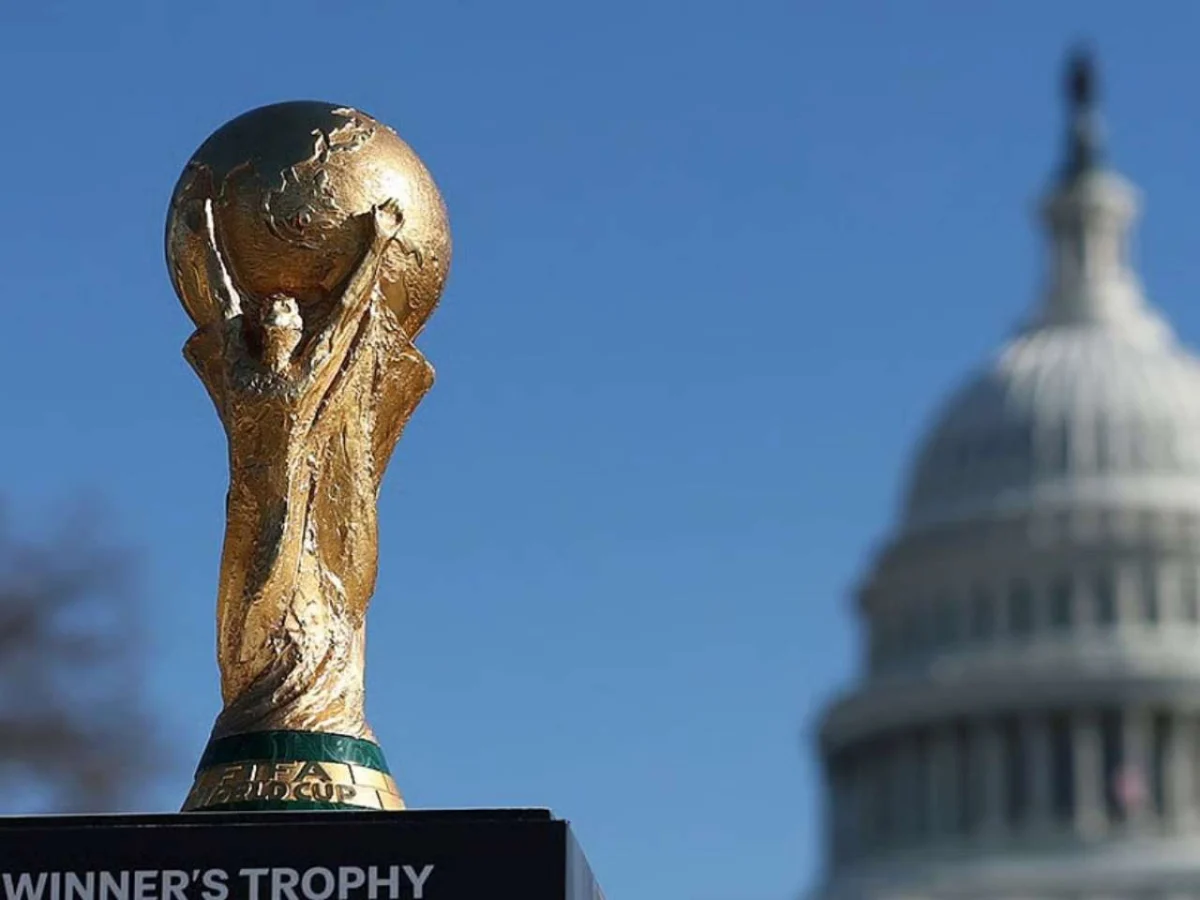
Toronto, Canada & Los Angeles, USA – June 13, 2026 – The second day of the FIFA World Cup 2026 delivered a captivating blend of on-field drama and off-field geopolitical complexities, showcasing both the unifying power of football and the intricate challenges of hosting a global spectacle across multiple nations. Canada, one of the co-host nations, secured a momentous and hard-fought 1-1 draw against Bosnia and Herzegovina, earning their first-ever World Cup point. Meanwhile, fellow co-host the United States kicked off their campaign with a dominant 4-1 victory over Paraguay. These celebratory moments, however, were partially overshadowed by a series of high-profile visa denials and delays, highlighting the delicate balance between national sovereignty and international sporting aspirations.
The day’s events unfolded across North America, with Toronto Stadium witnessing a historic Canadian achievement and Los Angeles roaring to life for a commanding US performance. Yet, away from the fervent crowds and electric atmospheres, the quiet bureaucratic machinery of international travel and immigration sparked debates and raised questions about access and participation in the world’s most watched sporting event.
Canada Secures Historic Point on Home Soil in Thrilling Draw Against Bosnia and Herzegovina
Main Facts: In a momentous Group B encounter at Toronto Stadium, Canada, playing their first-ever World Cup match on home soil, fought back from a goal down to secure a historic 1-1 draw against Bosnia and Herzegovina. Substitute Cyle Larin emerged as the hero, scoring a dramatic equalizer in the 78th minute, etching Canada’s name into the World Cup history books with their first-ever point in the tournament.
Chronology:
The air in Toronto was thick with anticipation as Canada stepped onto the pitch, marking their third World Cup appearance and a significant milestone as a host nation. The opening minutes saw both teams testing the waters, with Canada’s early enthusiasm met by Bosnia’s disciplined defensive shape. The deadlock was broken in the 21st minute when Bosnia and Herzegovina’s forward, Jovo Lukić, capitalized on a defensive lapse. A swift counter-attack saw Lukić receive the ball just inside the box, where he expertly slotted it past the Canadian goalkeeper, silencing the home crowd momentarily.
)
For much of the remainder of the first half and deep into the second, Bosnia appeared poised to clinch a crucial victory. They maintained their defensive solidity, frustrating Canadian attacks and looking dangerous on occasional counter-punches. The Canadian side, spurred on by their home support, pushed relentlessly for an equalizer, but clear-cut chances were few and far between.
The turning point arrived in the 78th minute. Canadian coach made a strategic substitution, bringing on Cyle Larin, whose fresh legs and attacking prowess immediately injected renewed vigour into the team. A well-worked move down the left flank culminated in a precise cross into the penalty area. Larin, demonstrating clinical finishing, rose above his marker to head the ball powerfully into the net, sending Toronto Stadium into an absolute frenzy. The roar of the crowd was deafening, a mixture of relief, joy, and national pride. The final whistle confirmed the 1-1 draw, a result that felt like a victory for the host nation.

Supporting Data: This draw was not merely a point; it was a profound historical achievement for Canadian football. In their two previous World Cup appearances (Mexico 1986 and Qatar 2022), Canada had failed to earn a single point across six group matches, scoring just two goals in total during those campaigns. The late equalizer by Larin marked their third goal in World Cup history and, more significantly, their first-ever point, achieved in front of their fervent home supporters. The match itself also represented Canada’s inaugural World Cup fixture on their own turf, adding another layer of significance to the outcome.
Official Responses: While official post-match comments were still emerging, early reactions from the Canadian camp were expectedly jubilant. The Canadian coach likely lauded his team’s resilience and fighting spirit, particularly Larin’s impactful contribution from the bench. The point gained provides a crucial foundation for their Group B campaign, offering a tangible reward for their efforts and a significant confidence boost as they face tougher challenges ahead. Bosnian coach, on the other hand, likely expressed disappointment at conceding a late equalizer, acknowledging Canada’s perseverance while perhaps lamenting his team’s inability to see out the victory.
)
Implications: The historic draw carries immense implications for Canadian football. Beyond the statistical milestone, it represents a psychological breakthrough, demonstrating their capacity to compete at the highest level. For the fans, it validates years of investment and passion in the sport, solidifying the legacy of co-hosting this monumental tournament. In Group B, this point could prove vital in a tightly contested group, keeping Canada’s hopes of advancing to the knockout stages alive. It also sets a positive tone for their remaining group stage matches, fostering belief and momentum within the squad and among the Canadian populace.
United States Dominates Paraguay in Powerful Opening Statement
Main Facts: In Los Angeles, the United States men’s national team initiated their FIFA World Cup 2026 campaign with a commanding 4-1 victory over Paraguay. Forward Folarin Balogun was the star of the show, netting two goals in a superb individual performance that spearheaded the US attack and set a formidable tone for their tournament aspirations.
)
Chronology:
The atmosphere at the Los Angeles stadium was electric as the USMNT, playing on home soil, kicked off their World Cup journey. From the outset, the American side asserted their dominance, pressing high and controlling possession. Their attacking intent was clear, and it wasn’t long before they translated their pressure into goals.
Folarin Balogun, a player who has rapidly risen through the ranks, proved to be the focal point of the US attack. His first goal came midway through the first half, a testament to his sharp movement and clinical finishing inside the box. Not content with just one, Balogun added a second before halftime, further solidifying the USA’s commanding lead. His brace showcased his growing maturity and predatory instincts in front of goal. The American hosts continued to apply pressure, with their dynamic midfield and wide players creating numerous opportunities. By the end of the first half, the scoreline reflected their superiority, with the USA firmly in control.
)
Paraguay, despite being three goals down by the interval, showed flashes of resistance in the second half, managing to pull one goal back. However, the US quickly extinguished any hopes of a comeback by adding a fourth goal, restoring their three-goal cushion and sealing a comprehensive victory. The final whistle confirmed a resounding 4-1 win for the host nation.
Supporting Data: This 4-1 triumph marked one of the United States’ most emphatic opening wins in a World Cup tournament, immediately signaling their intent and capabilities to the rest of the world. The performance was characterized by fluid attacking play, strong defensive organization, and efficient finishing, particularly from Balogun. The overwhelming support from the home crowd in Los Angeles undoubtedly played a significant role, providing an added impetus to the American players.
)
Official Responses: The US coach, following the match, would undoubtedly express immense satisfaction with the team’s performance, particularly highlighting Balogun’s stellar contribution. The focus would be on maintaining this momentum and building upon the strong foundation laid in their opening fixture. Players would likely speak of the energy from the home crowd and the collective effort that led to such a dominant display. For Paraguay, the coach would face the challenge of regrouping his team, analyzing their defensive frailties, and preparing for their next crucial group match.
Implications: The dominant victory serves as a powerful statement of intent from the United States. It not only provides a massive boost in goal difference, which could be crucial in group standings, but also instills significant confidence within the squad. Playing as a host nation carries immense pressure, and a strong start like this can alleviate some of that burden, allowing the team to play with more freedom and belief. For the American public, it ignites further enthusiasm for the tournament, fostering a sense of national pride and optimism about their team’s prospects on home soil. The win firmly places the USA as a strong contender within their group, setting a high bar for their subsequent opponents.
)
Off-Field Shadows: Visa Controversies Cast Pall Over Early Tournament Days
Main Facts: While the on-field action brought joy and excitement, the opening days of the FIFA World Cup 2026 have been significantly marred by a series of off-field controversies revolving around visa denials and delays for key personnel. These incidents have highlighted the complex interplay between host nation sovereignty, international sporting conventions, and individual circumstances, drawing attention away from the beautiful game.
Chronology:
The first prominent case emerged even before the second day of matches, involving Ghana’s star midfielder, Thomas Partey. Reports confirmed that Partey was denied a visa by Canadian authorities, preventing his entry into the country for the tournament. This denial came amidst ongoing legal proceedings in London, where Partey is facing multiple rape charges, allegations he has vehemently denied.
)
Separately, another incident surfaced concerning referee Omar Abdulkadir Artan from Somalia. According to earlier reports, Artan was denied entry to the United States, raising questions about the criteria for officials’ participation and the screening processes involved.
Most recently, Palestinian Football Association president Jibril Rajoub added to the growing list of visa-related issues. Rajoub publicly stated that he had not yet been granted a US visa, despite having attended the opening match between Mexico and South Africa in Mexico City. His inability to enter the United States, where several federation officials are scheduled to attend matches, has sparked concerns about diplomatic representation and the universal nature of FIFA events.
)
Supporting Data: Host nations, by international law, retain sovereign control over their borders and immigration policies. While FIFA aims to ensure unimpeded access for accredited personnel crucial to the tournament’s operation, this objective must navigate the national security and legal frameworks of the host countries. In Partey’s case, Canadian immigration law typically allows for the denial of entry to individuals facing serious criminal charges, irrespective of whether a conviction has occurred. This is often based on public safety concerns and the integrity of the country’s borders. For both Artan and Rajoub, the specific reasons for denial or delay by US authorities remain undisclosed, but such decisions can stem from various factors including security assessments, administrative hurdles, or broader geopolitical considerations. FIFA traditionally invites heads of football associations globally to the World Cup as part of its commitment to global representation, making Rajoub’s situation particularly sensitive from a diplomatic standpoint.
Official Responses:
)
- Regarding Thomas Partey: While no official statement has been released from Canadian immigration authorities directly addressing Partey’s case, it is widely understood that the decision aligns with Canada’s stringent immigration laws concerning individuals facing serious criminal allegations. The Ghana Football Association has likely expressed disappointment and concern, potentially exploring avenues for appeal or clarification, though such efforts are often challenging against sovereign immigration decisions. The implications for Ghana’s team are significant, as Partey is a pivotal player.
- Regarding Omar Abdulkadir Artan: US authorities have not provided public commentary on individual visa applications. FIFA, however, would likely engage with the host nation’s immigration department to understand the reasons behind the denial and advocate for the participation of accredited officials, emphasizing the importance of a diverse and impartial refereeing pool for the tournament’s integrity. The denial of a referee, a neutral party essential to the game, raises broader questions about the fairness and universality of access.
- Regarding Jibril Rajoub: The Palestinian Football Association has publicly highlighted Rajoub’s predicament, expressing concern over the delay in his US visa. While the Palestinian national team did not qualify, Rajoub’s presence as a FIFA-invited official is symbolic. The US State Department generally does not comment on individual visa cases. FIFA is likely to be in communication with both Rajoub and US authorities, seeking to facilitate his entry, given the traditional protocol of inviting all FIFA member association presidents to the World Cup. This situation could become a minor diplomatic incident, highlighting the ongoing political complexities surrounding the Palestinian Authority.
Implications: These visa controversies cast a shadow over the festive atmosphere of the World Cup.
- For Thomas Partey, his absence is a significant blow to the Ghanaian national team, impacting their tactical options and overall squad strength. It also reignites debates about player conduct and the moral responsibilities of athletes participating in global events, even when allegations are unproven.
- The denial of Omar Abdulkadir Artan underscores the bureaucratic challenges faced by officials from certain regions, potentially impacting the diversity and experience within the refereeing corps. It raises questions about the consistency of visa application processing for all accredited tournament personnel.
- Jibril Rajoub’s situation highlights the delicate intersection of sports and politics. His role as Palestinian Football Association president often places him at the forefront of international sporting diplomacy, and a denied or delayed visa to a host nation could be perceived as a political slight or an impediment to full global representation at FIFA’s flagship event.
Collectively, these incidents serve as a stark reminder that even in the unifying spirit of sport, the sovereign laws and political realities of host nations wield ultimate authority, sometimes at the expense of seamless international participation and the ideals of universal access that FIFA promotes.
)
Broader Implications: Navigating the Complexities of a Multi-Host World Cup
The visa controversies, juxtaposed against the on-field heroics, underscore the unique and unprecedented challenges of hosting a FIFA World Cup across three distinct nations – Canada, Mexico, and the United States. While the multi-host format promises a broader reach and enhanced fan experience, it inherently multiplies the logistical and diplomatic complexities. Each host nation maintains its own immigration laws, security protocols, and foreign policy considerations, creating a labyrinthine environment for FIFA and participating delegations.
FIFA’s role, traditionally one of facilitating international sporting exchange, is tested in this multi-jurisdictional landscape. While FIFA endeavors to ensure a smooth flow of players, officials, and media, its authority is ultimately subservient to the national sovereignty of its host countries. The incidents involving Partey, Artan, and Rajoub highlight the potential for friction when these two spheres collide. They demonstrate that the "spirit of the game" must sometimes contend with the "letter of the law" as interpreted by individual governments.
)
These early challenges serve as a crucial learning curve for the tournament organizers. Ensuring that future matches and events across the three host nations proceed without similar disruptions will require heightened coordination, transparent communication, and potentially pre-emptive diplomatic efforts from FIFA and the host governments. The World Cup is a celebration of global unity through sport, but these initial hurdles remind us that this unity is often built upon a foundation of intricate legal, political, and logistical negotiations.
Conclusion:
Day 2 of the FIFA World Cup 2026 offered a microcosm of the tournament’s grand narrative: exhilarating sporting moments intertwined with sobering off-field realities. Canada’s historic point and the USA’s dominant victory ignited national pride and set promising tones for their respective campaigns. Yet, the persistent shadow of visa denials and delays, affecting players, officials, and dignitaries, underscored the inherent complexities of staging an event of this magnitude across multiple sovereign nations. As the tournament progresses, the world will watch not only the unfolding drama on the pitch but also how the organizers navigate the intricate challenges that lie beneath the surface, ensuring that the spirit of global football truly transcends all borders.
