

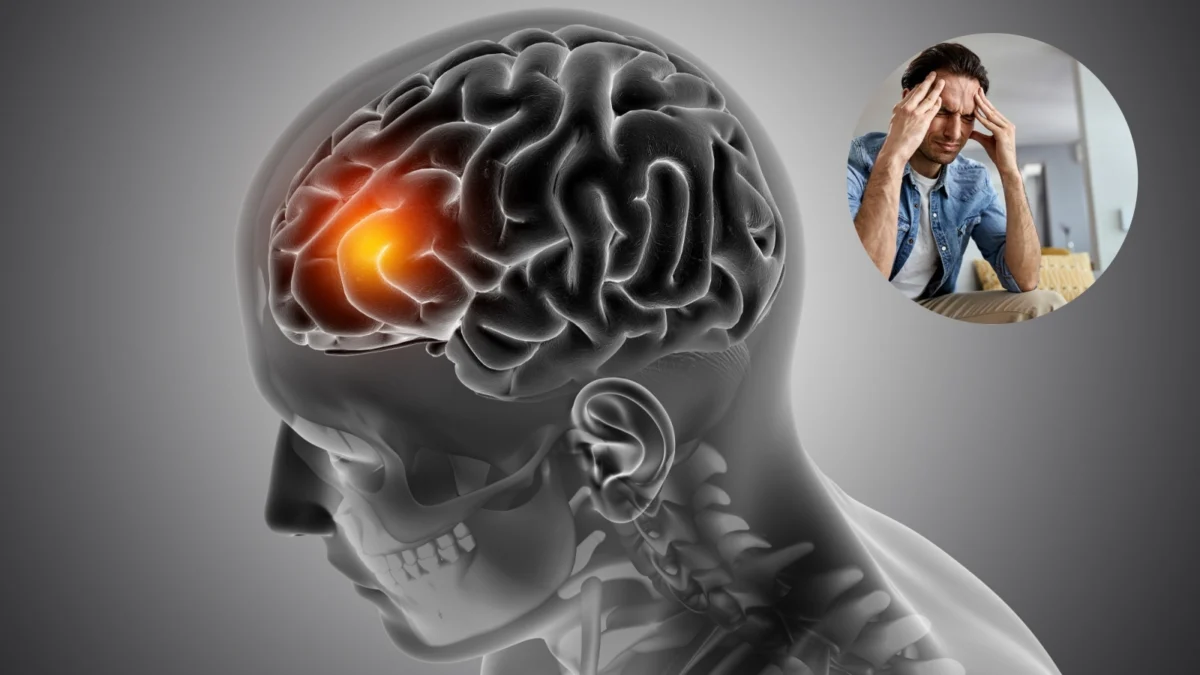
Headaches are a ubiquitous part of the human experience, a daily nuisance for millions worldwide. Often dismissed as the inevitable byproduct of stress, insufficient sleep, dehydration, or digital eye strain, these common ailments rarely signal grave danger. However, a critical question lingers for those who experience them: how does one differentiate between a fleeting discomfort and a symptom demanding immediate medical attention?
According to Dr. Keval Shukla, a distinguished Consultant Brain and Spine Surgeon at Wockhardt Hospitals in Mumbai Central, the distinction often lies not solely in the headache itself, but in the accompanying symptoms and any significant deviations from a person’s typical headache patterns. This nuanced perspective is crucial, as some of the most concerning underlying conditions can initially present with symptoms eerily similar to everyday headaches.
The Deceptive Simplicity of Headaches: Separating the Common from the Concerning
A prevalent misconception surrounding brain tumors is that they invariably manifest as excruciating headaches. In reality, this is far from the truth. Many individuals diagnosed with brain tumors initially experience headaches that are indistinguishable from common tension headaches or migraines. Dr. Shukla emphasizes this point, stating, "Most headaches are not caused by brain tumors. The concern arises when a headache shows a different pattern from what a person usually experiences."
This shift in pattern is a critical indicator. A headache that feels "different," more intense, or follows a new trajectory than what an individual has become accustomed to, warrants closer examination. This is particularly true when these headaches are accompanied by a constellation of other neurological signs and symptoms.
Unveiling the "Red Flags": When to Seek Immediate Medical Evaluation
Dr. Shukla outlines several "red flag" symptoms that should never be ignored, as they may indicate a more serious underlying neurological issue, including a brain tumor. These critical warning signs include:
- Sudden, Severe Headaches: A headache that comes on abruptly and reaches its peak intensity within seconds or minutes, often described as a "thunderclap" headache, is a medical emergency and requires immediate attention.
- Headaches Worsening Over Time: While most headaches are episodic and resolve with rest or simple remedies, a headache that steadily increases in frequency or intensity, or that doesn’t respond to usual treatments, should be investigated.
- Headaches Accompanied by Neurological Deficits: This is arguably the most crucial category of red flags. Dr. Shukla states, "A headache accompanied by nausea, vomiting, blurred vision, weakness in an arm or leg, speech difficulty, or seizures deserves medical attention." These symptoms indicate that the brain’s function is being compromised.
- Nausea and Vomiting: Persistent or projectile vomiting, especially when not associated with an upset stomach, can be a sign of increased intracranial pressure.
- Vision Disturbances: Blurred vision, double vision (diplopia), loss of peripheral vision, or seeing flashing lights can occur when a tumor presses on the optic nerves or affects the visual processing centers of the brain.
- Motor Weakness or Numbness: Unexplained weakness or numbness in any part of the body, particularly on one side, is a significant neurological symptom.
- Speech Difficulties: Trouble finding words, slurring speech, or difficulty understanding spoken language can point to a tumor affecting the language centers of the brain.
- Seizures: New-onset seizures, regardless of their presentation (focal or generalized), are a serious symptom that necessitates prompt medical evaluation.
- Headaches Associated with Fever or Stiff Neck: While less common as a primary indicator of brain tumors, these symptoms can point to infections like meningitis or encephalitis, which are also serious conditions requiring medical intervention.
- Headaches that Disrupt Sleep or Daily Activities: A headache that is severe enough to wake you from sleep or significantly interfere with your ability to perform daily tasks is a cause for concern.
Dr. Shukla reiterates the core principle: "The key is not the headache alone, but the change in pattern and the presence of other neurological symptoms." This holistic approach to symptom assessment is vital for accurate diagnosis and timely intervention.
The Silent Unveiling: Subtle Signs of a Brain Tumor Beyond Headaches
Beyond the more overt red flags, brain tumors can sometimes present with a range of subtle, seemingly unrelated symptoms that can be easily overlooked or misattributed to other causes like stress, fatigue, or aging. Dr. Shukla highlights these insidious signs:
Vision Problems: More Than Just Eye Strain
Persistent blurred vision, double vision, or unexplained visual disturbances can arise when a tumor affects the parts of the brain responsible for processing sight or when it leads to increased pressure within the skull. These symptoms can be progressive and may not always be accompanied by pain.
Cognitive and Linguistic Shifts: The Elusive Changes
Subtle changes in cognitive function can be among the most easily dismissed symptoms. "A person may notice increasing forgetfulness, trouble concentrating, or difficulty finding words during conversations," explains Dr. Shukla. These issues can be mistaken for normal aging, stress, or burnout, leading to delayed diagnosis. The inability to recall recent events, a decline in problem-solving abilities, or a noticeable struggle with language can be early indicators of tumor growth.
Personality and Behavioral Alterations: A Shift in Demeanor
Tumors located in specific areas of the brain can influence mood, decision-making, emotional regulation, and overall behavior. Changes in personality, such as increased irritability, apathy, anxiety, or uncharacteristic impulsivity, can manifest. Often, it is family members or close friends who first observe these subtle shifts in a person’s demeanor, as the individual themselves may not recognize the changes.
Balance and Motor Impairment: The Wobble and Weakness
Issues with balance, frequent stumbling, or a noticeable weakness on one side of the body can be indicative of a tumor affecting the cerebellum or motor pathways. These symptoms can impact mobility and increase the risk of falls, further impacting quality of life.
Auditory, Sensory, and Epileptic Manifestations: A Multifaceted Presentation
Other less common, yet significant, warning signs include progressive hearing difficulties, numbness or tingling sensations in the face or limbs, and the onset of new seizures. Dr. Shukla cautions, "These symptoms do not automatically mean a brain tumor is present, but persistent or progressive changes should not be ignored." The key is to observe the trajectory of these symptoms and seek medical advice if they are new, worsening, or concerning.
The Diagnostic Crossroads: When to Consult a Healthcare Professional
The decision to seek medical advice can be daunting, especially when dealing with the uncertainty of health concerns. Dr. Shukla provides clear guidance on when to consult a healthcare professional:
- Persistent Headaches: If headaches have been present for several weeks without significant improvement, or if they are becoming a recurring and disruptive part of your life, it’s time to seek an evaluation.
- Worsening Headaches: Any headache that is increasing in intensity, frequency, or duration, or that is becoming less responsive to over-the-counter pain relievers, warrants medical attention.
- Headaches with Neurological Symptoms: As detailed above, the presence of any accompanying neurological deficits, such as vision changes, weakness, speech problems, or seizures, necessitates immediate medical consultation.
- Significant Change in Headache Pattern: If your headaches have fundamentally changed from your usual experience – for instance, becoming more severe, located in a new area, or accompanied by different symptoms – it’s crucial to discuss this with your doctor.
In certain situations, your doctor may recommend brain imaging, such as an MRI or CT scan, to further investigate the cause of your headaches. "Imaging may be recommended if symptoms interfere with daily activities or if there is a significant change from a person’s usual headache pattern," Dr. Shukla explains. These diagnostic tools provide invaluable insights into the structure and function of the brain, helping to identify or rule out serious underlying conditions.
The Unforeseen Genesis: Can Brain Tumors Be Prevented?
Unlike many chronic diseases that are strongly linked to lifestyle choices, brain tumors often develop without a clearly identifiable cause. "There is no guaranteed way to prevent brain tumors because many occur without a known cause," states Dr. Shukla. This lack of direct preventative measures can be a source of anxiety for many.
However, maintaining overall health and well-being remains a cornerstone of good medical practice, even in the absence of specific preventative strategies for brain tumors. Dr. Shukla recommends a holistic approach to health:
- Healthy Lifestyle: While not directly preventing brain tumors, a balanced diet, regular exercise, and adequate sleep contribute to a robust immune system and overall bodily resilience.
- Stress Management: Chronic stress can exacerbate existing health conditions and potentially impact the body’s ability to cope with cellular changes. Employing stress-reduction techniques can be beneficial.
- Environmental Awareness: While research is ongoing, minimizing exposure to known carcinogens is a general health principle that applies broadly.
- Regular Medical Check-ups: Periodic health screenings can help detect a wide range of health issues, and while they may not specifically screen for brain tumors in asymptomatic individuals, they contribute to overall health monitoring.
Ultimately, while the cause of many brain tumors remains elusive, understanding the warning signs and seeking timely medical evaluation are the most powerful tools available for early detection and management. The seemingly innocuous headache, when viewed through the lens of accompanying symptoms and changes in pattern, can serve as a vital signal from the body, guiding individuals towards necessary medical attention and potentially life-saving interventions.
Disclaimer: This article is based on information from the public domain and expert opinion. It is intended for informational purposes only and does not constitute medical advice. Always consult with a qualified healthcare professional for any health concerns or before making any decisions related to your health or treatment.
