

Main Facts: A New Paradigm for Biodiversity Governance
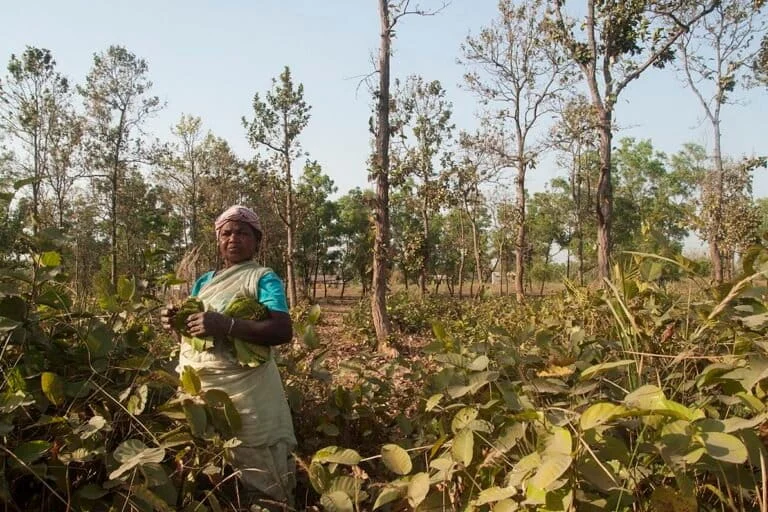
In the annals of environmental conservation, few names resonate as powerfully as Gaura Devi, the legendary leader of the Chipko movement. Her famous declaration—“We look after our forests, we save them, because they are our home”—encapsulated a philosophy where the survival of the forest and the survival of the community were inextricably linked. Yet, for decades, a legal chasm has existed between these traditional guardians and the state. While communities provided the labor and the wisdom to preserve biodiversity, they often lacked the "legal paper" to protect themselves from accusations of encroachment or theft by the very departments tasked with conservation.
To address this historic disconnect, the Global Environment Facility (GEF) has launched an ambitious initiative: the Conservation of Biodiversity, its Sustainable Use, Fair and Equitable Sharing of Benefits in India (CONSERVE) project. This pilot program, targeting the states of Uttarakhand, Nagaland, and Tripura, seeks to formalize community-led management and ensure that those who protect the land are the primary beneficiaries of its resources.
Project Scope and Financial Architecture
The CONSERVE project represents a significant financial and strategic investment in India’s ecological future. Approved during the GEF assembly in Samarkand, Uzbekistan, the project operates under a multi-layered funding model:
- GEF Grant: $12.38 million.
- World Bank Loan: $30 million.
- Implementing Partners: The National Biodiversity Authority (NBA) of India, in collaboration with the World Bank and the United Nations Development Programme (UNDP).
The project aims to bring approximately 5,000 hectares of community-managed forests—including sacred groves and buffer zones—under a structured, legally recognized management framework. This will directly involve over 25,000 people, with a mandatory requirement that at least 50% of the participants and beneficiaries are women.
Chronology: From Samarkand to the Himalayan Foothills
The trajectory of the CONSERVE project is rooted in the evolving global discourse on biodiversity. Its recent history can be traced through several key milestones:
- The Kunming-Montreal Global Biodiversity Framework (December 2022): The adoption of this UN framework set the stage for the Global Biodiversity Framework Fund (GBFF). This fund was established specifically to help nations meet the "30×30" goal—protecting 30% of the planet’s land and oceans by 2030.
- The Samarkand Assembly (May 30–June 6, 2024): At the eighth GEF Assembly in Uzbekistan, the CONSERVE project was officially approved. This meeting marked the transition from high-level policy to actionable, funded projects on the ground.
- The 2025 ABS Milestone: By November 2025, the National Biodiversity Authority had already begun laying the groundwork by distributing ₹4.3 million to local organizations under the Access and Benefit Sharing (ABS) mechanism. This serves as a precursor to the larger scale-up planned under the new GEF funding.
- The 20-Year Horizon: While the initial pilot is focused on immediate implementation, the GEF has calculated the project’s impact over a 20-year period, particularly concerning carbon sequestration and the long-term stabilization of forest ecosystems.
Supporting Data: Measuring Impact and Equity
The CONSERVE project is not merely a policy experiment; it is a data-driven initiative aimed at achieving specific ecological and socio-economic benchmarks.
Demographics and Gender Parity
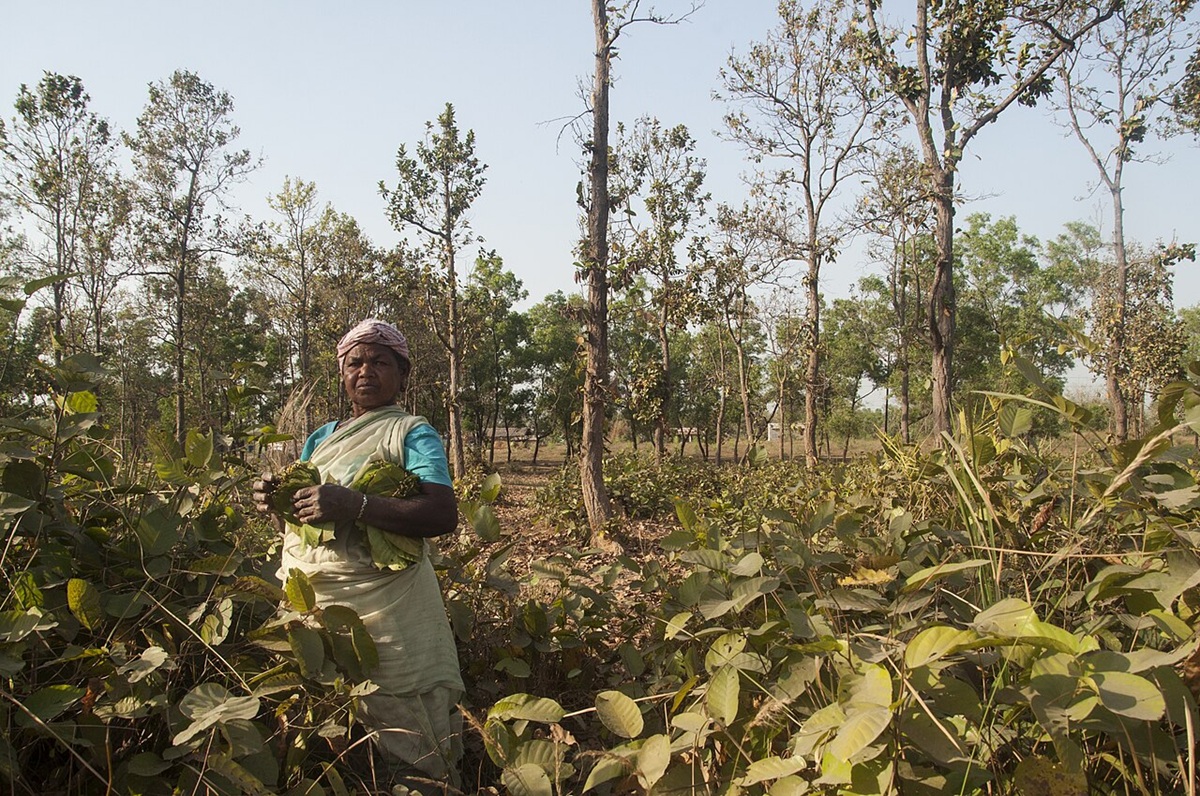
One of the project’s most striking features is its focus on gender-inclusive conservation. In many Indian forest communities, women are the primary gatherers of non-timber forest products (NTFPs) and the keepers of traditional medicinal knowledge.
- Target Population: 25,000+ individuals.
- Gender Mandate: 50% women’s participation in decision-making and management.
- Financial Equity: At least 40% of the funds generated through the Access and Benefit Sharing (ABS) mechanism are earmarked for women or women-led community groups.
Carbon Sequestration and Climate Mitigation
Beyond local biodiversity, the project carries global significance for climate change. By improving forest health and preventing degradation through community monitoring, the GEF estimates the project will:
- Reduce/Absorb Emissions: Approximately 12 million metric tonnes of carbon dioxide equivalent (CO2e) over the next two decades.
- Land Management: Restore and protect 5,000 hectares of diverse ecosystems, ranging from the temperate forests of Uttarakhand to the tropical and bamboo-rich landscapes of Tripura and Nagaland.
Economic Mobilization
The project also includes a market-linkage component. By connecting forest-dwelling artisans and herbalists to mainstream markets, the initiative aims to mobilize at least $2 million in community-level revenue, ensuring that "conservation" is synonymous with "livelihood."
Official Responses: Voices from the Frontlines of Policy
The shift toward "co-authoring" rules of governance marks a departure from the traditional top-down "fortress conservation" model. Officials involved in the project emphasize that empowerment is the key to sustainability.
Benjamin Singer, a senior biodiversity specialist at the Global Biodiversity Framework Fund (GBFF), highlighted the philosophical shift during the Samarkand assembly. “Community-managed forests have to be safeguarded. Communities around the world are doing it and have always done it,” Singer told Mongabay-India. “We want to design this better in full consultation with the communities themselves. We want to give them an incentive to do what they are doing.”
Singer’s comments underscore the project’s goal of moving beyond mere "consultation." The project document explicitly states that village councils and state biodiversity authorities will co-design management plans. This means that for the first time, the "rules of the forest" will be written by the people who live in them, rather than being imposed by distant administrative offices.
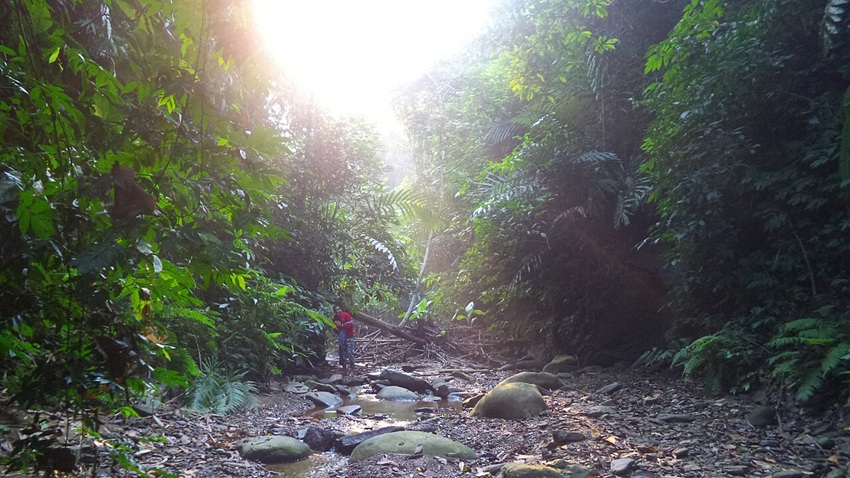
However, the project has not been without its critics. The GEF’s own review committee has pointed out a significant blind spot in the current plan: the escalating threat of climate change. The committee noted that while the project focuses on biodiversity, it has not sufficiently accounted for how shifting weather patterns—such as increased monsoon vagaries and summer droughts—will impact these forests. In Uttarakhand, for instance, wildfires have become a seasonal scourge, often fought by informal women’s groups with little to no state support. The review committee urged the NBA and implementing partners to "include a more detailed consideration of climate change and its interaction with other drivers."
Implications: A Digital and Legal Revolution in Conservation
The successful implementation of the CONSERVE project in Uttarakhand, Nagaland, and Tripura could have far-reaching implications for India’s national environmental strategy.
The National Biodiversity Map
Perhaps the most ambitious macro-level goal of the project is the creation of a single national biodiversity map. Currently, India’s ecological data is siloed across various institutions, such as the Botanical Survey of India, the Zoological Survey of India, and various wildlife institutes. By leveraging India’s renowned IT capabilities, the project aims to amalgamate these databases.
- Strategic Planning: This map will serve as a critical tool for future infrastructure and development projects. By identifying biodiversity hotspots with precision, the government can avoid high-conflict zones, reducing the environmental footprint of national growth.
- Replication Toolkit: The lessons learned in the three pilot states will be distilled into a "replication toolkit," allowing other states to adopt community-led management frameworks once national guidelines are finalized.
Combating "Biopiracy"
For years, commercial firms have harvested traditional knowledge for pharmaceuticals and cosmetics without compensating the original knowledge-holders. The CONSERVE project strengthens the Access and Benefit Sharing (ABS) mechanism, a legal requirement under the UN Convention on Biological Diversity. By formalizing the community’s role, the project ensures that when a company profits from a forest herb, a portion of those profits flows back into the village council’s coffers.
The Climate Challenge
The project serves as a litmus test for how India will handle the "climate-forest-community" nexus. If the project leaders heed the review committee’s advice and integrate wildfire management and drought resilience into their co-authored plans, it could provide a blueprint for climate adaptation across the Global South.
In the end, the CONSERVE project is an attempt to honor the legacy of activists like Gaura Devi by finally providing the "legal paper" she so poignantly noted was missing. By recognizing that the forest belongs to the village, India is betting that the most effective way to save nature is to empower the people who have always called it home.
