

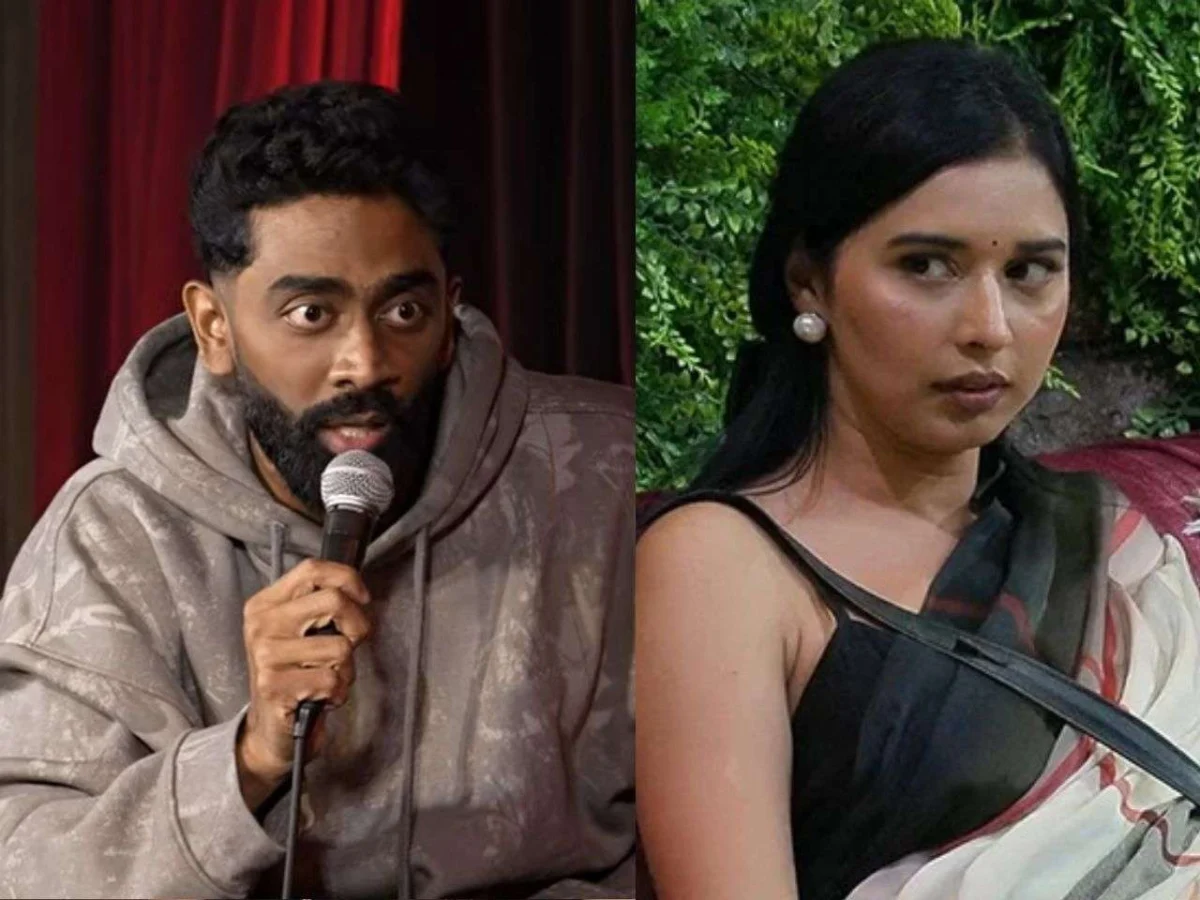
Mumbai, India – June 17, 2026 – In a candid and widely lauded response, social media influencer and reality television personality Tanya Mittal has finally broken her silence on the ongoing controversy surrounding stand-up comedian Pranit More’s now-infamous Rs 370 biryani remark. Mittal, who previously clashed with More during their stint on Bigg Boss 19, has offered a nuanced perspective that has resonated with a significant segment of the internet, earning her praise for her measured yet firm stance.
The controversy ignited when More, during a stand-up performance, made a jest about the exorbitant price of a biryani, implying it was a frivolous expense. This comment quickly drew the ire of many, including Mittal, who felt it belittled the financial struggles of ordinary citizens and was delivered with a dismissive attitude. Mittal’s reaction, however, goes beyond a simple condemnation, delving into the complexities of online discourse, accountability, and the often-toxic nature of social media.
The Genesis of the Conflict: A Bigg Boss Fallout
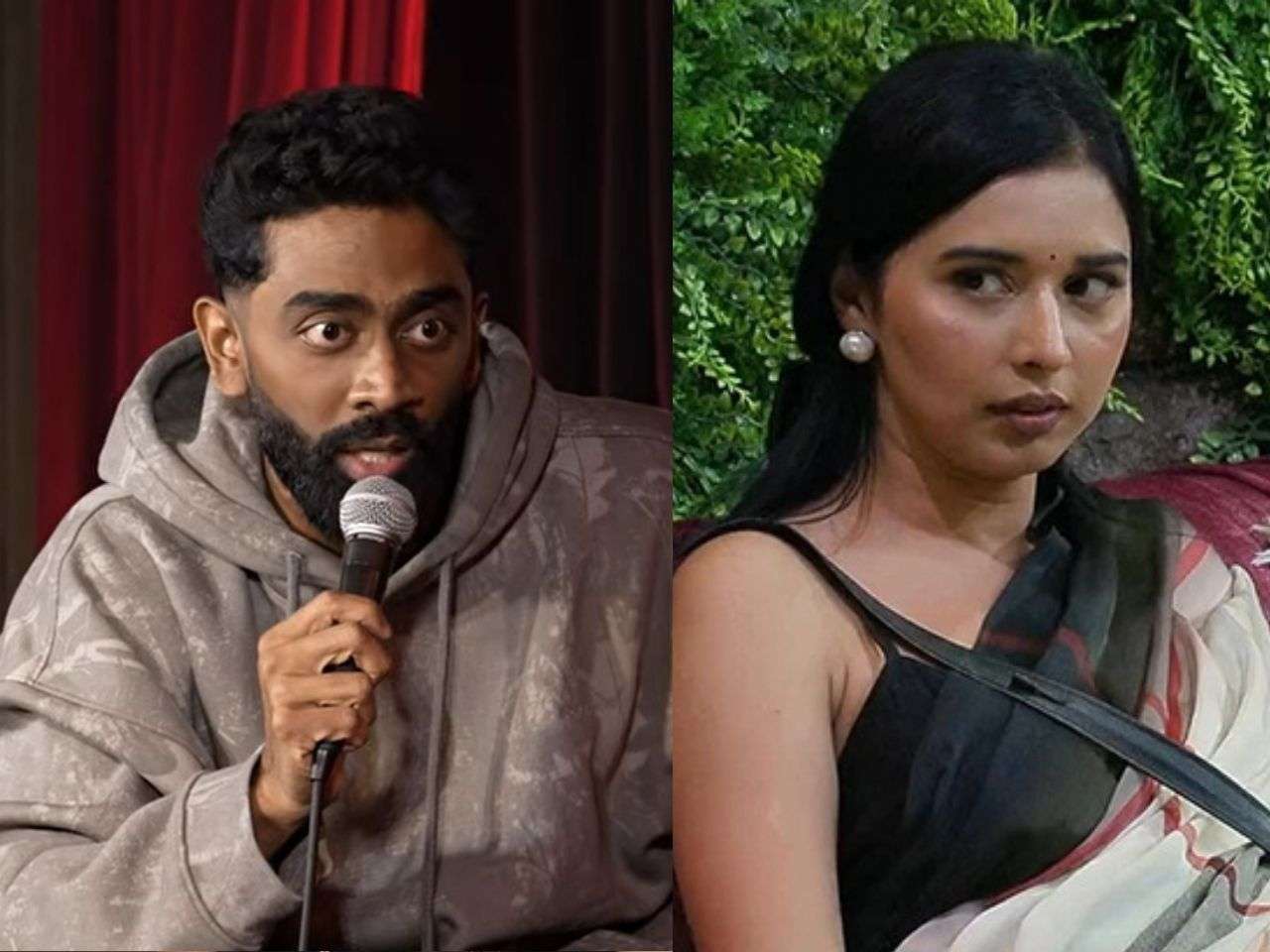
The roots of Mittal’s outspokenness on this matter can be traced back to her participation in the high-profile reality show, Bigg Boss 19. During her time in the controversial house, Mittal and Pranit More reportedly had several disagreements, with Mittal frequently expressing her disapproval of More’s comedic style, which she perceived as overly aggressive and disrespectful. This pre-existing tension has clearly informed her current position on the biryani remark.
"Mujhe Pranit pasand nahi hai kyunki usne mere saath bahut bura-bura kiya hai," Mittal stated in a recent interview, translating to "I don’t like Pranit because he did many bad things to me." She further elaborated on her discomfort with individuals who adopt a condescending tone, stating, "Aur mujhe woh log bilkul pasand nahi jo mujhse aise baat kare. Pata nahi konse dharti ke log hai jo ‘tu-tu’ karke baat karte hai." ("And I absolutely don’t like people who talk to me like that. I don’t know what kind of people they are who talk in such a familiar and disrespectful manner.")
)
Mittal also revealed her past aversion to More’s comedy shows even before their Bigg Boss encounter. "Mujhe jo pata laga tha ki woh celebs ko roast karta hai. Toh main iske woh The Pranit More show pe bhi nahi jaati thi. Tumhare liye woh celeb hai. Mere liye nahi. Jo dusro ka mazak banaye, woh nahi hai." ("What I understood was that he roasts celebrities. So, I wouldn’t even go to his show, ‘The Pranit More’. He is a celebrity for you. Not for me. Someone who makes fun of others is not.") This indicates a consistent pattern of disapproval of More’s approach to comedy.
A Measured Critique: Beyond Personal Grievances
While acknowledging her personal animosity towards More, Tanya Mittal has managed to elevate her response beyond mere personal vendetta. Her discourse on the biryani remark is characterized by a thoughtful consideration of the broader implications of public commentary, particularly within the digital sphere.
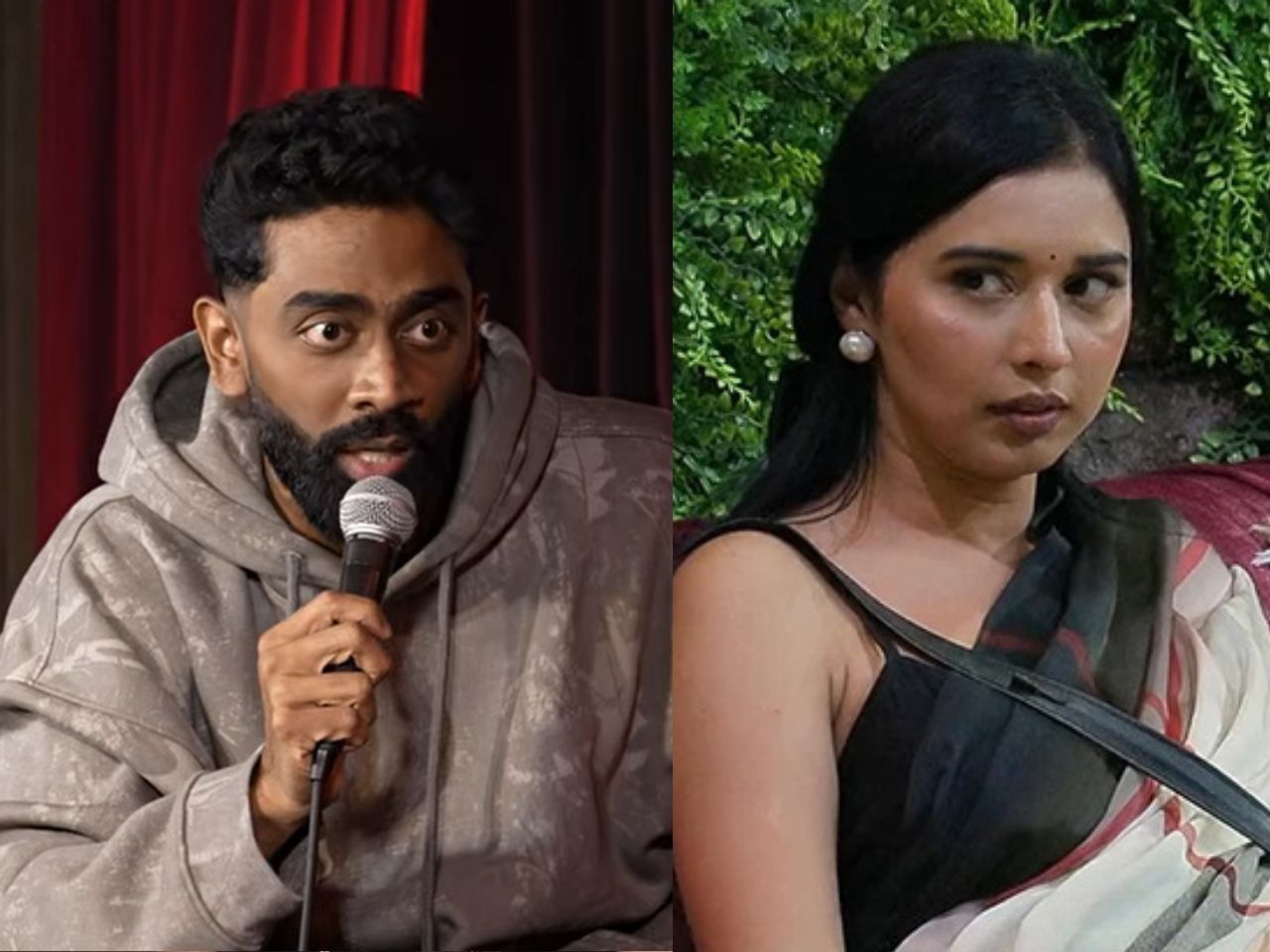)
"I never liked Pranit," Mittal admitted candidly, "because he treated me very badly. And I absolutely dislike people who speak to me in that manner. I don’t know what kind of people talk so casually and disrespectfully." She continued, "I knew he used to roast celebrities. So, I never even attended his show, ‘The Pranit More.’ He might be a celebrity to you, but not to me. Someone who makes fun of others is not someone I admire."
This statement, while direct, sets the stage for her more nuanced arguments. Mittal is not simply dismissing More’s comedic talent or his right to express himself. Instead, she is critiquing the nature of his expression and its potential to cause harm. Her assertion that “Someone who makes fun of others is not someone I admire” speaks to a fundamental ethical boundary she believes should guide public performance.

Contrasting with Exemplary Comedians: Setting a Benchmark
In her interview, Mittal strategically contrasted Pranit More’s approach with that of other comedians she admires, thereby providing a framework for what she considers responsible and ethical humor. This comparative analysis lends significant weight to her argument.
"There are other comedians too, like Gaurav (Kapoor) and Zakir (Khan)," Mittal observed. "Making fun of others is not the criterion of their lives." This statement highlights a crucial distinction: Mittal is not against comedy that involves observational humor or lighthearted jabs. Instead, she differentiates this from comedy that, in her view, targets individuals in a potentially damaging or insensitive manner. By naming well-regarded comedians, she implicitly suggests that there are successful and popular artists who achieve their comedic success without resorting to what she perceives as demeaning tactics. This serves as an indirect endorsement of alternative comedic styles and reinforces her argument for a more considerate approach.
)
The implication here is that comedy can be both impactful and respectful. Mittal’s praise for Kapoor and Khan suggests that humor derived from relatable situations, witty observations, or clever wordplay can be just as effective, if not more so, than humor that relies on mocking or belittling others. This provides a positive vision of what stand-up comedy can and should be, offering a constructive alternative to the behavior she criticizes.
The Call for an End to Online Toxicity: A Plea for Empathy
While Mittal unequivocally stated that Pranit More’s actions were wrong, her most significant contribution to the discourse lies in her plea for an end to the ensuing online vitriol. This demonstrates a mature understanding of the consequences of public shaming and the need for proportionate responses.
)
"What happened at Pranit’s show was wrong, but this has to stop now because he apologized for it," Mittal asserted. She continued, "I am not forgiving anyone from Bigg Boss in this lifetime. But at the same time, I also feel bad for Pranit. Because when we are on social media, and someone makes a mistake, then FIRs are filed, and lynching happens. But we shouldn’t forget that everyone has a family."
This is perhaps the most powerful part of Mittal’s statement. She acknowledges the initial wrongdoing but pivots to a broader concern about the excesses of online justice. The terms "FIRs are filed" and "lynching" are strong indicators of her awareness of the severe and sometimes disproportionate reactions that public figures can face in the digital age. Her reminder that "everyone has a family" serves as a potent appeal to empathy, urging people to consider the human impact of their online actions beyond the immediate context of the offense.
)
"If he made a mistake and apologized, then after a point, social media shouldn’t be toxic," Mittal reasoned. "Everyone should think that tomorrow, we could be in his place. We should all put ourselves in his shoes once." She concluded, "Speak ill, but after a point, just stop. Do enough that his family can also live in society."
This section is critical for understanding Mittal’s overall message. She advocates for a balanced approach: holding individuals accountable for their actions but also recognizing the importance of forgiveness, redemption, and the prevention of mob mentality. Her call for social media users to "put ourselves in his shoes" is a direct appeal for empathy and a reminder of our shared humanity. The final poignant statement, "Do enough that his family can also live in society," underscores the profound and often devastating ripple effects that online controversies can have on individuals and their loved ones.
)
Supporting Data: The Rise of Online Accountability and its Perils
Tanya Mittal’s commentary arrives at a time when the discourse around online accountability and the impact of social media on public figures is more fervent than ever. Numerous instances in recent years have highlighted both the power of collective online outrage to bring about change and the potential for such outrage to devolve into harassment and online lynching.
- Increased Scrutiny of Public Figures: The proliferation of social media platforms has granted the public unprecedented access to the lives and opinions of celebrities, politicians, and influencers. This heightened visibility inevitably leads to increased scrutiny, where any misstep can be amplified and debated globally.
- The "Cancel Culture" Phenomenon: The term "cancel culture" has become ubiquitous, referring to the withdrawal of support for public figures and companies after they have done or said something considered objectionable or offensive. While sometimes seen as a tool for social justice, it has also been criticized for its potential for overreach and for stifling free speech.
- Legal Ramifications: As Mittal alluded to with "FIRs are filed," public figures are increasingly facing legal consequences for their statements and actions, especially if they are deemed to be defamatory, incite hatred, or violate specific laws related to online conduct.
- Mental Health Impact: The relentless nature of online criticism and harassment can have severe detrimental effects on the mental health of individuals targeted. Studies have shown links between online abuse and increased rates of anxiety, depression, and even suicidal ideation.
Mittal’s perspective aligns with a growing sentiment that while accountability is crucial, it should be tempered with reason and compassion. The "lynching" she mentions is not literal but a metaphor for the overwhelming and often destructive force of public condemnation that can leave individuals feeling ostracized and irreparable damage to their reputation and well-being.
)
Official Responses and Public Reaction
While there have been no official statements from Pranit More or his representatives directly addressing Tanya Mittal’s latest comments, the public reaction to Mittal’s measured approach has been overwhelmingly positive. Social media platforms have been abuzz with praise for her:
- #TanyaMittal and #SocialMediaResponsibility Trends: Hashtags related to Tanya Mittal and the broader theme of responsible social media use saw a significant surge in activity following the publication of her statements.
- Endorsements from Influencers and Media Personalities: Several other influencers and media personalities have publicly commended Mittal for her balanced perspective, sharing her interviews and quotes across their platforms.
- Fan Support: Her followers have lauded her for her maturity and for advocating for a more humane approach to online interactions. A tweet from a user named "Liveyourlifetofullest" encapsulated this sentiment: "This is the grace of #TanyaMittal. She is never afraid to call out what’s wrong, yet does so with compassion and understanding, knowing that mistakes are part of being human. True strength is holding people accountable without losing empathy."
The widespread positive reception suggests that Tanya Mittal’s voice has struck a chord with a significant portion of the online community, many of whom likely share her concerns about the increasingly polarized and often unforgiving nature of digital discourse.
)
Implications and Future Outlook
Tanya Mittal’s response to the Pranit More biryani controversy carries significant implications for the ongoing conversation about online behavior, celebrity accountability, and the nature of public criticism.
- A Call for Nuance: Mittal’s intervention serves as a powerful reminder that complex issues rarely have simple answers. Her ability to condemn wrongdoing while also advocating for empathy and restraint offers a much-needed dose of nuance in a discourse often characterized by black-and-white thinking.
- Empowering Constructive Criticism: By differentiating between harmful mockery and legitimate critique, Mittal implicitly encourages a more constructive approach to public discourse. Her example suggests that it is possible to hold individuals accountable without resorting to personal attacks or mob mentality.
- The Evolving Role of Influencers: As social media influencers gain more prominence, their ability to shape public opinion becomes increasingly significant. Mittal’s responsible engagement with a controversial issue demonstrates the potential for influencers to be agents of positive change, fostering more thoughtful and empathetic online interactions.
- A Benchmark for Future Discussions: Tanya Mittal’s measured and articulate response has set a high bar for future discussions on similar controversies. Her words are likely to be referenced in debates about online accountability, the ethics of comedy, and the pervasive influence of social media on our collective psyche.
In conclusion, Tanya Mittal’s reaction to the Pranit More biryani remark transcends a simple celebrity spat. It is a well-articulated plea for a more humane and accountable social media landscape, one that balances the imperative to call out wrongdoing with the fundamental human need for empathy and understanding. Her words resonate not just with her followers, but with anyone who has felt the sting of online negativity or witnessed its destructive potential. As the digital world continues to evolve, voices like Mittal’s, advocating for thoughtful engagement and measured responses, will become increasingly vital.
