

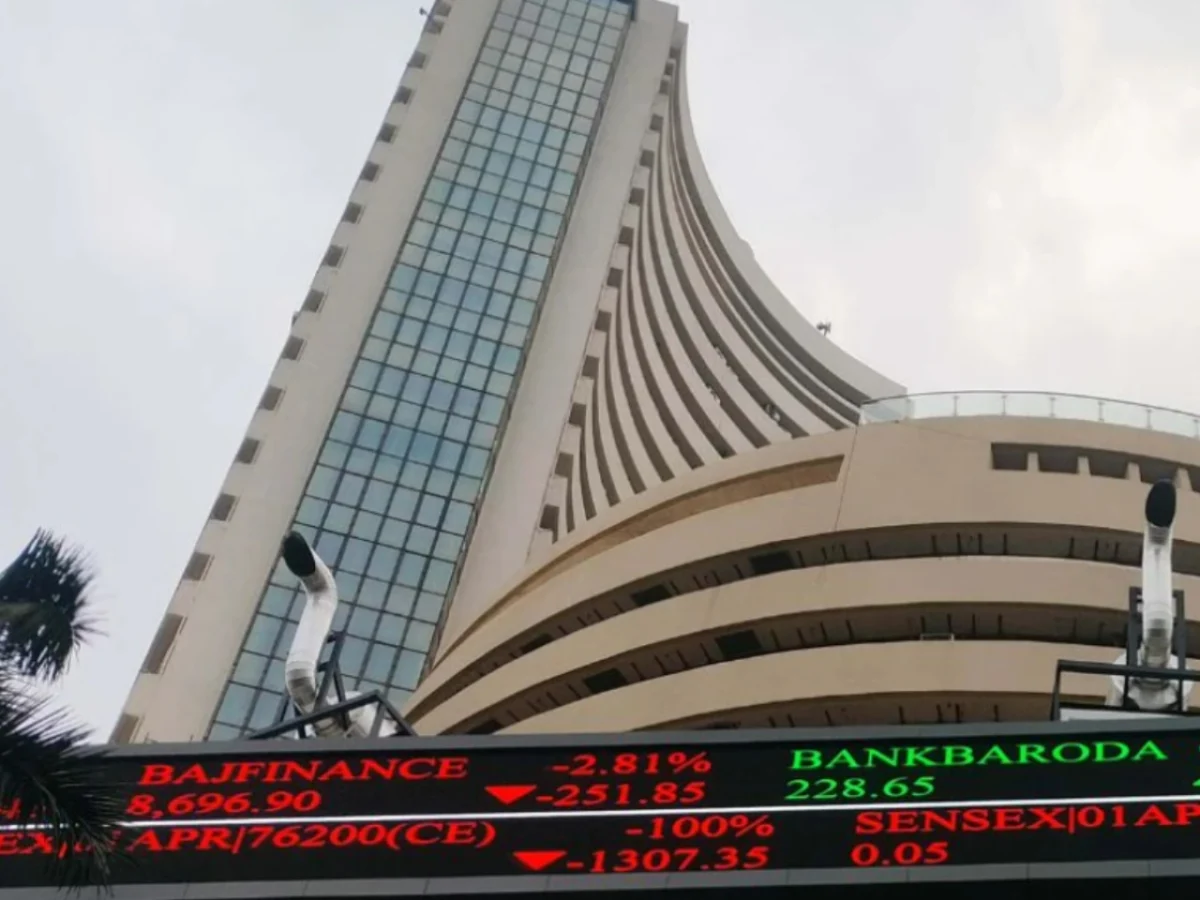
Mumbai, India – Indian equity markets opened Thursday on a surprisingly flat note, exhibiting only marginal gains despite a significant diplomatic breakthrough between the United States and Iran. The widely anticipated agreement, expected to ease geopolitical tensions and stabilize global energy markets, failed to ignite a robust rally on the domestic bourses. Instead, a confluence of factors, including persistent profit booking, elevated valuations, and lingering global economic uncertainties, appeared to temper investor enthusiasm.
Benchmark indices, the BSE Sensex and NSE Nifty, struggled to find significant upward momentum, reflecting a cautious mood among traders. While selective buying was observed in financials and consumer staples, heavyweights from the IT, metals, cement, and auto sectors largely dragged the market, preventing a broader positive reaction to the geopolitical development. Analysts widely anticipate a period of near-term consolidation, with the Nifty likely to hover around the 24,200-24,350 resistance zone before any decisive breakout.
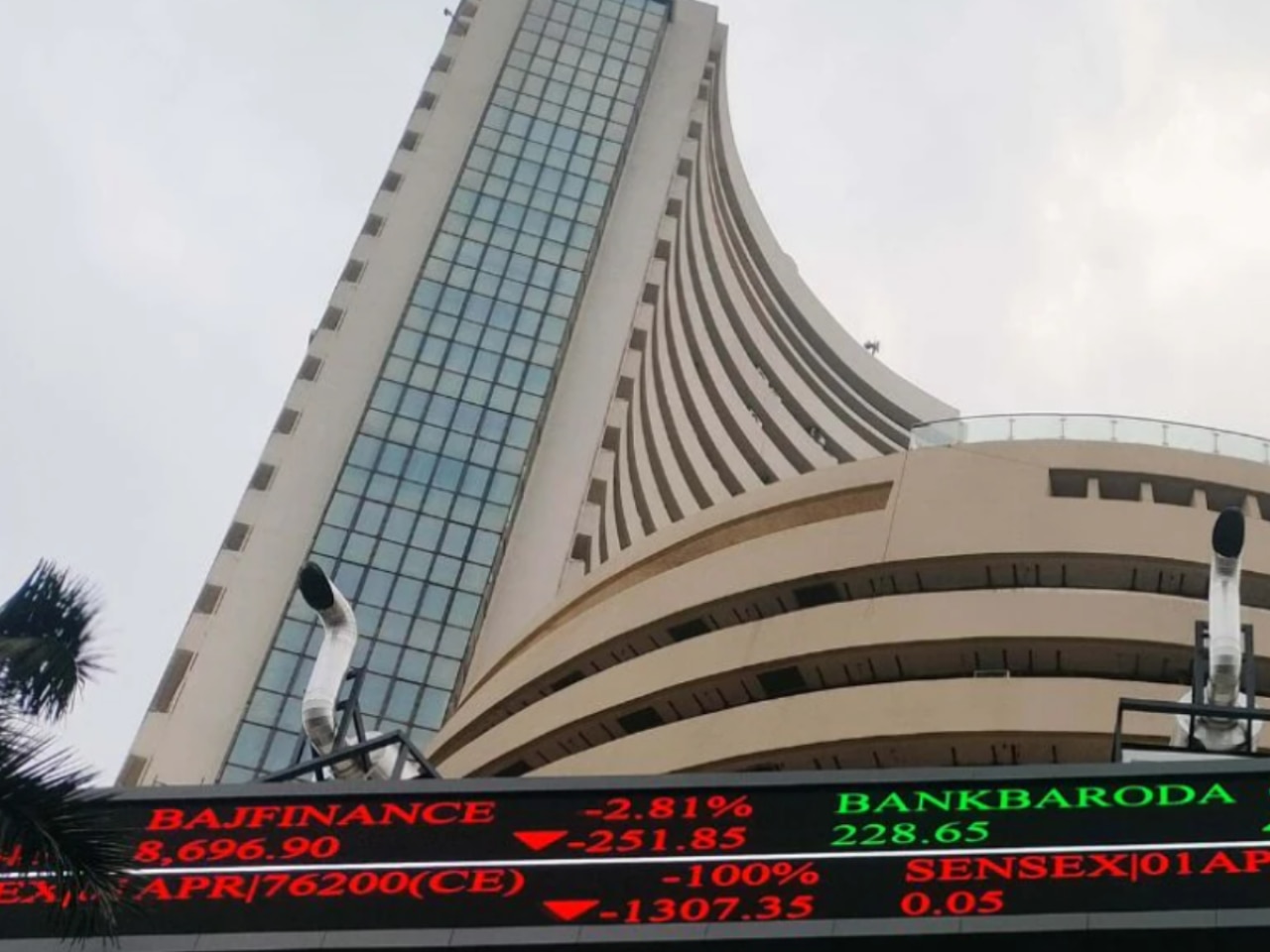
The subdued reaction highlights the complex interplay of domestic and international dynamics influencing market sentiment. While the US-Iran deal offers a glimmer of hope for geopolitical stability, the market’s focus appears to have swiftly shifted to more immediate concerns, including the path of global interest rates, fluctuating foreign institutional investor (FII) flows, and the impending release of crucial macroeconomic data and corporate earnings reports. This cautious stance underscores a broader reassessment of risk appetite in an environment still clouded by economic ambiguity.
Unpacking the Market’s Opening: A Day of Mixed Signals
The trading session on Thursday commenced with a peculiar paradox. Hours after news of a significant US-Iran diplomatic initiative filtered through global financial channels – an event typically associated with a surge in risk appetite and a dip in crude oil prices – Indian markets opened with a distinctly muted response. This diplomatic move, aimed at de-escalating long-standing tensions, was widely expected to offer a tailwind to equity markets, particularly those sensitive to energy costs. However, the initial market action painted a different picture.
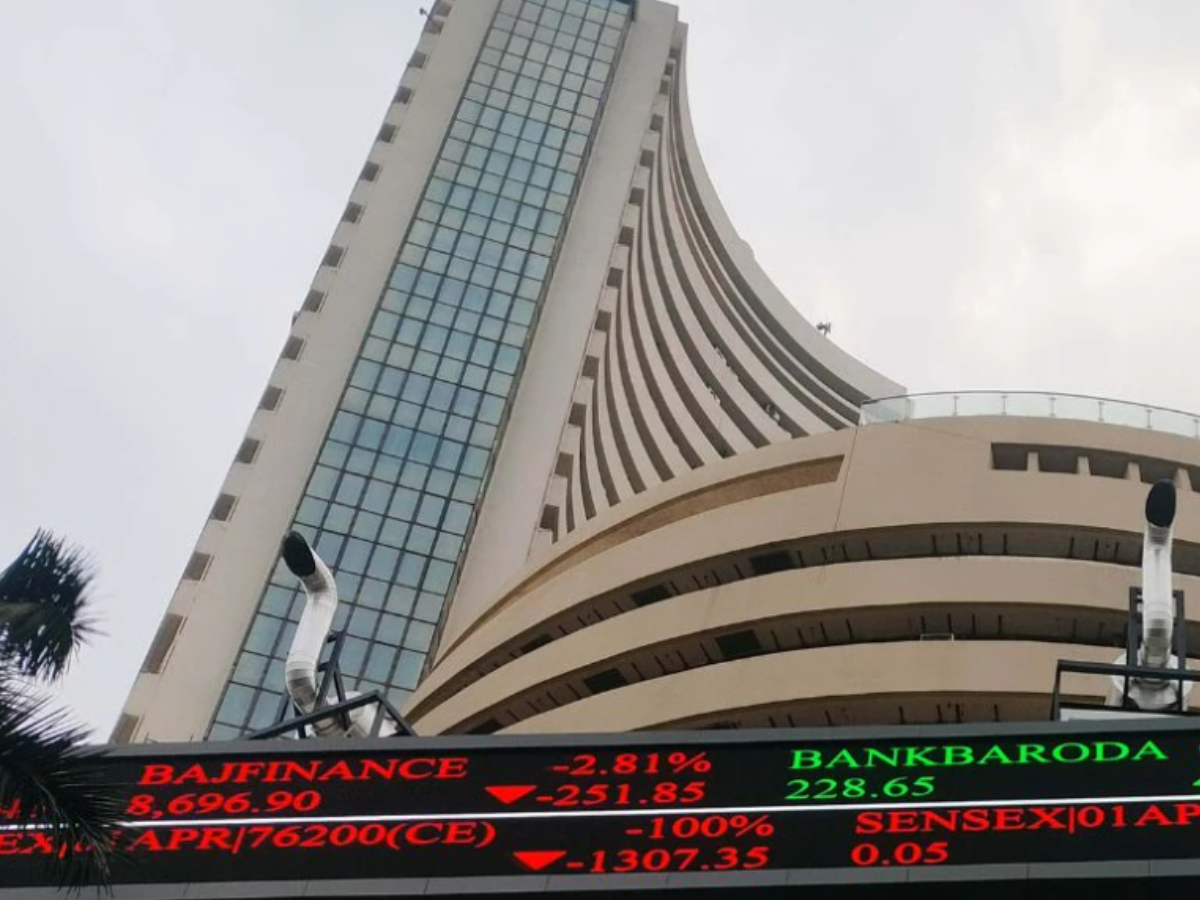)
As the opening bell rang, the BSE Sensex registered a modest gain of 49.98 points, or 0.06%, to settle at 77,205.60. This came after an opening at 77,131.66 against its previous close of 77,155.62. The index’s early trading range saw it fluctuate between a low of 77,044.39 and a high of 77,320.32, indicating a struggle for direction. Similarly, the NSE Nifty, the broader market gauge, edged up by 21.75 points, or 0.09%, to reach 24,107.45. It opened at 24,073.80, slightly above its previous day’s close of 24,085.70. These figures, while positive, were far from the enthusiastic rally some might have anticipated following a major geopolitical de-escalation.
The lack of a decisive upward surge was particularly notable given the generally bullish sentiment that has characterized Indian equities in recent months. The market has witnessed a strong rally leading up to this point, driven by robust domestic economic indicators, strong corporate earnings, and a perception of India as a resilient investment destination amidst global uncertainties. This preceding rally, ironically, now appears to be a primary contributor to the current subdued mood, as investors sought to lock in profits.

The Geopolitical Context: US-Iran Diplomatic Overture
The diplomatic move between the US and Iran, the precise details of which were still emerging but broadly understood to involve de-escalation measures and potentially new avenues for dialogue, had been keenly watched by global markets. For years, tensions in the Middle East, often exacerbated by US-Iran friction, have posed significant risks to global oil supplies and, by extension, to the stability of energy-importing nations like India. A substantial easing of these tensions could potentially lead to a more stable and possibly lower crude oil price environment, a major boon for India’s import bill and inflationary pressures.
Historically, such geopolitical developments have often triggered immediate reactions in commodity markets, particularly oil, and subsequently in equity markets. Lower oil prices typically translate to reduced input costs for industries, higher discretionary spending for consumers, and improved macroeconomic stability for economies heavily reliant on imported energy. Therefore, the expectation was for Indian markets to react positively, factoring in the potential benefits of reduced energy costs and a more predictable global geopolitical landscape. However, as Thursday’s opening demonstrated, market participants chose a more cautious approach, weighing this positive development against a backdrop of other pressing concerns.
)
Deep Dive into Market Dynamics: Supporting Data and Sectoral Performance
A closer examination of early trade on Thursday revealed a highly selective market, characterized by pockets of buying interspersed with broader selling pressure. This nuanced performance provided critical insights into investor priorities beyond the headline geopolitical news.
Sectoral Performance: Winners and Losers
- Financials and Consumer Staples: These sectors demonstrated resilience and attracted selective buying interest. Leading the pack was HDFCBANK, which gained a significant 1.79%, trading at 800.85 rupees. Other notable gainers included consumer-oriented stocks such as HINDUNILVR, INDIGO, and ASIANPAINT, which traded higher, signaling investor confidence in domestic consumption stories. ITC, a diversified conglomerate with a strong presence in consumer goods, remained largely flat, indicating a mixed sentiment within the broader consumer space.
- Dragging Sectors: The primary culprits behind the market’s inability to sustain a stronger rally were the Information Technology (IT) and Metals sectors, along with Cement and Automobiles. Major IT heavyweights saw declines: INFY dipped 1%, TECHM lost 0.76%, and TCS was down 0.68%. These declines often reflect concerns about global growth slowdowns, which can impact outsourcing demand. In the metals space, TATASTEEL slipped 0.10%, while ULTRACEMCO (a key player in the cement sector) fell 0.83%. These sectors are typically sensitive to industrial demand and infrastructure spending, suggesting underlying concerns about economic momentum or specific industry headwinds.
- Mixed Bag: Banking majors outside of HDFCBANK showed a mixed performance, indicating a lack of uniform conviction across the financial landscape. RELIANCE Industries, a market heavyweight and bellwether, also slipped marginally by 0.19%, reflecting broader market indecision.
Technical Indicators and Valuation Concerns
The market’s behavior also needs to be viewed through the lens of technical indicators and prevailing valuation metrics. After a robust upward trajectory over several weeks, many analysts had flagged that Indian equities were trading at elevated valuations. This often prompts investors to exercise caution, especially when a significant positive catalyst doesn’t translate into an immediate, aggressive rally. The tendency to book profits after a substantial run-up becomes more pronounced when valuations appear stretched.
)
Furthermore, foreign institutional investor (FII) activity, a crucial determinant of market direction in India, has been "mixed at best," as noted by experts. A lack of consistent, strong FII inflows can act as a significant drag, particularly when domestic institutional investors (DIIs) might also be recalibrating their strategies. The global macroeconomic environment, characterized by uncertainties surrounding inflation, interest rate trajectories in major economies (especially the US), and the pace of global economic recovery, further contributes to this cautious stance. Investors are constantly weighing the prospects of higher-for-longer interest rates in developed markets, which can make emerging markets less attractive.
Expert Commentary and Market Sentiment Drivers
The market’s muted reaction prompted a flurry of analysis from leading financial experts, shedding light on the underlying sentiment and key drivers.
)
Milan Vaishnav, CMT, MSTA, of Gemstone Equity Research, highlighted the technical aspect, stating, "Markets are consolidating near the overhead resistance zone of 24200-24350. Eventually, it is expected that the markets will move past these levels." This perspective suggests that the current pause is a natural part of an uptrend, allowing the market to absorb gains and gather strength before its next leg up.
Ajay Bagga, a prominent Banking and Market expert, echoed the consolidation theme while offering a broader outlook. "Near term, markets may consolidate after a strong rally. But the medium-term setup remains supportive as long as oil stays contained, the Iran deal progresses, and global central banks avoid further tightening surprises," Bagga emphasized. His comments underscore the conditional optimism prevalent among analysts, where a positive medium-term outlook hinges on the stability of crucial external factors.
)
Piyush Jhunjhunwala of Stockify provided a comprehensive explanation for the market’s seemingly paradoxical behavior, attributing it to "selling pressure" despite the US-Iran deal. He elaborated on several interconnected factors:
- Geopolitical Nuance: While the US-Iran deal aimed to ease tensions and stabilize energy markets, Jhunjhunwala noted, "traders still looked wary, not because the deal was ‘bad’ but because a few other pieces of the puzzle kept influencing sentiment, and it kind of made the mood a little heavy." This suggests that investors are looking beyond a single event and considering the broader geopolitical landscape and its potential ramifications.
- Profit Booking and Valuation Concerns: A major reason was undoubtedly profit booking. "After so much upward momentum, many investors preferred to lock in gains, especially with valuations feeling elevated and with global economic growth still clouded in uncertainty." This is a classic market behavior, where a significant rally often precedes a period of consolidation as investors realize gains.
- US Interest Rate Uncertainty: The path of US interest rates remains a significant overhang. "On top of that, the path of US interest rates felt like a moving target," Jhunjhunwala pointed out. Any uncertainty regarding the Federal Reserve’s monetary policy decisions can lead to global capital reallocation, impacting emerging markets like India.
- Mixed FII Activity and Global Cues: Foreign institutional investor (FII) activity has been inconsistent, and coupled with "uneven global market cues," it "weighed on the overall tone." FIIs are crucial drivers of Indian markets, and their cautious stance often limits upward momentum.
- Slowing Global Demand and Upcoming Data: "Investors seemed to be reassessing how slowing global demand might eventually filter into earnings," he added. This concern about a potential global economic slowdown directly impacts corporate profitability. Furthermore, "people stayed cautious heading into upcoming macroeconomic data releases, plus the next round of corporate earnings announcements. So risk appetite stayed subdued, almost by default." The anticipation of significant economic data (like inflation, GDP figures) and corporate results often leads to a wait-and-watch approach from investors, reducing speculative activity.
These expert opinions collectively paint a picture of a market grappling with multiple cross-currents. While a positive geopolitical development was acknowledged, it was insufficient to override concerns stemming from domestic valuation levels, global monetary policy uncertainty, and the impending flow of new economic information.
)
Implications for Investors: Navigating the Consolidation Phase
Understanding the current market dynamics is crucial for investors planning their strategies in the near to medium term. The consensus among experts suggests a period of consolidation, but with an underlying bullish bias for the broader trend.
Aakash Shah, Technical Analyst at Choice Broking, provided a technical perspective that reinforces this outlook. "Overall, the technical setup remains constructive with improving momentum indicators, supportive derivatives data, and declining volatility. While some consolidation near the 24,000 resistance level is possible, the broader trend continues to favour the bulls," Shah affirmed. He outlined specific technical levels: "The immediate range for Nifty is expected to be between 23,800 and 24,100. A decisive breakout above 24,000–24,100 could pave the way for a move towards 24,500 in the coming sessions." This suggests that while short-term choppiness might persist, the potential for upward movement remains intact once the market absorbs the current pressures.
)
Key Factors for Investors to Monitor:
- Global Crude Oil Prices: While the US-Iran deal is positive, sustained containment of crude oil prices remains vital for India’s macroeconomic stability and corporate profitability. Any resurgence in oil prices could quickly dampen sentiment.
- Global Central Bank Policies: The trajectory of interest rates, particularly from the US Federal Reserve, will continue to influence FII flows and global liquidity. Any unexpected hawkish shifts could negatively impact emerging markets.
- FII Flows: Consistent and robust foreign institutional investor inflows are essential for sustaining market rallies. Investors should closely track FII buying and selling patterns.
- Corporate Earnings: The upcoming earnings season will provide crucial insights into the health of corporate India and the impact of both domestic and global economic conditions on profitability. Strong earnings can underpin market valuations.
- Macroeconomic Data: Domestic inflation, GDP growth figures, and industrial production data will offer insights into India’s economic momentum. Globally, inflation and employment data from major economies will also be critical.
- Geopolitical Developments: While the US-Iran deal is a positive step, the broader geopolitical landscape remains complex. Any new flashpoints or escalations elsewhere could quickly shift market sentiment.
Piyush Jhunjhunwala of Stockify offered valuable advice for long-term investors: "Indian equity markets saw selling pressure… investors keep an eye on long-term fundamentals rather than reacting in the moment to short-term swings." He stressed that while geopolitical easing is supportive, "things like earnings growth, inflation patterns, liquidity conditions, and the wider global economic outlook will likely remain the main drivers for the market in the near term, even if the headline news looks better." This underscores the importance of a fundamental-driven approach, focusing on the intrinsic value and growth prospects of companies rather than being swayed by daily market fluctuations or single news events.
In conclusion, while the US-Iran diplomatic move marks a positive step on the geopolitical front, Indian equity markets demonstrated a mature and discerning reaction. The flat opening was not a rejection of the diplomatic progress but rather a reflection of a market prioritizing profit booking after a strong rally, grappling with elevated valuations, and prudently awaiting clarity on a multitude of global and domestic economic variables. For investors, the current phase calls for careful observation, strategic sector selection, and an unwavering focus on long-term fundamentals to navigate the anticipated consolidation and capitalize on potential future uptrends.
