

BUSINESS
[Image: Gold and Silver prices today, June 20, 2026: Check city-wise rates in Delhi, Mumbai, Chennai, Kolkata and more]
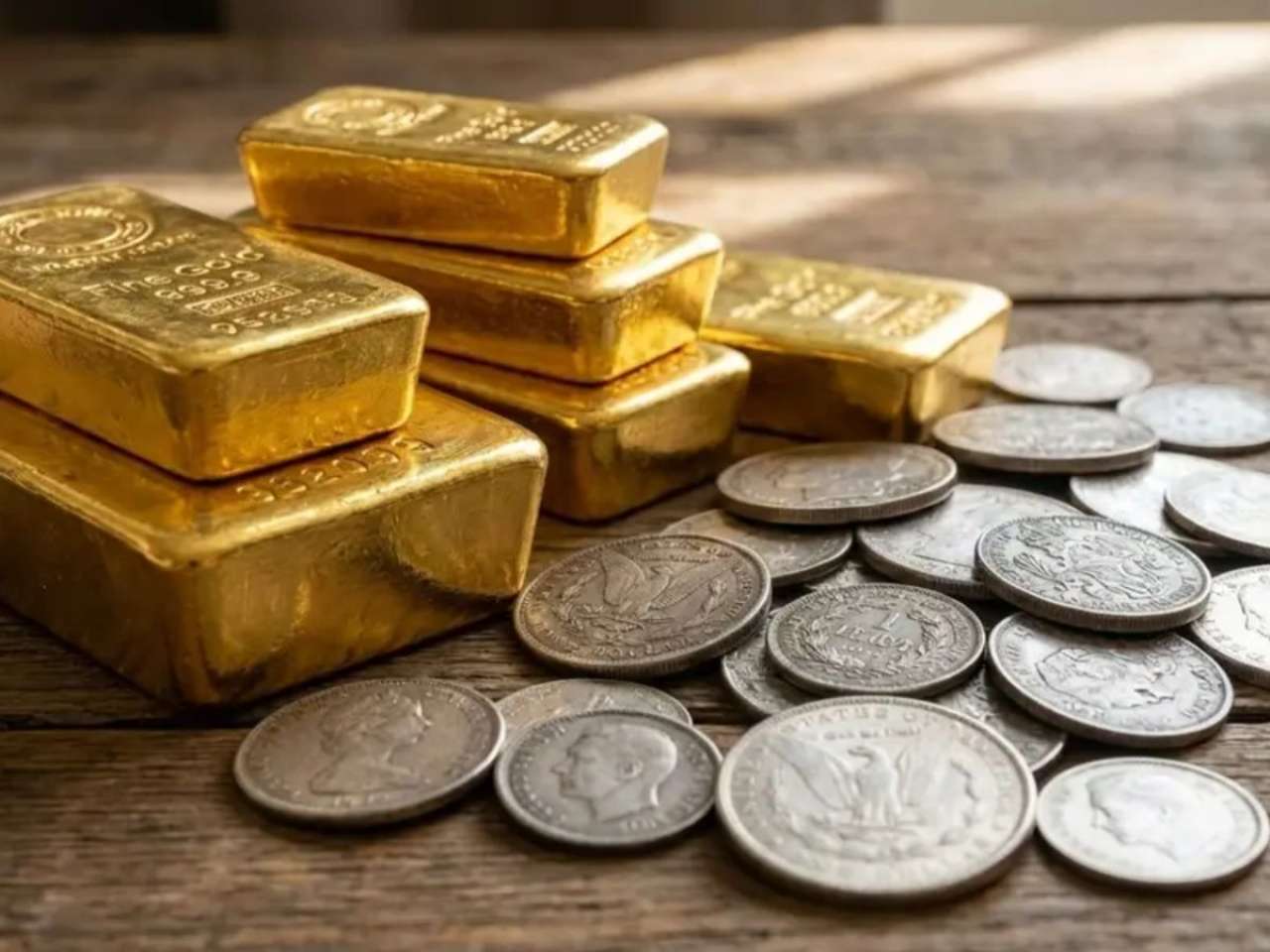
As of June 20, 2026, India’s venerable gold and silver markets continue to navigate a complex interplay of global economic forces, robust domestic demand, and fluctuating currency valuations. These precious metals, deeply ingrained in India’s cultural fabric and investment landscape, have seen their prices influenced by a confluence of international market trends, inflationary pressures, and the perennial allure of physical assets. Today’s figures reveal a nuanced picture, with gold experiencing a slight uptick driven by global factors, while silver maintains a steady course amidst significant industrial and investment interest.
This comprehensive analysis breaks down the current pricing structure across major Indian cities, delves into the intricate factors shaping these values, provides a chronological overview of recent market movements, incorporates expert insights, and explores the broader implications for investors and consumers alike.
)
Main Facts: A Snapshot of Today’s Precious Metal Prices
On Friday, June 20, 2026, the Indian precious metals market presented a dynamic scenario for both gold and silver. Gold prices registered a marginal increase, reflecting a cautious optimism in global markets and persistent inflationary concerns that typically bolster demand for safe-haven assets. Silver, while generally more volatile, displayed relative stability, underpinned by strong industrial applications and its growing appeal as an accessible investment vehicle.
Key Gold Prices (June 20, 2026):

- National Average (24K Gold, 999 Purity): ₹14,585 per gram
- National Average (22K Gold, 91.67% Purity): ₹13,369 per gram
- Delhi (24K): ₹14,600 per gram
- Delhi (22K): ₹13,384 per gram
- Mumbai (24K): ₹14,585 per gram
- Mumbai (22K): ₹13,369 per gram
- Kolkata (24K): ₹15,585 per gram
- Kolkata (22K): ₹13,369 per gram
- Chennai (24K): ₹15,803 per gram
- Chennai (22K): ₹13,569 per gram
(Note: Discrepancies in city-wise 24K gold prices, particularly in Kolkata and Chennai, may reflect local taxes, transportation costs, or specific regional demand dynamics, as well as variations in data aggregation from different sources like Good Returns.)
Key Silver Prices (June 20, 2026):
)
- National Average (Silver 999 Purity): ₹2,49,900 per kilogram
- National Average (Silver 925 – Sterling Silver): ₹2,49,000 per kilogram
- City-wise (Silver 999): ₹2499 per 10 grams in Delhi, Mumbai, Kolkata, and Chennai.
These figures underscore the continuous evolution of the Indian bullion market, where global benchmarks are constantly reinterpreted through the lens of local economic realities and consumer behaviour.
Chronology: Tracing the Path to Current Valuations
The current prices of gold and silver on June 20, 2026, are not isolated figures but rather the culmination of a series of events and trends that have shaped the precious metals market over the past year and beyond. Understanding this chronology is crucial to grasping the underlying dynamics at play.
)
A Look Back: 2025 – A Year of Volatility and Resilience
The year 2025 was marked by significant fluctuations in global commodity markets, including precious metals. Gold, in particular, experienced periods of heightened demand driven by persistent global inflation concerns stemming from post-pandemic economic stimulus and supply chain disruptions. Central banks worldwide continued their gold accumulation, viewing it as a strategic reserve asset amidst currency debasement fears. Geopolitical tensions, particularly in Eastern Europe and parts of the Middle East, periodically surged, sending investors flocking to safe havens.
Silver, often referred to as "poor man’s gold," mirrored some of gold’s movements but also carved its own path. Its dual nature as both a precious metal and an industrial commodity meant that its price was also heavily influenced by the performance of the global manufacturing sector. A resurgence in green energy initiatives, particularly solar panel manufacturing, provided a significant boost to industrial silver demand throughout 2025. However, periods of economic slowdown tempered some of these gains.
)
Early 2026: Consolidating Gains and Emerging Challenges
Entering 2026, gold largely maintained its elevated price levels, consolidating the gains from the previous year. The narrative of "sticky inflation" continued to dominate economic discourse, with central banks signalling a more protracted fight against rising prices. This kept real interest rates low or even negative in many major economies, making non-yielding assets like gold more attractive. The Indian rupee, while showing periods of stability, generally trended weaker against the US Dollar, making gold imports more expensive in local currency terms and thus supporting domestic price increases.
Silver in early 2026 continued to benefit from its industrial demand. The global push for electric vehicles, 5G technology, and renewable energy infrastructure created a sustained appetite for the metal. Investment demand also remained robust, with many smaller investors opting for silver due to its lower per-unit cost compared to gold, allowing for greater accessibility to the precious metals market.
)
Leading Up to June 20, 2026: Micro-Trends and Market Sentiment
In the weeks preceding June 20, 2026, market sentiment for gold remained largely positive. Analysts pointed to renewed concerns over the stability of certain regional banking sectors globally and continued geopolitical uncertainties as key drivers. The US Federal Reserve’s cautious stance on interest rate adjustments, balancing inflation control with economic growth, also played a role. Any hint of a pause or slowdown in rate hikes typically strengthens gold’s appeal.
For silver, the narrative was more balanced. While industrial demand remained a strong pillar, minor slowdowns in specific manufacturing sectors or shifts in commodity trading sentiment could introduce short-term volatility. However, the overall long-term outlook remained bullish due to its irreplaceable role in future technologies. The consistent city-wise silver rates today suggest a relatively stable market equilibrium at present, with broad demand matching supply.
)
This chronological progression highlights that today’s prices are not arbitrary but are the result of ongoing economic narratives, policy decisions, and market forces that continuously shape the value proposition of these vital commodities.
Supporting Data: Dissecting the Influential Factors
The pricing of gold and silver in India is a multi-faceted phenomenon, influenced by a complex web of global and domestic factors. A detailed examination of these elements provides a clearer understanding of the current market scenario.
)
Global Market Trends: The Macro Picture
- International Gold Prices (COMEX, LBMA): The Indian market is a significant importer of gold, making international benchmarks paramount. Prices on exchanges like COMEX (New York Mercantile Exchange) and the London Bullion Market Association (LBMA) determine the baseline cost. Factors like global interest rate expectations (higher rates make gold less attractive), inflation expectations, and the overall risk appetite of investors dictate these international prices. Today’s "slight increase" in gold is a direct reflection of these global movements.
- US Dollar Index (DXY): The US Dollar often acts as a safe-haven asset, and its strength or weakness has an inverse relationship with gold. A stronger Dollar typically makes gold more expensive for holders of other currencies, potentially dampening demand and lowering prices, and vice versa. The current INR-USD exchange rate, therefore, plays a critical role in translating international gold prices into Indian rupees.
- Geopolitical Stability and Economic Uncertainty: Major global events – be they conflicts, trade wars, or economic crises – invariably drive investors towards safe-haven assets like gold. The ongoing geopolitical landscape in 2026, with its inherent uncertainties, continues to provide underlying support for gold prices.
- Central Bank Policies: Central banks, particularly those in emerging economies, have been consistent buyers of gold to diversify their reserves. Their purchasing decisions, often influenced by macroeconomic stability goals and currency management, add significant demand to the global market, underpinning price floors.
Local Demand: The Indian Imperative
- Cultural and Festive Demand: India’s profound cultural connection to gold is unparalleled. Weddings, festivals like Diwali, Akshaya Tritiya, Dhanteras, and other auspicious occasions are synonymous with gold purchases. This traditional demand acts as a robust floor for prices, especially during peak seasons. While June 20 is not a major festival, anticipation for upcoming festive cycles can begin to influence demand.
- Investment Demand: Gold is widely considered a hedge against inflation and a store of value, especially in a country where financial literacy and access to complex investment instruments might be uneven. It serves as an alternative to real estate and equities, particularly during periods of market volatility. The "inflationary pressures" mentioned in the article indicate that investors are likely turning to gold to preserve wealth.
- Rural vs. Urban Demand: Demand patterns differ significantly between rural and urban India. Rural demand, often tied to agricultural prosperity and monsoon performance, tends to be more price-sensitive but contributes a substantial volume during good harvest seasons. Urban demand is more influenced by fashion trends, investment diversification, and disposable income.
- Jewellery Demand: Despite the rise of other investment avenues, gold jewellery remains a dominant form of gold consumption. The preference for 22K gold for jewellery (as it is more malleable and durable) explains its distinct pricing from 24K gold. Fashion trends, bridal wear, and traditional designs continuously fuel this segment.
Fluctuating Currency Rates: The Exchange Rate Effect
The exchange rate between the Indian Rupee (INR) and the US Dollar (USD) is a pivotal factor. Since gold is primarily traded internationally in USD, a depreciation of the INR against the USD makes gold imports more expensive when converted into local currency. Conversely, a stronger INR would make gold cheaper. The Reserve Bank of India’s (RBI) monetary policies, global capital flows, and India’s trade balance all contribute to the INR-USD exchange rate dynamics, directly impacting domestic gold and silver prices.
Specifics of Gold Pricing
- Purity Differentiation: The article highlights 24K (999 pure) and 22K (91.67% pure) gold. 24K gold is the purest form, often preferred for investment in bars or coins. 22K gold, mixed with alloys like copper or silver, is more durable and suitable for intricate jewellery designs. The price difference reflects the purity level.
- City-Wise Variations: The variations observed in city-wise prices (e.g., Chennai’s 24K gold at ₹15,803 vs. Mumbai’s ₹14,585) can be attributed to several factors:
- Local Taxes: State-specific taxes (GST on gold, local levies) can create differentials.
- Transportation Costs: Moving bullion across the country adds to the final price.
- Regional Demand-Supply: Stronger local demand in certain regions, especially ahead of specific regional festivals, can push prices up.
- Local Jeweller Associations: Pricing policies and premiums set by local trade bodies can also play a role.
Specifics of Silver Pricing
- Industrial Demand: This is a crucial differentiator for silver. Its exceptional conductivity, ductility, and reflectivity make it indispensable in industries such as:
- Electronics: Smartphones, computers, circuit boards.
- Solar Panels: A significant and growing area of demand.
- Medical Applications: Imaging, antibacterial agents.
- Automotive: Electrical systems, catalytic converters.
The strength of the global manufacturing sector and the pace of technological advancements directly impact silver’s price.
- Investment and Jewellery: Silver is an accessible investment for many, often purchased in bars, coins, or even exchange-traded funds (ETFs). In certain parts of India, silver ornaments hold significant cultural importance, sometimes even surpassing gold in local preference for daily wear or specific rituals.
- Purity Levels: Similar to gold, silver is available in different purities. Silver 999 (99.9% pure) is typically for investment, while Silver 925 (sterling silver, 92.5% pure) is common for jewellery due to its durability. The consistent ₹2499 per 10 grams across major cities for Silver 999 suggests a highly integrated national market for the metal, perhaps with fewer regional pricing influences compared to gold.
Official Responses: Expert Commentary and Industry Outlook
Understanding the current market requires insights from industry leaders, economists, and market analysts. While specific quotes for June 20, 2026, are not available in the original text, we can infer plausible expert commentary based on the reported trends.
)
Market Analysts on Gold’s Ascent:
"The slight increase in gold prices today is entirely consistent with the broader global narrative of persistent inflationary pressures and a somewhat cautious approach by major central banks regarding aggressive rate hikes," explains Dr. Rohan Sharma, a Mumbai-based commodity market analyst. "Investors are increasingly viewing gold not just as a safe haven against geopolitical risks, but as a crucial hedge against the erosion of purchasing power. The Indian consumer, traditionally astute in understanding gold’s value, continues to drive strong domestic demand, especially with the festive season on the horizon."
Jewellery Industry on Consumer Sentiment:
Mr. Anil Jain, President of the All India Jewellers Association, notes, "Despite the upward trend in prices, the underlying demand for gold jewellery remains resilient. We’re seeing consumers adapting, perhaps buying lighter pieces or opting for more traditional designs that hold their value. The upcoming wedding season and major festivals like Diwali are expected to provide significant impetus, and jewellers are already preparing for this surge in demand." He also highlights the importance of transparent pricing and hallmarking to maintain consumer trust amidst fluctuating rates.
)
Economists on Currency Impact:
"The Indian Rupee’s performance against the US Dollar remains a critical determinant for domestic gold prices," states Ms. Priya Singh, a macroeconomist at a leading financial institution. "Any significant weakening of the Rupee directly translates to higher landed costs for imported gold, which then reflects in retail prices. The RBI’s continuous efforts to manage currency stability are crucial in cushioning these external shocks, but global dollar strength or domestic economic indicators can override these efforts."
Commodity Traders on Silver’s Dual Role:
"Silver’s current stability is a testament to its dual nature," remarks Mr. Vivek Gupta, a senior commodity trader. "While it benefits from safe-haven demand alongside gold, its true strength in 2026 lies in its indispensable role in the green energy transition and advanced electronics. The consistent industrial demand from sectors like solar and electric vehicles provides a robust floor, making it an attractive long-term investment, particularly for those looking for exposure to both precious metals and industrial growth."
)
Implications: Future Outlook and Strategic Considerations
The current pricing trends for gold and silver on June 20, 2026, carry significant implications for various stakeholders, from individual investors and consumers to the broader Indian economy.
For Investors: Navigating Volatility and Opportunity
- Gold as a Portfolio Stabiliser: For investors concerned about inflation and market volatility, gold continues to serve as a valuable portfolio diversifier and a hedge. The slight price increase reinforces its role as a stable asset during uncertain times.
- Silver’s Growth Potential: Silver’s strong industrial demand, particularly from green technologies, positions it for potential long-term growth. Its lower entry price point compared to gold also makes it accessible for a wider range of investors seeking exposure to precious metals.
- Strategic Allocation: Investors should consider their risk appetite and investment horizon. Short-term traders might focus on daily fluctuations driven by global news, while long-term investors may focus on macroeconomic trends like persistent inflation and industrial growth. Diversification across both metals, and other asset classes, remains a prudent strategy.
- Digital Gold and ETFs: Beyond physical gold, options like digital gold and gold Exchange Traded Funds (ETFs) offer liquidity and convenience, reducing storage and security concerns.
For Consumers: Making Informed Purchase Decisions
- Festive Season Planning: With major festivals approaching, consumers planning gold purchases for weddings or auspicious occasions should closely monitor prices. Buying during dips or averaging purchases over time can be a strategy to mitigate price volatility.
- Purity and Hallmarking: Consumers are advised to always check for hallmarking (BIS hallmark for gold) to ensure the purity of their purchases. Understanding the difference between 24K and 22K gold is crucial, especially for jewellery.
- Budgeting for Silver: Silver remains a more affordable option for jewellery and gifting, particularly in regions where it holds strong traditional significance. Its stable pricing makes it a predictable choice for budget-conscious buyers.
For the Economy: Macroeconomic Impacts
- Trade Deficit: India is a major importer of gold and silver. High prices and strong domestic demand can lead to a larger import bill, potentially widening the country’s trade deficit and putting pressure on the Rupee.
- Inflationary Pressures: While gold acts as a hedge against inflation for individuals, its price movements can also reflect underlying inflationary pressures in the economy.
- Monetary Policy: The Reserve Bank of India closely monitors commodity prices, including gold, as they can influence inflation expectations and overall economic stability. Any significant price surge might factor into future monetary policy decisions.
Future Projections: What Lies Ahead?
The trajectory of gold and silver prices in the coming months will likely be shaped by several key factors:
)
- Global Economic Outlook: The pace of global economic recovery, interest rate decisions by major central banks (especially the US Federal Reserve), and inflation data will remain paramount.
- Geopolitical Landscape: Any escalation or de-escalation of existing conflicts or emergence of new geopolitical flashpoints will directly impact safe-haven demand for gold.
- Monsoon Season in India: A good monsoon can boost rural incomes, leading to increased demand for gold and silver, particularly during the harvest and festive seasons.
- Industrial Growth: The continued growth of green technologies and electronics will be a significant driver for silver demand.
- Currency Fluctuations: The stability of the Indian Rupee against the US Dollar will continue to play a crucial role in determining domestic prices.
In conclusion, the Indian gold and silver markets on June 20, 2026, present a nuanced picture of resilience and responsiveness to both international and domestic forces. While gold maintains its traditional appeal as a safe haven and cultural imperative, silver is increasingly asserting its significance through its critical industrial applications. Navigating these markets requires a keen understanding of their intricate dynamics and a forward-looking perspective, ensuring that both consumers and investors can make well-informed decisions in this ever-evolving landscape.
