

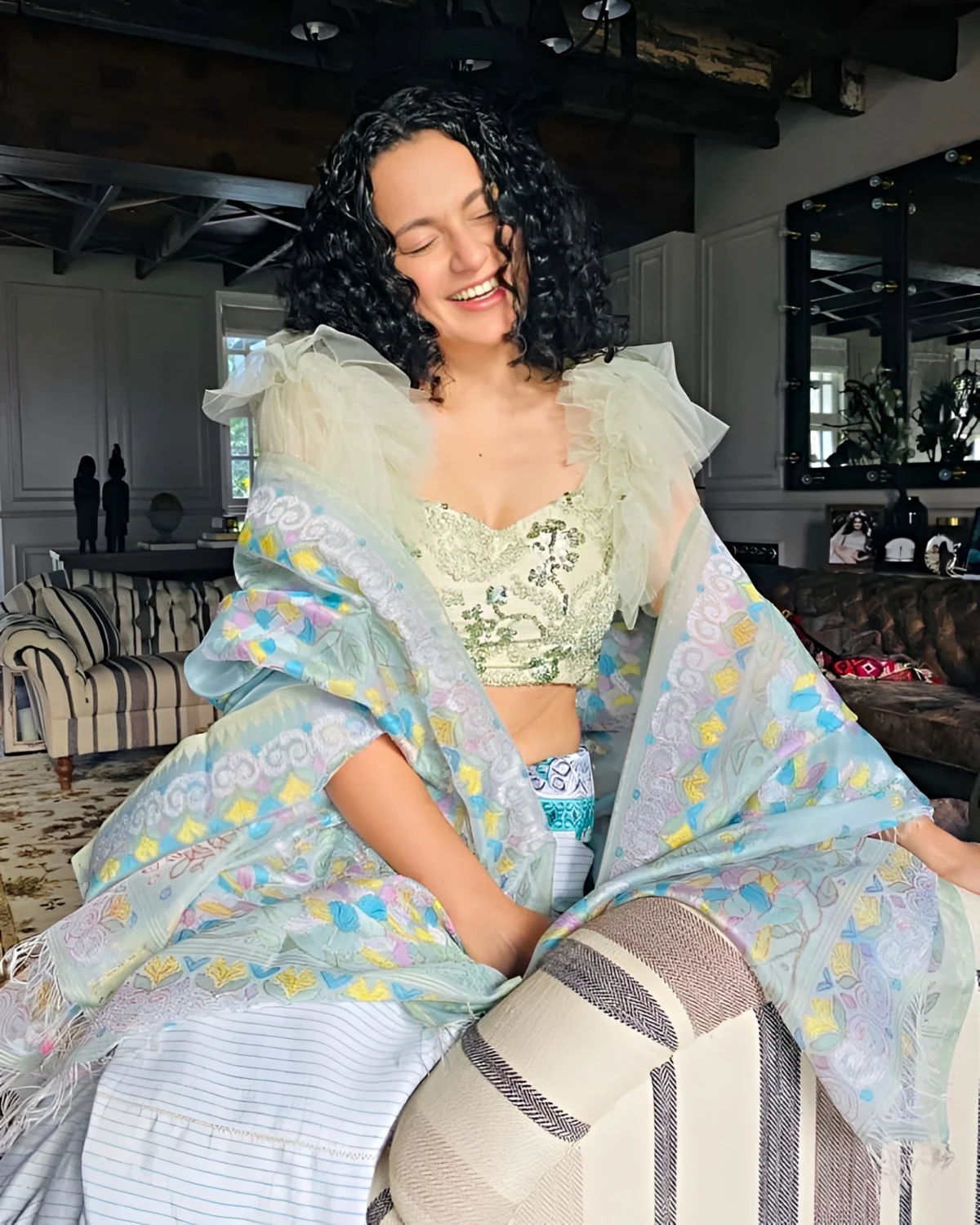
Northeast India, a region often celebrated for its breathtaking natural landscapes and vibrant cultural tapestry, also stands as a custodian of some of the country’s most exquisite and historically rich textiles. From the shimmering allure of Assam’s Muga silk to the intricate artistry of Manipur’s traditional ensembles, the handloom heritage of this region is a testament to centuries of skill, tradition, and cultural expression. This intricate weave of artistry has, in recent years, found a prominent place on the global fashion stage, thanks to its adoption by some of Bollywood’s most prominent style icons. Actresses have increasingly turned to these indigenous weaves for red carpet appearances, high-profile weddings, cultural celebrations, and even editorial photoshoots, transforming them into statements of sartorial elegance and cultural pride. This article delves into five such instances where Bollywood divas have showcased the captivating beauty of Northeast Indian outfits, drawing admiration and sparking conversations about the significance of these precious handlooms.
The Enduring Allure of Northeast Textiles: A Rich Heritage
The textile traditions of Northeast India are as diverse and multifaceted as the region itself. Each state boasts unique weaving techniques, motifs, and materials, passed down through generations of skilled artisans. These textiles are not merely garments; they are repositories of cultural identity, social status, and historical narratives.
In Assam, the famed Muga silk, known for its natural golden sheen and exceptional durability, is synonymous with elegance. The Mekhela Chador, a traditional two-piece attire, is a prime example of Assam’s weaving prowess. The Mekhela, a cylindrical skirt, is meticulously pleated, while the Chador, a gracefully draped cloth, is elegantly worn over the shoulder. These garments are often adorned with intricate zari (gold or silver thread) motifs, depicting flora, fauna, and mythological tales, reflecting the deep connection of Assamese culture with nature and spirituality.
Manipur, another state renowned for its textile artistry, offers a vibrant spectrum of traditional wear. The Phanek, a sarong-style wrap skirt, is a staple in Manipuri culture. Its characteristic stripes, often in bold red and black, are not merely decorative but are believed to symbolise prosperity and well-being. The Innaphi, a delicate shoulder shawl, and the woven blouses complement the Phanek, creating complete ensembles that are both practical and aesthetically stunning. The craftsmanship involved in creating these garments, often using traditional backstrap looms, highlights the dexterity and artistic vision of Manipuri weavers.
Beyond Assam and Manipur, other Northeastern states contribute significantly to this rich textile landscape. The Tangkhul Naga community, straddling the borders of Nagaland and Manipur, is celebrated for its distinctive shawls and wraps. These Tangkhul weaves are often characterized by their striking geometric patterns and symbolic motifs, each telling a story of tribal identity, ancestral beliefs, and community bonds. The artistry lies not just in the intricate patterns but also in the careful selection of natural dyes and fibres, a practice deeply rooted in sustainable traditions.
The significance of these textiles extends beyond their aesthetic appeal. They are often woven by women, providing them with economic independence and a crucial role in preserving cultural heritage. The intricate process of spinning, dyeing, weaving, and embellishing demands immense skill, patience, and dedication. Each thread woven carries with it a legacy of ancestral knowledge and a testament to the enduring spirit of craftsmanship.
Bollywood’s Embrace: A Catalyst for Recognition
The increasing visibility of Northeast Indian textiles in mainstream fashion, particularly through their adoption by Bollywood personalities, has had a profound impact. These high-profile endorsements serve as a powerful platform, bringing these often-overlooked crafts to national and international attention. By adorning themselves in these unique weaves, actresses not only showcase their personal style but also inadvertently become ambassadors for the rich cultural heritage of Northeast India. This exposure can lead to increased demand for handloom products, thereby supporting local artisans and fostering economic growth within the region.
The act of wearing these traditional garments by public figures transcends mere fashion trends; it becomes a statement of appreciation for indigenous craftsmanship and a conscious effort to promote diversity in the fashion landscape. It challenges the notion of a singular, dominant fashion narrative and instead celebrates the myriad expressions of beauty and artistry that exist within India.
Spotlight on Style: Five Memorable Bollywood Moments
The following instances highlight how Bollywood actresses have championed Northeast Indian textiles, turning heads and inspiring a new wave of appreciation:
1. Preity Zinta: Championing Assamese Elegance at Lakme Fashion Week
In a move that brought Assamese Muga silk to the forefront of high fashion, actress Preity Zinta graced the runway at Lakme Fashion Week 2017, adorned in a breathtaking Mekhela Chador. The ensemble, designed by the acclaimed Guwahati-based designer Sanjukta Dutta, was a masterpiece of traditional craftsmanship. Crafted from off-white Muga silk, the outfit featured delicate zari motifs, showcasing the intricate artistry that defines Assamese weaving.
The Mekhela Chador is more than just an attire; it is a symbol of Assamese identity and a celebration of the region’s centuries-old weaving legacy. Traditionally worn during festivals like Bihu, this two-piece drape comprises the Mekhela, a gracefully pleated cylindrical skirt, and the Chador, a flowing piece of cloth elegantly draped over the shoulder. Zinta’s confident stride and radiant smile amplified the elegance of the ensemble, effectively highlighting the timeless appeal of Muga silk and the sophisticated drape of the Mekhela Chador. Her appearance on a national fashion platform not only showcased the beauty of Assamese handlooms but also underscored the potential of these traditional weaves to make a significant impact on the global fashion stage. The designer, Sanjukta Dutta, has consistently been a proponent of promoting indigenous textiles, and this collaboration with Preity Zinta further solidified her commitment to bringing Northeast handlooms to a wider audience.
2. Kangana Ranaut: Embracing the Boldness of the Manipuri Phanek
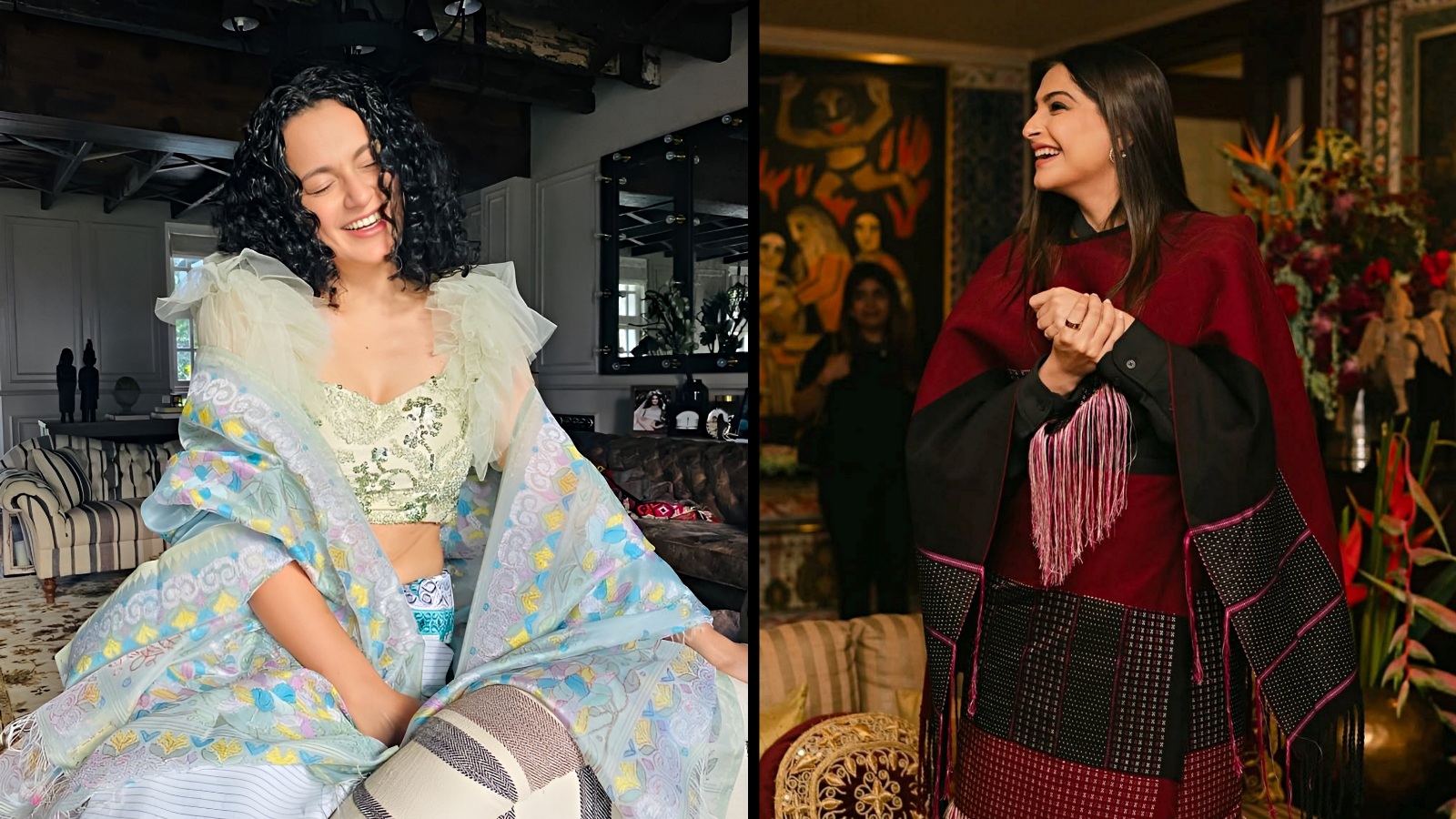
In 2020, actress Kangana Ranaut took to social media to showcase her appreciation for Manipuri handlooms, sharing images of herself in a striking red-and-black striped Phanek. Paired with a pristine white Innaphi veil and an intricately embroidered blouse, the ensemble offered a contemporary interpretation of traditional Meitei craftsmanship. While the specific designer remained uncredited in the initial sharing, the look clearly drew inspiration from the rich cultural heritage of Manipur.
The Phanek, a sarong-style wrap skirt, is deeply ingrained in Manipuri culture, worn by women in their daily lives and during significant rituals. The distinctive stripes, particularly the classic red and black combination, are often associated with prosperity and auspiciousness within the community. Ranaut’s choice to wear this traditional garment and share it with her followers sparked a renewed interest in regional handlooms, encouraging discussions about nationalism and the importance of celebrating indigenous crafts. Her accompanying statement, "Fashion should be inclusive but what is the point of including others and excluding our own? True meaning of Nationalism is Nation first, our own first…", resonated with many, emphasizing the significance of supporting and promoting India’s own cultural heritage. This act not only highlighted the aesthetic appeal of the Phanek but also served as a powerful statement on cultural pride and the importance of supporting local artisans.
3. Sonam Kapoor: A Tangkhul Naga-Inspired Masterpiece
Fashion icon Sonam Kapoor has consistently been a proponent of sustainable and culturally significant fashion. Her choice to wear a Tangkhul Naga-inspired ensemble from the Manipur-based label East Zimik, helmed by designer Easternlight Zimik, at an Architectural Digest magazine dinner was a sartorial statement that celebrated the artistry of the Tangkhul community. Styled by her sister Rhea Kapoor, the ensemble featured striking black weaves adorned with intricate geometric tribal motifs, a hallmark of Tangkhul craftsmanship.
Tangkhul shawls are renowned for their symbolic richness, representing not just tribal identity and community bonds but also offering a sense of protection and spiritual connection among the Naga tribes inhabiting the Nagaland-Manipur region. The ensemble worn by Kapoor was a contemporary rendition of these traditional weaves, demonstrating how heritage textiles can be seamlessly integrated into modern fashion without losing their intrinsic cultural value. This look stood out as a powerful celebration of Northeast India’s emerging contemporary design voices, all of whom are deeply rooted in the region’s rich traditional weaving practices. Kapoor’s endorsement brought significant attention to East Zimik and the broader Tangkhul weaving tradition, encouraging a deeper appreciation for the intricate narratives woven into these fabrics.
4. Urvashi Rautela: A Gilded Vision of Manipuri Bridal Elegance
Actress Urvashi Rautela made a dramatic entrance at an event, captivating audiences with a reimagined version of the traditional Manipuri Kumil Potloi. This opulent interpretation was reportedly crafted with exquisite gold-toned embellishments, transforming a garment deeply rooted in cultural significance into a breathtaking couture piece. The Potloi is a cylindrical bridal skirt traditionally worn by Meitei brides in Manipur, symbolizing purity, fertility, and the sanctity of marriage.
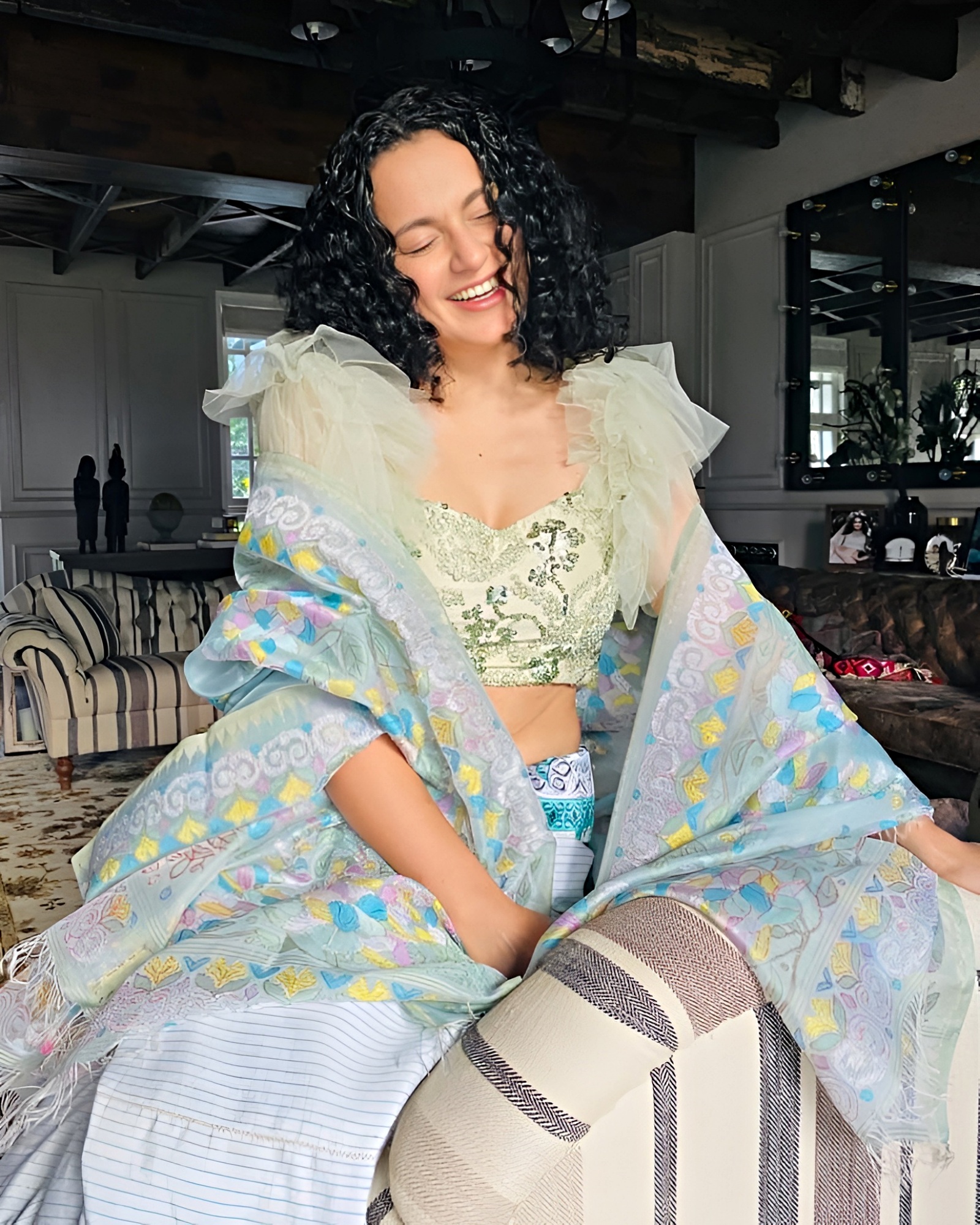
Rautela’s choice to don this couture-inspired version of the Potloi brought a unique spotlight to Manipur’s rich ceremonial attire. The intricate gold embellishments, meticulously applied to the traditional silhouette, highlighted the potential for innovation and fusion within traditional crafts. This bold rendition not only showcased the beauty of the Potloi but also demonstrated how traditional garments can be adapted for contemporary red carpet events, thereby drawing global attention to the artistic prowess of Manipuri artisans. The sheer grandeur of the ensemble underscored the regal and ceremonial importance of the Potloi within Manipuri wedding traditions, while its modern interpretation made it a talking point in the fashion world.
5. Priyanka Chopra Jonas: A Symbol of Assam’s Heritage During Official Visit
During her tenure as a tourism ambassador for Assam in 2018, Priyanka Chopra Jonas embraced the region’s iconic handloom tradition by wearing a classic white Muga silk Mekhela Chador. This elegant ensemble, accessorised with traditional gold jewellery and fresh white flowers, beautifully encapsulated the essence of Assamese heritage and the significance of handloom weaving in supporting local women artisans.
The visit was marked by a heartwarming moment that resonated widely: a young Assamese girl patiently assisted Chopra in learning the art of draping the Mekhela Chador. This interaction underscored the cultural exchange and the personal connection that can be fostered through the embrace of traditional attire. Chopra’s choice of the Mekhela Chador was a powerful statement of respect for Assamese culture and a conscious effort to promote the region’s rich textile heritage. Her visibility in this traditional garment brought immense attention to the importance of Muga silk and the skilled craftsmanship of Assamese weavers, reinforcing the idea that traditional attire can be both stylish and deeply meaningful. This act of cultural diplomacy further cemented the understanding that handloom traditions are not just about clothing but also about preserving identity and empowering communities.
Supporting Data and Impact
The increasing adoption of Northeast Indian textiles by Bollywood celebrities is not merely a fleeting trend; it is indicative of a growing appreciation for the unique craftsmanship and cultural significance of these weaves. This phenomenon has tangible economic and social impacts:
- Economic Empowerment of Artisans: The demand generated by these endorsements can lead to increased orders for handloom products, providing a stable income source for weavers, many of whom are women. This economic upliftment can empower artisan communities, improve their living standards, and encourage the continuation of traditional weaving practices.
- Preservation of Traditional Crafts: By bringing these textiles into the mainstream, Bollywood’s patronage helps to keep traditional weaving techniques alive. Younger generations are more likely to be drawn to learning these crafts when they see them celebrated and valued by prominent figures.
- Increased Tourism and Cultural Exchange: The visibility of Northeast Indian textiles can spark curiosity and interest in the region itself, potentially boosting tourism. Visitors may seek to experience the culture firsthand, purchase authentic handlooms, and learn about the weaving process.
- National and International Recognition: These high-profile appearances place Northeast Indian textiles on a global fashion map. This recognition can lead to international collaborations, export opportunities, and a broader appreciation for India’s diverse textile heritage.
- Challenging Fashion Monopolies: The embrace of these unique weaves by Bollywood contributes to a more inclusive and diverse fashion landscape, challenging the dominance of conventional styles and celebrating regional artistry.
Official Responses and Initiatives
While the impact of celebrity endorsements is significant, governmental and non-governmental organizations have also been actively involved in promoting Northeast Indian handlooms.
- Government Support: The Ministry of Textiles, through various schemes and initiatives, aims to support handloom weavers by providing training, financial assistance, and access to markets. Organizations like the Office of the Development Commissioner (Handicrafts) and the National Handloom Development Corporation play a crucial role in this regard.
- Designer Collaborations: Many designers from Northeast India are actively working to revive and re-imagine traditional weaves for contemporary markets. Their efforts, often supported by fashion weeks and design festivals, are crucial in bridging the gap between tradition and modernity.
- NGO Initiatives: Numerous NGOs are dedicated to empowering artisan communities in the Northeast, providing them with skill development, design intervention, and market linkages. These organizations often work directly with weavers to ensure fair wages and sustainable practices.
- Geographical Indication (GI) Tagging: The pursuit and attainment of Geographical Indication (GI) tags for specific textiles from the Northeast, such as the Muga silk of Assam, helps in protecting their authenticity and branding, ensuring that the benefits reach the genuine artisans.
Implications for the Future
The growing prominence of Northeast Indian textiles in mainstream fashion, significantly amplified by Bollywood’s endorsement, carries profound implications for the future. It signifies a shift towards a more inclusive and appreciative approach to India’s diverse cultural heritage.
- Sustained Demand and Economic Viability: As these textiles gain wider recognition, the demand is likely to increase, ensuring the economic viability of weaving communities. This sustained demand can lead to the modernization of looms and techniques, while still preserving the core artistry.
- Innovation and Evolution: The integration of traditional weaves into contemporary fashion encourages innovation. Designers and artisans are likely to experiment with new motifs, colour palettes, and garment silhouettes, creating fusion wear that appeals to a broader audience while respecting the roots of the craft.
- Cultural Diplomacy and National Pride: The showcasing of these exquisite textiles by national icons serves as a powerful form of cultural diplomacy, projecting a positive image of India’s rich heritage on the global stage. It fosters a sense of national pride and a deeper appreciation for the country’s artistic diversity.
- Ethical Fashion and Sustainability: The inherent nature of handloom weaving, often relying on natural fibres and traditional techniques, aligns perfectly with the growing global trend towards ethical and sustainable fashion. This can further elevate the appeal of Northeast Indian textiles.
- Empowerment and Preservation: Ultimately, the continued embrace of these woven treasures by influential figures and the subsequent support from various stakeholders will be crucial in ensuring the sustained empowerment of artisan communities and the preservation of these invaluable textile traditions for generations to come. The story of Northeast India’s woven artistry, now woven into the fabric of mainstream fashion, is a testament to the enduring power of culture, craft, and conscious appreciation.
