

In the contemporary landscape of interior design, the boundary between the natural world and the built environment is increasingly blurred. As urban dwellers seek refuge from the sterile, high-tech demands of modern life, "biophilic design"—the practice of incorporating nature into human spaces—has moved from a niche luxury to a fundamental architectural requirement. At the forefront of this movement is the home aquarium. No longer confined to a simple glass bowl on a sideboard, the modern fish tank has evolved into a sophisticated architectural element that serves as a focal point for wellness, aesthetics, and even spiritual harmony.
The Main Facts: More Than Just a Pet
While fish are often marketed as "low-maintenance" pets requiring neither walks nor grooming, the reality of modern aquaria is far more profound. An aquarium is a self-contained ecosystem that offers significant psychological and physiological benefits. Research in environmental psychology suggests that observing fish swim can lower blood pressure, reduce cortisol levels, and improve sleep quality.
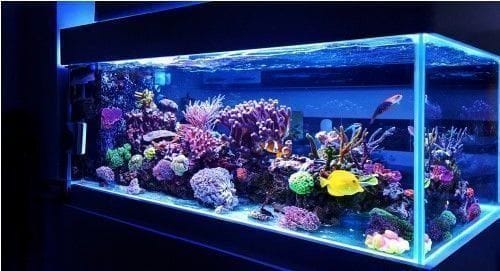
Furthermore, the integration of an aquarium into a home is a strategic design choice. It adds "kinetic energy" to a room—a sense of constant, gentle motion that static furniture cannot provide. Whether it is a minimalist nano-tank or a sprawling wall-to-wall installation, the aquarium serves as a living piece of art that changes every hour of the day.
Chronology: The Evolution of the Domestic Aquarium
The history of keeping fish for aesthetic purposes dates back to ancient civilizations, but the "aquarium hobby" as we know it has undergone a radical transformation over the last century.
- The Victorian Era: The 19th century saw the birth of the glass-paned aquarium, often used as a curiosity in parlors to showcase exotic species brought back from colonial expeditions.
- The Mid-20th Century: The invention of the air pump and plastic filtration systems made fish-keeping accessible to the middle class, leading to the "goldfish bowl" era.
- The Digital Age (Modern Day): Today, the industry has shifted toward "Aquascaping"—the art of arranging aquatic plants, rocks, and driftwood in an aesthetically pleasing manner. Advanced LED lighting, automated dosing pumps, and IoT-integrated monitors allow for complex reef and planted systems that were previously impossible to maintain at home.
Supporting Data: 12 Innovative Design Concepts for the Modern Home
To truly leverage the potential of an aquarium, homeowners are moving away from off-the-shelf units in favor of bespoke installations. Here are 12 design ideas currently shaping the industry:
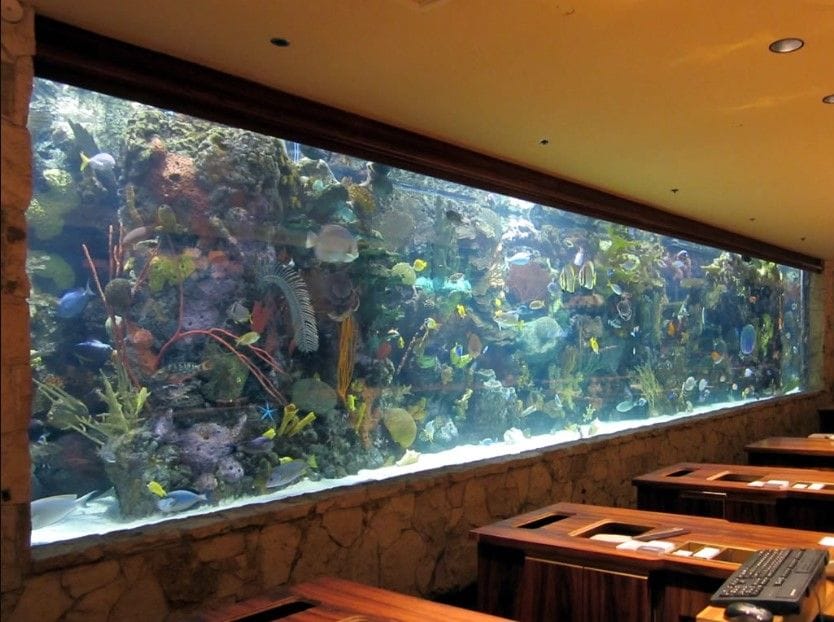
1. The Architectural In-Wall Installation
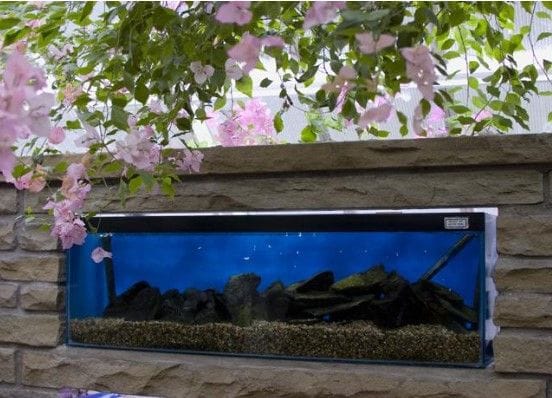
By embedding a large-format tank directly into a load-bearing or partition wall, the aquarium becomes a "live painting." This design requires professional consultation regarding structural support and access for maintenance, but it offers a seamless look that integrates perfectly with modern minimalism.
2. The Functional Space Divider
In open-concept homes, an aquarium can serve as a translucent barrier between a dining area and a living room. This allows light to pass through while providing a sense of privacy and defined zones without the "closed-in" feeling of a solid wall.
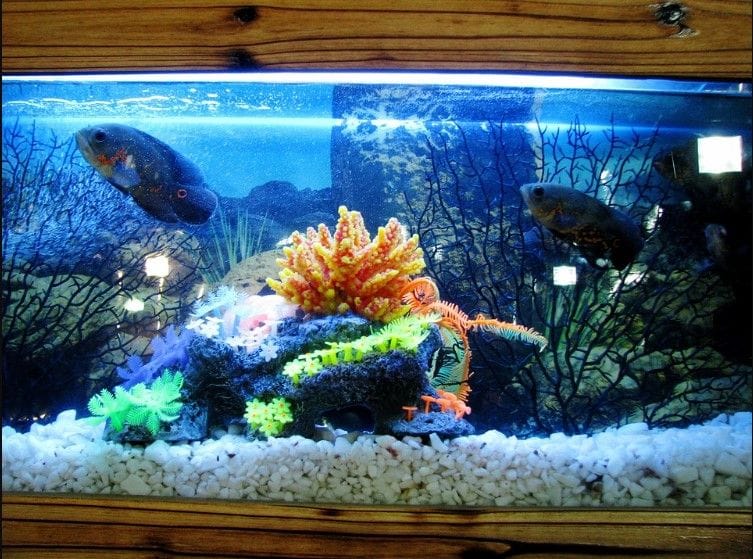
3. The Wall-Mounted Gallery Tank
For those with limited floor space, wall-mounted tanks offer a sleek solution. These are typically shallower and designed to be viewed from the front, functioning as a high-definition, moving mural.
4. Multi-Functional Furniture Integration
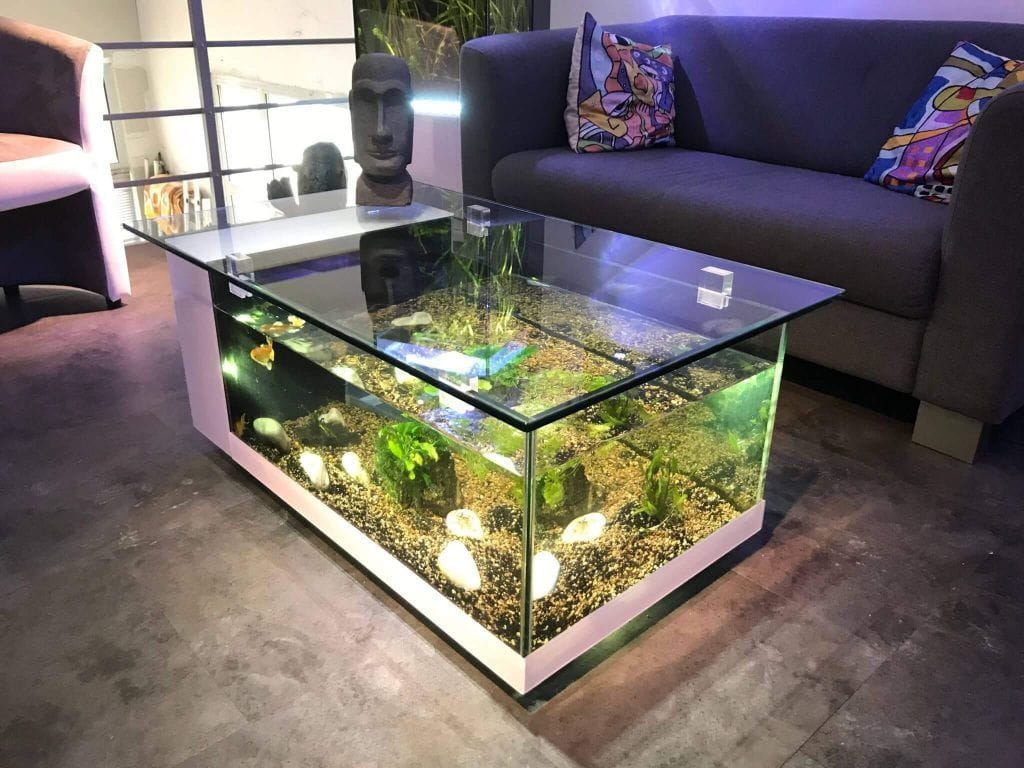
Bespoke furniture makers are now creating coffee tables and sideboards that house fully functional aquariums. These pieces serve a dual purpose, turning a utilitarian object into a conversation starter.
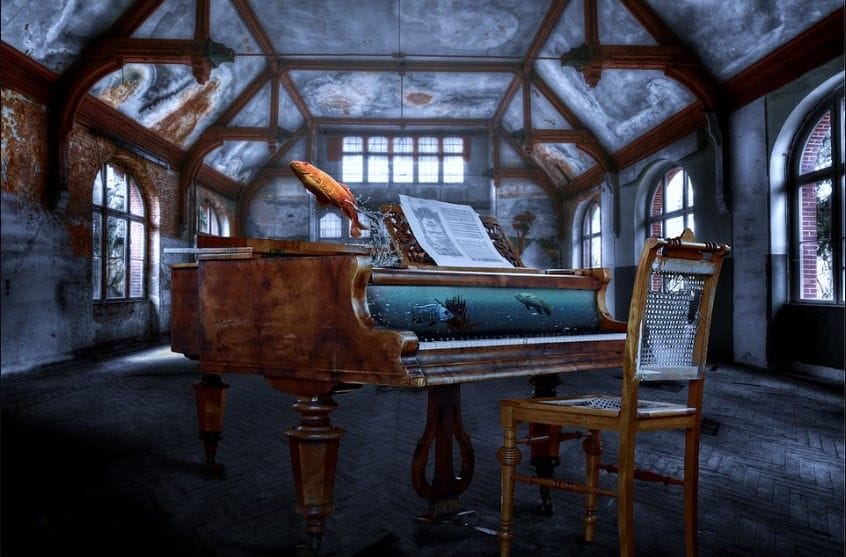
5. The Sleep-Enhancing Headboard
While unconventional, integrating a large, low-noise aquarium into a bedroom headboard is gaining popularity in luxury suites. The gentle blue light and rhythmic movement of the water are touted as natural sleep aids.
6. Interconnected "H-Style" Systems
For the serious hobbyist, interconnected tanks joined by clear acrylic bridges allow fish to travel between different environments. This not only increases the swimming volume for the livestock but also creates a dynamic, laboratory-chic aesthetic.
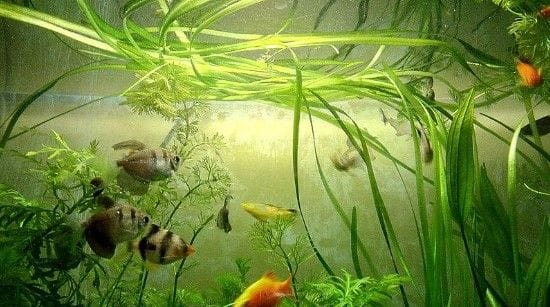
7. The Sustainable Upcycled Aquarium
Reflecting the global trend toward sustainability, designers are repurposing vintage objects—such as 1950s television sets or Macintosh computer shells—into unique, retro-themed fish homes.
8. The Floor-to-Ceiling Column
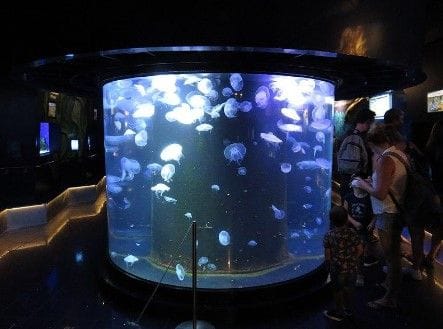
A vertical column tank acts as a luxury architectural pillar. This design is particularly effective in entryways or at the center of a spiral staircase, providing 360-degree visibility.
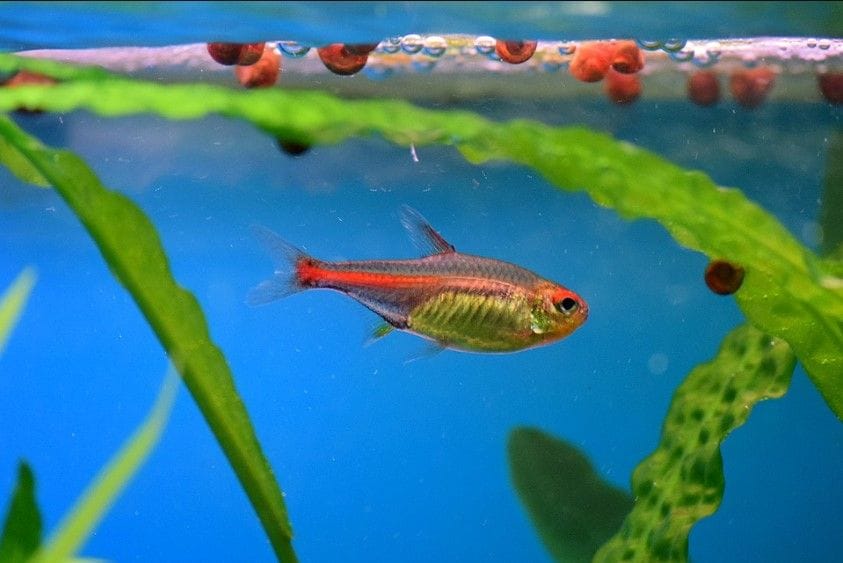
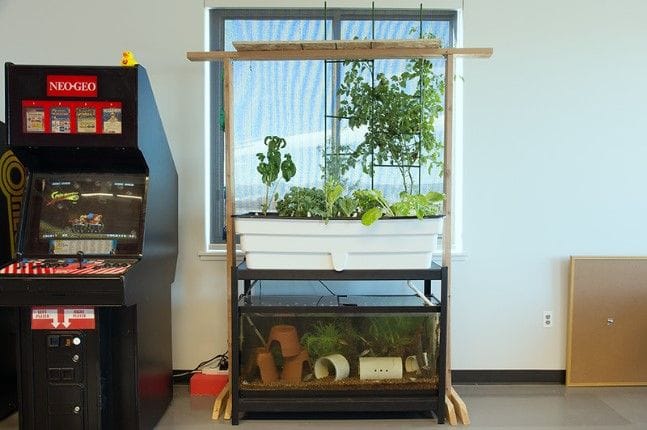
9. The Aquaponic Ecosystem
Combining botany and ichthyology, aquaponic tanks use fish waste as a nutrient source for plants growing on the surface. This creates a closed-loop system that is both educational and environmentally conscious.
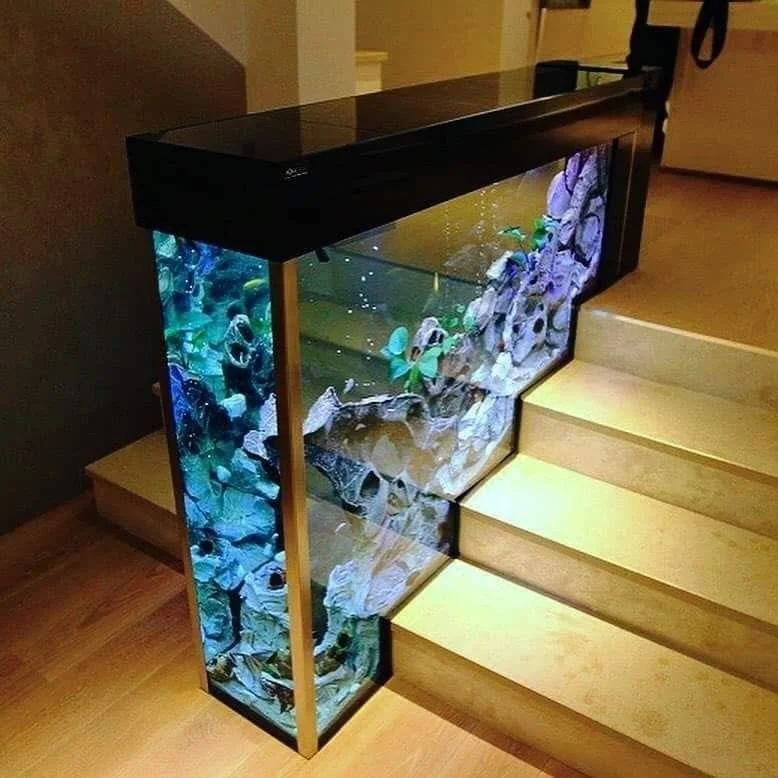
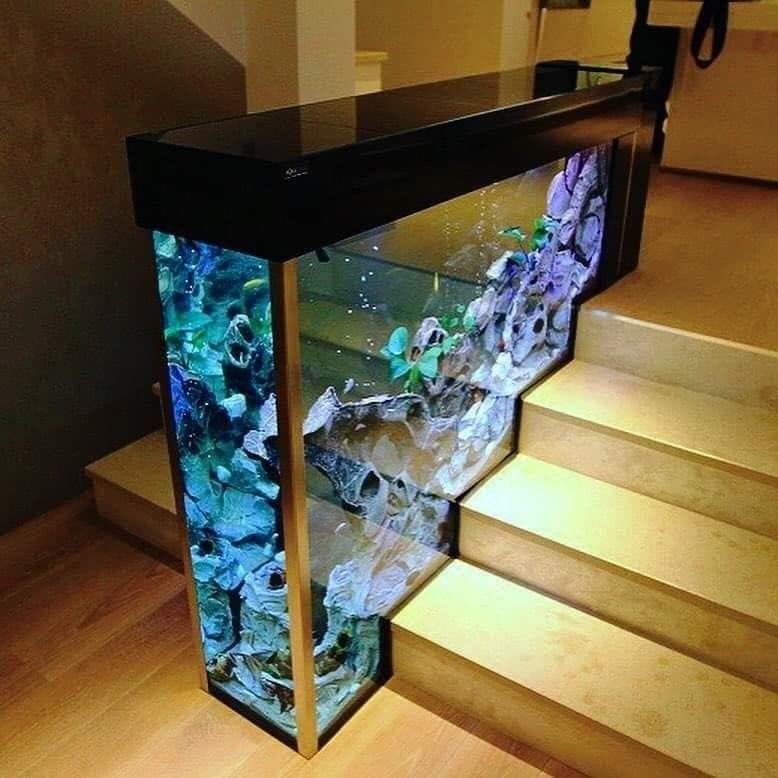
10. The Staircase Railing Aquarium
Using a stepped aquarium as a railing for a staircase is perhaps the ultimate space-saving luxury. It utilizes otherwise "dead" space and provides a unique viewing angle from both the ground floor and the landing.
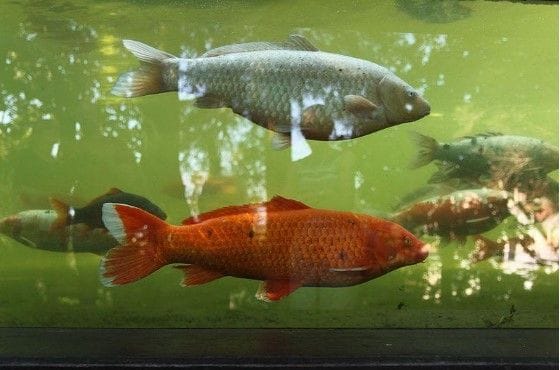
11. The Living Centerpiece: Table Aquaria
Unlike furniture-integrated tanks, these are dedicated table-top displays designed with high-clarity "low-iron" glass, making the water appear invisible and the fish seem as though they are floating in mid-air.
12. The Compact Corner Sanctuary
Designed for urban apartments, corner tanks utilize the least-used part of a room. With a curved front glass, they offer a magnified view of the internal landscape, making a small space feel significantly larger.
Official Perspectives: Vastu and Feng Shui Implications
In many cultures, the placement of an aquarium is governed by ancient spatial sciences. According to Vastu Shastra, an aquarium is a powerful tool for correcting "Vastu Doshas" (architectural flaws). It represents the water element and should ideally be placed in the North or East direction of the living room to attract prosperity.
Similarly, Feng Shui practitioners view the aquarium as a generator of "Chi" (energy). The movement of the water prevents energy from becoming stagnant. Key Feng Shui tenets include:
- Balance of Five Elements: The water (water), the plants (wood), the gravel/rocks (earth), the metal frame or filter parts (metal), and the bright colors of the fish or lights (fire).
- The Rule of Nine: Many practitioners recommend keeping nine fish—eight gold or red (symbolizing luck) and one black (to absorb negative energy).
Maintenance: The Technical Reality
A professional journalistic review must acknowledge that an aquarium is a responsibility, not just a decoration. Experts emphasize the "Nitrogen Cycle"—the process by which beneficial bacteria break down toxic ammonia into nitrates.
Standard Maintenance Protocol:
- Water Changes: 20-30% of the water should be replaced fortnightly. Crucially, fish should never be placed in 100% fresh tap water; they require a "cycled" environment where the pH and temperature are stable.
- Chemical-Free Cleaning: Soap and household detergents are lethal to aquatic life. Maintenance should involve mechanical scrubbing and the use of water conditioners.
- Filtration Integrity: Modern canisters and sump filters require regular checking to ensure the mechanical, chemical, and biological filtration stages are functioning.
Implications for Future Home Design
The rise of the "living interior" suggests a shift in how we value our domestic spaces. Real estate data indicates that homes with high-end, well-maintained aquariums often command a premium, particularly in the luxury market where they are viewed as permanent "living installations."
Furthermore, as "Smart Homes" become the standard, we can expect aquariums to become more integrated into home automation systems. Imagine an aquarium that adjusts its lighting spectrum based on the actual weather in the Amazon basin, or a system that sends a smartphone alert the moment the water temperature deviates by half a degree.
Conclusion
The modern aquarium is a marriage of biology, engineering, and art. It challenges the inhabitant to become a steward of a miniature world, providing a sense of purpose and a window into the tranquility of the underwater realm. While the design possibilities are limited only by one’s imagination and budget, the ultimate success of an aquarium lies in the balance between aesthetic ambition and the welfare of the living creatures within. As we move further into an era of urbanization, these "glass lungs" will continue to play a vital role in keeping the human spirit connected to the natural world.
