

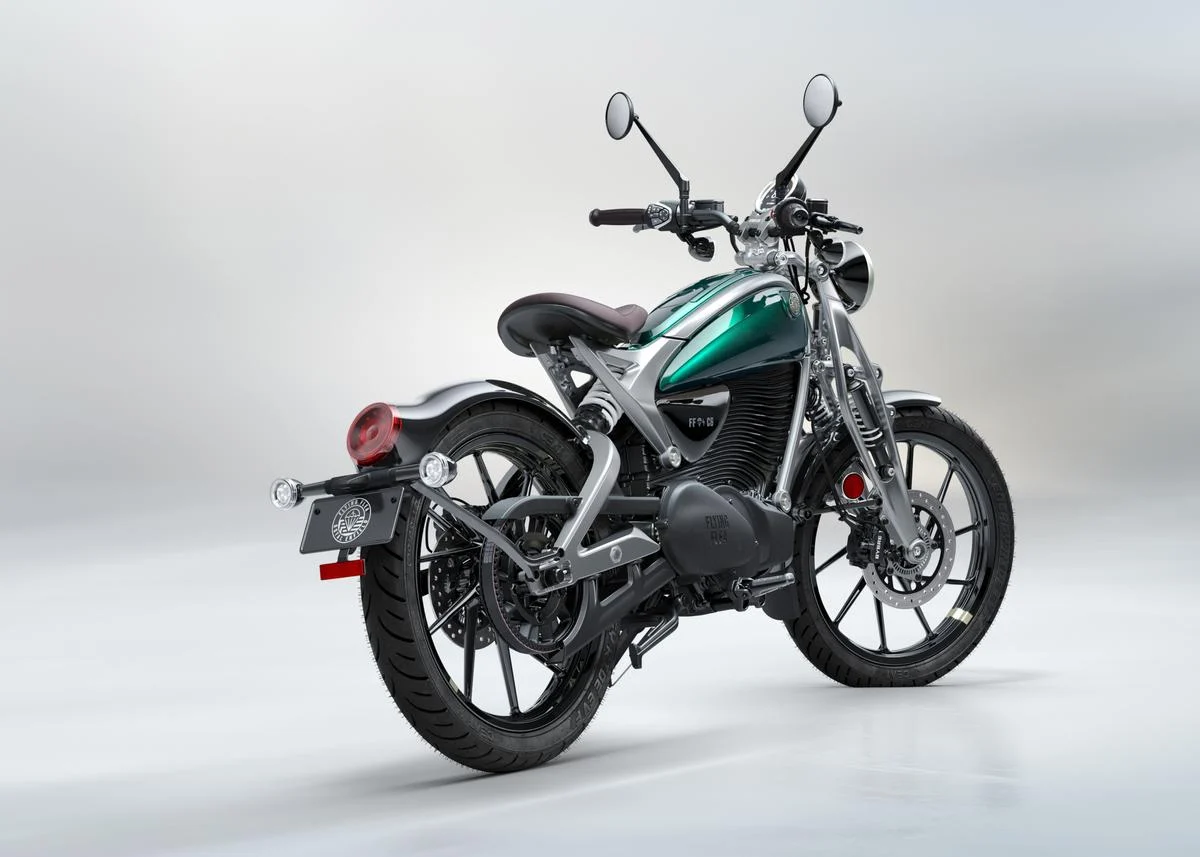
The global motorcycling landscape is witnessing a tectonic shift as traditional internal combustion engine (ICE) manufacturers pivot toward sustainable mobility. Among these, few transitions have been as anticipated as Royal Enfield’s entry into the electric vehicle (EV) sector. On April 12, 2026, the venerable marque officially launched the Flying Flea C6, the debut model under its dedicated electric sub-brand, Flying Flea.
Priced at ₹2.79 lakh (ex-showroom), with a disruptive Battery-as-a-Service (BaaS) option starting at ₹1.99 lakh, the C6 is not merely a motorcycle; it is a statement of intent. It represents a ground-up reimagining of urban mobility, blending mid-20th-century aesthetic cues with 21st-century connectivity.
Main Facts: The Identity of the Flying Flea C6
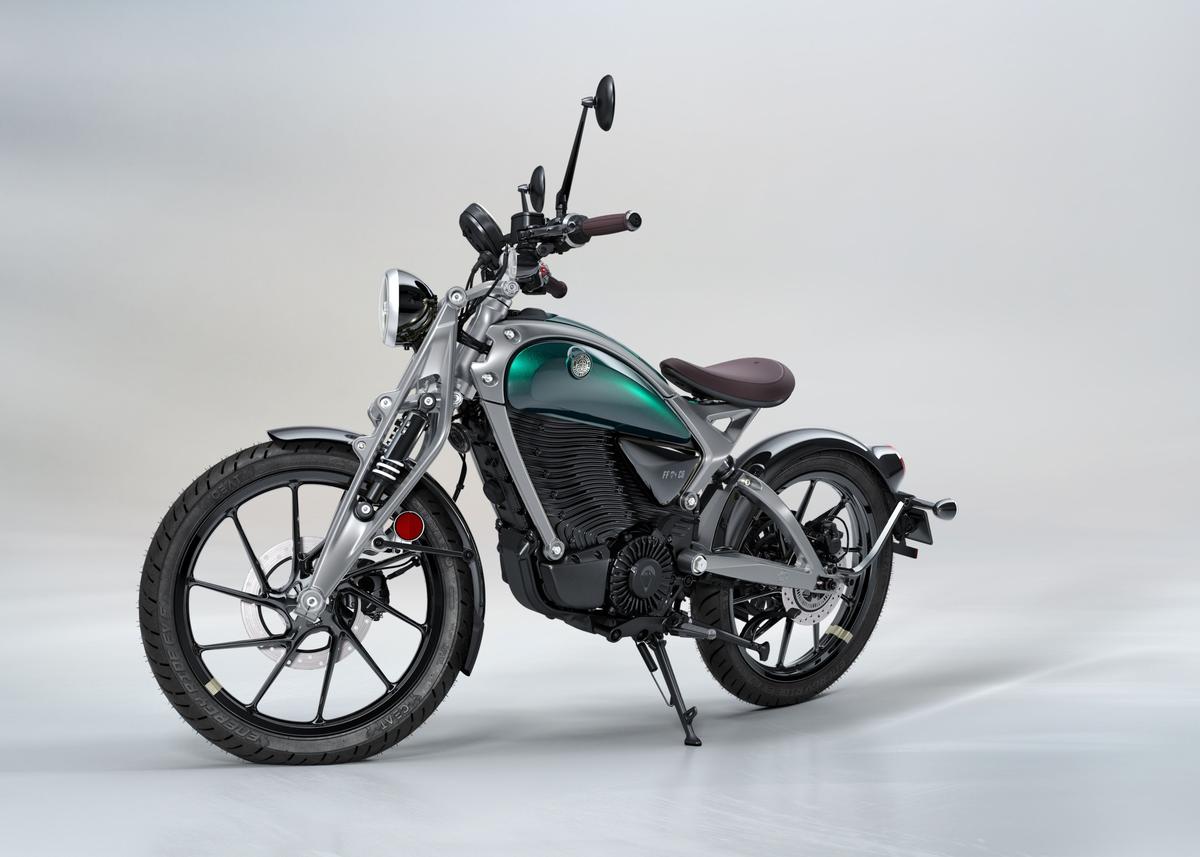
The Flying Flea C6 is positioned as a "lightweight urban scrambler-style" electric motorcycle. Unlike many competitors that focus on aggressive performance or utility-first designs, the C6 prioritizes a "sophisticated simplicity."
A New Brand Architecture
The decision to house the C6 under the "Flying Flea" sub-brand is a strategic move by Royal Enfield to protect its core "thumper" identity while allowing the electric division the freedom to innovate without the baggage of traditional expectations. The C6 is the first of many planned models on this bespoke electric platform, which has been developed entirely in-house over several years of rigorous R&D.
Design Philosophy: Heritage Meets Minimalism
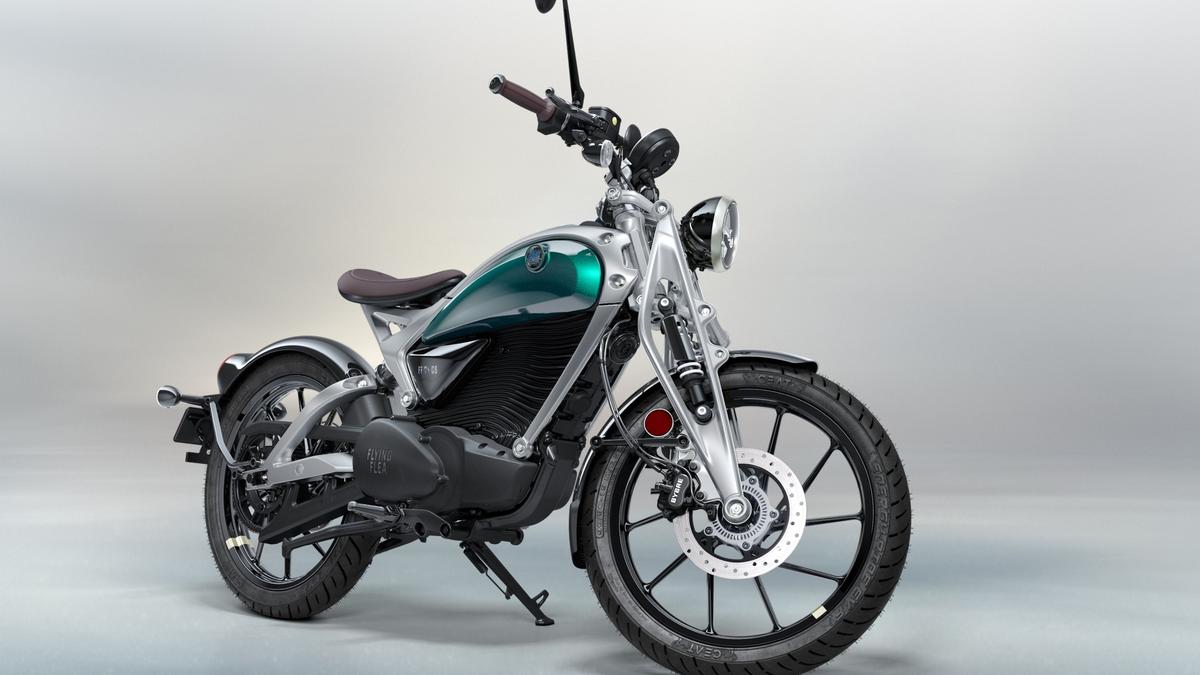
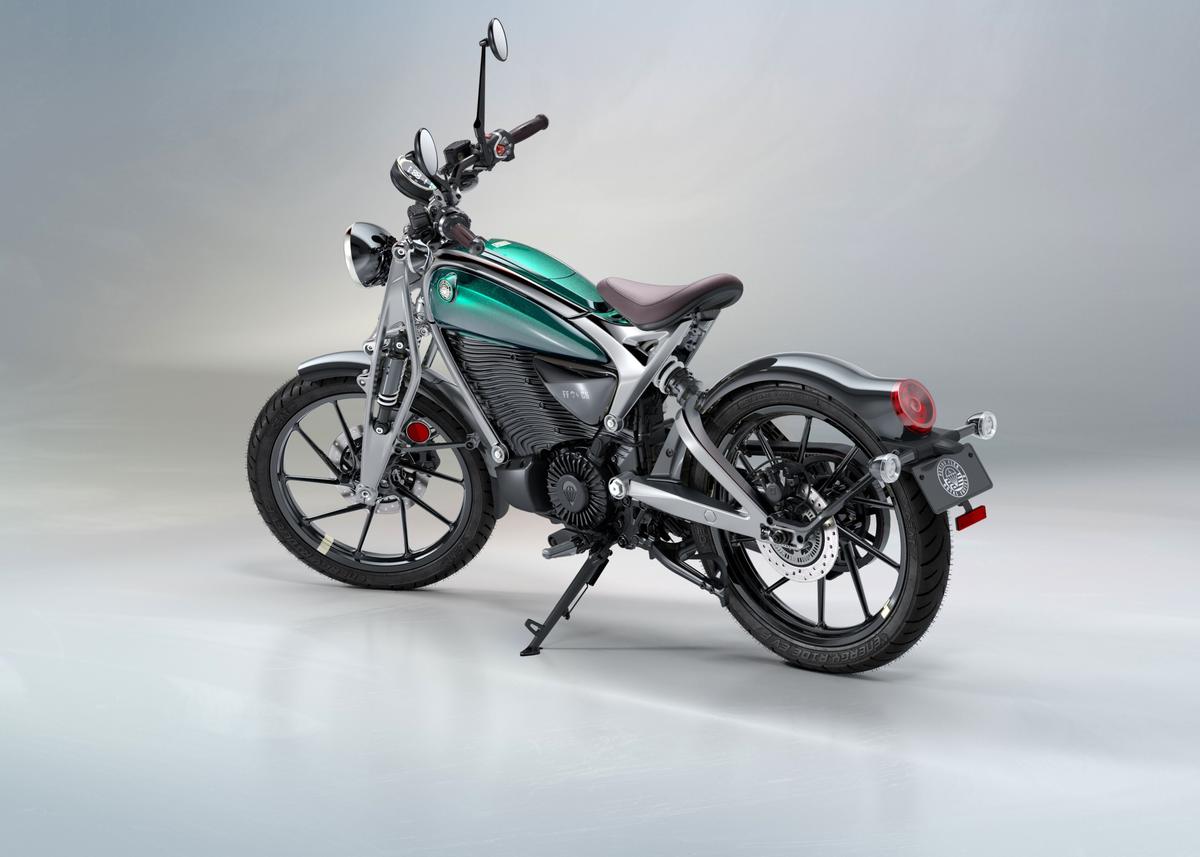
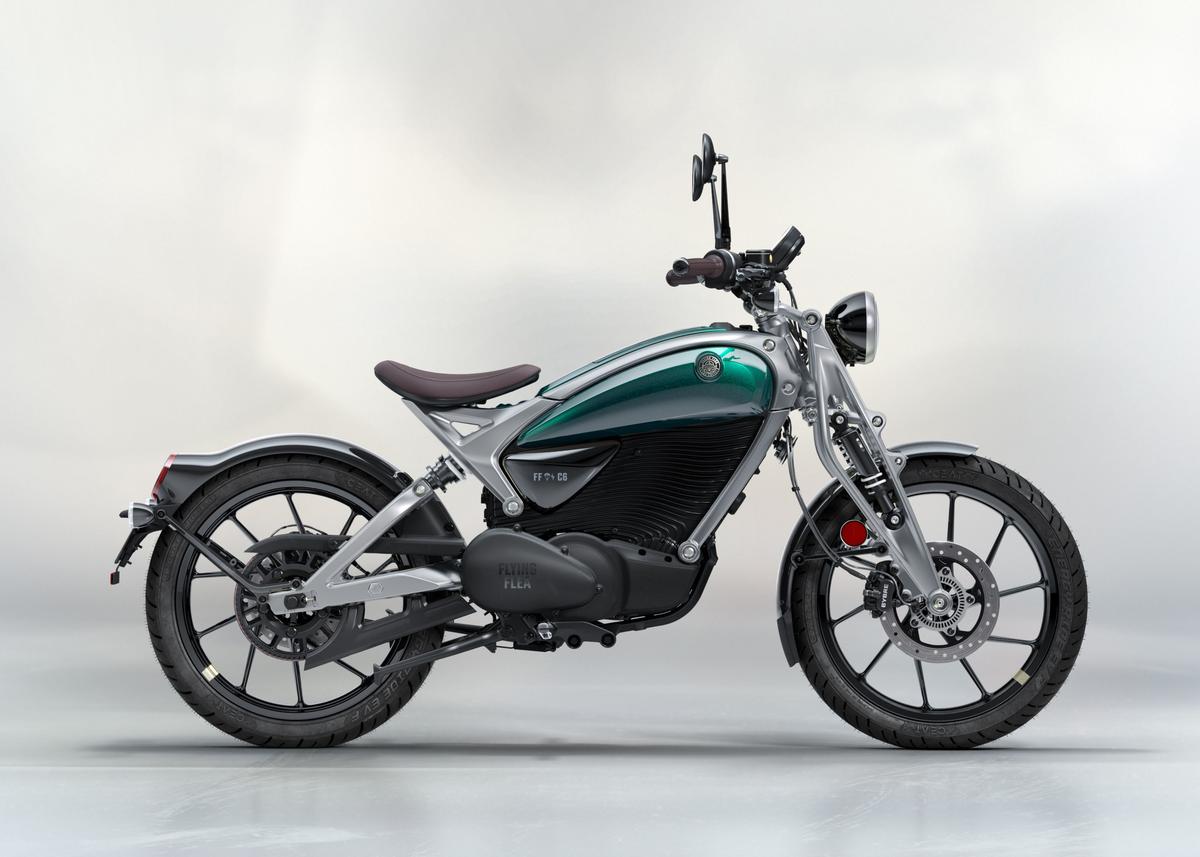
The most striking visual feature of the C6 is its forged aluminium girder fork. This setup, a hallmark of motorcycles from the 1920s and 30s, has been re-engineered using modern metallurgy to provide precise handling while significantly reducing weight. Complementing this is an articulating front mudguard that moves in tandem with the wheel, a nod to the original "Flying Flea" WD/RE used by British paratroopers in World War II.
The battery pack itself is a design element. Encased in a finned magnesium-alloy housing, it serves as a structural component of the chassis. The fins are functional, providing passive cooling to manage the thermal loads of the high-density cells within.

Chronology: From Battlefield to Battery Power
The journey of the Flying Flea is one of the most storied in motorcycling history, making its rebirth as an EV particularly poetic.
- 1940s: The Original WD/RE: During World War II, Royal Enfield developed a 125cc lightweight motorcycle known as the "Flying Flea." It was designed to be dropped by parachute behind enemy lines to provide mobile communication for airborne troops. Its defining characteristics were lightness, agility, and reliability.
- 2020–2023: The Silent Development: Royal Enfield began investing heavily in EV technology, acquiring a stake in the Spanish electric performance brand Stark Future and establishing a dedicated EV wing in the UK and India. Rumors of an "Electrik0" project began to circulate.
- November 2024: The Concept Reveal: A prototype of the electric Flying Flea was showcased at EICMA in Milan, signaling that the brand was moving toward a dedicated sub-brand rather than a single electric model.
- April 12, 2026: The Official Launch: Royal Enfield officially launches the Flying Flea C6 in Bengaluru, India. The city, often called the "EV capital of India," was chosen as the pilot market for the brand’s rollout.
- May 2026 (Projected): Deliveries are scheduled to commence, followed by a phased expansion into other Tier-1 Indian cities and eventually European markets.
Supporting Data: Technical Specifications and Performance
The Flying Flea C6 is engineered for the "urban jungle," where stop-and-go traffic and short bursts of speed are the norm. Its technical sheet reflects a balance between efficiency and engagement.
Powertrain and Battery
- Battery Capacity: 3.91 kWh (Lithium-ion).
- Peak Power: 15.4 kW (approx. 21 bhp).
- Peak Torque: 60 Nm, available from 0 RPM.
- Weight: A remarkably low kerb weight of 124 kg, making it one of the lightest motorcycles in its class.
- Top Speed: 115 km/h, sufficient for urban expressways and city bypasses.
Charging Infrastructure and Versatility
The C6 addresses "range anxiety" through charging flexibility rather than just raw battery size.
- Home Charging: Compatible with standard 16 Amp wall sockets.
- Rapid Charging: 20% to 80% charge in approximately 65 minutes.
- Range Recovery: Under optimal conditions, the bike can add 1 km of range for every minute of charging.
- Regenerative Braking: A sophisticated system that captures kinetic energy during deceleration, particularly effective in heavy city traffic.
The Tech Stack
The C6 is arguably the most "connected" Royal Enfield ever built. It features a Central Vehicle Controller (CVC) that manages:
- Connectivity: Integrated WiFi, Bluetooth, and 4G LTE.
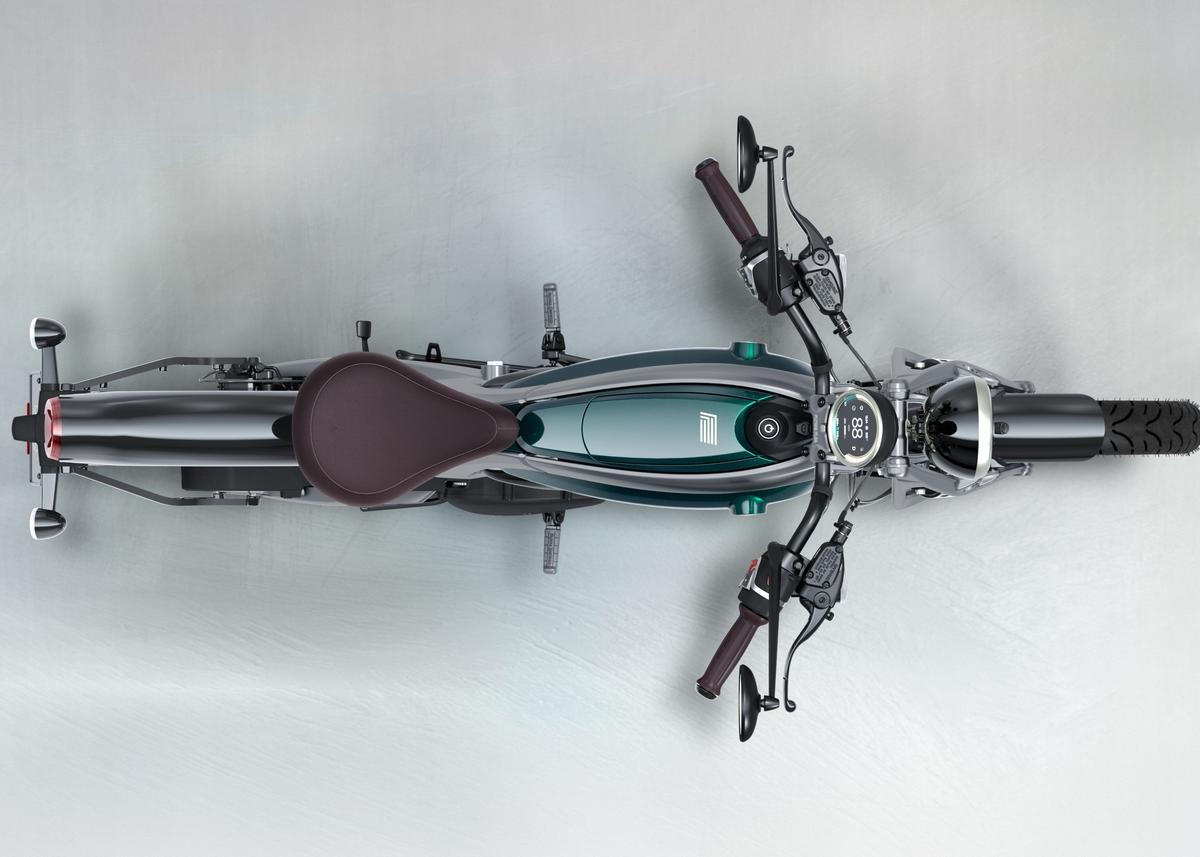
- User Interface: A circular TFT touchscreen display that mimics the classic Royal Enfield speedo but offers turn-by-turn navigation and phone integration.
- Safety Features: Lean-sensitive ABS (Cornering ABS) and Traction Control, which are rare in the lightweight electric segment.
- Software Updates: Over-the-air (OTA) capabilities allow the manufacturer to improve throttle maps and battery management algorithms remotely.
Official Responses: The Strategic Vision
While the launch event focused on the machine, the corporate strategy behind Flying Flea suggests a long-term play for global dominance in the "premium-lite" EV segment.
In statements accompanying the launch, Royal Enfield leadership emphasized that the C6 is not meant to replace the Interceptor or the Classic 350. Instead, it is aimed at a "new generation of explorers" who value sustainability but are unwilling to compromise on style or brand legacy.
On the Choice of the Girder Fork:
Engineers noted that the forged aluminium girder fork was chosen not just for its retro aesthetic, but because it allowed them to maintain a specific geometry that keeps the bike stable yet flickable in tight city corridors. It was a "form meets function" decision that required over two years of stress testing to perfect for modern safety standards.
On the BaaS Model:
The Battery-as-a-Service (BaaS) model is a cornerstone of the launch. By decoupling the cost of the battery from the vehicle, Royal Enfield is lowering the barrier to entry. "We want to make the transition to electric seamless," a spokesperson noted. "BaaS allows the customer to pay for the energy they use while ensuring they always have access to the latest battery technology without worrying about degradation."
Implications: Impact on the Market and Urban Mobility
The arrival of the Flying Flea C6 has significant implications for the automotive industry, urban planning, and consumer behavior.
1. The "Premiumization" of Electric Commuting
Until now, the Indian electric two-wheeler market has been dominated by scooters (Ola, Ather, TVS) and a few high-performance electric motorcycles (Ultraviolette). The C6 carves out a new "lifestyle-urban" niche. It suggests that electric motorcycles can be desirable fashion statements, much like the ICE Cafe Racers of the past.
2. Disruption through BaaS
The ₹1.99 lakh entry price (via BaaS) puts the C6 in direct competition with premium 250cc-400cc ICE motorcycles. If the subscription model for the battery is priced competitively, it could shift the Total Cost of Ownership (TCO) in favor of EVs much faster than previously anticipated. This model also solves the resale value concern, as the battery—the most expensive part of the bike—is "future-proofed" by the manufacturer.
3. Urban Infrastructure Pressure
The C6’s reliance on 16 Amp sockets and rapid charging will put a spotlight on the need for better charging infrastructure in apartment complexes and office parking lots. As a "connected" vehicle, it also generates vast amounts of data on urban riding patterns, which could eventually be used by city planners to optimize traffic flow and charging station placement.
4. Global Scalability
The Flying Flea platform is modular. While the C6 is a scrambler-style city bike, the platform can easily be adapted for an electric cruiser or a more minimalist commuter. By launching in Bengaluru first, Royal Enfield is "stress-testing" the ecosystem before a planned rollout in London, Paris, and Milan—cities where the original Flying Flea still holds immense cultural capital.
Conclusion
The Royal Enfield Flying Flea C6 is a bridge between two worlds. It respects the mechanical soul of the past through its girder forks and minimalist frame, yet it embraces a digital future with its OTA updates and sophisticated CVC. At ₹2.79 lakh, it is an investment in a new kind of motorcycling—one that is silent, sustainable, and deeply integrated into the digital lives of its riders. As deliveries begin in May 2026, the industry will be watching closely to see if this "Flea" can once again jumpstart a revolution in mobility.
