

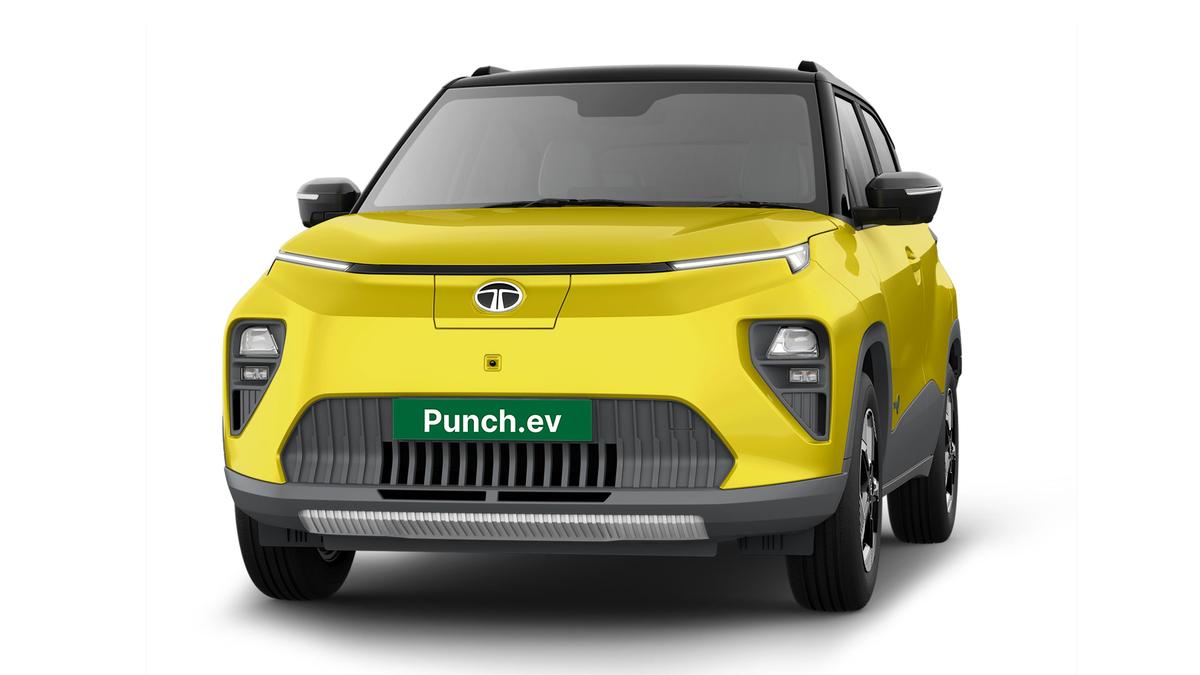
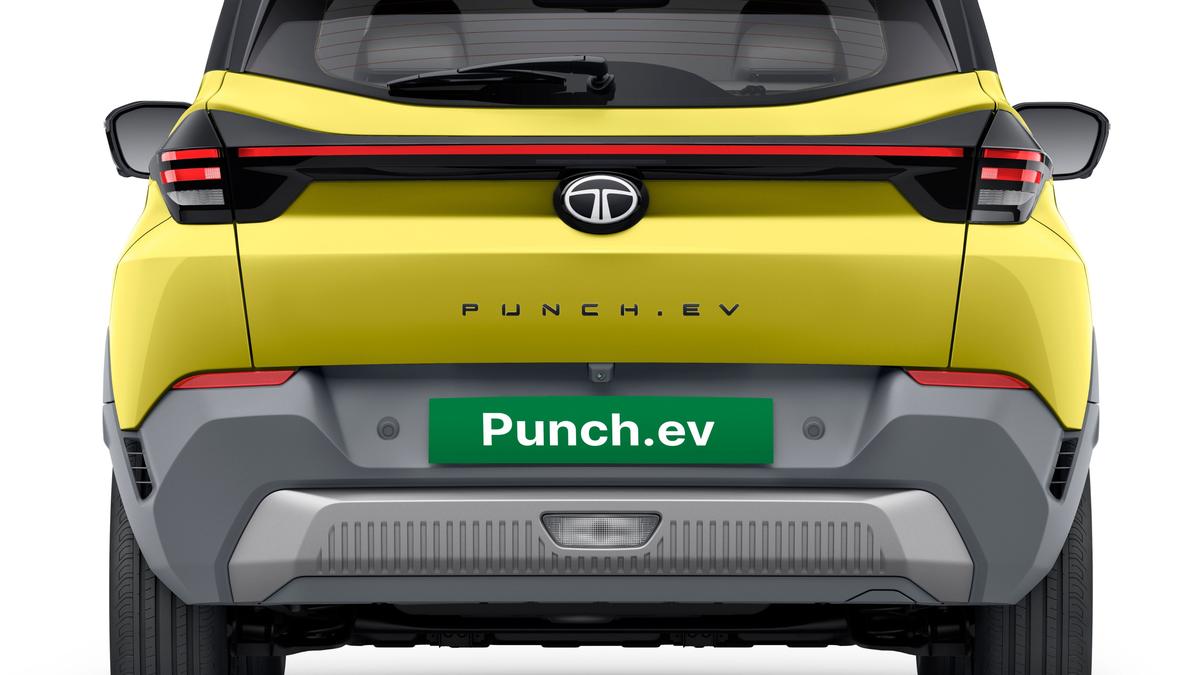
The Indian automotive landscape is currently undergoing a seismic shift, transitioning from internal combustion engines (ICE) to sustainable electric powertrains. At the forefront of this revolution is Tata Motors, a company that has successfully captured over 70% of the domestic electric vehicle (EV) market. Their latest offering, the Tata Punch.ev, represents more than just another model in an expanding portfolio; it signifies a "quiet confidence" in the maturity of EV technology. Positioned strategically between the entry-level Tiago.ev and the premium Nexon.ev, the Punch.ev is designed to eliminate the friction of EV adoption for the masses.
Main Facts: Striking the Balance Between Affordability and Capability
The Tata Punch.ev enters the market with a clear mandate: to provide a no-compromise electric SUV experience at a price point that remains accessible to the middle-class Indian consumer. Priced between ₹9.69 lakh and ₹12.59 lakh (ex-showroom), it occupies a "sweet spot" in the industry.
Key Specifications at a Glance:
- Platform: Built on the all-new acti.ev (Advanced Connected Tech-Intelligent Electric Vehicle) architecture.
- Battery Options: Two variants—a Medium Range (25 kWh) and a Long Range (35 kWh to 40 kWh depending on configuration).
- Performance: The Long Range variant produces approximately 130 PS (90 kW) and 154 Nm of torque.
- Range: While ARAI figures suggest higher, real-world expectations sit comfortably between 300 km and 350 km for the larger battery pack.
- Charging: Supports DC fast charging up to 65 kW; 20% to 80% charge in approximately 30 minutes.
- Ground Clearance: A robust 190-195 mm, maintaining its SUV credentials.
The vehicle isn’t trying to dazzle with unnecessary gimmicks. Instead, it focuses on delivering a seamless transition for those moving from petrol or diesel cars. The immediate takeaway is its usability; it is a car that fits into a lifestyle rather than demanding the lifestyle change to accommodate the car.
Chronology: From ICE Conversion to the acti.ev Revolution
To understand the significance of the Punch.ev, one must look at the evolution of Tata Motors’ electric strategy.
- The Phase 1 Era (Conversion): Initially, Tata utilized existing ICE platforms to create EVs like the original Nexon EV and Tigor EV. While successful, these "converted" platforms had limitations in terms of floor height, battery packaging, and cabin space.
- The Birth of acti.ev: Recognizing the need for a dedicated electric DNA, Tata developed the acti.ev platform. This is a pure-EV architecture designed to maximize battery capacity, improve safety, and enhance interior space.
- The Punch.ev Launch: Launched as the first vehicle to sit on this new architecture, the Punch.ev corrected the ergonomic flaws of previous conversions. It introduced a flat rear floor and a "frunk" (front trunk), marking a milestone in Tata’s engineering journey.
- Market Maturation: The introduction of the Punch.ev follows the massive success of the ICE Punch, which became one of India’s best-selling SUVs. By electrifying this popular silhouette, Tata leveraged existing brand trust to drive EV sales.
Supporting Data: Performance, Range, and Everyday Usability
The Driving Experience
The first impression of the Punch.ev is defined by its effortless movement. Unlike some budget EVs that feel lethargic or high-end EVs that feel jarringly fast, the Punch.ev offers a progressive and predictable throttle.
In urban conditions, the car is exceptionally nimble. It is quick off the line and remains eager up to 60 km/h, which is the "active zone" for city traffic. The 130 PS motor ensures that overtaking is a breeze, while the 154 Nm of torque provides enough low-end grunt to handle steep inclines or heavy loads without strain.
Real-World Efficiency vs. Laboratory Figures
One of the most significant data points for any EV buyer is the "range anxiety" factor. The Punch.ev addresses this with transparency. While the Automotive Research Association of India (ARAI) provides optimistic range figures, our testing shows a dependable real-world window of 300–350 km for the 40 kWh variant.
Even under heavy usage—such as running the air conditioning at full blast in peak Indian summer or spirited highway driving—the range does not plummet unexpectedly. This predictability is crucial for consumer confidence. Furthermore, the 65 kW DC fast-charging capability means a 15-minute "coffee break" stop can add over 130 km of range, making occasional inter-city travel a reality.
Ride, Handling, and Safety
The acti.ev platform allows for a lower center of gravity, as the battery pack is placed low in the chassis. This results in a "planted" character. The ride quality is mature; it absorbs road imperfections with a sense of composure usually reserved for larger SUVs.
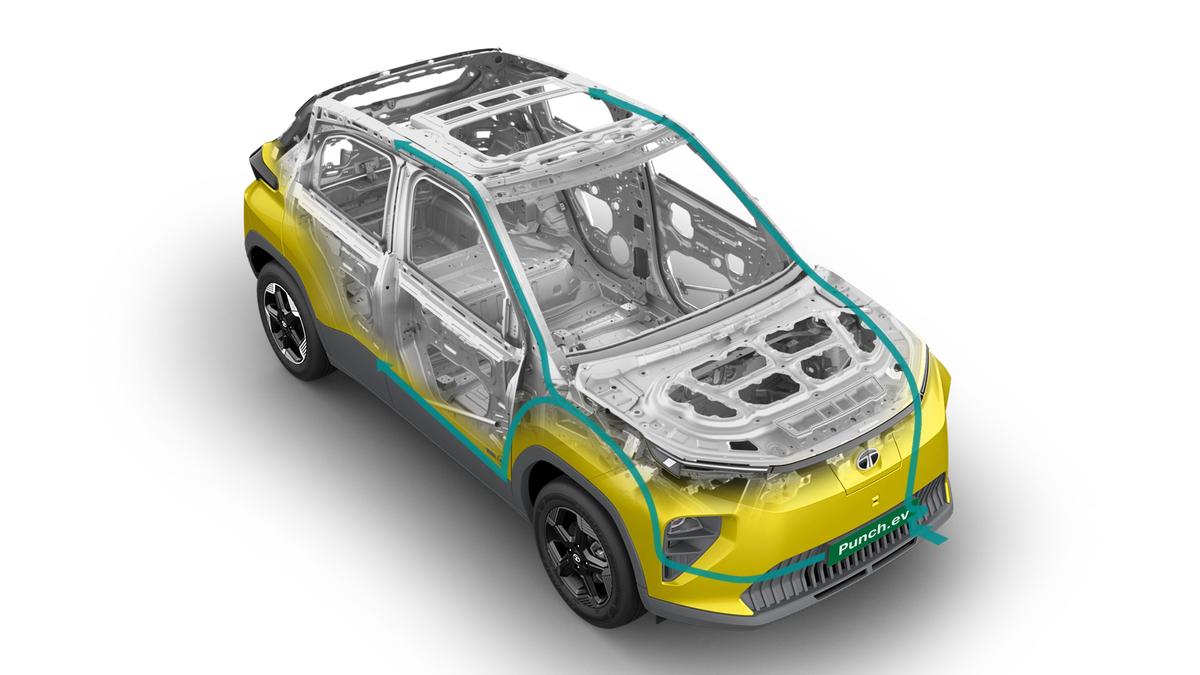
Safety remains a non-negotiable pillar for Tata Motors. The Punch.ev is equipped with:
- Six airbags as standard across many variants.
- Electronic Stability Control (ESC).
- Traction Management systems.
- A high-strength steel structure designed to achieve top-tier crash test ratings.
The Cabin: Technology Meets Practicality
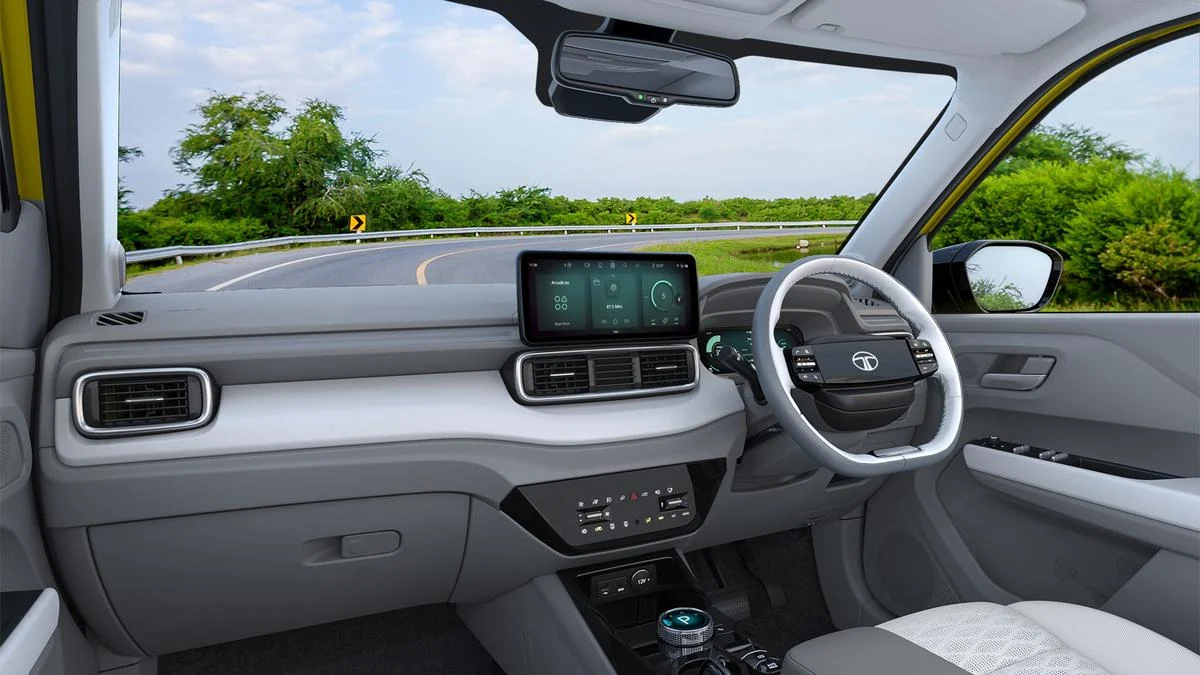
The interior of the Punch.ev reflects a philosophy of "functional modernism." It feels familiar to those who have driven the latest Nexon, yet it brings its own flavor to the segment.
Infotainment and Connectivity
The centerpiece is the 10.25-inch high-definition touchscreen. It is sharp, responsive, and supports wireless Android Auto and Apple CarPlay. This is complemented by a matching 10.25-inch digital instrument cluster that can project navigation maps directly in front of the driver, reducing the need to look away from the road.
Premium Touches in a Compact Segment
Tata has included several "segment-first" or "segment-best" features:
- Ventilated Seats: A godsend for the Indian climate.
- 360-Degree Camera: Exceptional clarity that makes parking in tight urban spots effortless.
- Air Purifier: Increasingly relevant for metropolitan dwellers.
- Electronic Parking Brake: With Auto-hold functionality for stop-and-go traffic.
While the cabin is feature-rich, there are areas where cost considerations are evident. Some plastics on the door pads feel basic, and the high loading lip of the 366-litre boot might make loading heavy luggage a bit of a chore. However, the flat rear floor ensures that three passengers can sit in the back with more legroom than the ICE version offered.
Official Responses and Industry Context
Tata Motors’ leadership has frequently emphasized that the Punch.ev is the "long-awaited disruptor." According to official statements from Tata Passenger Electric Mobility (TPEM), the goal with the acti.ev platform was to "democratize high-end EV features."
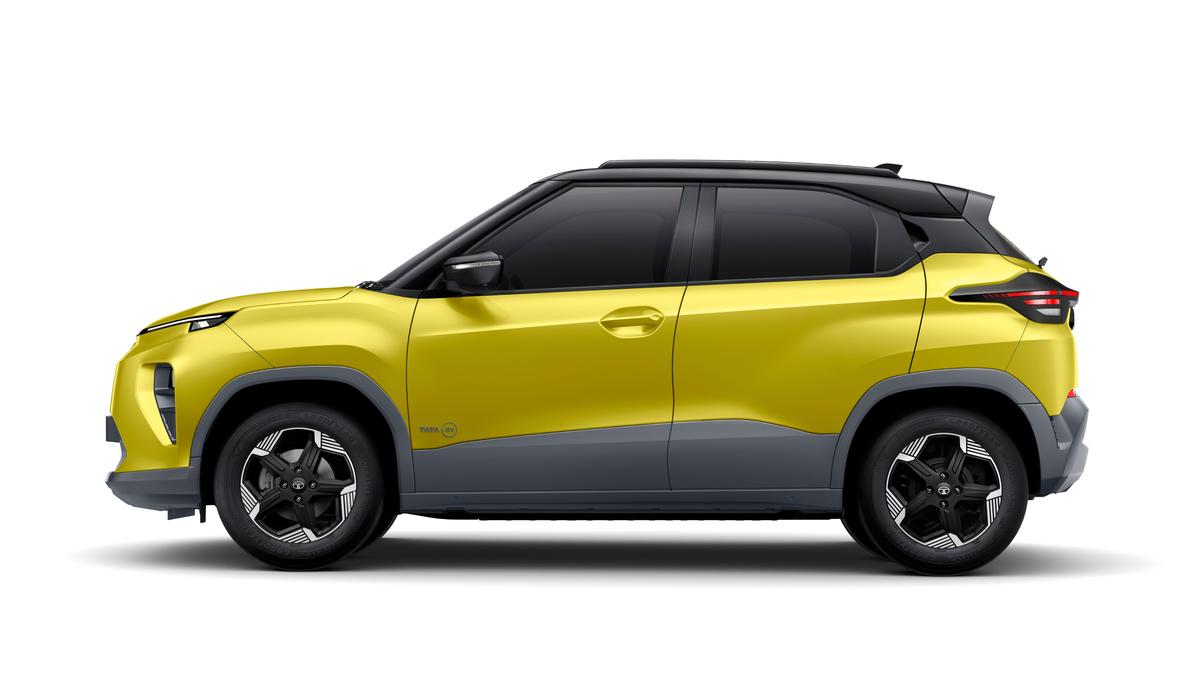
Industry analysts suggest that the Punch.ev is Tata’s answer to the growing competition from brands like MG (with the Comet and Windsor) and Citroen (with the eC3). By offering a vehicle that looks like a traditional SUV but drives with the sophistication of a modern EV, Tata is tapping into the psychological preference of Indian buyers for "upright and rugged" vehicles.
Furthermore, Tata’s integration with Tata Power ensures that Punch.ev owners have access to the largest charging network in the country, a "software-plus-hardware" ecosystem that few competitors can match.
Implications: What the Punch.ev Means for the Future
The arrival of the Tata Punch.ev has several far-reaching implications for the Indian automotive sector:
1. The End of the "Second Car" Syndrome
For years, EVs were viewed as "second cars" meant only for short grocery runs. With a 300+ km real-world range and fast-charging capabilities, the Punch.ev is positioned as a primary vehicle for a small family.
2. Accelerated Infrastructure Growth
As the volume of Punch.ev units on the road increases, the demand for public charging will surge. This "virtuous cycle" encourages private players to invest more heavily in charging infrastructure, benefiting the entire EV ecosystem.
3. Price Parity is Approaching
The pricing of the Punch.ev (starting under ₹10 lakh) brings it incredibly close to the price of high-end petrol automatic hatchbacks and compact SUVs. When factoring in the significantly lower running costs (roughly ₹1 per km compared to ₹7-8 per km for petrol), the Total Cost of Ownership (TCO) now favors the EV.
4. Setting a New Standard for Small Cars
By including 360-degree cameras, ventilated seats, and sophisticated safety tech in a sub-4-meter car, Tata is forcing other manufacturers to upgrade their offerings. The "budget" segment is no longer synonymous with "basic."
Conclusion: A Well-Judged Choice
The Tata Punch.ev does not try to reinvent the wheel. Instead, it focuses on eliminating the friction points of EV ownership. It is a car designed for the city but capable of much more. While there is room for improvement in material quality and some ergonomic refinements, the bigger picture is overwhelmingly positive.
For the first-time EV buyer, the Punch.ev offers a reassuring, familiar, yet technologically advanced gateway into the future of mobility. It is, quite simply, a practical, well-judged choice that hits the mark for the Indian market.
Price: ₹9.69 lakh to ₹12.59 lakh (ex-showroom)
Motorscribes, in association with The Hindu, brings you the latest in cars and bikes. Follow them on Instagram on @motorscribes
