

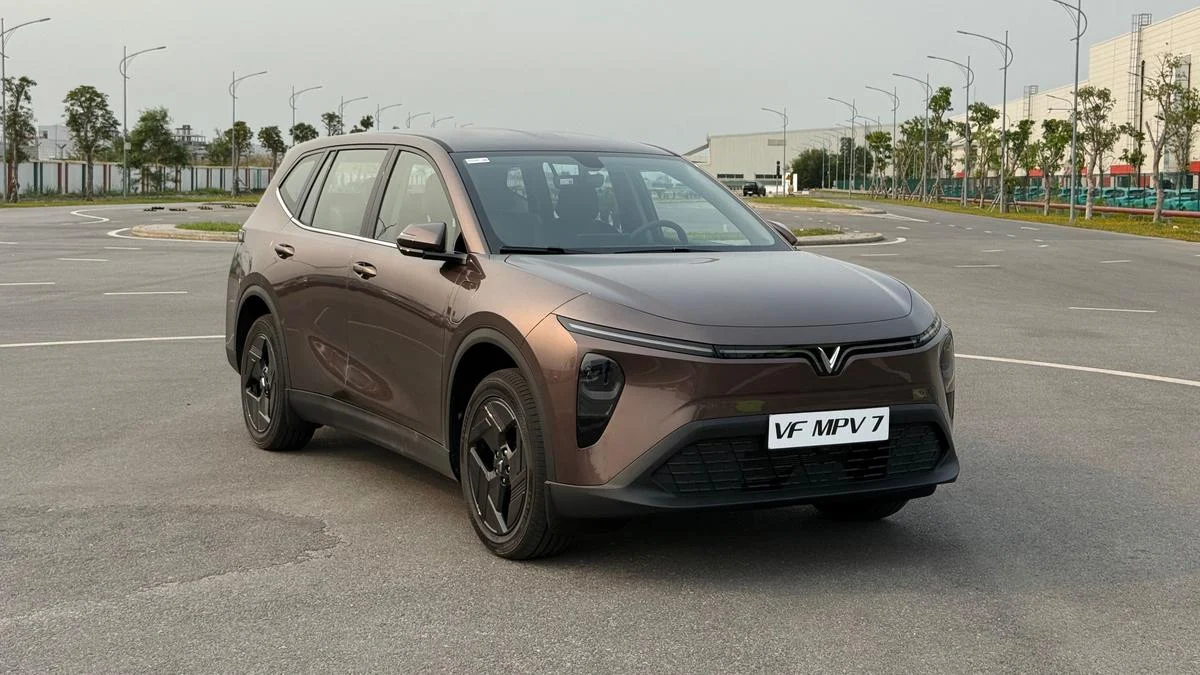
The Indian automotive sector is currently navigating a pivotal transition. While the initial wave of electric vehicle (EV) adoption was driven by tech enthusiasts and early adopters, the next phase of growth depends on the "mass-market pragmatist." Into this evolving environment steps VinFast, the Vietnamese automotive powerhouse, with a vehicle that prioritizes utility over vanity: the VF MPV 7.
Scheduled for a highly anticipated launch on April 15, 2026, the VF MPV 7 represents more than just another entry into the burgeoning EV segment. It is a calculated attempt to democratize electric mobility for the Indian middle class, focusing on the Multi-Purpose Vehicle (MPV) segment—a category traditionally dominated by internal combustion engine (ICE) stalwarts. By blending the efficiency of a dedicated electric platform with the spatial requirements of the Indian joint family, VinFast is positioning the MPV 7 as a disruptor aimed squarely at the heart of the market.
Main Facts: A New Contender in the Family Segment
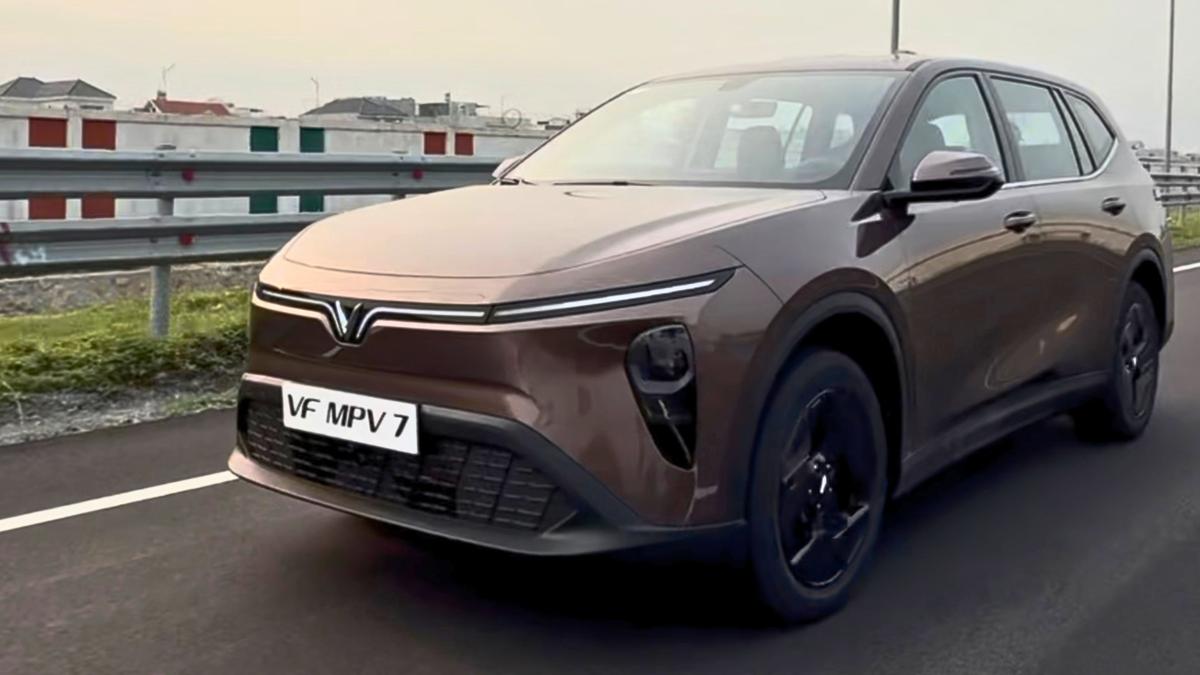
The VinFast VF MPV 7 is an all-electric people mover designed with a "family-first" philosophy. Unlike many contemporary EVs that attempt to lure buyers with futuristic aesthetics or Ludicrous-mode performance, the MPV 7 is grounded in real-world usability.
Key Specifications at a Glance:
- Launch Date: April 15, 2026.
- Expected Price: INR 14–16 lakh.
- Dimensions: 4,740 mm (Length) x 2,840 mm (Wheelbase).
- Battery Capacity: 60.13 kWh.
- Charging: 10% to 70% in approximately 30 minutes (Fast Charging).
- Performance: 0–100 km/h in under 10 seconds.
- Platform: Shared with the VF7 SUV but optimized for interior volume.
The pricing strategy is perhaps the most significant "fact" of the MPV 7’s entry. At an expected range of INR 14–16 lakh, VinFast is positioning this vehicle to compete not just with other EVs, but with popular mid-sized ICE MPVs and SUVs. This aggressive pricing suggests that VinFast is willing to sacrifice immediate margins to secure a foothold in one of the world’s most competitive automotive markets.
Chronology: From Vietnam to the Indian Hinterland
The journey of the VF MPV 7 began at VinFast’s state-of-the-art manufacturing hub in Hai Phong, Vietnam. The vehicle is part of a broader global strategy to offer a diverse portfolio of electric solutions tailored to specific regional needs.
- Phase 1: Platform Development: The VF MPV 7 was developed on the versatile VF7 platform. Engineers focused on extending the silhouette to create a traditional MPV profile, prioritizing headroom and third-row accessibility.
- Phase 2: Global Testing: Throughout 2024 and 2025, the vehicle underwent rigorous testing on specialized tracks in Vietnam. These tests focused on battery thermal management—a critical factor for tropical climates like India—and suspension durability.
- Phase 3: Indian Market Alignment: Following the announcement of VinFast’s entry into India, the company identified the MPV 7 as its third major launch, following the VF6 and VF7.
- Phase 4: Local Adaptation (Current Status): VinFast is currently in the process of "Indianizing" the MPV 7. This involves re-tuning the suspension to handle the varied topography of Indian roads and adjusting ground clearance to navigate high speed-breakers and monsoon-flooded streets.
- Phase 5: Commercial Launch: The official rollout is slated for April 2026, supported by a growing network of dealerships and charging infrastructure.
Supporting Data: Engineering and Design Analysis
The VF MPV 7’s appeal lies in its refusal to overcomplicate the driving experience. A deep dive into its specifications reveals a vehicle designed for the "everyday."
Exterior and Spatial Design
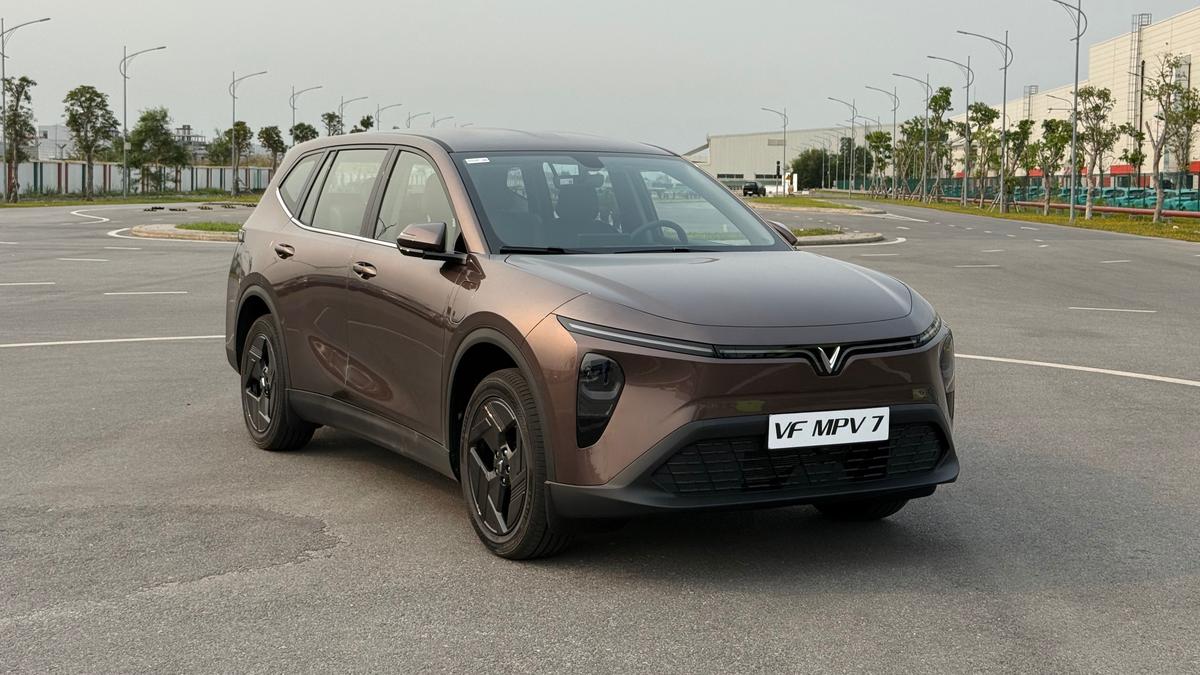
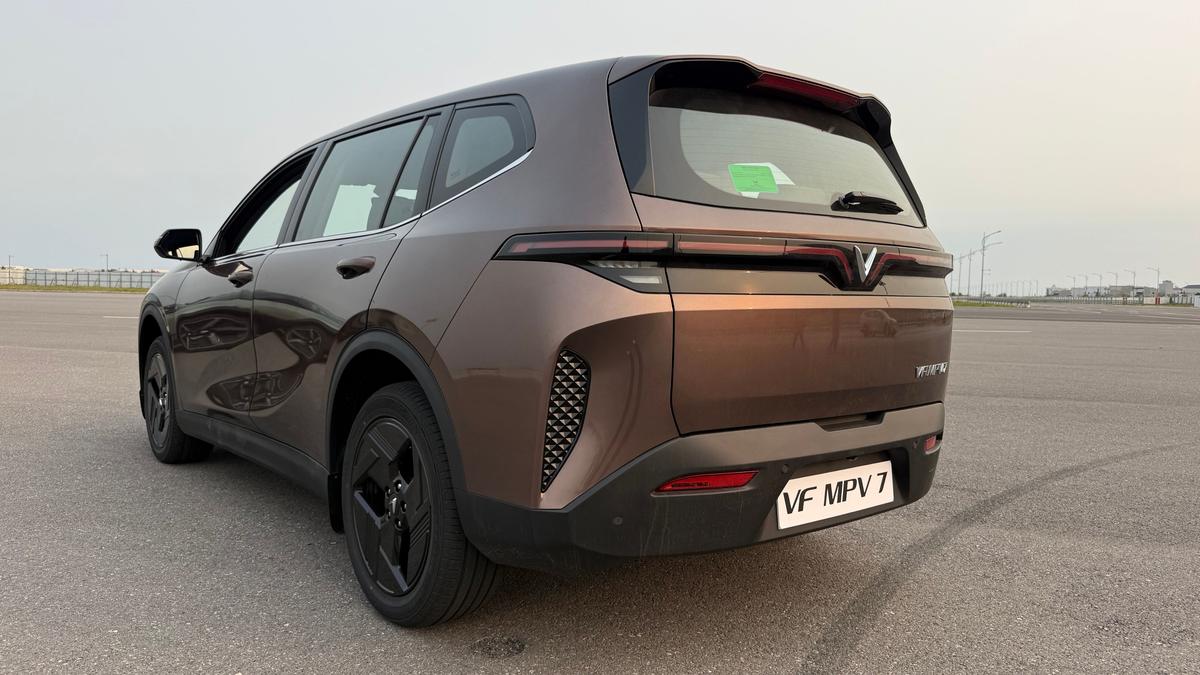
At 4,740 mm, the MPV 7 occupies a significant footprint. However, the 2,840 mm wheelbase is the more telling statistic. By pushing the wheels to the corners, VinFast has maximized the cabin volume. The design language is functional: 19-inch wheels provide a stable stance, while the clean lines emphasize interior space over aerodynamic frippery. The low floor and wide-opening doors are intentional design choices to assist elderly passengers and young children, making the vehicle "ergonomically inclusive."
Interior and Technology
The cabin architecture avoids the "digital overload" seen in many premium EVs. The centerpiece is a 10.1-inch infotainment screen that serves as the command center for the vehicle.
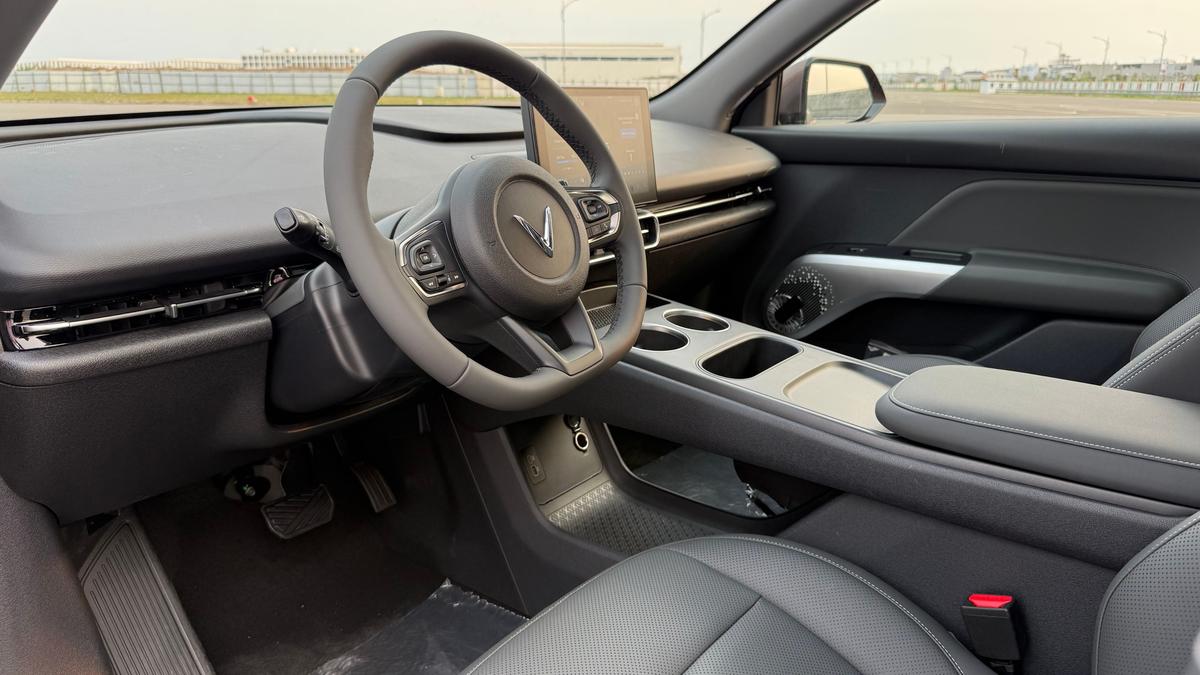
- Seating: The upholstery is leatherette, and the seats are described as "sofa-like," emphasizing long-distance comfort over lateral support—a wise choice for the Indian market where long family road trips are common.
- Connectivity: The inclusion of both Type-A and Type-C USB ports across the cabin ensures that all passengers remain connected, reflecting modern consumer expectations.
- Omissions: In a move to keep costs down, the test models lacked a sunroof and a 360-degree camera. While some may view this as a drawback, it allows the vehicle to hit its aggressive price target.
Powertrain and Charging Dynamics
The 60.13 kWh battery pack is the heart of the MPV 7. In a market where "range anxiety" remains a hurdle, the 30-minute fast-charging capability (10-70%) is a vital selling point.
- Regenerative Braking: Drivers can choose from four levels of energy recovery (Off, Low, Medium, High), allowing for a "one-pedal" driving experience in heavy city traffic.
- Drive Modes: Eco, Normal, and Sport modes allow the driver to prioritize range or responsiveness depending on the situation.
Official Responses and Strategic Philosophy
VinFast’s approach to the Indian market is characterized by "measured restraint." Company representatives have indicated that the VF MPV 7 is not intended to be a flagship luxury vehicle but a "workhorse for the modern family."
During the test track sessions in Vietnam, VinFast officials emphasized that the MPV 7 is "ADAS-ready." While the initial launch model may not feature a full suite of Advanced Driver Assistance Systems (to maintain the INR 14–16 lakh price point), the hardware architecture is in place. This allows the company to introduce higher-spec trims in the future if consumer demand for safety tech increases.
Furthermore, VinFast has acknowledged the unique challenges of the Indian road environment. The official stance is one of adaptability; the company is actively collecting data from Indian road conditions to ensure that the production-spec MPV 7 features a suspension setup that balances the inherent weight of an EV battery with the need for a plush ride.
Implications: Redefining Value in the EV Era
The introduction of the VF MPV 7 has several far-reaching implications for the Indian automotive industry and the consumer.
1. The Challenge to ICE Dominance
For years, the MPV segment in India has been a stronghold for diesel and petrol engines. The VF MPV 7, with its lower running costs and competitive entry price, poses the first genuine threat to this status quo. If VinFast can prove the reliability of its battery tech, it may lure fleet operators and large families away from traditional internal combustion options.
2. Shifting the Focus to Utility
Many EVs currently in India are marketed as "lifestyle" products—second or third cars for wealthy households. The MPV 7 shifts the narrative toward "primary vehicle" status. Its focus on seating capacity, ease of ingress, and linear power delivery makes it a viable replacement for the family’s main car.
3. Price Wars and Local Manufacturing
VinFast’s aggressive pricing will likely force domestic manufacturers like Tata Motors and Mahindra to accelerate their own electric MPV programs. This competition is a net positive for the consumer, as it will lead to better features and more competitive pricing across the board. Furthermore, VinFast’s commitment to India suggests a long-term investment in local assembly, which aligns with the "Make in India" initiative and could lower costs further through localization.
4. Infrastructure Pressure
The launch of a practical, high-occupancy EV like the MPV 7 will put increased pressure on the public charging infrastructure. MPVs are often used for inter-city travel; therefore, the success of the MPV 7 will be intrinsically linked to the expansion of fast-chargers along India’s national highways.
Conclusion: A Calculated Gamble
The VinFast VF MPV 7 is a refreshing departure from the "flash-over-substance" trend in the EV world. It is a vehicle that understands its audience: the Indian family that values space, comfort, and value for money above all else.
While the absence of certain premium features like a sunroof or a 360-degree camera might be noted by some, the core proposition—a spacious, well-built, 60 kWh electric MPV for under INR 16 lakh—is undeniably strong. As April 15, 2026, approaches, the industry will be watching closely. If VinFast can deliver on its promises of ride quality and charging efficiency, the MPV 7 may not just be a new car on the road; it may be the vehicle that finally brings electric mobility to the Indian masses.
