

HYDERABAD – In an intensifying effort to safeguard public health and enforce stringent culinary standards, the Telangana Food Safety Department conducted a series of high-profile inspections across the state on Wednesday, May 20. The raids, which targeted popular establishments in both the capital city of Hyderabad and the district of Karimnagar, revealed a disturbing array of hygiene violations, ranging from the use of fly-infested ingredients to the suspected reuse of hazardous cooking oil.
The findings have sent shockwaves through the local hospitality industry, raising urgent questions about the internal quality control mechanisms of establishments that brand themselves as "fine dine" or "premium" outlets. As the Commissioner of Food Safety, Telangana, continues its "clean-up" drive, the latest reports highlight a systemic disregard for the Food Safety and Standards Act among several prominent food business operators (FBOs).
Main Facts: A State-Wide Crackdown on Culinary Negligence
The inspections on Wednesday were bifurcated into two primary geographic focuses: the bustling eastern suburbs of Hyderabad and the commercial hubs of Karimnagar.
In Hyderabad, the Task Force teams focused on the LB Nagar and Nagole areas. Two major establishments were scrutinized: Urban Monk Fine Dine and Baking in LB Nagar and Meld Haus, a well-known brewery in Nagole. In both instances, officials reported "serious" deviations from the mandatory safety protocols.
Simultaneously, in Karimnagar, enforcement officers descended upon Ganesh Bangalore Bakery in Subhash Nagar. This particular raid yielded some of the most visceral evidence of negligence found during the day’s operations, specifically involving the use of putrid raw materials in the production of baked goods.
Across all locations, the common themes were clear:
- Pest Infestation: Evidence of cockroaches and houseflies in food preparation areas.
- Expired Goods: The discovery of raw materials and processed items past their "use-by" dates.
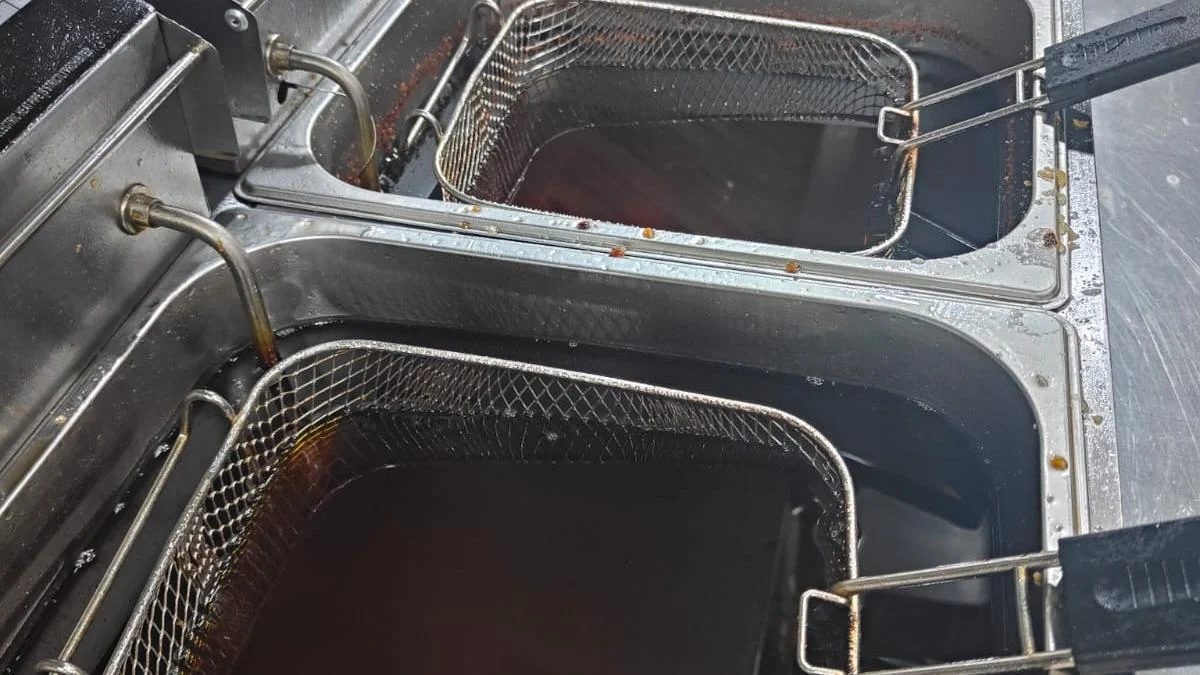
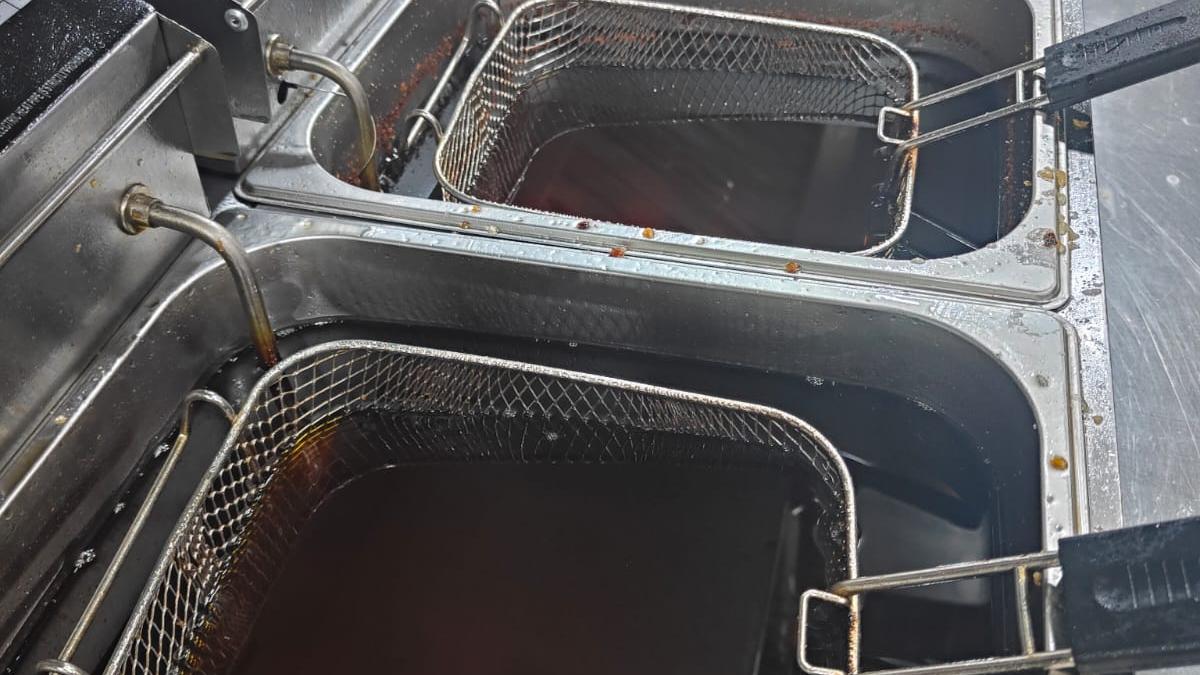
- Chemical Hazards: The suspected repeated reuse of cooking oil, a practice known to produce carcinogenic compounds.
- Spoiled Ingredients: The seizure of hundreds of units of foul-smelling, fly-infested eggs intended for human consumption.
Chronology of the Inspections: Wednesday, May 20
Morning Sessions: The Nagole and LB Nagar Audits
The day began with surprise visits to Urban Monk Fine Dine and Baking. As a multi-concept establishment offering both restaurant services and baked goods, the scale of potential risk was high. Officials entered the premises during the morning prep hours, allowing them to witness the storage and handling of ingredients before the lunch rush.
By midday, the team moved to Meld Haus brewery in Nagole. Breweries and high-traffic pubs in Hyderabad have recently come under fire for kitchen hygiene, and Meld Haus proved to be no exception. The inspection focused on the "back of house" operations, where the disparity between the polished "front of house" aesthetic and the kitchen’s sanitary reality was most apparent.
Afternoon Session: The Karimnagar Discovery
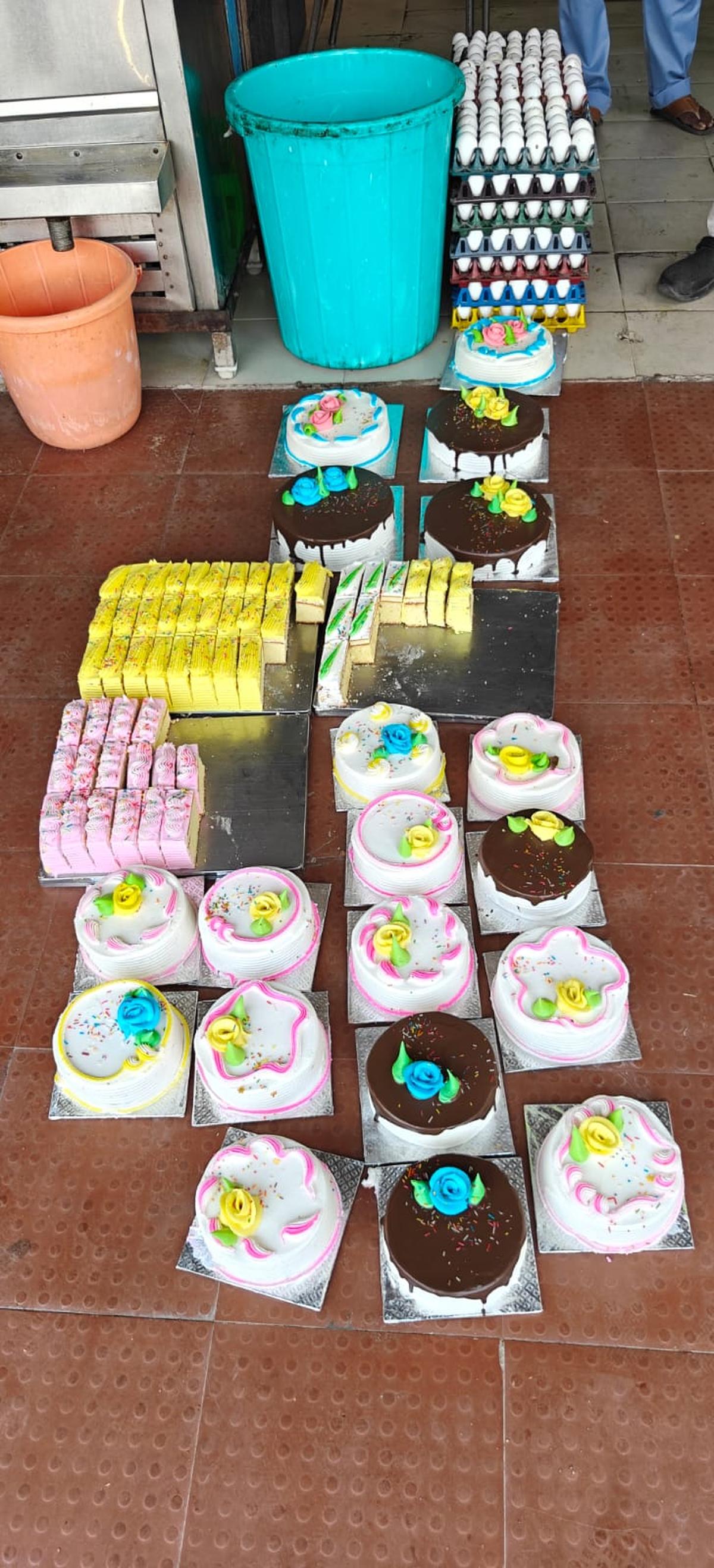
While the Hyderabad teams were processing their findings, officials in Karimnagar were conducting a targeted raid on Ganesh Bangalore Bakery. Following specific leads regarding the quality of raw materials used in local bakeries, the officers inspected the storage units of the Subhash Nagar outlet. It was here that the most egregious violation of the day was documented: a massive cache of spoiled eggs and the resulting finished products (cakes) that had already been prepared for sale.
Evening: Sample Collection and Immediate Disposal
By the evening of May 20, the department had moved from inspection to enforcement. Perishable items deemed unfit for consumption were destroyed on-site to prevent them from reaching consumers. Non-perishable samples and oil samples were sealed and logged for transport to state-certified laboratories for chemical and microbiological analysis.
Supporting Data: Quantifying the Violations
The Telangana Food Safety Department’s report provides a granular look at the scale of the negligence. The following data points highlight the severity of the findings:
1. The "Egg Scandal" in Karimnagar
At Ganesh Bangalore Bakery, officials seized and discarded:
- 750 Damaged Eggs: These were described in the official press note as "foul-smelling" and "infested with houseflies."
- 20 kg of Cakes: These finished products were suspected to have been baked using the aforementioned spoiled eggs. The department noted that using such ingredients introduces a high risk of Salmonella and other foodborne pathogens.
2. Urban Monk and Meld Haus Violations
The Hyderabad-based establishments shared a variety of common failures:
- Expired and Mislabeled Products: Significant quantities of condiments, dairy, and processed meats were found without proper labeling or with expired dates.
- Improper Storage: Raw meat was frequently found stored alongside cooked food, increasing the risk of cross-contamination.
- Sanitary Conditions: Both premises failed to maintain basic cleanliness in dishwashing areas and drainage systems, leading to pest sightings.
3. The Oil Crisis
A recurring issue in the Hyderabad raids was the "suspected repeated use of cooking oil." Under FSSAI (Food Safety and Standards Authority of India) guidelines, cooking oil should not be reused if its Total Polar Compounds (TPC) exceed 25%. Repeatedly heating oil leads to the formation of trans-fats and toxic aldehydes, which are linked to heart disease and cancer. Samples from both Urban Monk and Meld Haus have been sent for TPC testing.

Official Responses: Enforcement and Legal Action
The Telangana Food Safety Department has taken a zero-tolerance stance regarding these findings. In a formal press communication, the department stated:
"Expired and spoiled food articles, along with suspected reused cooking oil, were discarded on the spot during the inspections. Enforcement samples were collected from the establishments and sent for laboratory analysis. Necessary action is being initiated against the Food Business Operators (FBOs) concerned under the provisions of the Food Safety and Standards Act, 2006."
Potential Penalties
Under the FSS Act of 2006, the establishments face a range of tiered penalties:
- Section 52: Penalty for misbranded food (up to ₹3 lakh).
- Section 54: Penalty for food containing extraneous matter (up to ₹1 lakh).
- Section 58: Penalty for contraventions for which no specific penalty is provided (up to ₹2 lakh).
- Section 59: Punishment for unsanitary or unhygienic manufacturing/storage (which can include imprisonment and fines up to ₹10 lakh if the food causes a fatality or serious injury).
Officials indicated that show-cause notices are being issued, and the establishments may face temporary suspension of their licenses if they fail to rectify the hygiene lapses within a stipulated timeframe.
Implications: Public Health and Industry Accountability
The May 20 raids are part of a larger trend of increased vigilance in Telangana, but they also highlight deeper issues within the food service industry.
The Science of Spoiled Eggs
The discovery of 750 fly-infested eggs is particularly alarming from a microbiological perspective. Eggs are a primary vehicle for Salmonella enteritidis. When eggs are stored in unhygienic conditions or are cracked and exposed to flies, they become a breeding ground for bacteria. When these are used in cakes—which may not always reach an internal temperature high enough to kill all pathogens during a quick bake—the risk of a mass food poisoning event is substantial.
The "Premium" Fallacy
Establishments like Urban Monk and Meld Haus command premium prices from consumers who expect a certain level of quality and safety. The discovery of "pest infestations" and "improper storage" at such venues suggests that many FBOs are prioritizing aesthetic appeal and profit margins over the fundamental safety of their patrons. This "premium fallacy" erodes consumer trust in the organized dining sector.
Economic Impact on the Bakery Sector
The Karimnagar incident casts a shadow over the local bakery industry. Bakeries are high-volume businesses that rely on eggs and dairy. If one major player is found using "foul-smelling" eggs to save on costs, it triggers a wave of skepticism across the market, potentially hurting honest small-scale bakers who adhere to safety norms.
Conclusion: The Path Forward for Telangana’s Food Safety
The Telangana Food Safety Department’s recent actions serve as a stern warning to the hospitality industry. However, experts argue that "raid-based enforcement" must be coupled with "systemic reform."
1. Mandatory Training: There is a growing call for mandatory Food Safety Training and Certification (FoSTaC) for all kitchen staff in Telangana, not just the management.
2. Digital Transparency: Consumer advocacy groups are pushing for a digital "hygiene rating" system, similar to those used in the UK or Singapore, where restaurants must display their latest inspection score at the entrance.
3. Consumer Vigilance: The department has encouraged citizens to report hygiene violations via official channels, including the FSSAI "Food Safety Connect" app and the state department’s social media handles.
As the laboratory results for the collected samples are awaited, the message from the Telangana authorities is unequivocal: the health of the citizen is non-negotiable. Whether it is a local bakery in Karimnagar or a high-end brewery in Hyderabad, those who compromise on food safety will face the full weight of the law.
The May 20 inspections are not an isolated event but a chapter in a broader narrative of accountability that is finally being written in the state’s culinary landscape. For now, diners in Hyderabad and Karimnagar are advised to remain vigilant and prioritize establishments that demonstrate a transparent commitment to hygiene.
