

The Culinary Architecture of Mango Sticky Rice: Main Facts
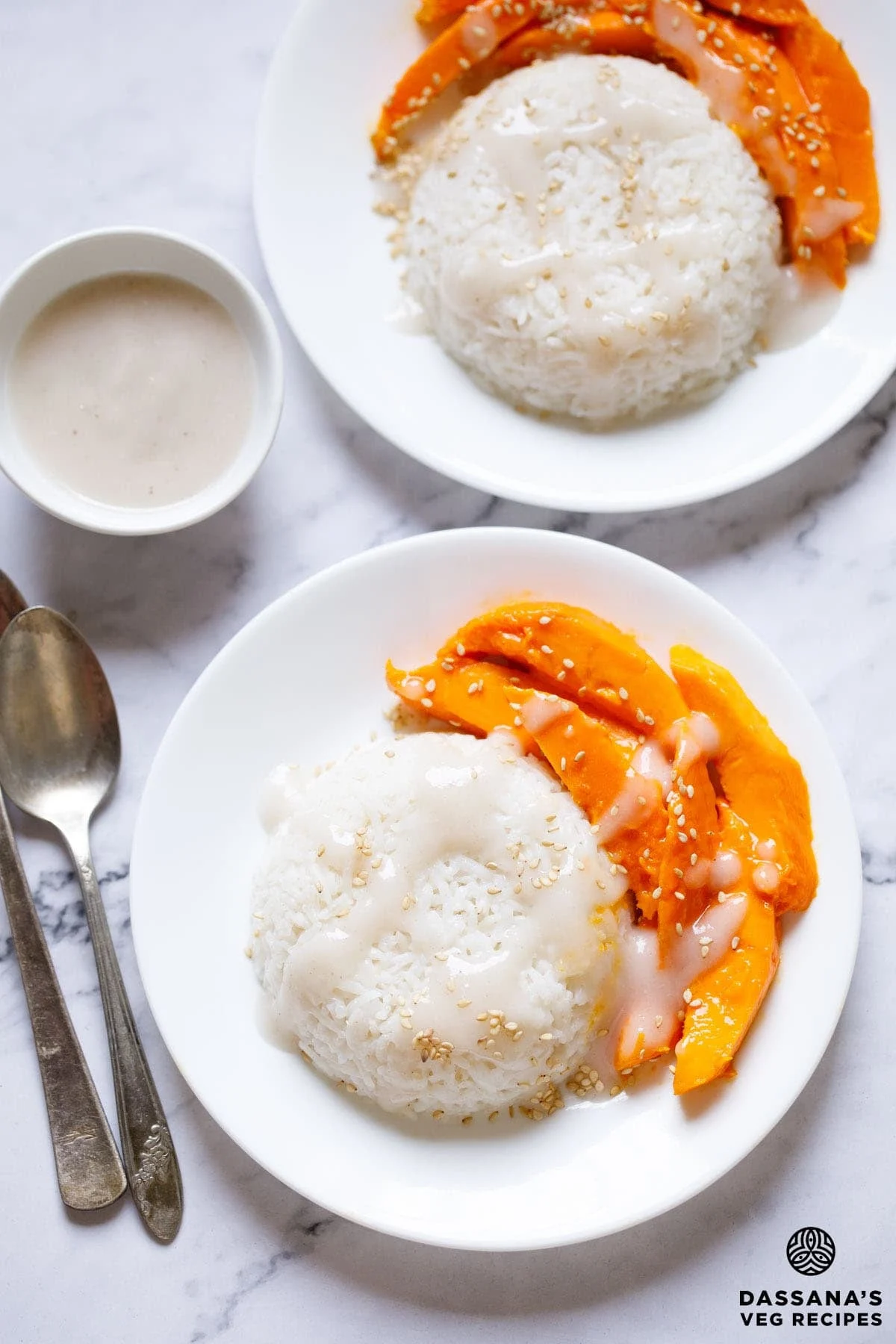
In the vibrant landscape of global gastronomy, few desserts command as much reverence and universal appeal as the Thai classic, Mango Sticky Rice. Known locally in its homeland as Khao Niao Mamuang, this dish represents a masterful synthesis of contrasting textures, temperatures, and flavor profiles. At its core, the dessert is a deceptively simple triad: long-grain glutinous rice, rich coconut cream, and peak-season mangoes. However, as culinary experts and traditionalists assert, the perfection of the dish lies in the rigorous adherence to specific preparation methods that have been refined over centuries.
Mango Sticky Rice is not merely a sweet treat; it is a seasonal phenomenon. While available year-round in metropolitan hubs like Bangkok, the dish reaches its cultural and flavor zenith during the "summer" months of Thailand—typically April and May—when the mango harvest is at its most prolific. The dish serves as a hallmark of Thai culinary philosophy, which emphasizes the balance of four essential tastes: sweet, salty, creamy, and fresh.
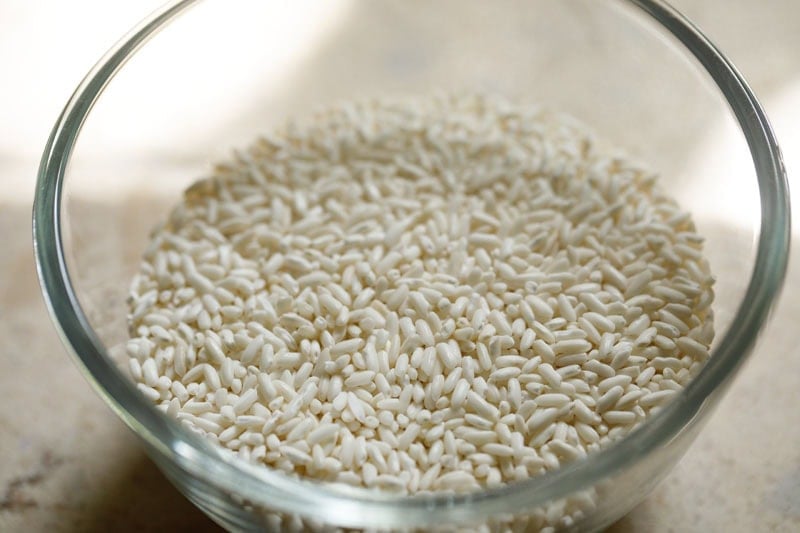
The primary ingredient, Thai glutinous rice (or "sticky rice"), is a botanical outlier. Unlike standard long-grain white rice or jasmine rice, glutinous rice contains negligible amounts of amylose and high levels of amylopectin, the starch component responsible for its signature "glue-like" or sticky quality. Despite the name, it is entirely gluten-free, making it a staple for those with gluten sensitivities. When paired with the lipid-rich profile of coconut milk and the enzymatic sweetness of a ripe mango, the result is a high-energy, soul-satisfying delicacy that has transitioned from humble street food to a permanent fixture on high-end international menus.
From Grain to Gourmet: A Chronological Breakdown of Preparation
The journey from a raw bag of grain to a plated masterpiece is a time-intensive ritual that requires patience and precision. The following chronology details the traditional Thai method, as utilized by culinary professionals to ensure the rice remains "chewy and translucent" rather than "mushy or gummy."
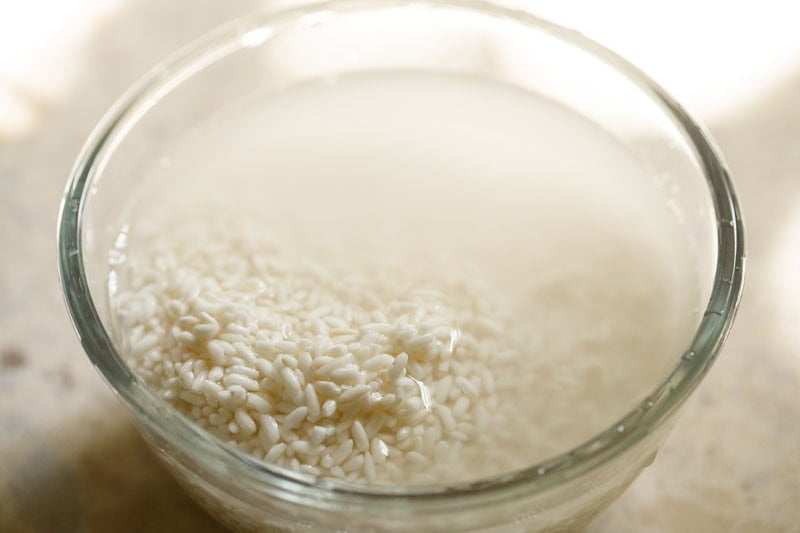
Phase I: The Hydration and Cleaning Ritual
The process begins with the selection of high-quality Thai glutinous rice. A single cup (approximately 200 grams) is the standard starting point for a family-sized serving. The first critical step is rinsing. The rice must be washed three to four times in fresh, cold water. This is not merely for hygiene; it is a technical requirement to strip away excess surface starch. If this starch remains, the rice will become a monolithic mass rather than a collection of distinct, chewy grains.
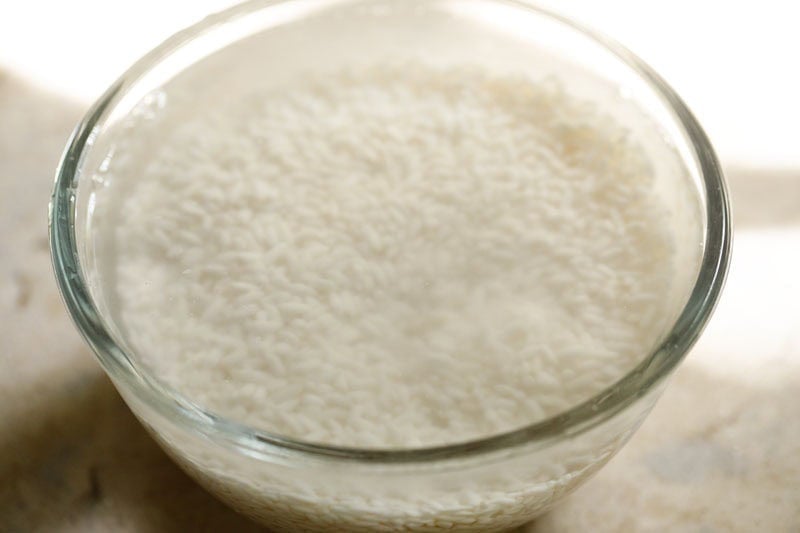
Following the rinse, the rice enters the hydration phase. While modern shortcuts exist, the gold standard involves soaking the rice for a minimum of one hour in hot water, or preferably, four to six hours (even overnight) in room-temperature water. This deep hydration ensures that the steam can penetrate the heart of the grain evenly during the cooking process.
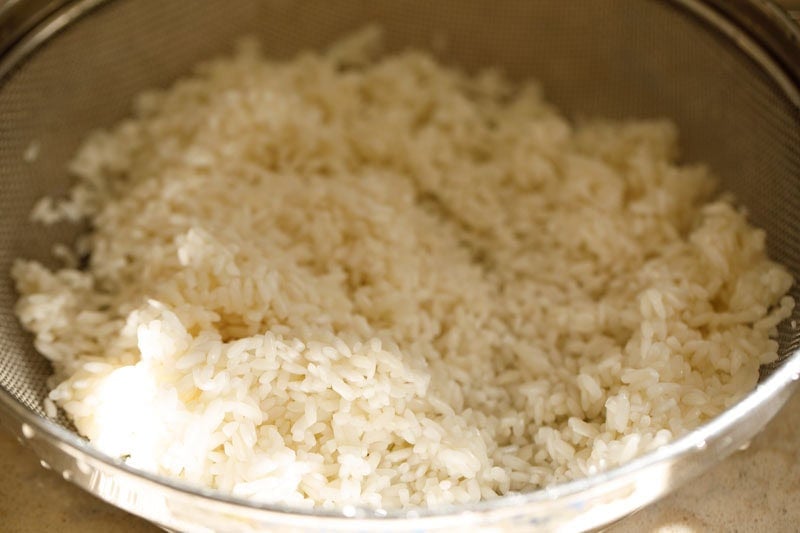
Phase II: The Art of Steaming
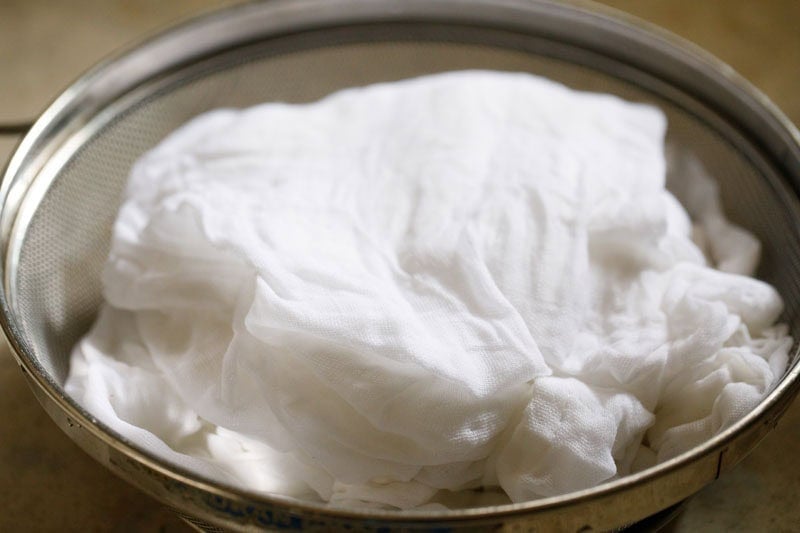
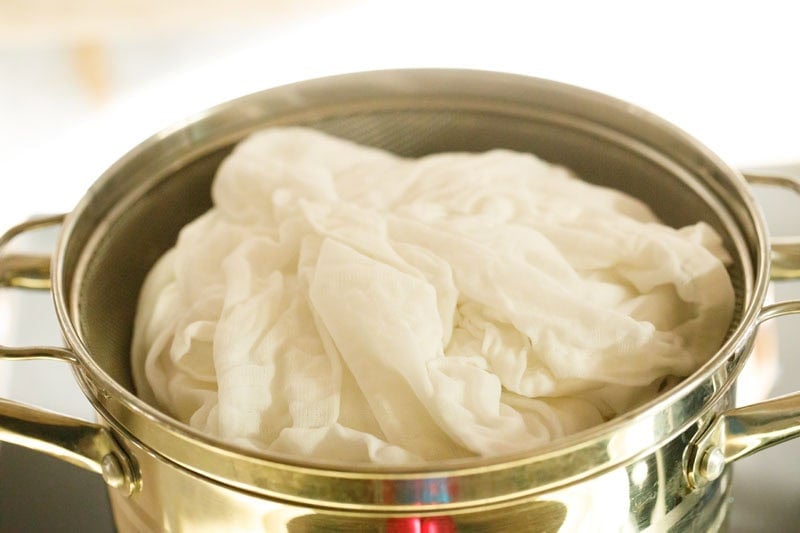
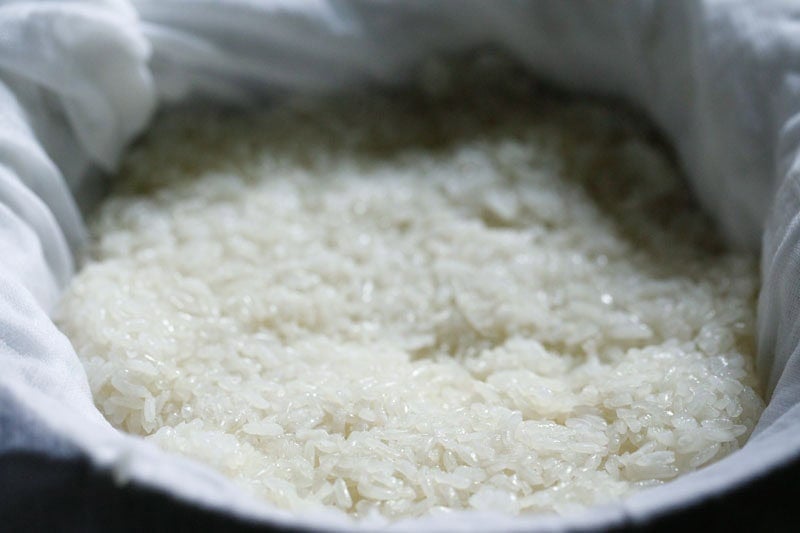
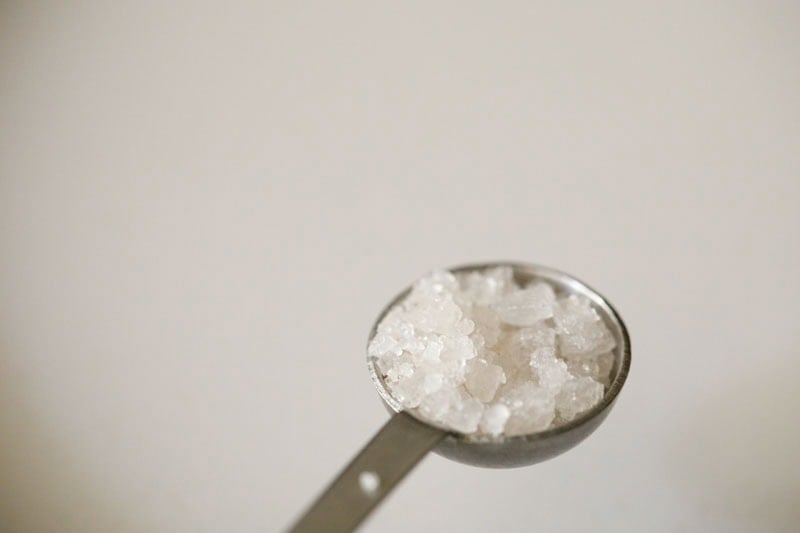
Unlike most rice varieties, glutinous rice should never be boiled in a pot of water. Boiling causes the grains to break down and lose their structural integrity. Instead, the rice is steamed. A perforated steamer basket is lined with a muslin cloth—a breathable fabric that allows steam to circulate while preventing the grains from falling through the holes.
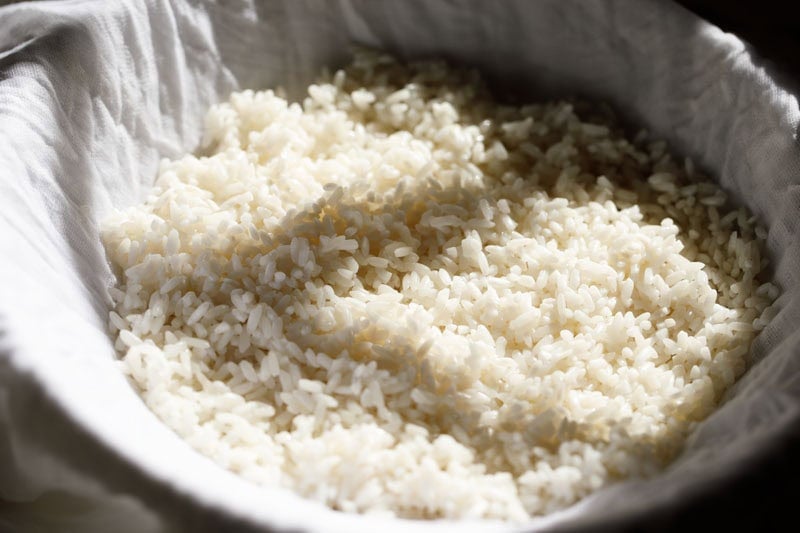
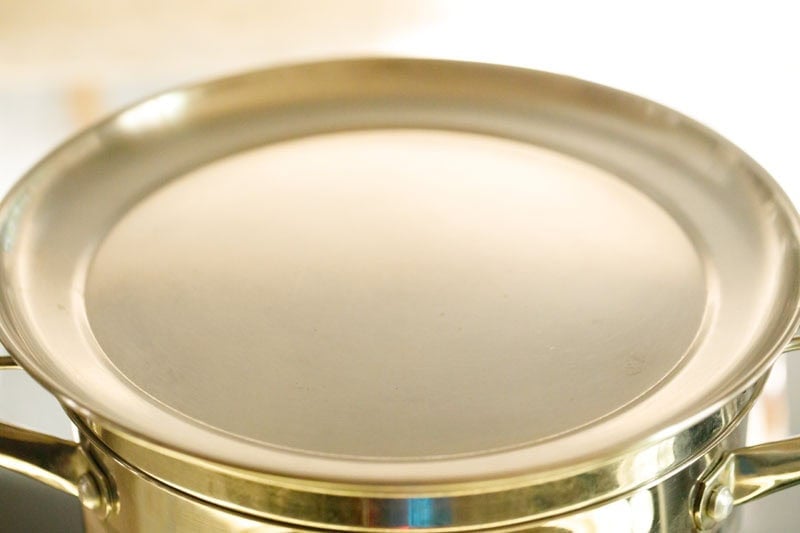
The soaked rice is spread evenly across the cloth and steamed over boiling water for 20 to 22 minutes. The goal is a grain that is glossy and translucent. When pressed between the fingers, it should feel soft and tender yet retain a distinct "bite" or "springiness."
Phase III: The Infusion and Emulsification
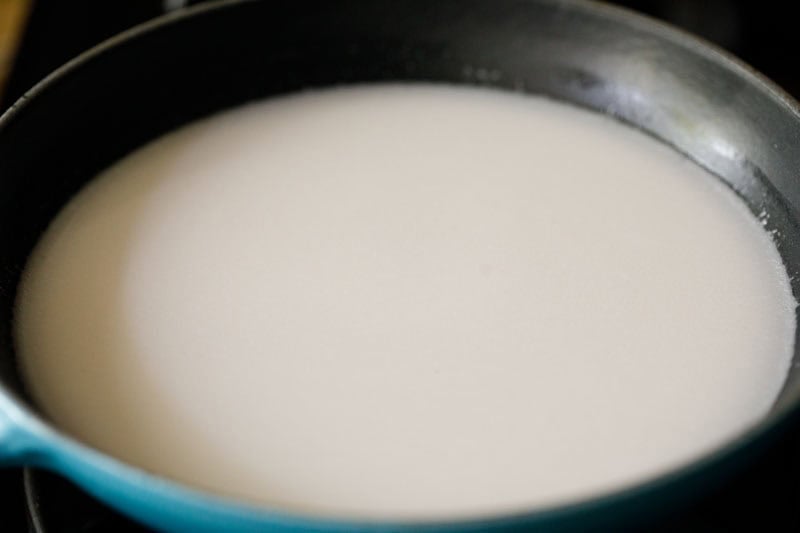
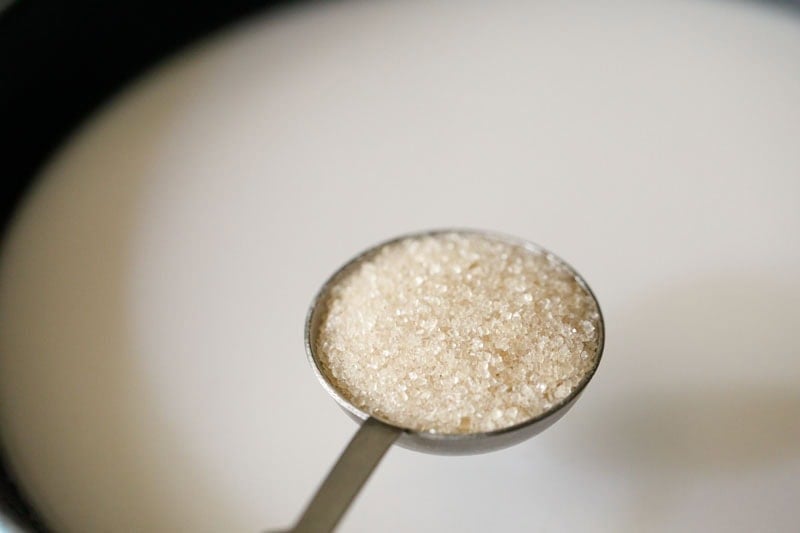
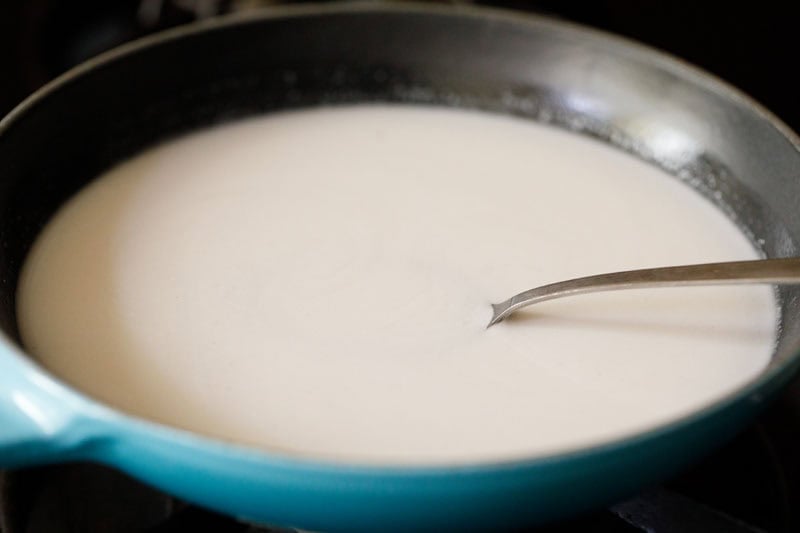
While the rice steams, the "soul" of the dish is prepared: the coconut milk mixture. This involves heating one cup of thick coconut milk with approximately three tablespoons of sugar and a crucial quarter-teaspoon of salt. The salt is the "secret weapon" of Thai desserts; it cuts through the cloying sweetness of the sugar and mango, providing a sophisticated depth.
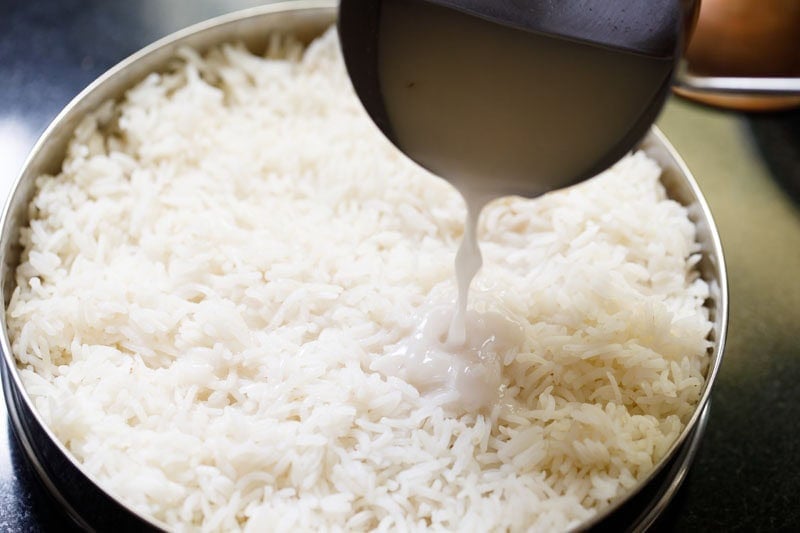
A pivotal moment occurs when the hot, freshly steamed rice is combined with the warm coconut milk. About two-thirds of the milk mixture is poured over the rice. The mixture is covered and left to rest for 15 to 20 minutes. During this "steeping" period, the rice grains act like sponges, absorbing the coconut fats and sugars while maintaining their translucent appearance.
Phase IV: The Final Glaze and Assembly
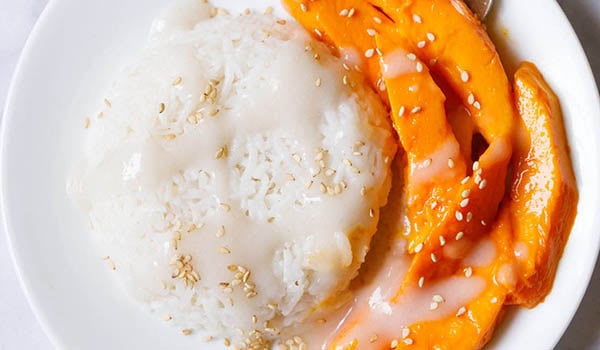
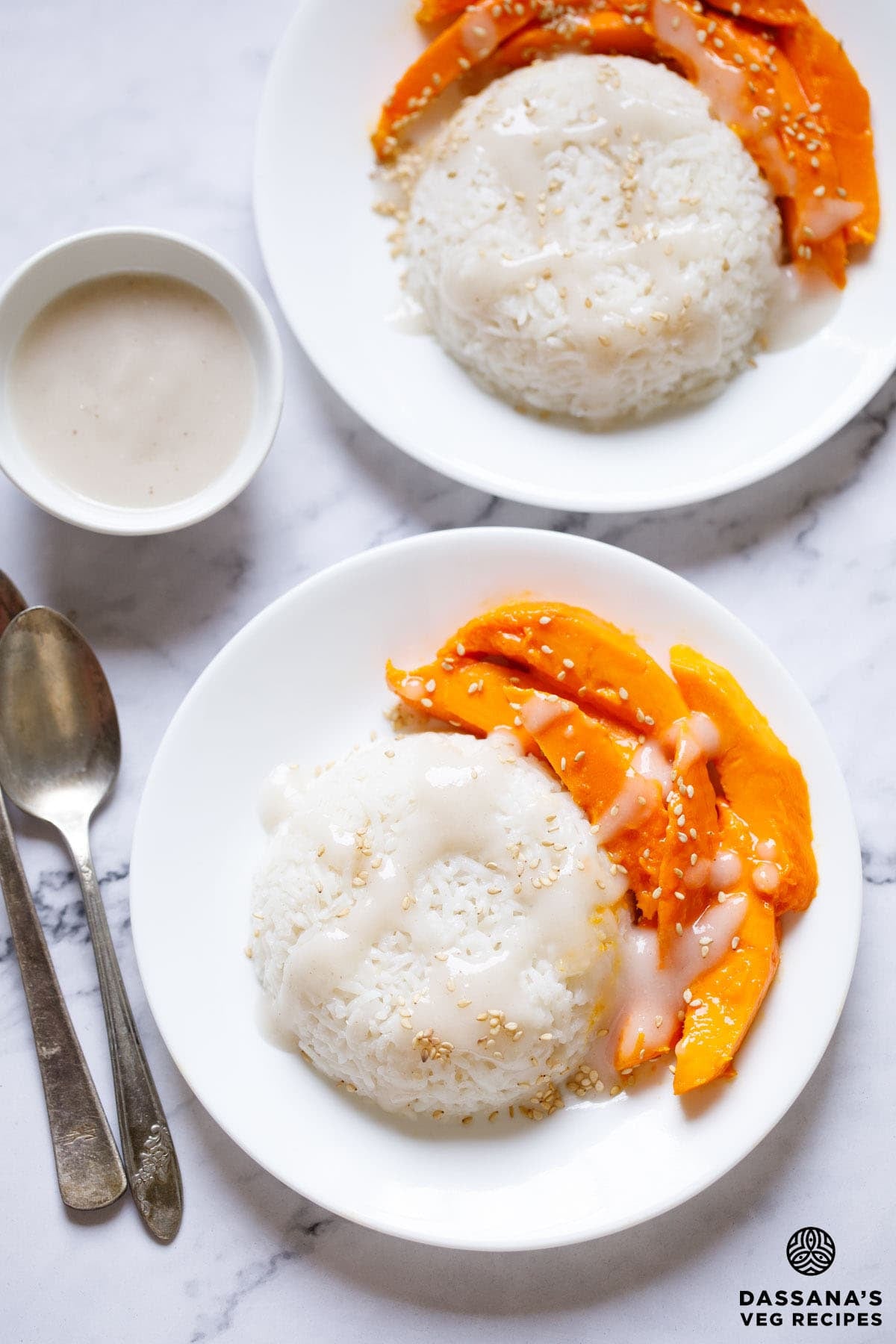
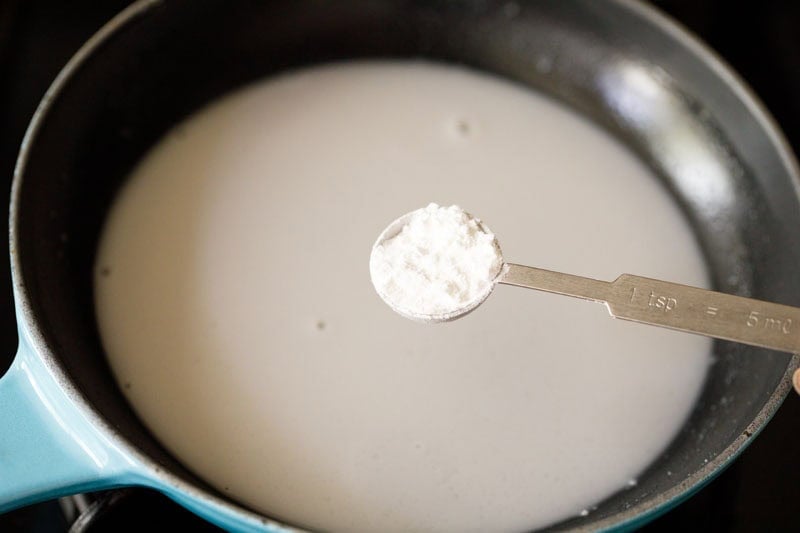
The remaining coconut milk is not wasted. It is returned to the heat and thickened with a slurry of tapioca or cornstarch to create a rich, pourable sauce. This sauce is the final element drizzled over the dish. The assembly is a visual craft: a molded mound of the infused rice is placed alongside generous, thick slices of ripe mango—traditionally the Nam Dok Mai or Ok Rong varieties in Thailand, or the Alphonso in South Asian contexts. A sprinkle of toasted sesame seeds or crispy fried mung beans provides the final textural contrast.
Supporting Data: Nutritional Profile and Ingredient Analysis
Beyond its aesthetic and sensory appeal, Mango Sticky Rice offers a significant nutritional profile. While often categorized as a heavy dessert, it provides a range of essential vitamins and minerals derived from its whole-food components.
Nutritional Breakdown (Per Serving):
- Calories: 398 kcal
- Carbohydrates: 67g (primarily from complex starches in the rice and simple sugars in the mango)
- Fats: 13g (largely saturated fats from coconut milk, which contains medium-chain triglycerides or MCTs)
- Protein: 5g
- Fiber: 3g
- Micronutrients: The dish is particularly high in Vitamin A (1120 IU) and Vitamin C (38 mg), thanks to the fresh mango. It also provides significant amounts of Potassium (339 mg), Magnesium (51 mg), and Folate (56 µg).
The choice of mango is backed by botanical science. The ideal mango for this dish must be non-fibrous. Varieties like the Alphonso are prized for their "buttery" texture, which mimics the creaminess of the coconut rice, whereas more fibrous Western varieties can create an unpleasant "stringy" mouthfeel that clashes with the smooth rice grains.
Masterclass Insights: Expert Techniques and Official Recommendations
Culinary experts, including renowned recipe developers like Dassana, emphasize that the success of Mango Sticky Rice is found in the "small wins" of the preparation process. Their collective "official responses" to common kitchen failures provide a roadmap for home cooks.
- The Temperature Match: One of the most common errors is mixing cold coconut milk with hot rice or vice versa. For maximum absorption, both the steamed rice and the sweetened coconut milk should be warm. This ensures the starch molecules in the rice are open and ready to bond with the coconut fats.
- The "Glutinous" Misconception: Experts frequently have to clarify that "glutinous" does not mean "gluten." For those with Celiac disease, this dessert is a rare safe haven in the world of pastries and sweets, provided no cross-contamination occurs.
- Alternative Grains: While Thai glutinous rice is the gold standard, experts suggest that Jasmine rice can be used in a pinch. However, they warn that the result will be more akin to a rice pudding than the traditional chewy delicacy. The "mouthfeel" is the primary sacrifice when substituting grains.
- Aroma Enhancement: The use of Pandan leaves—often called the "Vanilla of the East"—is highly recommended. Adding a knotted Pandan leaf to the coconut milk while heating imparts a subtle, nutty, and floral aroma that elevates the dish from a simple sweet to a gourmet experience.
Implications: Cultural Resonance and the Global Gastronomic Market
The implications of Mango Sticky Rice’s popularity extend far beyond the kitchen. It has become a potent symbol of Thai "Soft Power." In 2022, after Thai rapper Milli ate a bowl of Mango Sticky Rice on stage at the Coachella Music Festival, global searches for the dish skyrocketed, and vendors in Bangkok reported a massive surge in sales. This moment underscored the dish’s status as a cultural ambassador.
Furthermore, the dish aligns perfectly with the modern global shift toward plant-based and vegan diets. Naturally dairy-free and egg-free, Mango Sticky Rice has bypassed the need for "veganized" substitutions, making it an easy win for inclusive restaurant menus.
In terms of food security and economics, the global demand for the dish supports mango-exporting economies. As consumers become more discerning, there is an increasing market for specific mango varieties, prompting better agricultural standards and "geographic indication" (GI) protections for Thai mangoes.
Ultimately, Mango Sticky Rice stands as a testament to the power of tradition. In an era of "fusion" and "molecular" gastronomy, this dish remains largely unchanged. Its survival depends on the seasonal cycle of the mango and the patient, manual labor of steaming rice—a slow-food antidote to a fast-food world. Whether served in a styrofoam box on a humid street corner in Chiang Mai or on a porcelain plate in a London Michelin-starred restaurant, its appeal remains the same: a perfect, creamy, salty-sweet embrace.
