

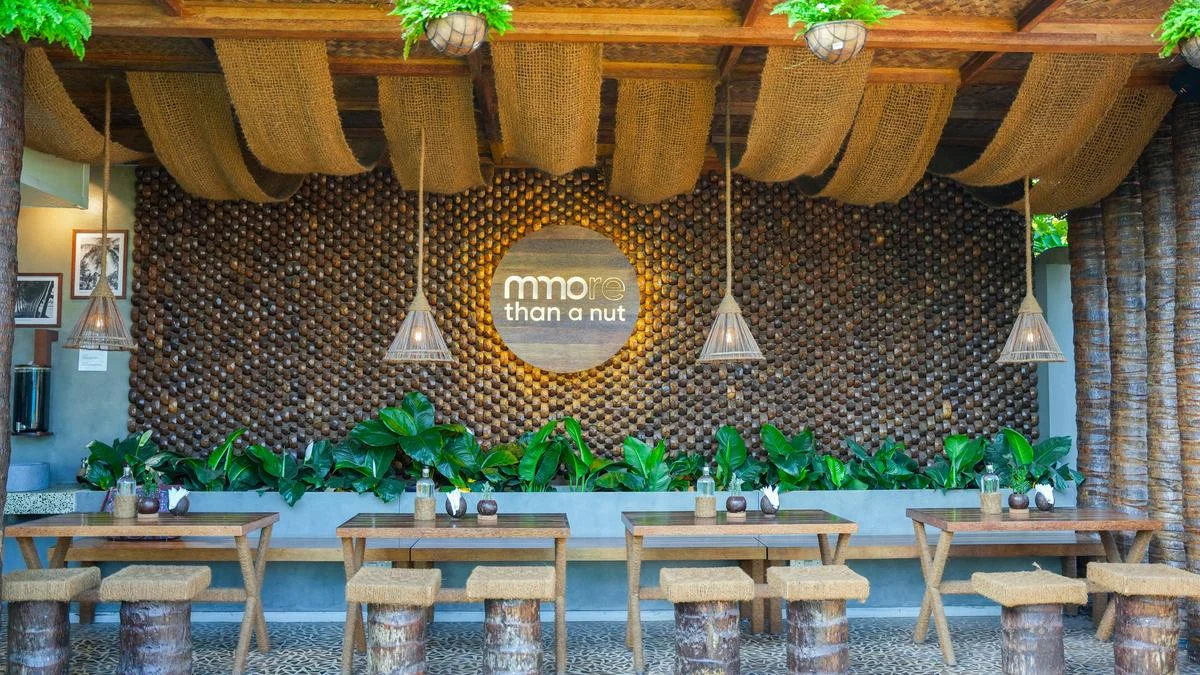
ALUVA, KERALA — In the verdant landscape of Aluva, a town positioned on the periphery of Kerala’s commercial capital, Kochi, a revolutionary retail and culinary experiment is taking root. While the coconut tree has long been the symbol of Kerala—deriving its very name from Kera, the Malayalam word for coconut—the industry surrounding it has often struggled with stagnant commodity prices and a lack of modern innovation. However, at MMore Than A Nut, a boutique cafe and experience center located near Rajagiri Hospital, the humble coconut is being elevated from a kitchen staple to a high-end lifestyle brand.
Founded by Ubais Ali, the second-generation entrepreneur behind the Mezhukkattil Mills legacy, the cafe is more than just a place to grab a beverage. It is a manifesto for the "Kalpavriksham"—the Sanskrit term for the "wish-fulfilling tree"—proving that every single element of the coconut, from its husk and shell to its water and meat, holds untapped economic and aesthetic value.
Main Facts: A 360-Degree Coconut Experience
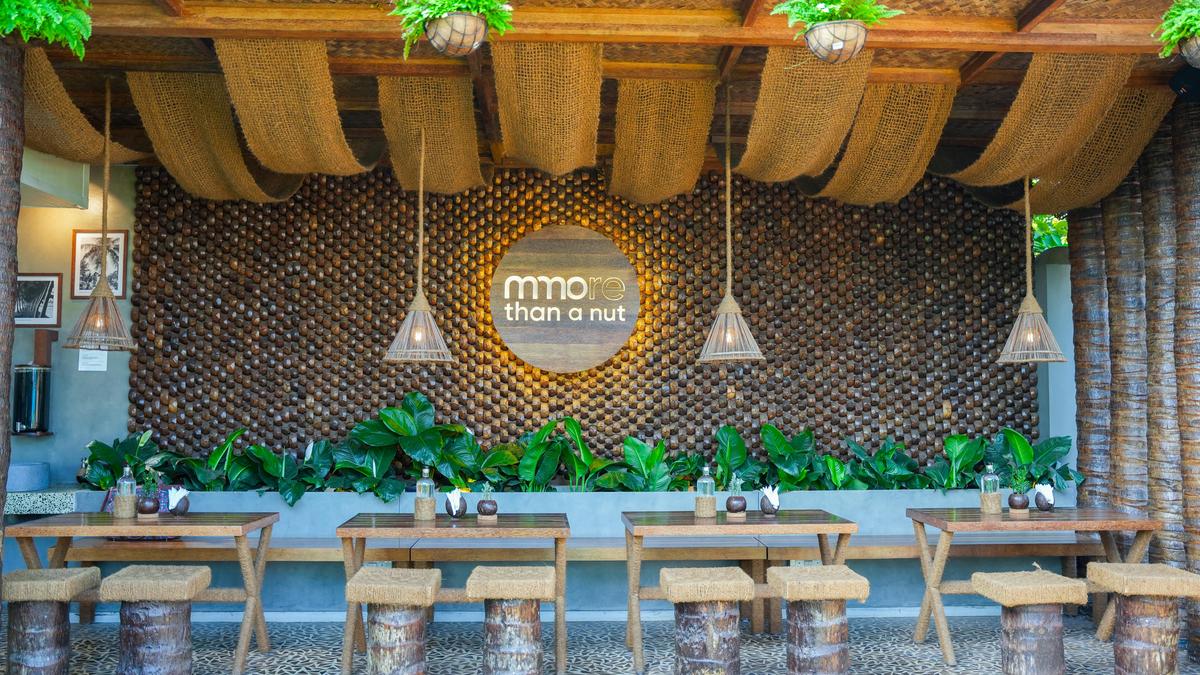
The primary distinction of MMore Than A Nut lies in its uncompromising commitment to its core ingredient. In an era where "themed" cafes often rely on superficial decor, this establishment integrates the coconut into its very architecture.
Architectural Innovation
Visitors to the cafe are greeted by an interior where the coconut tree is the primary building material. The tables and benches are crafted from seasoned coconut wood, a material often overlooked in favor of teak or mahogany but praised here for its unique grain and durability. Perhaps most striking is the flooring and wall cladding; Ubais Ali has utilized coconut shells to create a mosaic effect that mimics traditional terrazzo but with a warmer, organic texture. Even the functional elements—the lampshades, the dustbins, and the garden lighting—are fashioned from coconut byproducts.
A Comprehensive Retail Portfolio
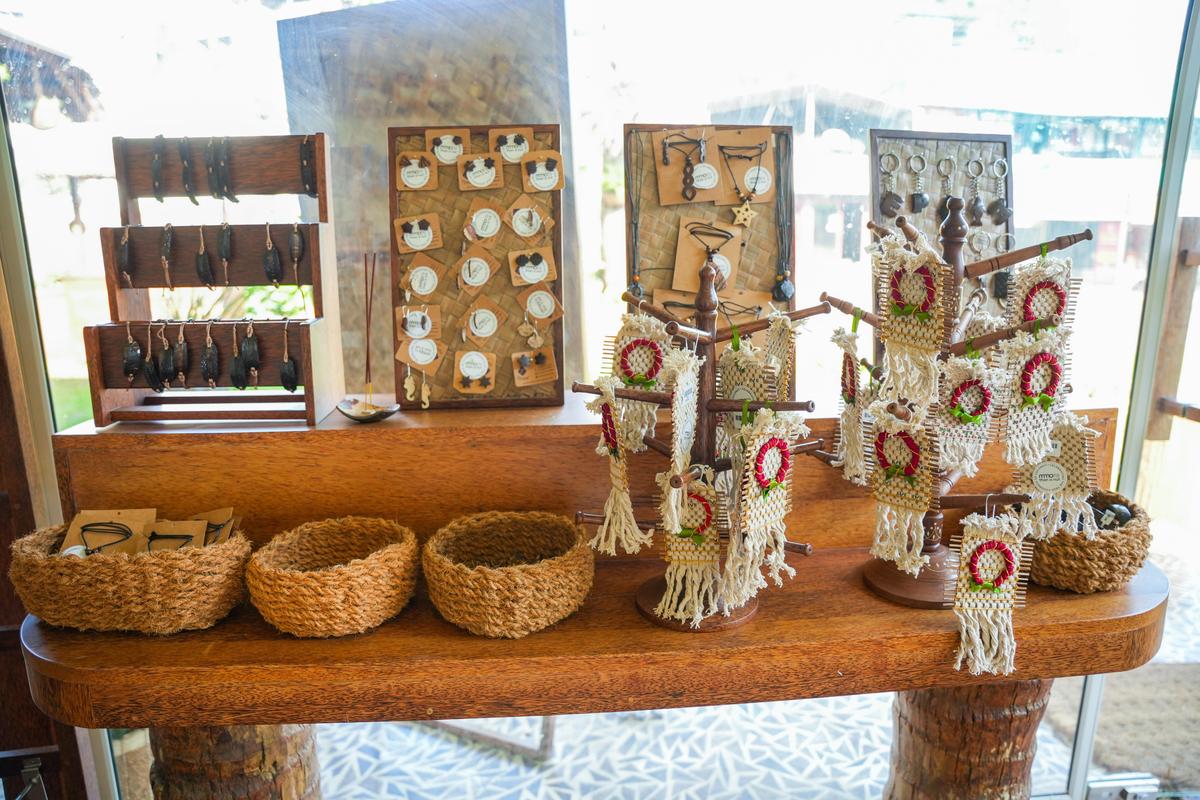
Beyond the cafe seating, the space serves as a flagship showroom for Mezhukkattil Mills Originals (MMO). The shelves are stocked with an array of value-added products that move far beyond traditional cooking oil:
- Culinary Essentials: Virgin coconut oil, coconut milk powder, desiccated coconut, and coconut flour.
- Specialty Items: Coconut butter, cooking pastes, and coconut-based vinegar.
- Lifestyle Goods: Cutlery, homeware, mats, and accessories made from coconut fiber and shells.
Chronology: From Industrial Milling to Boutique Branding
The journey of MMore Than A Nut is inextricably linked to the history of Mezhukkattil Mills, a cornerstone of the local industry for nearly half a century.
1976: The Foundation
The story begins in 1976, when Ubais Ali’s father established Mezhukkattil Mills. For decades, the mill functioned as a traditional industrial unit, focusing on the large-scale extraction of coconut oil. Like many enterprises of its era, the mill’s primary output was a commodity, subject to the volatile fluctuations of the global oil market.
The Shift to Export and Innovation
As the second generation took the reins, Mezhukkattil Mills began to look beyond the domestic commodity market. The company transitioned into a major exporter, catering to international markets that demanded higher standards of processing and packaging. This period saw the mill garner several government awards for innovation in product development and sustainable packaging design.
2020s: The Birth of the ‘Experience Center’
Recognizing a disconnect between the coconut’s ubiquitous presence in Kerala and its perceived value among modern consumers, Ubais Ali envisioned a space that would "advocate" for the nut. The result was MMore Than A Nut. Built adjacent to the large-scale factory unit, the cafe was designed to provide easy roadside access for travelers while serving as a live laboratory for the brand’s Research and Development (R&D) wing.
Supporting Data: The Economics of Value Addition
The philosophy behind MMore Than A Nut is supported by a clear economic imperative: value addition is the only way to sustain the coconut farming community in a globalized market.

The R&D Kitchen
The second floor of the factory houses a dedicated bakery and kitchen unit where culinary experts experiment with coconut derivatives. The menu is a direct result of this research, focusing on replacing traditional ingredients with coconut-based alternatives:
- Flour Substitution: The cafe’s "travel cakes"—designed to stay fresh for several days without refrigeration—utilize coconut flour and desiccated coconut. This not only caters to the gluten-free market but also provides a denser, more flavorful profile.
- Dairy Alternatives: The hot chocolate and various smoothies use coconut milk as a base, tapping into the rising global demand for plant-based dairy alternatives.
Sustainable Utilization
According to industry data, a significant portion of a coconut’s biomass (the husk and shell) is often discarded as waste in traditional milling. MMore Than A Nut demonstrates a circular economy model where:
- The Husk becomes fiber for mats and acoustic panels.
- The Shell is transformed into charcoal, flooring tiles, or polished cutlery.
- The Wood from senile trees (trees past their fruit-bearing age) is reclaimed for furniture.
Official Stance: The Founder’s Vision for ‘Kalpavriksham’
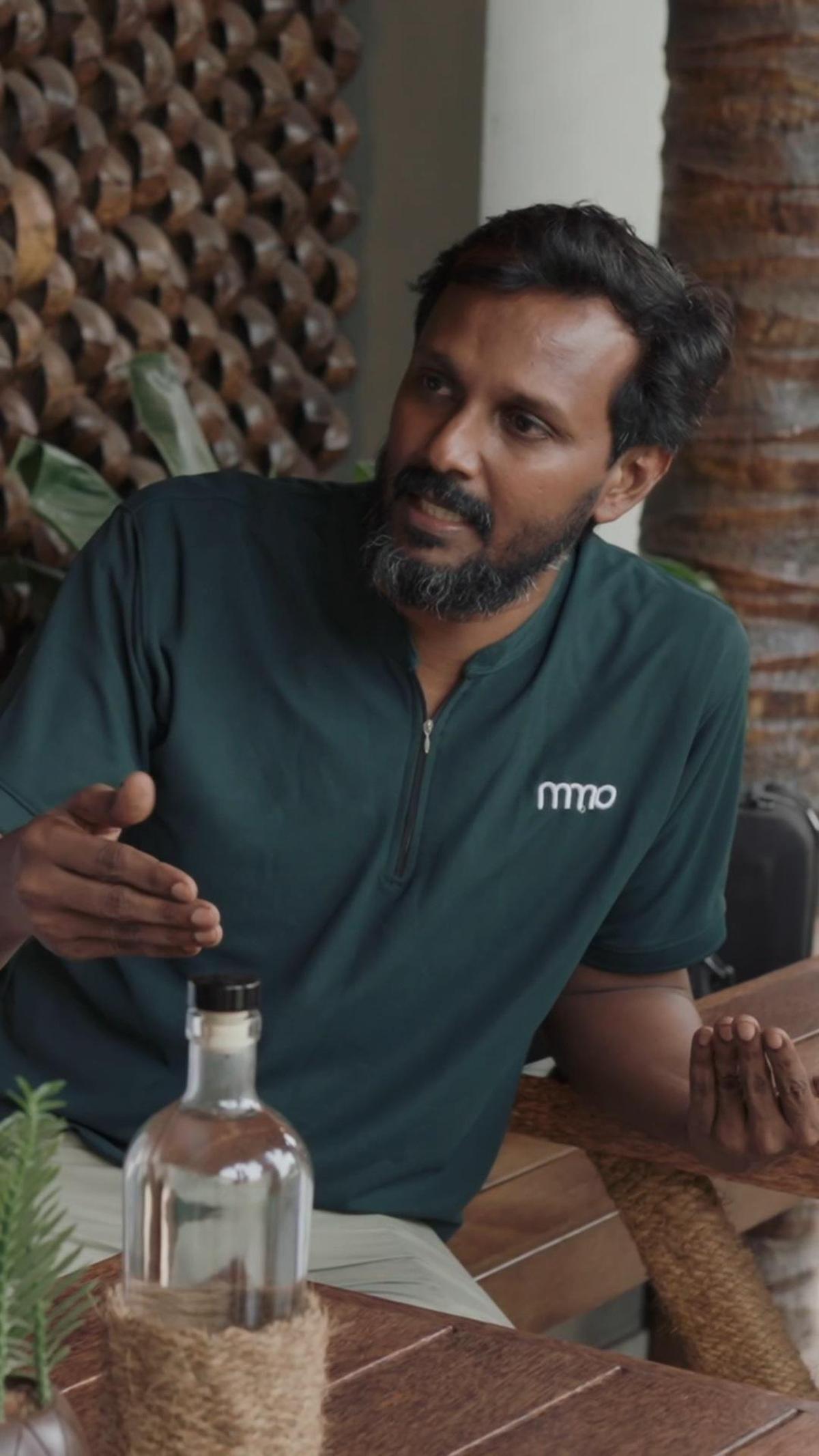
Ubais Ali’s mission is as much about cultural pride as it is about commerce. In his view, the coconut has been undervalued by the very people who grow it.
"We see a lot of content about raisins and almonds imported from other countries. They are marketed as superfoods, and we pay a premium for them," Ali notes. "How about we push our own produce? The coconut is our Kalpavriksham. It is part of our everyday lives in Kerala, yet we have stopped seeing its potential."
Ali’s "official" stance for the brand is centered on three pillars:
- Health: Promoting the medium-chain triglycerides (MCTs) found in virgin coconut oil and the low-glycemic index of coconut sugar and flour.
- Livelihood: Creating a demand for value-added products that allows farmers to command a higher price than they would for raw copra.
- Lifestyle: Proving that traditional materials can fit into a modern, minimalist aesthetic.
The cafe’s menu reflects this advocacy. The "Neera"—fresh coconut sap—is collected and chilled immediately to prevent fermentation into toddy, offering a nutritious, non-alcoholic traditional beverage to a new generation of health-conscious consumers.
Implications: A Template for Agricultural Transformation
The success and visibility of MMore Than A Nut have broader implications for the agricultural sector in Kerala and beyond.
A Model for ‘Agri-Tourism’
By combining a factory, a retail outlet, and a cafe, Ali has created a form of "agri-tourism" that educates the consumer. This model could be replicated for other regional staples such as spices, coffee, or rubber, where the "story" of the product is as important as the product itself.
Environmental Impact
The cafe’s heavy reliance on coconut wood and shells for construction offers a blueprint for sustainable architecture. As the construction industry looks for alternatives to carbon-heavy materials, reclaimed agricultural byproducts like coconut wood provide a carbon-sequestering alternative.
Culinary Evolution
The cafe’s menu—featuring items like coconut-pistachio baklava, avocado-coconut smoothies, and coconut-banana-chocolate cakes—challenges the notion that coconut is only for traditional curries or chutneys. By integrating coconut into global dessert formats (brookies, panna cotta, and cheesecakes), MMore Than A Nut is expanding the "flavor footprint" of the fruit.
Challenges and the Road Ahead
While the concept is innovative, the challenge remains in scaling this "forced" coconut integration. As Ali admits, putting coconut in every single item can sometimes feel like a stretch, but it is a necessary part of the brand’s current "maximalist" phase to prove the point of versatility. The long-term plan involves refining these combinations to ensure they are not just "novelty" items but culinary staples.
Conclusion
MMore Than A Nut stands as a testament to the power of reimagination. In the heart of Aluva, Ubais Ali has managed to take a centuries-old agricultural legacy and repackage it for the 21st-century consumer. It is a space where the rusticity of the farm meets the sophistication of the modern cafe, all held together by the versatile fibers of the coconut tree.
As Kerala looks to modernize its economy, projects like MMore Than A Nut suggest that the answer may not lie in moving away from traditional roots, but in digging deeper into them to find new ways to grow. For the visitor, it is a place to enjoy a chilled tender coconut smoothie on a hot afternoon; for the industry, it is a beacon of how to turn a humble nut into a powerhouse of sustainable innovation.
