

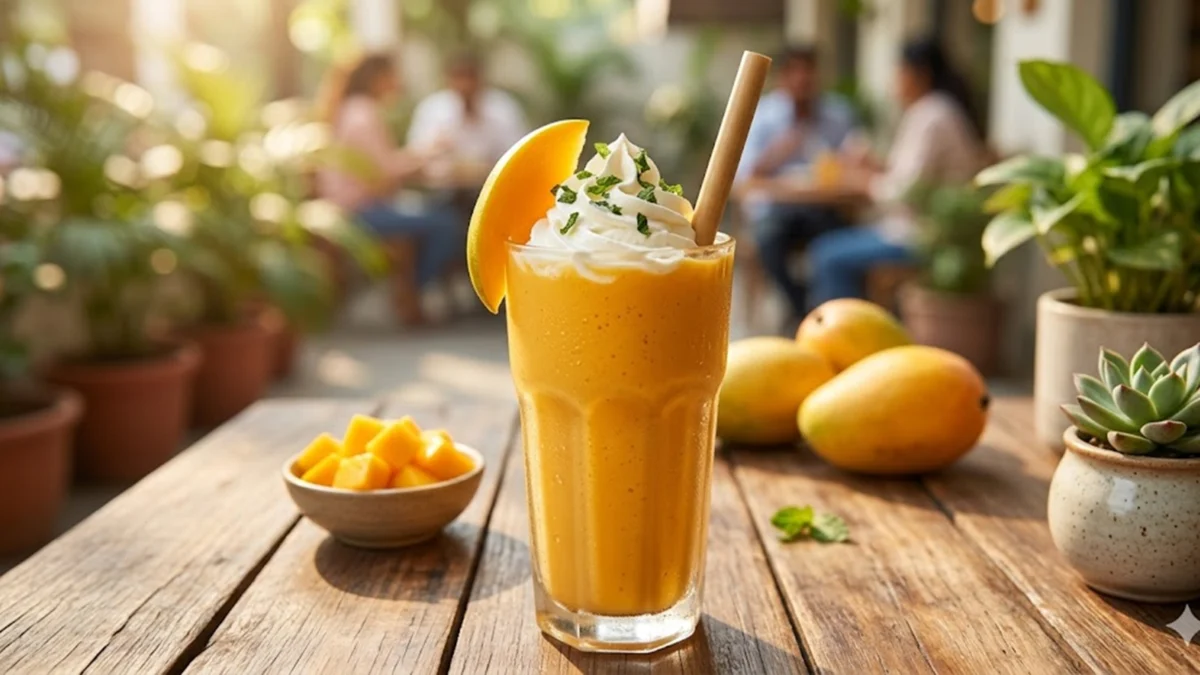
The arrival of the mango season in India is more than a mere change in the agricultural calendar; it is a national phenomenon that occupies the collective consciousness of over a billion people. As the mercury rises, so does the fervor for the "King of Fruits." However, in recent years, this seasonal obsession has been met with a new kind of "madness"—a wave of modern culinary experimentation driven by public relations agencies and fusion-hungry chefs. From "Mango Olive Ravioli" to "Ayurvedic Mango Coconut Soup," the fruit is being reinterpreted in ways that challenge the sensibilities of traditionalists.
This article explores the deep-rooted history of the mango in the Indian subcontinent, its transformation under colonial and imperial influences, and the delicate balance between preserving its natural purity and exploring its versatile culinary potential.
1. Main Facts: The Cultural and Economic Weight of the Mango
The mango (Mangifera indica) is deeply embedded in the cultural, religious, and economic fabric of India. India is the world’s largest producer of mangoes, accounting for approximately 50% of global production. Beyond the statistics, the fruit serves as a symbol of prosperity and hospitality.
The Purist vs. The Experimentalist
For many culinary purists, the mango is a fruit of such superior and delicate flavor that it requires no adornment. The traditional method of consumption—chilled, sliced, or squeezed—remains the gold standard. Yet, the modern food industry is increasingly pushing the boundaries. Press releases now swamp food critics with "revolutionary" uses of the fruit, often cloaking its natural profile in heavy creams, herbs, and starches. While some of these innovations, like mango-infused dumplings, are viewed as "culinary madness," they highlight the fruit’s undeniable versatility.
The Economic Power of the Alphonso
The Alphonso mango, often called the Hapus, remains the most recognizable Indian variety on the global stage. It is the primary export variety, carted by the ton to the United Kingdom, the Middle East, and North America. Despite its global fame, many domestic connoisseurs argue that the Alphonso is a "poor cousin" to Northern and Eastern varieties like the Langda or the Himsagar, which offer more complex flavor profiles but possess a shorter shelf life, making them less viable for international trade.
2. Chronology: From Wild Roots to Imperial Orchards
The history of the mango in India is a timeline of botanical evolution and royal patronage. While wild varieties of mango have existed in the Indian subcontinent for thousands of years, the fruit we recognize today is the result of centuries of selective breeding and foreign intervention.
The Mughal Obsession (16th – 17th Century)
The Mughal Emperors were perhaps the greatest patrons of the mango. Their love for the fruit was legendary and often used as a tool for diplomacy and a reward for loyalty.
- Akbar the Great: In the late 16th century, Akbar famously ordered the planting of the Lakh Bagh, an orchard of 100,000 mango trees in Darbhanga, Bihar. This was a monumental effort in horticultural scaling.
- The Lure of the Throne: Historical accounts suggest that Babur, the founder of the Mughal Empire, was partly lured into his campaign against Ibrahim Lodi by the promise of the finest Indian mangoes.
- The Exile’s Request: Humayun, Babur’s son, was so enamored with the fruit that even during his years of exile in Persia and Afghanistan, he demanded that crates of mangoes be delivered to him through complex courier networks.
- War and Naming Rights: The famous Chausa variety owes its name to the military history of the region. Sher Shah Suri, after defeating Humayun’s army in the village of Chausa (Bihar) in 1539, named his favorite variety after the site of his victory. Similarly, the Imam Pasand (or Humayun Pasand) remains a testament to royal preferences.
The Portuguese Grafting Revolution (16th Century)
While the Mughals focused on large-scale cultivation and variety, the Portuguese introduced the technical innovation that changed the mango forever: grafting.
- Afonso de Albuquerque: The Alphonso mango is named after the Portuguese general and viceroy who established the colony in Goa. The Portuguese sought a fruit that suited the European palate—firm, sweet, and capable of being sliced with a knife rather than the traditional Indian method of "squeezing and sucking."
- Texture and Export: Before the Portuguese, most Indian mangoes were fibrous. The introduction of grafting techniques allowed for the creation of non-fibrous, buttery textures. This technological shift is what eventually allowed the mango to become a global commodity.
3. Supporting Data: A Diversity of Varieties
India is home to over 1,000 varieties of mangoes, though only about 20 to 30 are grown commercially. Each variety has a specific "terroir," influenced by the soil and climate of its region.
| Variety | Region | Flavor Profile | Best Use |
|---|---|---|---|
| Alphonso | Maharashtra (Ratnagiri) | Rich, buttery, saffron-hued | Export, Slicing |
| Langda | Uttar Pradesh (Varanasi) | Intensely sweet, greenish skin | Table fruit |
| Himsagar | West Bengal | Aroma-heavy, fiber-free | Desserts, Slicing |
| Safeda (Banganapalle) | Andhra Pradesh | Large, mildly sweet, firm | Baking and Cooking |
| Chausa | North India | Bright yellow, honey-like sweetness | Sucking/Juicing |
| Totapuri | South India | Tangy, firm | Pickles and Salads |
The Nutritional and Ayurvedic Perspective
In traditional Ayurveda, the mango is considered a "heating" fruit. To balance its pitta-inducing properties, it is traditionally consumed with milk or soaked in water for several hours before eating. Modern nutritional science supports its "superfood" status, noting high levels of Vitamin A, Vitamin C, and dietary fiber, which aid in digestion and immune support.
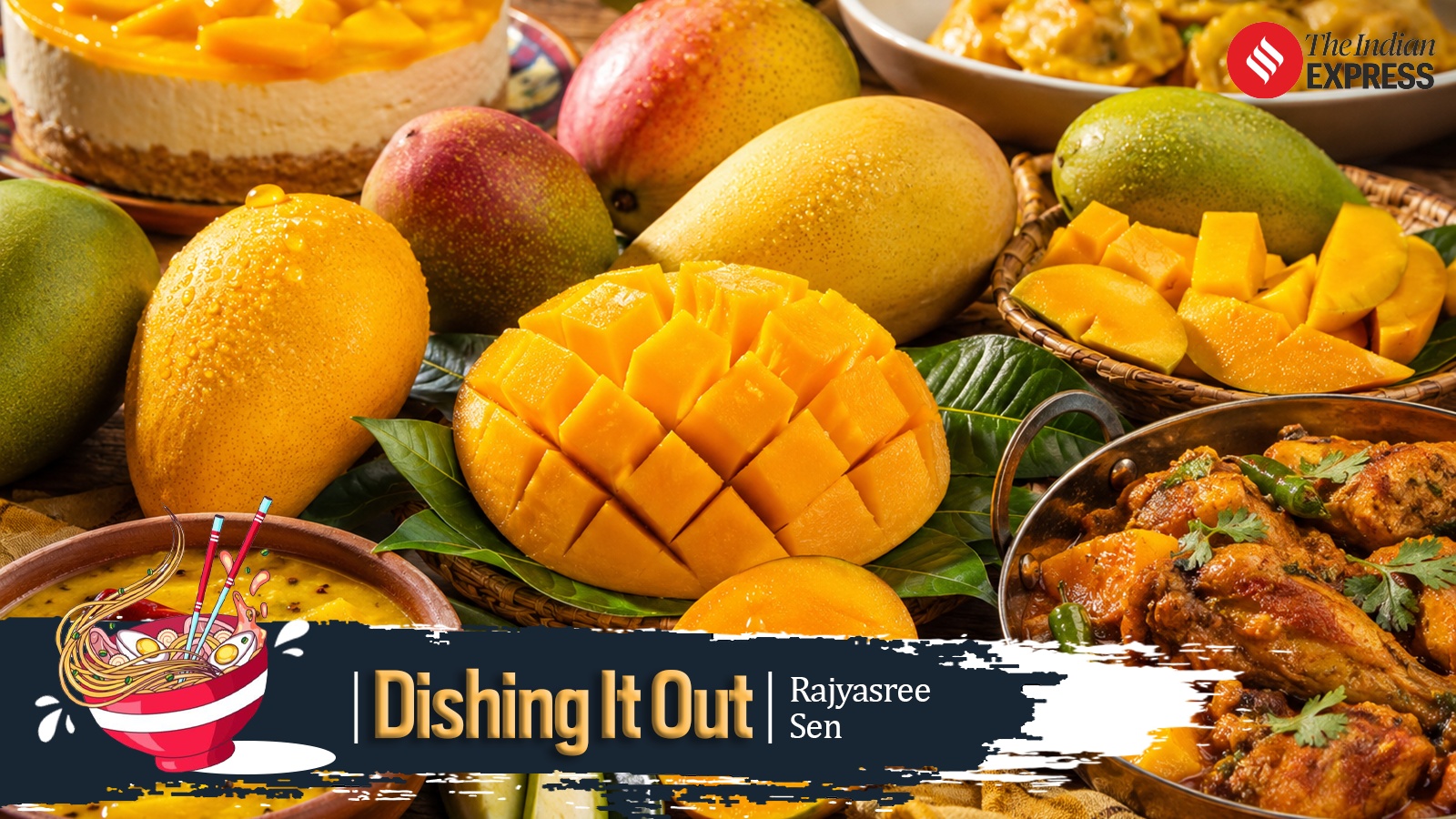
4. Official Responses and Culinary Perspectives
The debate between traditional preparation and modern fusion has drawn responses from historians and culinary experts alike.
Food Historians argue that the mango’s ability to adapt to different cuisines is a sign of its cultural resilience. "The mango has never been static," says one expert. "It moved from the royal courts of Delhi to the colonial tables of Goa. Today’s ‘Mango Ravioli’ is simply the latest, albeit perhaps misguided, step in that evolution."
Professional Chefs maintain that while the best mangoes should be eaten raw, "culinary" mangoes—those that are slightly overripe or have a firmer texture like the Safeda—provide a unique acidic and sweet balance to savory dishes. The trend of using mangoes in main courses, such as chicken curries or dals, is an authentic revival of regional home-cooking styles that are often overlooked by high-end restaurants.
5. Implications: The Art of Cooking with Mango
As the season progresses, the surplus of ripening fruit presents a culinary opportunity. Rather than discarding overripe mangoes, traditional Indian households have long used them to enhance savory and sweet dishes. Below are three refined approaches to incorporating mango into a professional-grade home menu.
I. The Mango Cream Pie (A Minimalist Dessert)
This preparation respects the "purist" philosophy by avoiding added sugars and allowing the natural profile of the Safeda mango to dominate.
- The Foundation: A chilled crust made from crushed digestive biscuits and high-quality melted butter.
- The Filling: A blend of fresh mango chunks and heavy whipping cream. The Safeda variety is ideal here for its structural integrity.
- The Process: The mixture must be set in a refrigerator for a minimum of eight hours. The result is a cheesecake-like texture that highlights the fruit’s natural acidity against the richness of the cream.
II. Tauk Dal: The Intersection of Sweet and Sour
A staple in Eastern Indian households during the summer, Tauk Dal (Mango Dal) uses both green (unripe) and ripe mangoes to create a complex flavor profile.
- Ingredients: Masoor dal, green mango slivers, ripe mango chunks, mustard seeds, dried red chilies, and ghee.
- Technique: The dal is pressure-cooked with turmeric until soft. The mangoes are added toward the end to ensure they retain some texture. The "tadka" (tempering) of mustard seeds and chilies in ghee provides a smoky contrast to the fruit’s brightness.
- Significance: This dish serves as a functional summer food, providing hydration and electrolytes while stimulating the appetite through its tartness.
III. Savory Mango Chicken Curry
Perhaps the most controversial yet rewarding application is the use of ripe mangoes in a spicy chicken curry.
- The Flavor Profile: This dish relies on the "sweet-heat" dynamic. The sugars in the ripe mango caramelize slightly when cooked with mustard oil and Kashmiri chili powder.
- Key Aromatics: Fresh ginger and garlic paste are essential to ground the sweetness of the fruit.
- The Result: As the mango pieces break down, they thicken the gravy, creating a velvety sauce that pairs perfectly with steamed basmati rice.
6. Conclusion: The Future of the King
The mango remains trending—not just on social media or Google search results, but in the very heart of Indian summer life. However, the industry faces challenges. Climate change has led to unpredictable flowering cycles, and the dominance of the Alphonso in the export market threatens the biodiversity of lesser-known regional varieties.
The lesson for the consumer and the cook is one of balance. While we should perhaps view "Mango Olive Ravioli" with a healthy dose of skepticism, we should not be afraid to bring the mango into our kitchens as a versatile ingredient. Whether it is a royal Chausa or a humble Safeda, the mango continues to offer a charm and piquancy that no other fruit can replicate.
Next week, our culinary series continues with an in-depth look at the nutritional science and versatility of the egg, and why it remains an essential staple for all age groups.
