

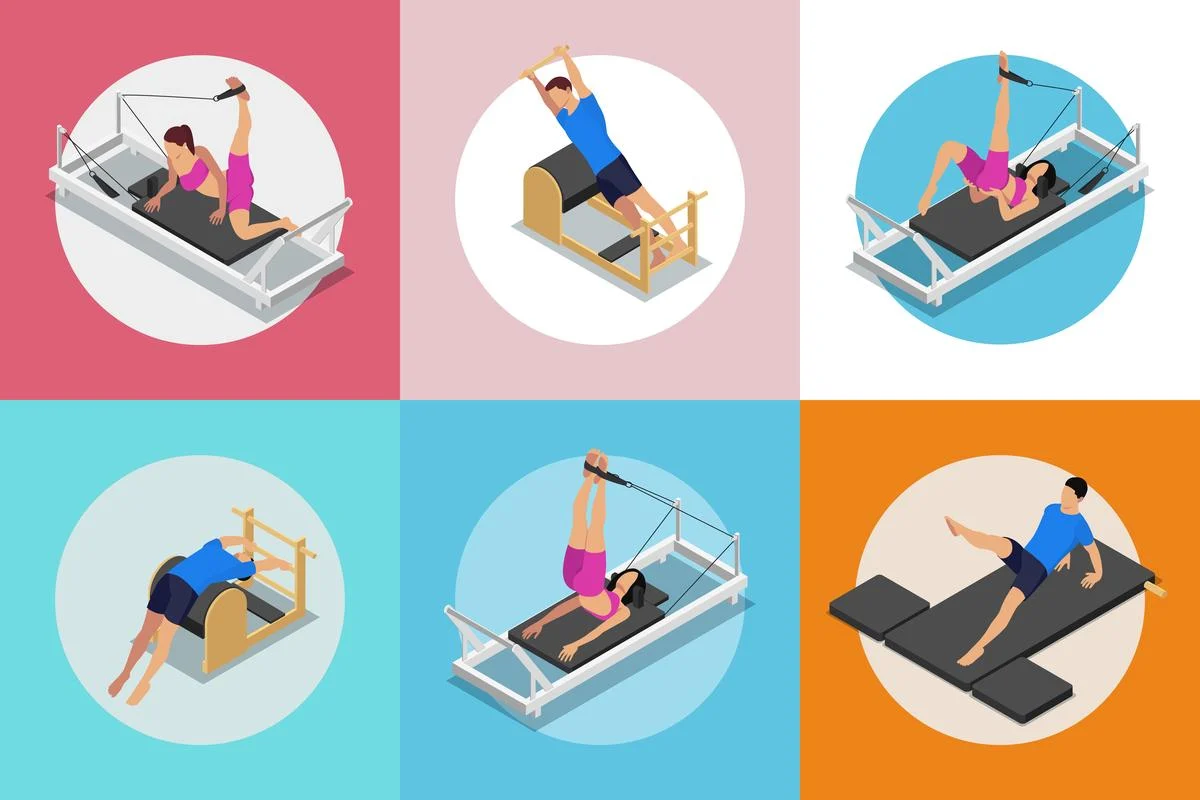
New York, NY – April 25, 2026 – In an era increasingly focused on holistic health and mindful movement, Pilates has emerged from its niche origins to become a global phenomenon. More than just a series of exercises, this 20th-century discipline, meticulously crafted by Joseph Pilates, offers a profound integration of mind and body, emphasizing core strength, heightened body awareness, and unwavering mental focus. While often associated with mat-based routines, Pilates also leverages specialized apparatus like the Reformer and Cadillac, designed to provide adjustable resistance and versatile support, amplifying the efficacy of its intricate movements.
Recent years have witnessed a significant surge in Pilates’ popularity, driven by a confluence of factors ranging from increased health consciousness among younger generations to the potent influence of social media. However, beyond the trend, a growing body of scientific research is validating Pilates as a robust and effective exercise methodology. Studies published in esteemed journals such as the Journal of Orthopaedic & Sports Physical Therapy and by the American Council on Exercise have underscored its remarkable benefits for spinal stability and posture, all while significantly minimizing the risk of injury. This evidence-based recognition has cemented Pilates’ status as a sustainable and impactful approach to physical fitness, far transcending a fleeting fad.
The Genesis of Pilates: A Visionary’s Legacy
The story of Pilates begins in the early 1900s with Joseph Pilates, a German physical trainer whose innovative approach was deeply influenced by a diverse range of disciplines. Gymnastics, boxing, yoga, and Zen meditation all played a role in shaping his unique philosophy of movement. Pilates himself referred to his method as "Contrology," a term that encapsulates the core principle of using the mind to control the muscles.
In 1926, Joseph Pilates relocated to New York City, establishing a studio conveniently located near the New York City Ballet. This strategic placement allowed him to introduce his groundbreaking "Contrology" method to dancers and athletes, many of whom sought its rehabilitative and performance-enhancing qualities. The efficacy of his teachings quickly gained traction, laying the foundation for the enduring popularity that Pilates enjoys today. His meticulous attention to detail and the systematic nature of his exercises meant that modifications were only permitted if they were explicitly acknowledged as deviating from the original "Contrology."
Evolution of a Method: From Contrology to Contemporary Adaptations
The foundational principles of Joseph Pilates’ work have evolved over time, leading to distinct variations that cater to a broader audience and contemporary fitness trends. Understanding these different branches is key to appreciating the versatility of the Pilates method.
Contrology: The Original Blueprint
The purest form of the discipline, "Contrology," as envisioned by Joseph Pilates, is characterized by a specific sequence of exercises, many of which require specialized apparatus. Joseph Pilates was a staunch advocate for the precise execution of his method, emphasizing that any deviation from the prescribed order or form meant it was no longer "Contrology." This adherence to his original vision remains a cornerstone for many practitioners and instructors.
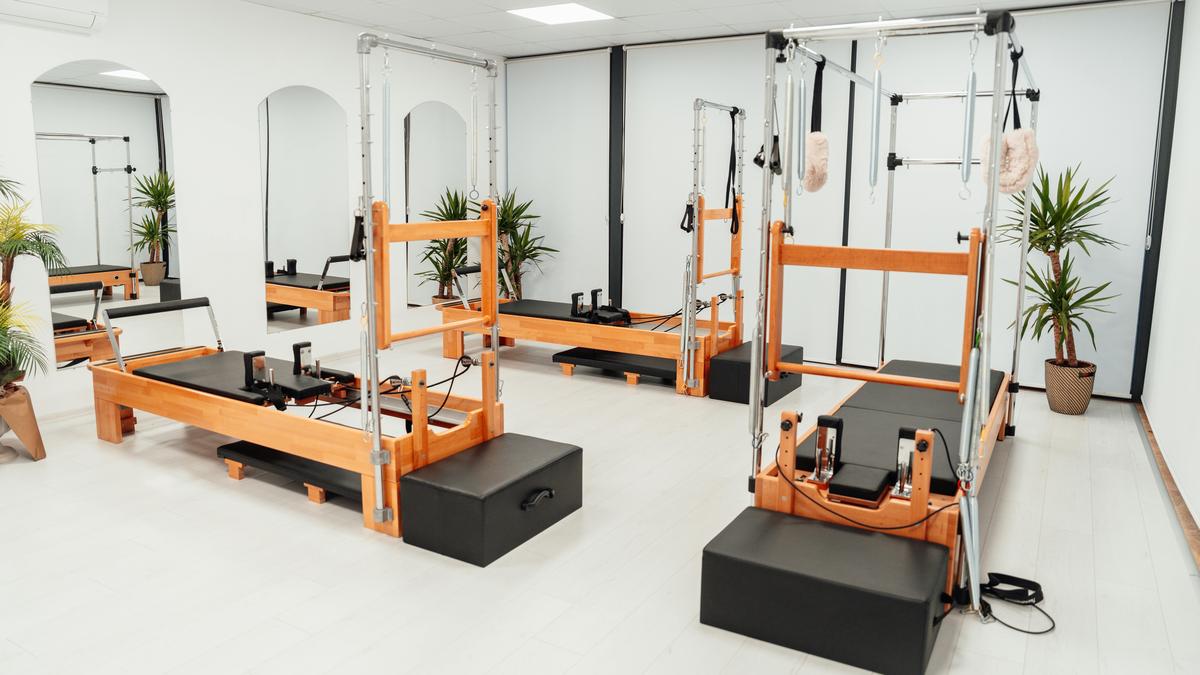
Classical Pilates: Honoring the Disciples’ Legacy
Classical Pilates represents a lineage that largely adheres to the original teachings of Joseph Pilates, with minor modifications introduced by his direct disciples. These changes, while subtle, are acknowledged as the distinctions that define Classical Pilates. Often considered to be in close alignment with Contrology, Classical Pilates may incorporate additional exercises that were developed or adapted by those who trained directly under Joseph Pilates, further enriching the repertoire.
Contemporary Pilates: Modernizing the Movement
In contrast, Contemporary Pilates embraces a more adaptable and modernized interpretation of the Classical method. This approach often features a wider range of modifications, incorporates newer equipment designs, and may deviate from the strict adherence to a specific exercise order. Contemporary Pilates aims to make the practice more accessible and relevant to current fitness needs, often integrating elements from other disciplines to create innovative variations.
The flexibility inherent in contemporary Pilates has led to a proliferation of hybrid workouts that blend its principles with other forms of exercise. These innovative fusions include:
- Yogilates: A seamless integration of Pilates and yoga, focusing on core strength, flexibility, and mindful breathing.
- Cardiopilates: Combines the core-strengthening benefits of Pilates with cardiovascular conditioning, offering a more dynamic and calorie-burning workout.
- Piloxing: A high-energy fusion of Pilates, boxing, and dance, designed to sculpt the body and improve stamina.
- Aquapilates: Pilates exercises performed in water, providing buoyancy that reduces stress on joints and offers a unique form of resistance.
- Aeropilates: Utilizes trampolines and resistance cords to perform Pilates movements, offering a low-impact yet challenging workout that protects joints.
The Science Behind the Strength: Pilates and Evidence-Based Efficacy
The resurgence of Pilates in recent years is not merely a reflection of evolving fitness trends or social media influence; it is underpinned by a growing body of scientific evidence that substantiates its efficacy as a comprehensive workout method. Multiple studies have consistently demonstrated the profound benefits of Pilates across various aspects of physical and mental health.
Core Strength and Spinal Health
At the heart of Pilates lies its unparalleled ability to cultivate core strength. The "powerhouse"—comprising the deep abdominal muscles, pelvic floor, diaphragm, and back muscles—is central to every Pilates movement. By systematically engaging and strengthening these muscles, Pilates improves spinal stability, reduces the risk of back pain, and enhances overall posture. Research published in the Journal of Orthopaedic & Sports Physical Therapy has highlighted Pilates’ effectiveness in improving spinal alignment and reducing instances of chronic lower back pain.
Injury Prevention and Rehabilitation
The controlled, precise nature of Pilates movements, coupled with its emphasis on proper alignment and muscle engagement, makes it an exceptionally safe exercise form. Studies by the American Council on Exercise have indicated that Pilates carries a significantly lower risk of injury compared to many other forms of exercise, particularly those involving high impact or rapid movements. This safety profile makes it an ideal choice for individuals recovering from injuries, athletes seeking to enhance performance while minimizing strain, and those with pre-existing conditions.

Beyond Physicality: Mental and Emotional Well-being
Pilates is more than just a physical discipline; it is a practice that cultivates a profound connection between the mind and body. The focus required to execute movements with precision, coupled with the emphasis on breath control, fosters a state of mindful engagement. This integrated approach has been linked to significant improvements in mental health.
- Stress and Anxiety Reduction: The rhythmic nature of Pilates, combined with conscious breathing techniques, has been shown to reduce levels of stress and anxiety. The practice encourages a detachment from daily stressors, promoting a sense of calm and present moment awareness.
- Improved Balance and Coordination: By strengthening the core and enhancing proprioception (the body’s awareness of its position in space), Pilates significantly improves balance and coordination, reducing the risk of falls, particularly among older adults.
- Enhanced Flexibility and Mobility: While not solely a stretching practice, Pilates systematically lengthens and strengthens muscles, leading to increased flexibility and a greater range of motion in the joints. This can alleviate stiffness and improve overall physical function.
Bone Health and Osteoporosis Prevention
Emerging research also suggests that Pilates may play a role in maintaining bone density and potentially preventing osteoporosis. While further research is ongoing, the controlled loading of bones through weight-bearing and resistance exercises inherent in Pilates could contribute to stronger, healthier bones over time. This is particularly relevant in an aging global population where bone health is a significant concern.
The Wider Implications: Pilates as a Lifestyle Choice
The growing recognition of Pilates’ multifaceted benefits has propelled it beyond the realm of a mere workout into a comprehensive lifestyle choice for millions. Its adaptability makes it suitable for a diverse range of individuals, from elite athletes and dancers to individuals seeking to manage chronic pain or simply improve their overall quality of life.
The accessibility of Pilates, with its various forms and the increasing availability of qualified instructors, ensures that its transformative power can reach a broad spectrum of the population. As scientific validation continues to mount and more individuals experience its profound effects firsthand, the influence of Pilates on global health and wellness is poised to expand even further. It represents a compelling testament to the enduring power of a mind-body approach to fitness, offering a sustainable and deeply rewarding path to strength, resilience, and well-being. In a world often characterized by haste and superficiality, Pilates offers a powerful antidote, inviting individuals to connect with their bodies, calm their minds, and cultivate a more balanced and vibrant existence.
