

By [Your Name/Fictional Author Name], CEO of Himalia Prime Assets
Published: August 14, 2026, 5:58 PM IST
For decades, the lexicon of opulence in real estate and hospitality was etched in the gleam of polished marble, the provenance of imported fittings, and the commanding presence of panoramic skyline or sweeping ocean vistas. These were the undeniable hallmarks of prestige, the tangible markers of exclusivity. However, a profound paradigm shift is underway, a subtler yet undeniably potent force reshaping the very essence of luxury. This new arbiter of prestige is not forged from steel and glass, but is taking root, quite literally, in the meticulously cultivated embrace of nature.
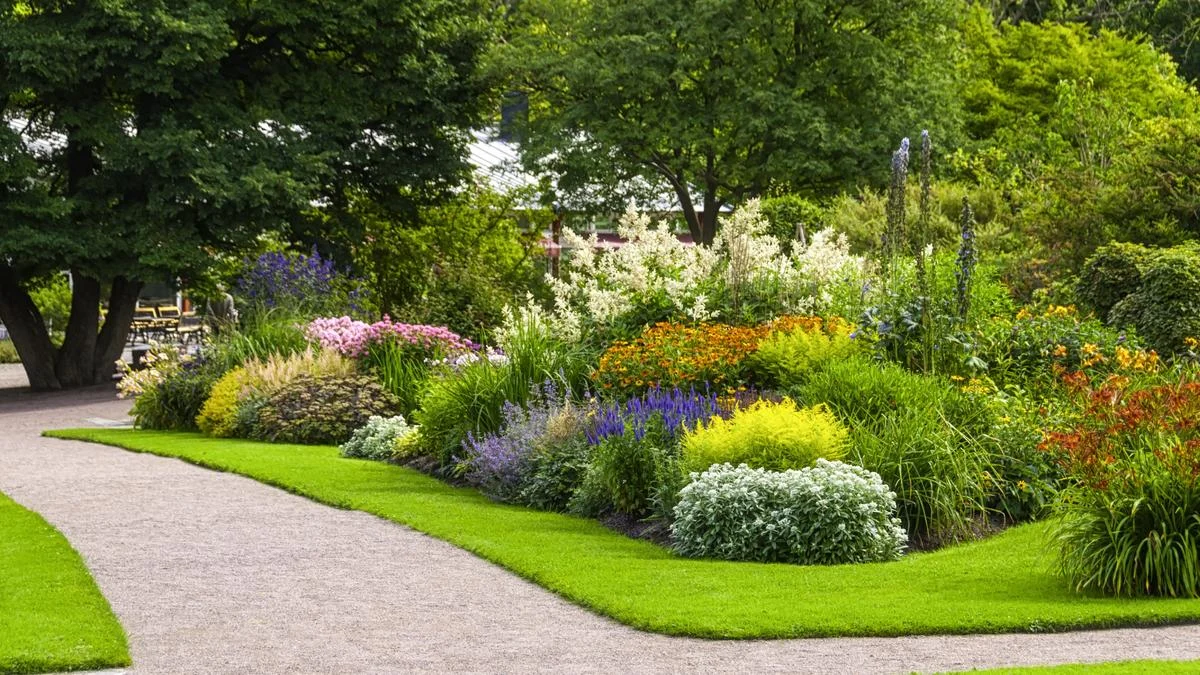
Across the spectrum of residential developments and destination retreats, landscaping has transcended its erstwhile role as a mere decorative afterthought, migrating from the periphery of project briefs to assume its rightful position at the very core of design and aspiration. Developers are now actively embracing green design as a defining amenity, a fundamental pillar of the luxury experience, rather than a superficial embellishment. This evolution signifies a fundamental reevaluation of what constitutes true value and desirability in the premium property market.
The Structural Reimagining: Greenery as the Blueprint’s Bedrock
The current transformation is not skin-deep; it is a structural, foundational change in how luxury properties are conceived and realized. Historically, landscaping was often relegated to the final stages of development, a finishing touch applied after the architectural blueprint was irrevocably locked. This approach frequently resulted in compromises, with mature trees felled and natural contours flattened to accommodate built structures.
However, a new generation of forward-thinking developers is now reversing this sequence, meticulously designing around existing natural assets. This “green-first” philosophy dictates that built spaces are oriented to preserve mature tree cover, that courtyards and serene waterbodies are strategically carved into masterplans, and that prime real estate is reserved for lush gardens and tranquil groves, rather than being solely dedicated to expanded built-up areas. This deliberate integration reflects a profound understanding that discerning buyers and guests increasingly experience a property not just through its interiors, but as much, if not more, through its open, natural spaces.
Nowhere is this profound shift more vividly illustrated than in the burgeoning sector of wellness-led hospitality. Here, the surrounding landscape is no longer a mere backdrop to the guest experience; it is, in essence, the experience itself. Backwater-facing retreats and coastal properties that artfully integrate indigenous flora, reintroduce vital water bodies, and provide shaded, natural walkways are now being marketed with an emphasis on the strength and allure of their grounds, often on par with, or even eclipsing, the appeal of their meticulously appointed rooms.
The Post-Pandemic Bloom: Nature as a Wellness Amenity
The global pandemic, with its enforced lockdowns and heightened awareness of the therapeutic benefits of the outdoors, acted as a catalyst, accelerating a trend that has now matured into a lasting lifestyle expectation. Both guests and buyers are demonstrating a tangible willingness to invest a measurable premium for access to thoughtfully designed natural elements. This includes well-maintained walking trails that encourage mindful movement, serene meditation gardens that foster introspection, and biodiverse zones that actively support ecological health and, by extension, human well-being.
Landscaping, therefore, has effectively metamorphosed into a wellness amenity in its own right. It now sits proudly alongside traditional offerings such as state-of-the-art spas and meticulously curated wellness programming in the priority lists of discerning individuals. In many instances, it is now outranking these established amenities. For destination wellness retreats in particular, this means the very grounds themselves – the density of tree cover, the presence and quality of water features, and the palpable sense of sanctuary from the cacophony of urban life – have become central to brand positioning, not peripheral considerations.
Design Evolution: The Landscape Architect’s Ascendancy
Across the entire industry, the traditional sequencing of design decisions is undergoing a radical overhaul. Landscape architects are no longer being brought into masterplanning conversations as an afterthought, but are increasingly being engaged at the very outset of the design process. Their expertise is crucial in treating tree cover, water features, and open spaces as load-bearing elements of the overall guest or resident experience.
This integration is particularly evident in sensitive coastal and backwater destinations. Here, the preservation of natural topography, rather than its forceful overwriting with conventional construction, has emerged as the critical differentiator that discerning travellers and buyers actively seek out. It represents a commitment to authenticity and a respect for the inherent beauty of the locale.
The commercial logic underpinning this shift is elegantly straightforward: well-designed nature possesses enduring value. Mature landscaping, with its established root systems, complex ecosystems, and inherent aesthetic appeal, is incredibly difficult and prohibitively expensive to replicate or fast-track. This makes it one of the rare amenities that not only retains its value but actively appreciates over time, a stark contrast to the inevitable depreciation of fixtures, fittings, and finishes.
The Universal Appeal: Landscaping as a Differentiator
As developers and hospitality operators navigate an increasingly discerning and competitive market, vying to differentiate their offerings, landscaping is emerging as a unique amenity with a remarkably universal appeal. Its resonance transcends price points, geographical locations, and diverse use cases.
From a marketing perspective, well-executed landscaping photographs exceptionally well, providing visually compelling content for promotional materials. It possesses an inherent grace that allows it to age gracefully, becoming more beautiful and characterful with time. Crucially, it delivers tangible wellness and sustainability benefits that deeply resonate with the values and expectations of today’s buyers and guests.
Landscaping adeptly addresses all three of these critical expectations simultaneously. It is instrumental in creating memorable, immersive experiences that foster a connection with the environment. It actively supports physical and mental well-being by providing spaces for recreation, relaxation, and rejuvenation. It demonstrably strengthens a property’s sustainability credentials by promoting biodiversity, improving air and water quality, and reducing the urban heat island effect. Furthermore, it unequivocally enhances long-term asset value by creating a more desirable, resilient, and sought-after environment.
More profoundly, the thoughtful integration of landscaping transforms a property from a mere functional space – a place to stay or a place to live – into a destination where people genuinely want to spend their time. It fosters a sense of belonging, a connection to something larger than oneself, and an invitation to engage with the natural world.
The Future is Green: A Foundation for Next-Generation Luxury
The future of luxury real estate and hospitality will not be defined by the sheer volume of what developers build, but by the profound thoughtfulness with which they preserve, integrate, and celebrate nature. In this evolving landscape, landscaping will no longer be perceived as an optional amenity, a supplementary feature to be considered if budget and time allow. Instead, it will unequivocally be recognized as the foundational element upon which the next generation of premium real estate and hospitality is built. It is the bedrock upon which enduring value, unparalleled experiences, and a sustainable future will be constructed. The era of the verdant ascent has truly begun.
