

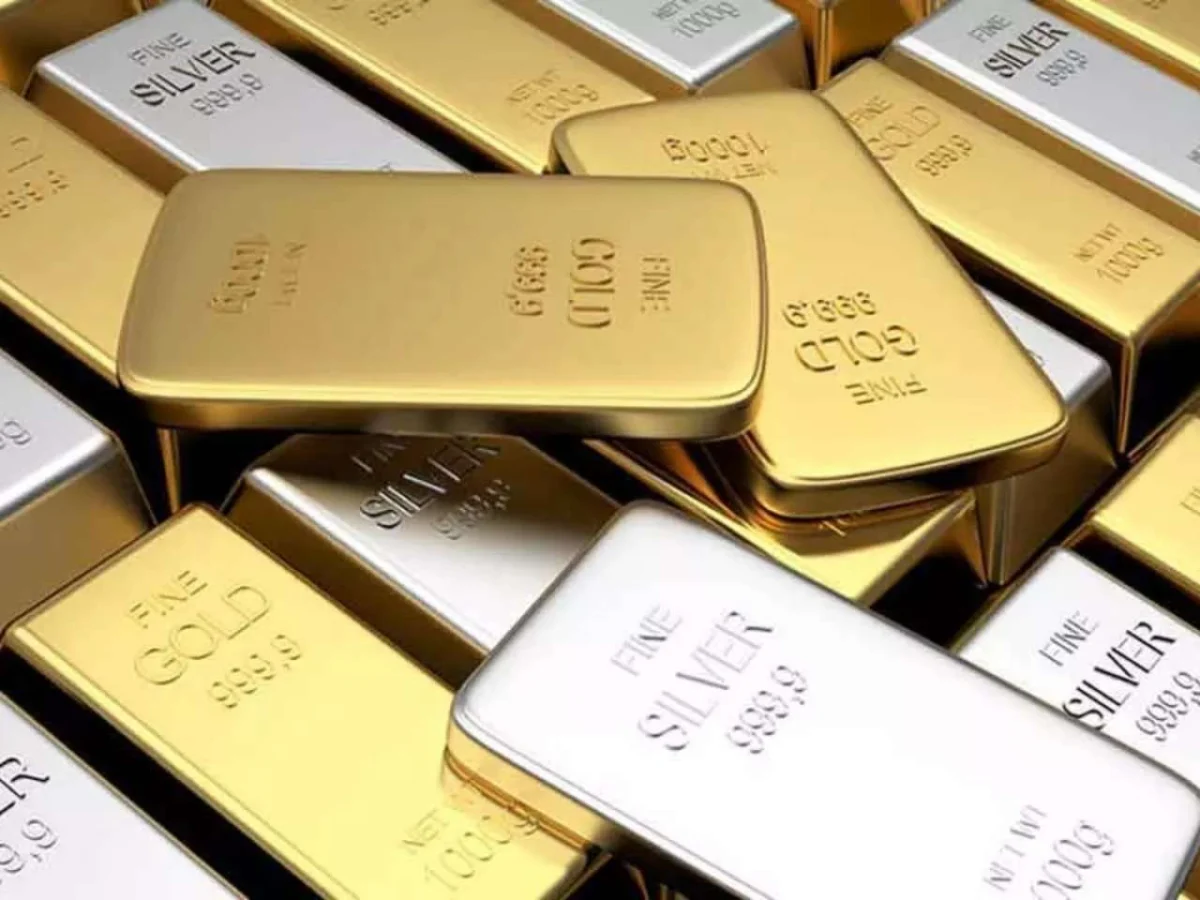
Navigating the Volatile World of Bullion: Main Facts on June 27, 2026
NEW DELHI, India – June 27, 2026 – India’s vibrant bullion market continues to reflect a complex interplay of international economic currents, domestic consumption patterns, and dynamic currency valuations. As of Friday, June 27, 2026, gold and silver prices across major Indian cities exhibited nuanced movements, largely influenced by a persistent global demand for safe-haven assets amidst inflationary pressures and fluctuating exchange rates.
The benchmark 24-carat gold (999 purity) was recorded at an average of Rs 14,276 per gram, showing a slight uptick driven by an underlying bullish sentiment in international markets. Similarly, 22-carat gold, the preferred choice for jewellery, stood at an average of Rs 13,390 per gram. Silver, often seen as a more volatile counterpart to gold due to its significant industrial applications, maintained its strong position, with 999 pure silver trading at approximately Rs 2,40,100 per kilogram. These figures underscore a market grappling with both immediate demand fluctuations and broader macroeconomic shifts.
The Indian subcontinent, a historical bastion of gold consumption, remains highly sensitive to global price discovery mechanisms. Local demand, particularly ahead of upcoming festive seasons and wedding expenditures, provides a crucial floor to prices, while the US Dollar-Indian Rupee exchange rate acts as a direct conduit for international price movements to translate into local currency terms. Today’s rates reflect a cautious optimism among investors, who are increasingly turning to precious metals as a hedge against the erosive effects of inflation and geopolitical uncertainties that have characterized the global economic landscape over the past year.
A Chronology of Resilience: Tracing Precious Metal Movements
The current price landscape for gold and silver on June 27, 2026, is not an isolated phenomenon but rather the culmination of several months of dynamic shifts in both international and domestic markets. The year 2026, thus far, has been marked by a series of economic developments that have steadily pushed precious metal prices upwards, albeit with intermittent periods of correction.
)
Early 2026: The Inflationary Catalyst
The beginning of 2026 saw central banks globally, including the Reserve Bank of India (RBI), grappling with persistent inflationary pressures that had carried over from the previous year. While some economies showed signs of cooling, core inflation metrics remained stubbornly high in many regions. This environment naturally bolstered gold’s appeal as a traditional inflation hedge. Investors, wary of the erosion of purchasing power in fiat currencies, began reallocating portions of their portfolios into gold. Silver, benefiting from its dual role as a precious metal and an industrial commodity, also saw increased interest, particularly as global manufacturing data showed signs of tentative recovery.
Q1 2026: Geopolitical Tensions and Safe-Haven Demand
The first quarter of 2026 was punctuated by renewed geopolitical tensions in Eastern Europe and parts of the Middle East. These events, even if localized, sent ripples of uncertainty across global financial markets. During such periods of heightened risk aversion, capital typically flows into safe-haven assets, with gold being a primary beneficiary. This sustained buying interest from institutional investors and sovereign wealth funds provided a strong impetus to international gold prices, which in turn reflected in higher domestic rates in India. Silver, while less directly impacted by geopolitical risks than gold, still saw a lift due to its correlation with the broader precious metals complex and general market sentiment.

Mid-2026: Currency Volatility and Domestic Impetus
As mid-2026 approached, the Indian Rupee experienced periods of volatility against the US Dollar, influenced by India’s trade deficit figures, foreign institutional investor (FII) flows, and global dollar strength. A weaker Rupee invariably makes imported gold and silver more expensive for Indian consumers, directly contributing to higher local prices. Simultaneously, domestic demand began to pick up in anticipation of the monsoon season’s impact on rural incomes and the gradual build-up to the festive calendar later in the year. The slight increase observed on June 27, 2026, can be attributed to this confluence of factors: a robust international market supported by inflation and geopolitical concerns, coupled with the domestic currency’s performance and nascent demand signals. The market has been exhibiting a pattern of consolidating gains after sharp rises, with minor corrections providing entry points for new investors, culminating in today’s slightly elevated figures.
Deeper Dive into the Market: Supporting Data and Driving Forces
The current valuations of gold and silver in India on June 27, 2026, are a snapshot influenced by a multifaceted array of economic, social, and political factors. Understanding these underlying drivers is crucial for both investors and everyday consumers.
)
Gold Prices on June 27, 2026: A Detailed Look
Today’s gold prices underscore its enduring appeal as a store of value. The national average for 24K gold (999 pure) is Rs 14,276 per gram, while 22K gold (91.67% pure, ideal for jewellery) stands at Rs 13,390 per gram. The slight increase from recent days reflects sustained global demand and persistent inflationary pressures worldwide.
Understanding Gold Purity: 24K vs. 22K
- 24K Gold (999 Purity): This represents 99.9% pure gold, making it the purest form available. It is typically used for investments in gold bars, coins, and highly specialized industrial applications. Its softness makes it less suitable for intricate jewellery that requires durability.
- 22K Gold (99.67% Purity): Comprising 91.67% pure gold and the remaining 8.33% being other metals like copper, silver, or zinc, 22K gold is much more durable. This alloy makes it perfect for crafting traditional and contemporary jewellery, allowing for intricate designs and better resistance to wear and tear. The price difference between 24K and 22K accounts for the purity and the alloying metals.
City-Wise Gold Rates on June 27, 2026 (per gram):
| City | 24K Gold (Rs) | 22K Gold (Rs) |
|---|---|---|
| Delhi | 14,296 | 13,106 |
| Mumbai | 14,276 | 13,086 |
| Kolkata | 14,276 | 13,086 |
| Chennai | 14,510 | 13,301 |
The variations in city-wise prices are primarily due to local taxes (such as state-specific levies or octroi), transportation costs, and regional demand-supply dynamics. Chennai, for instance, often commands a slightly higher premium due to its strong cultural affinity for gold and consistent demand, particularly from the southern states.
)
Silver Prices on June 27, 2026: The Industrial Bellwether
Silver, often referred to as "poor man’s gold," plays a crucial role in both investment portfolios and industrial sectors. As of today, the price of 999 pure silver is approximately Rs 2,40,100 per kilogram, which translates to Rs 2,401 per 10 grams. Sterling silver (925 purity) is priced at Rs 2,40,000 per kilogram.
Dual Demand for Silver: Investment and Industry
- Investment: Like gold, silver serves as a hedge against inflation and economic uncertainty. Its lower price point makes it more accessible to a broader range of investors, including those looking to diversify smaller portfolios.
- Industrial Demand: A significant portion of global silver demand comes from industrial applications. It is critical in electronics (conductors, switches), solar panels (photovoltaic cells), photography, medical instruments, and catalytic converters. This industrial reliance makes silver prices more susceptible to global economic health and technological advancements compared to gold. A robust global manufacturing sector typically translates to higher silver demand and prices.
City-Wise Silver Rates on June 27, 2026 (per 10 grams of 999 purity):
| City | Silver 999 (Rs) |
|---|---|
| Delhi | 2,401 |
| Mumbai | 2,401 |
| Kolkata | 2,401 |
| Chennai | 2,401 |
Unlike gold, silver prices tend to show less significant city-wise variation for 999 purity, often reflecting a more unified national pricing structure influenced predominantly by global spot rates and national supply chains.
)
Key Influencing Factors: A Comprehensive Analysis
The daily fluctuations in gold and silver prices are a response to a complex web of interconnected factors:
- Global Market Trends:
- US Federal Reserve Policy: Interest rate decisions by the Federal Reserve are paramount. Higher interest rates typically strengthen the US Dollar and increase the opportunity cost of holding non-yielding assets like gold, potentially putting downward pressure on prices. Conversely, dovish stances or rate cuts can boost gold’s appeal.
- Geopolitical Stability: Conflicts, trade wars, or political instability in any major region can trigger safe-haven buying, driving prices up.
- Global Economic Growth: Strong global growth can increase industrial demand for silver. However, if growth is accompanied by inflation, it can also support gold prices.
- Local Demand:
- Festive and Wedding Seasons: India’s cultural affinity for gold is deeply embedded in its traditions. Festivals like Diwali, Akshaya Tritiya, and the extensive wedding season are periods of peak demand, providing strong support to prices.
- Rural Demand: The monsoon’s performance significantly impacts agricultural income in rural India. A good monsoon often translates to higher disposable income, leading to increased gold and silver purchases in rural areas.
- Currency Fluctuations (INR vs. USD):
- Since gold and silver are largely imported into India and priced in US Dollars internationally, the exchange rate plays a critical role. A depreciation of the Indian Rupee against the US Dollar makes precious metals more expensive in local currency terms, even if international prices remain stable.
- Inflationary Pressures:
- Gold is widely regarded as a hedge against inflation. When inflation rises and the purchasing power of fiat currencies erodes, investors flock to gold to preserve wealth, driving its price upwards.
- Central Bank Gold Buying:
- Central banks worldwide have been consistently accumulating gold reserves in recent years, diversifying away from traditional reserve currencies. This institutional buying provides a significant, long-term demand floor for gold prices.
- Supply Dynamics:
- Mine production, recycling rates, and existing stockpiles also play a role, though these tend to have a slower, more structural impact on prices compared to demand-side factors.
The data from Good Returns underscores the transparency and accessibility of pricing information for Indian consumers and investors, enabling informed decision-making in a market that is both culturally significant and economically vital.
)
Expert Perspectives and Official Responses
The intricate dance of gold and silver prices consistently draws commentary from market experts, industry bodies, and occasionally, policymakers. Their insights provide a deeper understanding of current trends and future expectations.
Market Analysts’ Views: Cautious Optimism Amidst Volatility
Leading market analysts generally hold a view of cautious optimism for precious metals in the latter half of 2026. Dr. Ananya Sharma, a Senior Commodities Analyst at Apex Global Markets, commented, "The current slight increase in gold prices on June 27th aligns with our projections for continued safe-haven demand. While we might see intermittent corrections as central banks navigate interest rate decisions, the underlying macroeconomic landscape – characterized by persistent inflation, global economic uncertainties, and geopolitical flashpoints – provides a robust floor for gold."
)
Regarding silver, Ms. Rhea Kapoor, Head of Precious Metals Research at Bullion Insight India, noted, "Silver’s performance is particularly interesting. Its industrial demand component offers a unique resilience. With global supply chains gradually normalizing and a renewed focus on renewable energy technologies like solar panels, silver’s industrial uptake is set to increase. This, combined with its appeal as a relatively cheaper investment alternative to gold, suggests a strong outlook, though with higher volatility."
Analysts are closely watching key economic indicators such as global GDP growth forecasts, inflation reports from major economies, and the trajectory of the US Dollar index. A significant shift in any of these could prompt a re-evaluation of precious metal strategies. Many suggest that the current environment favors a ‘buy on dips’ strategy for long-term investors, viewing gold and silver as essential portfolio diversifiers.
)
Industry Body Statements: IBJA Highlights Domestic Demand
The Indian Bullion and Jewellers Association (IBJA), a prominent voice in the Indian bullion market, has consistently highlighted the crucial role of domestic demand. Mr. Rajesh Khosla, President of IBJA, stated in a recent press briefing, "Indian consumers remain the bedrock of our gold and silver market. Even with global price fluctuations, cultural events like weddings and upcoming festivals such as Raksha Bandhan and Ganesh Chaturthi will continue to drive substantial demand. We anticipate a healthy pickup in purchases in the coming months, especially as rural incomes stabilize post-monsoon."
IBJA also plays a critical role in advocating for policies that ensure a stable and transparent bullion market. They frequently engage with the government on issues related to import duties, Goods and Services Tax (GST) rates, and measures to curb smuggling, all of which indirectly influence local pricing and market sentiment.
)
Reserve Bank of India (RBI) and Government Stance
While the Reserve Bank of India (RBI) does not directly comment on daily price movements, its monetary policy decisions significantly impact the Indian Rupee’s exchange rate, which is a primary determinant of local gold and silver prices. The RBI’s continuous efforts to manage inflation and maintain financial stability indirectly influence the attractiveness of gold as an inflation hedge. Any measures taken to strengthen the Rupee could potentially ease the cost of imported bullion.
The Indian government, through its import policies and taxation, also plays a role. Changes in import duties on gold and silver can directly impact their landed cost, and thus, retail prices. There have been ongoing discussions within policy circles about balancing the need to curb non-essential imports (including gold, to manage the Current Account Deficit) with the socio-cultural importance of gold in India. As of June 27, 2026, no immediate policy changes impacting bullion duties have been announced, but market participants remain vigilant.
)
Implications and Future Outlook
The current trajectory of gold and silver prices carries significant implications for various stakeholders, from individual investors and consumers to the broader Indian economy. Understanding these implications is crucial for navigating the evolving market landscape.
Implications for Investors
For investors, the current environment positions gold and silver as compelling assets for portfolio diversification and wealth preservation.
)
- Hedge Against Inflation: With inflation remaining a global concern, precious metals offer a tangible asset that historically maintains its value better than fiat currencies during periods of rising prices.
- Safe-Haven Appeal: Ongoing geopolitical tensions and economic uncertainties underscore the safe-haven role of gold. In times of market turmoil, investors often flock to gold, making it a reliable store of value.
- Diversification Benefits: Including gold and silver in a portfolio can reduce overall risk and volatility, as their price movements often exhibit a low correlation with traditional assets like equities and bonds.
- Volatility in Silver: While silver offers significant upside potential due to its industrial demand, investors must be prepared for higher price volatility compared to gold. Its dual nature means it responds to both precious metal trends and industrial growth cycles.
Investors are advised to conduct thorough research, consider their risk tolerance, and potentially consult financial advisors before making significant investment decisions in precious metals. Long-term accumulation, rather than speculative short-term trading, is often recommended for these assets.
Implications for Consumers and Jewellery Market
Indian consumers, deeply connected to gold through culture and tradition, face the challenge of rising prices, particularly during peak buying seasons.
)
- Impact on Jewellery Purchases: Higher gold prices can lead to consumers adjusting their purchasing patterns, perhaps opting for lighter jewellery, making fewer purchases, or exploring alternative metals. The significant price difference between 24K and 22K gold, along with varying making charges, becomes a crucial consideration.
- Purity Awareness: Consumers are increasingly becoming more aware of gold purity (hallmarking) and the factors influencing prices. This heightened awareness helps them make informed decisions and ensures fair pricing.
- Silver as an Alternative: In regions where silver ornaments are prevalent, or for budget-conscious buyers, silver continues to be a popular and more affordable alternative for jewellery and gifts.
The jewellery industry, a significant employer in India, must adapt to these price dynamics by offering diverse designs, competitive making charges, and transparent pricing to maintain consumer interest.
Broader Economic Implications for India
The movements in gold and silver prices have broader implications for the Indian economy:
)
- Current Account Deficit (CAD): India is a major importer of gold and silver. High international prices and strong domestic demand can lead to increased import bills, potentially widening the Current Account Deficit and putting pressure on the Indian Rupee.
- Household Savings: Gold has historically been a significant component of household savings in India. Rising prices can increase the nominal value of these holdings, contributing to household wealth, though this often remains "unmonetized."
- Inflation Perception: For many Indians, gold prices are a tangible indicator of inflation. Sustained high prices can fuel public perception of rising costs of living.
Long-Term Outlook: A Future of Continued Value
Looking beyond June 27, 2026, the long-term outlook for gold and silver remains robust. Several factors are expected to continue supporting their prices:
- Persistent Inflationary Pressures: Global economies are likely to grapple with inflation for some time, sustaining gold’s role as a hedge.
- Central Bank Policies: The trajectory of global interest rates will remain a key determinant. Any dovish shifts or signs of quantitative easing could be highly bullish for precious metals.
- Geopolitical Landscape: An inherently unstable geopolitical environment will continue to drive safe-haven demand.
- Industrial Growth and Green Technologies: The global push towards green energy and technological advancements (e.g., 5G, AI) will likely bolster industrial demand for silver, providing a strong growth driver.
- Indian Domestic Demand: The deep-rooted cultural significance and traditional demand from India will continue to provide a stable base for consumption, especially as the economy grows and disposable incomes rise.
In conclusion, the Indian precious metals market on June 27, 2026, reflects a dynamic equilibrium shaped by global economic forces and deeply ingrained domestic traditions. While daily fluctuations are inevitable, the strategic importance of gold and silver as both investment avenues and cultural symbols ensures their continued prominence in India’s financial and social fabric. Investors and consumers alike must remain vigilant, leveraging available information and expert insights to navigate this ever-evolving market effectively.
