

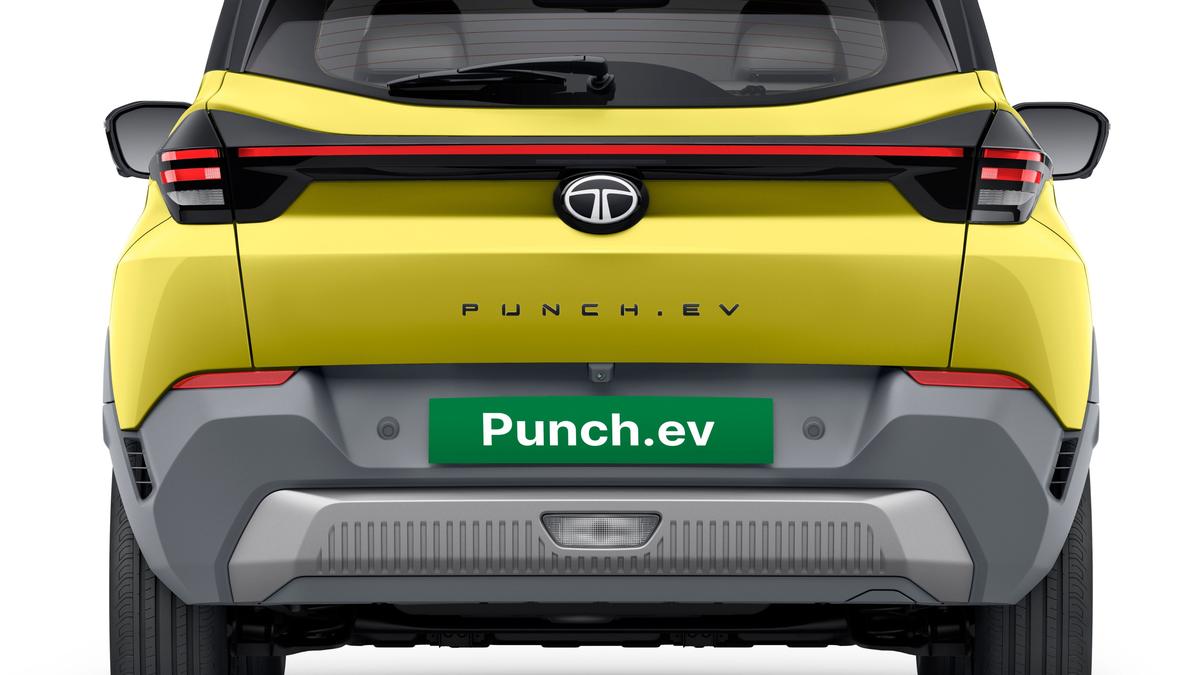
The Indian automotive landscape is currently undergoing a seismic shift, transitioning from internal combustion engines (ICE) to electric propulsion at a pace that has surprised even the most optimistic industry analysts. At the forefront of this revolution is Tata Motors, a company that has strategically captured over 70% of the domestic electric vehicle (EV) market. Their latest offering, the Tata Punch.ev, is not merely another addition to their portfolio; it represents a calculated effort to bridge the gap between entry-level affordability and premium capability.
With a quiet confidence, the Punch.ev eschews the flashy gimmicks often associated with modern EVs, focusing instead on delivering a seamless, practical experience for the everyday commuter. Built on the brand-new, dedicated acti.ev platform, this vehicle signals Tata’s evolution from "electrifying" existing models to engineering ground-up electric solutions.
1. Main Facts: The Architecture of a Modern Micro-SUV
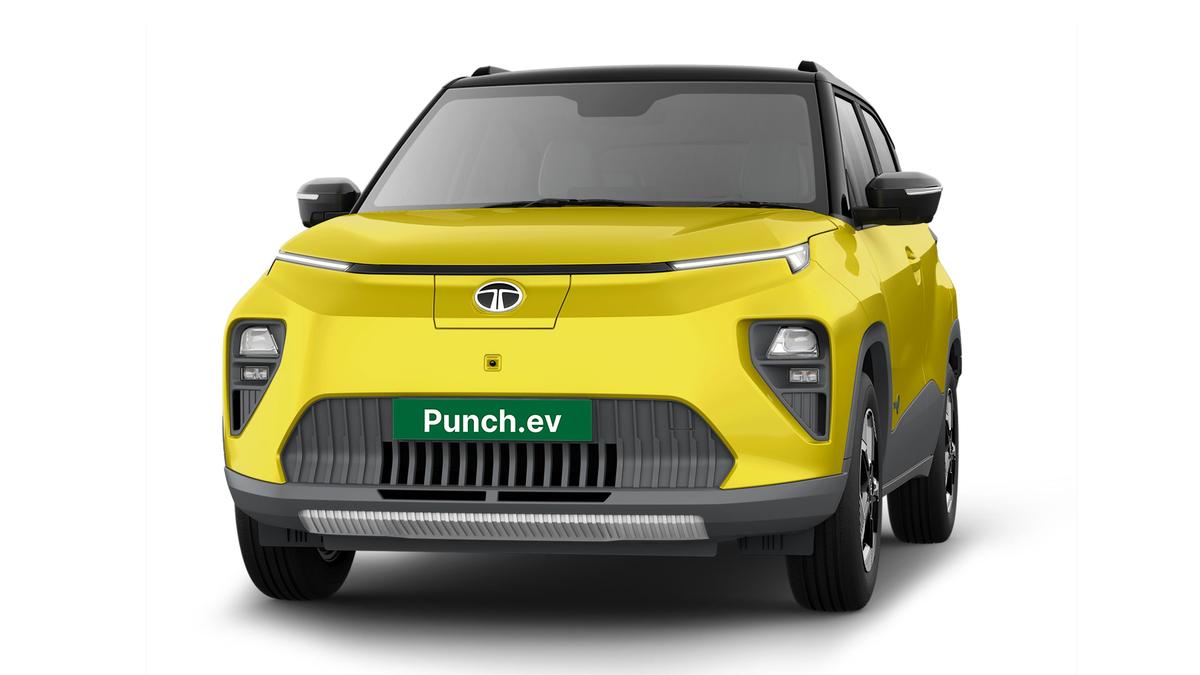
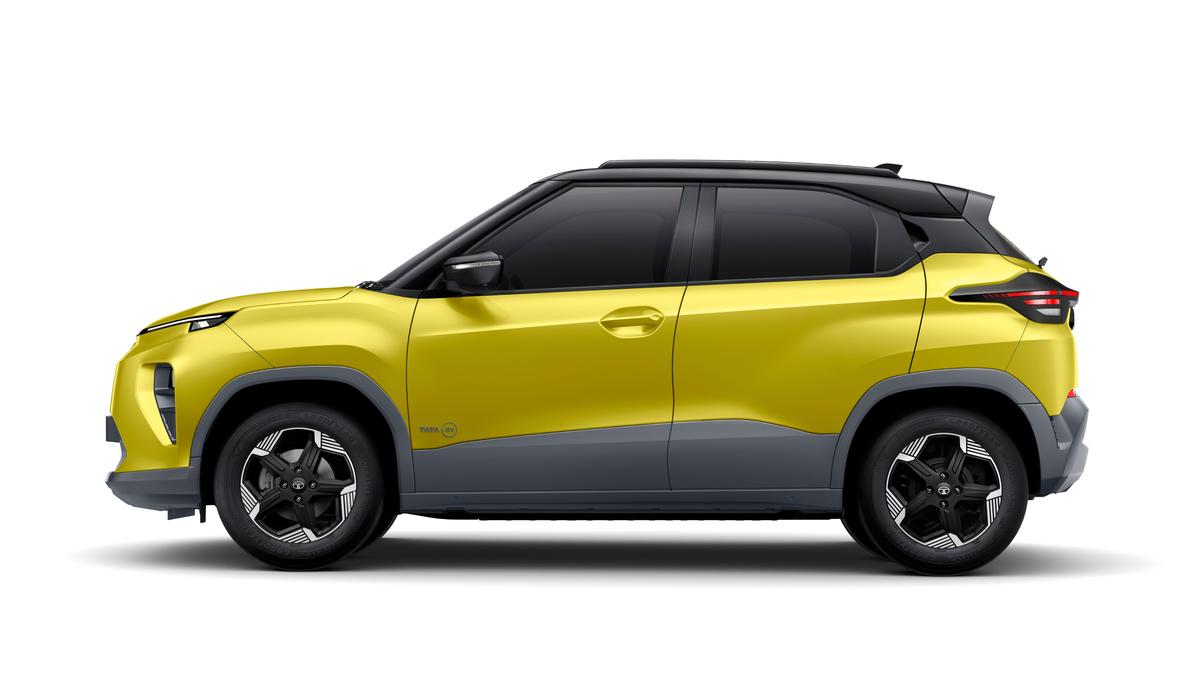
The Tata Punch.ev is positioned as a versatile urban companion, sitting strategically between the Tiago.ev hatchback and the best-selling Nexon.ev. It arrives with a price bracket of ₹9.69 lakh to ₹12.59 lakh (ex-showroom), making it one of the most accessible "true" SUVs in the electric segment.
Key Specifications at a Glance:
- Platform: acti.ev (Advanced Connected Tech-Intelligent Electric Vehicle).
- Battery Options: 25 kWh (Standard Range) and 35 kWh / 40 kWh (Long Range variants).
- Performance: Up to 130 PS (approx. 90 kW) and 154 Nm of torque in the Long Range version.
- Range: ARAI-certified figures are ambitious, but real-world expectations settle between 300 km and 350 km for the larger pack.
- Ground Clearance: A robust 195 mm, maintaining the "SUV" DNA of the original Punch.
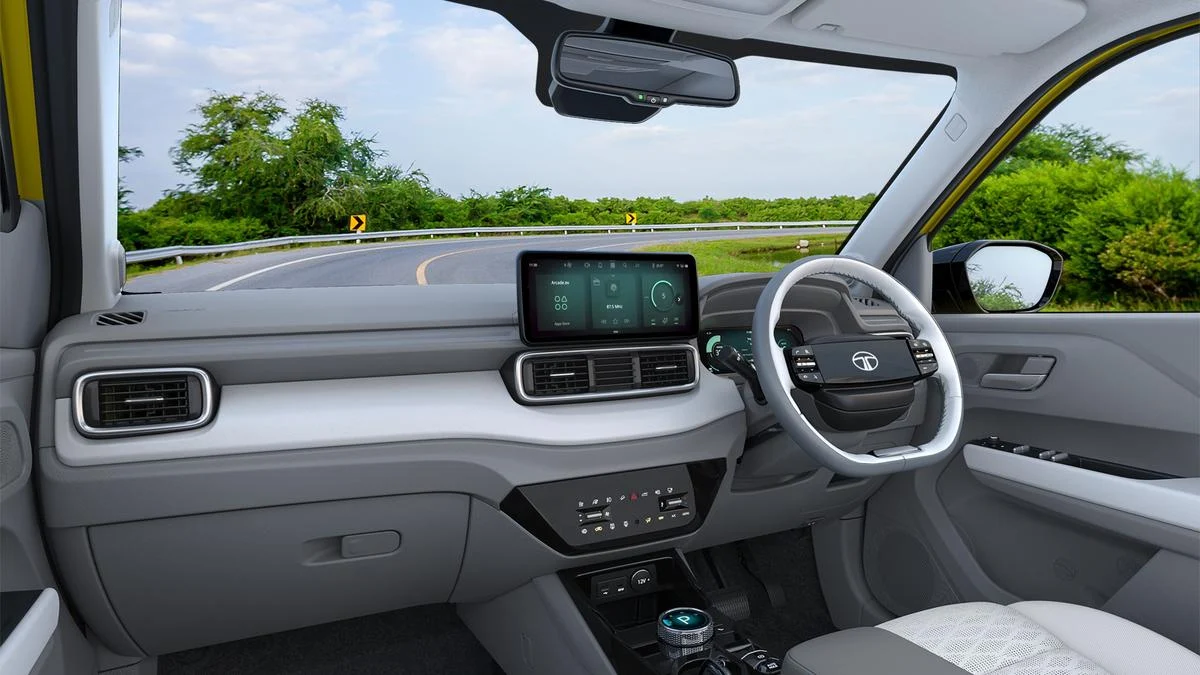
- Technology: Dual 10.25-inch screens, 360-degree camera system, and ventilated front seats.
The vehicle is more than just a battery swapped into a frame. It introduces a dedicated frunk (front trunk), a flat rear floor for improved passenger comfort, and a structural integrity that has become a hallmark of Tata’s recent safety-first approach.
2. Chronology: From ICE Adaptation to Dedicated EV Architecture
The journey of the Punch.ev is a reflection of Tata Motors’ rapid learning curve in the EV space. To understand its significance, one must look at the timeline of Tata’s electric evolution.
The Gen 1 Era: The Conversion Phase
Tata’s EV journey began in earnest with the Nexon EV and Tigor EV. These were "Gen 1" vehicles—essentially internal combustion engine platforms modified to house battery packs and motors. While successful, they faced limitations in terms of floor height, interior packaging, and weight distribution.
The Transition: The Tiago.ev Success
The launch of the Tiago.ev proved there was a massive appetite for affordable EVs in India. It democratized electric mobility but remained a city-centric hatchback.
The Gen 2 Milestone: The Birth of acti.ev
The Tata Punch.ev marks the debut of the acti.ev platform. Unlike its predecessors, this architecture was designed specifically for electric powertrains. Chronologically, this represents a major pivot for the manufacturer. By moving to a dedicated EV platform, Tata was able to:
- Optimize the floor for a "skateboard" style battery layout.
- Enhance cabin space by removing the transmission tunnel.
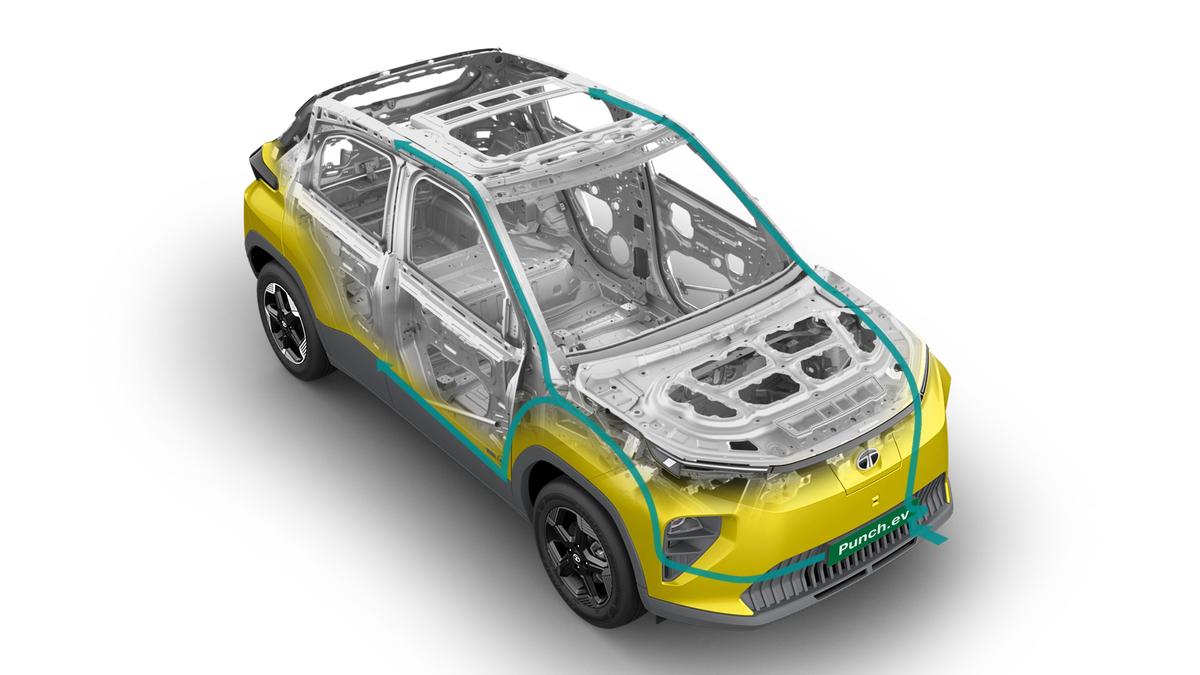
- Improve safety by designing the chassis to protect the battery cells during side impacts.
- Increase charging speeds and efficiency through better thermal management.
The Punch.ev, launched in early 2024, stands as the first manifestation of this new era, setting the stage for future models like the Curvv.ev and the Harrier.ev.
3. Supporting Data: Performance, Range, and Charging Dynamics
In the world of electric vehicles, data is the primary driver of consumer confidence. The Punch.ev delivers performance that is tuned specifically for the "stop-go" nature of Indian urban centers.
Real-World Performance Metrics
While the 0-100 km/h sprint is a popular marketing metric, Tata has focused on the 0-60 km/h range. In city traffic, the 154 Nm of torque is available instantaneously. The throttle calibration is notably progressive; unlike some budget EVs that "lurch" forward, the Punch.ev offers a linear acceleration that feels familiar to those transitioning from petrol vehicles.
The Range Reality
The Automotive Research Association of India (ARAI) provides laboratory-tested range figures that often exceed 400 km for the Long Range variant. However, data from extensive road testing suggests:
- Urban Commuting: 320–350 km (with regenerative braking set to higher levels).
- Highway Driving (80-90 km/h): 250–280 km.
- Heavy AC Usage: The high-efficiency heat pump and cooling system ensure that even in 40°C temperatures, the range penalty is kept under 10-12%.
Charging Infrastructure Compatibility
Supporting data on charging shows that the Punch.ev is "future-proofed" for the growing DC fast-charger network in India.
- 50 kW – 65 kW DC Fast Charging: Can juice the battery from 10% to 80% in approximately 56 minutes.
- The "15-Minute" Rule: A quick 15-minute charge at a high-speed station adds roughly 130 km of range—enough for two days of average city commuting.
- Home Charging: A 7.2 kW AC wall box charger (available as an add-on) can fully charge the Long Range battery in about 5 hours.
4. Official Responses and Strategic Market Positioning
Tata Motors’ leadership has been vocal about the Punch.ev’s role in their "EV for all" mission. Shailesh Chandra, Managing Director of Tata Motors Passenger Vehicles and Tata Passenger Electric Mobility, has frequently emphasized that the Punch.ev is designed to eliminate "friction points" for first-time EV buyers.
Bridging the Portfolio Gap
The official strategy for the Punch.ev was to fill the "missing middle." Before its release, there was a significant price and size gap between the Tiago.ev (approx. ₹8–11 lakh) and the Nexon.ev (approx. ₹14–19 lakh). The Punch.ev occupies the ₹10–13 lakh sweet spot, which is where the bulk of Indian compact SUV sales occur.
Focus on Safety and Build Quality
Tata has officially integrated high-strength steel and reinforced side structures into the acti.ev platform. The Punch.ev comes standard with six airbags, electronic stability control (ESC), and an electronic parking brake with auto-hold. By including these features, Tata is responding to the growing consumer demand for safety, which has become a primary purchasing factor in the Indian market.
Addressing Material Concerns
While the interior has been praised for its 10.25-inch high-definition screens and wireless connectivity (Android Auto/Apple CarPlay), some critics have pointed to the use of hard plastics on the door cards. Tata’s unofficial response via product updates has been a focus on "fit and finish" over "material softness," prioritizing durability in the harsh, dusty Indian environment over the soft-touch surfaces found in more expensive European competitors.
5. Implications: The Future of the Indian EV Ecosystem
The success of the Tata Punch.ev has wide-reaching implications for the automotive industry, the environment, and the national economy.
For the Consumer: The "Second Car" No More
Historically, EVs in India were viewed as secondary household vehicles for short grocery runs. The Punch.ev, with its 300+ km real-world range and SUV stance, is challenging this notion. It is increasingly being purchased as the primary vehicle for small families, implying a growing trust in electric technology.
For the Competition: A New Benchmark
The Punch.ev puts immense pressure on rivals like MG Motor (with the Comet and Windsor) and Citroën (with the eC3). By offering a high-ground-clearance vehicle with a sophisticated tech stack and a dedicated EV platform, Tata has set a benchmark that forces competitors to either lower their prices or significantly upgrade their technology.
For Infrastructure: Demand for DC Fast Charging
As more Punch.ev units hit the road, the demand for highway charging will spike. Unlike the Tiago.ev, which is mostly charged at home, Punch.ev owners are more likely to attempt inter-city travel. This will accelerate the installation of chargers along major corridors like the Mumbai-Pune Expressway, the Delhi-Jaipur highway, and the Bangalore-Chennai route.
Environmental Impact
If the Punch.ev continues its current sales trajectory, it could displace thousands of tons of CO2 emissions annually. Given that the "Micro-SUV" segment is the fastest-growing category in India, electrifying this specific niche is critical for the country’s goal of reaching 30% EV penetration by 2030.
Conclusion: A Well-Judged Evolution
The Tata Punch.ev does not attempt to reinvent the wheel; instead, it refines it. It is a car that understands its audience—drivers who want the ruggedness of an SUV, the tech of a premium sedan, and the low running costs of an electric motor.
While there is still room for improvement—specifically in the tactile quality of some interior plastics and the consistency of the software UI—the overall package is remarkably cohesive. By leveraging the new acti.ev platform, Tata has delivered a vehicle that feels mature, stable, and, most importantly, usable. At its current price point, the Punch.ev is not just a smart choice for the environmentally conscious; it is a pragmatic choice for the modern Indian family.
Price: ₹9.69 lakh to ₹12.59 lakh (ex-showroom)
Analysis provided in association with Motorscribes and The Hindu. For more automotive updates, follow @motorscribes on Instagram.
