

Main Facts: A Literary Movement in the Urban Jungle
In an era dominated by the rapid-fire consumption of short-form digital content, a counter-cultural movement is taking root in the bustling metropolis of Chennai. Residents are increasingly turning away from their screens and toward the tactile comfort of physical books, not in the isolation of their homes, but in the company of strangers. This phenomenon, characterized by the rise of organized reading groups, is transforming public spaces—from verdant parks to aromatic cafes—into sanctuaries of "slow living."
The movement is driven by three primary organizations: Tower Reads, which focuses on early-morning discipline and nature; the Book Club of Chennai, which emphasizes curated literary discussion; and The Quiet Chapter, which champions the concept of "shared silence" within the city’s burgeoning cafe culture. These groups are not merely about literacy; they are a response to a modern "reading slump" caused by dwindling attention spans and the overwhelming "TBR" (To Be Read) piles that haunt the shelves of urban professionals.
By removing the solitary nature of reading and replacing it with communal accountability, these groups are helping Chennai’s residents rediscover the joy of deep focus. Whether it is a 6:00 AM gathering under the shadow of a historic tower or a mid-morning session over artisan coffee, the goal remains the same: to reclaim time from the digital void and foster a community built on shared intellectual curiosity.
Chronology: From Dawn Patrols to Cafe Sanctuary
The journey into Chennai’s reading subculture often begins with a personal crisis of focus. For many, the "reading slump" is a byproduct of the summer heat and the endless distractions of modern life. The transition from a passive reader to an active community member typically follows a path of increasing engagement with the city’s diverse literary offerings.
The 6:00 AM Awakening: Tower Reads
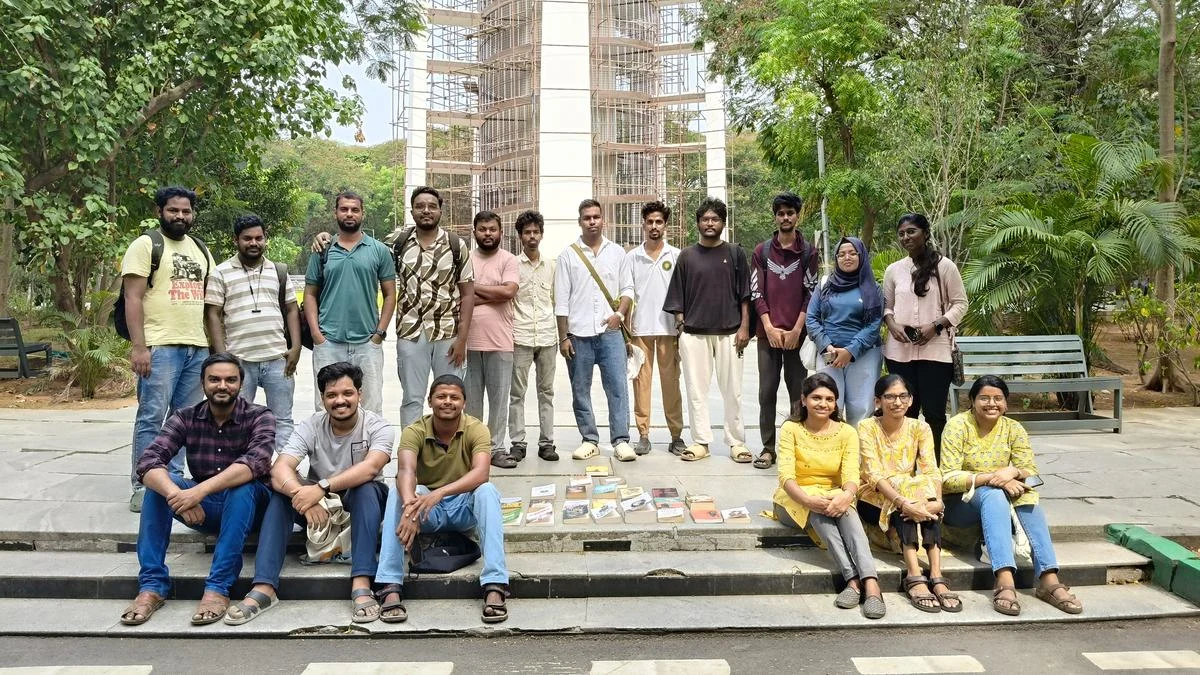
The chronological start of the week for the city’s bibliophiles begins on Saturday morning at the Anna Nagar Tower Park. While most of the city is still asleep, members of Tower Reads gather under the iconic tower. For nearly three years, this group has maintained a rigorous schedule, meeting from 6:00 AM to 9:00 AM.

The experience is one of sensory immersion. As the sun rises, readers blink away sleep to find themselves surrounded by others doing the same. There is no forced interaction; participants bring their own books—ranging from classic Russian literature like Crime and Punishment to contemporary thrillers—and simply read. The session concludes as the Chennai heat becomes "unrelentingly hot," forcing a retreat from the park, but leaving the reader with a sense of accomplishment that a solitary morning rarely provides.
The Monthly Deep Dive: Book Club of Chennai
As the month progresses, the focus shifts from the act of reading to the act of analysis. The Book Club of Chennai operates on a different tempo. Rather than weekly silent sessions, this group utilizes a democratic voting system to select two books per month.
For example, a recent selection included Martyr! by Kaveh Akhbar and the critically acclaimed Babel by R.F. Kuang. This structure provides a roadmap for readers who struggle with "decision paralysis"—the inability to choose a book from an overflowing shelf. Throughout the month, members read independently, often utilizing their daily commute on the Chennai Metro to steal 20-minute windows of progress. The culmination of this cycle is a monthly meeting in a local cafe where the solitary act of reading is transformed into an "intense discussion," allowing readers to process the emotional and intellectual weight of the text with peers.
The Sunday Sanctuary: The Quiet Chapter
The weekly cycle concludes on Sunday mornings with The Quiet Chapter. Founded to provide a more relaxed alternative to the crack-of-dawn park sessions, this group partners with local businesses like Bask by Coffee. Between 8:00 AM and 11:00 AM, branches in Kasturi Rangan Road and the East Coast Road (ECR) transform into "book-lover havens." This represents the final stage of the reader’s journey: the integration of reading into a lifestyle of leisure and self-care, where the "pressure" to perform is replaced by the simple pleasure of a shared silence.
Supporting Data: The Psychology of Community Reading
The rise of these groups in Chennai mirrors a global trend known as the "Silent Book Club" movement, which started in San Francisco in 2012 and has since spread to over 50 countries. Several data points and psychological factors explain why this trend is currently peaking in Indian metros:

- The "Third Place" Concept: Sociologist Ray Oldenburg coined the term "Third Place" to describe social surroundings separate from the two usual social environments of home ("first place") and the office ("second place"). With the rise of remote work in Chennai’s IT sectors, the "Third Place" has vanished for many. Reading groups at parks and cafes fill this void, providing low-stakes social interaction.
- Combating Digital Fatigue: According to recent neurological studies, "deep reading"—the kind required for novels—is a distinct cognitive process from the "skimming" practiced on social media. Community reading groups provide the "social scaffolding" necessary to rebuild the neural pathways required for long-form concentration.
- The Accountability Factor: Much like a gym membership, the presence of others engaged in the same activity acts as a powerful motivator. The "body doubling" effect—a productivity strategy where one works alongside another person to improve focus—is a core component of why silent reading groups are effective for those in a "slump."
- Urban Loneliness: Despite being a city of over 11 million people, urban isolation is a growing concern. These groups require no registration and no fees, lowering the barrier to entry for individuals looking for community without the commitment of traditional social clubs.
Official Responses: Voices of the Organizers
The success of these groups lies in the distinct philosophies of their founders, who view their roles as curators of space rather than just organizers of events.
Krishna Kumar, Founder of Tower Reads:
Kumar emphasizes the connection between literature and the environment. "There weren’t many reading groups around when we started, and none that would meet on Saturday," he notes. For Kumar, the timing and location are intentional. "This is somewhere people can be in Nature, slow down, and find time for themselves." His vision is one of discipline—using the early hours to claim a piece of the day before the chaos of city life takes over.
Deepanshi Sharma, Founder of the Book Club of Chennai:
Sharma focuses on the intellectual hunger of the city. While acknowledging the value of digital spaces, she advocates for physical presence. "There are a lot of digital clubs or reading groups, but I wanted to have a community where people read and discuss the same book," she says. Sharma highlights the intensity of the human connection that arises from shared narratives: "Every month, the discussion gets quite intense."
Rajani Sashikanth, Founder of The Quiet Chapter:
Sashikanth’s approach is centered on accessibility and the therapeutic nature of silence. She is often seen visiting tables at Bask, chatting briefly with readers to make them feel welcome. "You have to just walk in with a book, order your coffee or your breakfast and find your spot," she explains. Her mission is to de-stigmatize the "habit" of reading, making it as natural as breathing. "It’s for people to get back into the habit of reading and to remember what shared silence feels like. No pressure, just come and read with us."
Implications: The Future of Chennai’s Literary Landscape
The proliferation of these reading groups has broader implications for Chennai’s urban development and cultural identity.

Impact on Local Businesses
The partnership between groups like The Quiet Chapter and cafes like Bask suggests a new business model for the hospitality industry. By hosting reading groups during typically slower morning hours, cafes are rebranding themselves as community hubs rather than just quick-service eateries. This symbiotic relationship helps sustain local businesses while providing readers with a high-quality environment.
Revitalization of Public Spaces
Tower Reads’ use of Anna Nagar Tower Park highlights the importance of maintaining and utilizing urban green spaces. When citizens use parks for intellectual pursuits, it fosters a sense of ownership and safety, encouraging municipal bodies to invest more in the upkeep of these "urban lungs."
Mental Health and Mindfulness
As Chennai continues to grow as a tech and industrial powerhouse, the stress levels of its workforce are a mounting concern. These reading groups offer a form of "meditation with words." The shift from "extractive" leisure (scrolling for dopamine) to "generative" leisure (reading for insight) could have long-term benefits for the mental well-being of the city’s youth.
A New Chapter for the Publishing Industry
By encouraging members to tackle "daunting" classics and contemporary masterpieces alike, these groups are keeping the demand for physical books alive. The "sign" to read a book like Martyr! often comes from the collective endorsement of the group, proving that word-of-mouth in a physical setting remains a powerful force in the literary world.
In conclusion, Chennai’s reading communities are more than just a hobby for the elite; they are a vital organ in the city’s cultural body. They offer a path back to focus, a remedy for loneliness, and a reminder that in the middle of a noisy, sweating, fast-moving city, there is always room for a quiet chapter.

How to Join:
- The Quiet Chapter: Follow on Instagram @the.quiet.chapter. Meets Sundays at Bask (Kasturi Rangan Road and ECR).
- Book Club of Chennai: Follow on Instagram @bookclubofchennai for monthly book votes and meeting locations.
- Tower Reads: Follow on Instagram @towerreads. Meets Saturdays, 6:00 AM – 9:00 AM at Anna Nagar Tower Park.
- Note: No prior registration is required for these groups; they operate on an open-door policy.
