

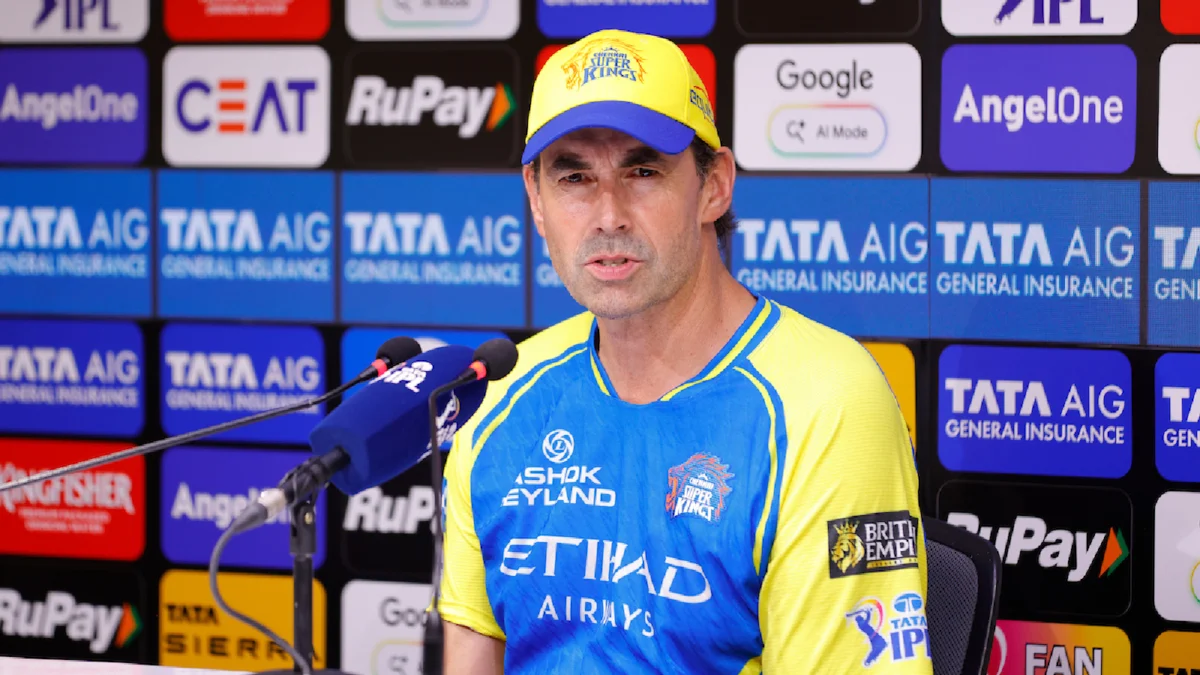
CHENNAI, INDIA – [Date, e.g., July 13, 2026] – In a seismic shift that reverberates through the world of franchise cricket, Stephen Fleming, the revered head coach of the Chennai Super Kings (CSK), has stepped down from his position after an illustrious 18-year association with the franchise. The decision, understood to be mutual, follows a comprehensive review of the team’s performance across multiple leagues, particularly after CSK’s failure to qualify for the IPL Playoffs for a third consecutive season, culminating in a bottom-place finish in 2025.
Fleming’s departure marks the end of an unparalleled coaching tenure in the Indian Premier League (IPL), during which he guided CSK to an astounding five IPL titles and two Champions League T20 trophies, cementing their status as one of the most successful and consistent teams in T20 history. However, a recent downturn in fortunes, especially since MS Dhoni relinquished captaincy to Ruturaj Gaikwad after the 2023 season, necessitated a strategic re-evaluation by the management. The performance of CSK’s sister franchise, Texas Super Kings, finishing at the bottom of Major League Cricket (MLC), further underscored the need for a fresh direction.
"We had an honest discussion and where we evaluated the season, and we decided to part ways mutually," CSK MD Kasi Viswanathan confirmed to The Indian Express, acknowledging the gravity of the decision. While the search for a successor is yet to formally begin, the franchise has indicated an openness to both Indian and overseas candidates, with former CSK player Hemang Badani’s name emerging in early speculation.
The future role of MS Dhoni, the iconic figure synonymous with CSK’s golden era, is also under intense scrutiny. While his playing future remains unclear, he is expected to play a pivotal role in the forthcoming strategic decisions, including the crucial process of selecting the new head coach.
A Legacy Forged in Yellow: The Fleming Era
Stephen Fleming’s journey with the Chennai Super Kings began not just as a coach, but as an integral part of their fabric. He joined the franchise as a player in the inaugural IPL season of 2008, showcasing his astute cricketing brain even then. His transition to head coach in 2009, taking over from Kepler Wessels, marked the beginning of what would become the most dominant and enduring coaching partnership in IPL history.
The Golden Age of Consistency (2009-2022):
Under Fleming’s tactical guidance and MS Dhoni’s peerless captaincy, CSK cultivated an identity built on consistency, strategic brilliance, and an uncanny ability to perform under pressure. This era, often dubbed the ‘Dad’s Army’ for its reliance on experienced players, saw the Super Kings become a formidable force. Their initial success in 2010, clinching their first IPL title, set the tone for a decade of unparalleled dominance. This was quickly followed by another IPL triumph in 2011, making them the first team to successfully defend their title. Interspersed with these domestic glories were two Champions League T20 titles in 2010 and 2014, solidifying their reputation on the global T20 stage.
Fleming’s coaching philosophy was characterized by a calm demeanor, strong man-management skills, and a deep understanding of T20 dynamics. He fostered a stable environment where players felt secure and could perform to their potential. Even during the two-year hiatus (2016-2017) due to a ban, Fleming remained intrinsically linked to the franchise’s ethos, and upon their emotional return in 2018, he, along with Dhoni, engineered a fairytale comeback, clinching the IPL title once more. Further titles in 2021 and 2023 cemented his status as the most decorated coach in the league’s history, a testament to his unwavering commitment and strategic acumen.
The Unwavering Support and The Brewing Disquiet:
Throughout this remarkable run, Fleming enjoyed unwavering support from the franchise management and a fiercely loyal fan base. His quiet, analytical approach complemented Dhoni’s intuitive leadership, creating a potent combination that often seemed invincible. However, even the strongest foundations can be tested, and the seeds of change began to sprout in recent years.
The Recent Decline and The Catalyst for Change
The shift in CSK’s fortunes became noticeably pronounced after the 2023 IPL season, a pivotal moment when MS Dhoni, the architect of their many triumphs, stepped down as captain, passing the baton to the promising Ruturaj Gaikwad. While Fleming’s role in the set-up gained more prominence in the absence of Dhoni’s on-field leadership, the team’s performance began to falter.
Three Seasons of Missed Playoffs:
The article highlights that in each of the three seasons that followed Dhoni’s captaincy transition, CSK failed to make the playoffs. This unprecedented streak of underperformance for a team known for its consistent qualification was a stark indicator of deeper issues. The nadir arrived in 2025, when the team finished at the absolute bottom of the IPL table – a position unthinkable for a franchise of CSK’s stature.
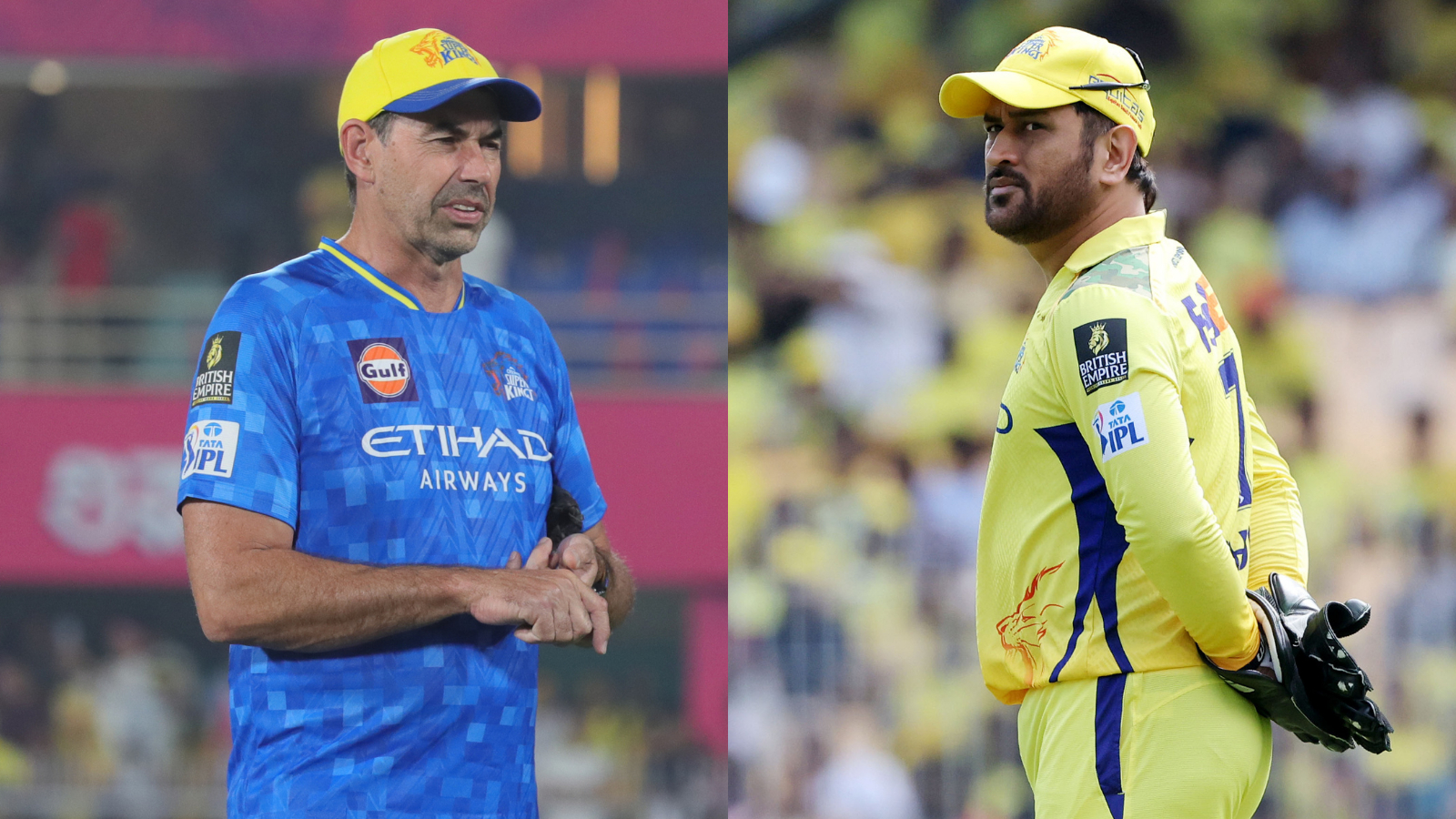
This sustained period of underperformance in their primary league naturally triggered a review. However, the scope of this evaluation extended beyond the IPL. CSK’s sister franchise, the Texas Super Kings, participating in Major League Cricket (MLC), also struggled significantly, finishing at the bottom of their league. While the article doesn’t explicitly detail their SA20 performance, it mentions the "franchise’s performance dwindling across leagues (IPL, MLC and SA20)," indicating a systemic issue across the Super Kings’ global cricketing ventures. This multi-league review ultimately led the management to the difficult conclusion that a "new direction" was imperative.
Strategic Missteps and Fan Frustration
A significant portion of the recent struggles can be attributed to perceived missteps in the team’s auction strategy, a domain where CSK had traditionally excelled.
The Auction Strategy Conundrum:
For years, CSK built its formidable squads on a foundation of experienced players, meticulously scouting and retaining veterans who understood the pressures of T20 cricket and the specific demands of playing for Chennai. This ‘Dad’s Army’ philosophy, while occasionally mocked by rivals, consistently delivered results, fostering a cohesive unit that peaked at crucial moments.
However, in recent mega auctions, there was a noticeable deviation from this tried-and-tested approach. The franchise appeared to take a "slightly different route," opting for younger, less proven talent in an attempt, perhaps, to future-proof the squad or to adapt to evolving league dynamics. This strategic shift, however, did not yield the desired results. The article states that the team was "found out of their depth," struggling to replicate the consistency and resilience that had become their hallmark.
The problems persisted. Ahead of the last season (presumably 2026, given the image dates), in the mini-auction, the team again went for "new young players." This second attempt at a youth-centric approach also proved to be "below-par," further highlighting a disconnect between the chosen strategy and the on-field outcomes. The once-impenetrable auction table, where CSK scouts and management were legendary for their shrewd dealings, seemed to be losing its Midas touch.
Notable Omissions and Player Discontent (Hypothetical):
Beyond the broad strategy, specific player decisions also raised eyebrows. The article points to "a few notable omissions," specifically mentioning the decision to let go of Matheesha Pathirana. This is significant because Pathirana was a player in whom the franchise had "invested plenty in" and, crucially, one who "enjoyed Dhoni’s backing." Such a move, especially regarding a promising talent nurtured by the team’s spiritual leader, would undoubtedly fuel fan speculation and internal disquiet, suggesting a possible divergence in strategic vision or a perceived misjudgment of talent. The implications of letting go of a player with Dhoni’s endorsement could run deep within the team’s morale and future recruitment efforts.
Fan Disquiet and Social Media Scrutiny:
While Stephen Fleming had always enjoyed unwavering support, the recent string of poor performances and questionable strategic decisions began to erode fan confidence. The article notes "plenty of disquiet among the fans" in the recently concluded season. Social media platforms would have been abuzz with discussions, criticisms, and calls for change. For a franchise that prides itself on its strong connection with its fan base, this growing discontent would have added significant pressure on the management, making the decision to part ways with a legend, however difficult, a necessary step to address public sentiment and inject new hope.
Official Responses and The Road Ahead
The official statements from the CSK management underscore the weight of this decision and provide initial glimpses into the franchise’s future direction.
Kasi Viswanathan’s Candid Assessment:
CSK MD Kasi Viswanathan’s statement about an "honest discussion" and a "mutual parting of ways" reflects the professionalism with which such a high-profile transition is being handled. It suggests that the decision was not unilateral but rather a carefully considered outcome of a thorough performance review. His further clarification that the "franchise hasn’t started the process yet" for a successor, and that they are "open to candidates from home and overseas," indicates a deliberate approach, emphasizing that a rushed decision will not be made. This transparency aims to reassure fans that the search will be comprehensive and focused on finding the right fit for CSK’s long-term vision.
Owner’s Gratitude: Rupa Gurunath’s Tribute:
CSK owner Rupa Gurunath’s statement carries significant emotional weight. "On behalf of everyone at the Super Kings franchise, we extend our deepest gratitude for his unwavering commitment, passion, and leadership. While our journey together on the field comes to a close, he will always remain an integral part of the team’s legacy," she stated. This heartfelt acknowledgment underscores Fleming’s immense contribution and ensures that despite the parting, his legendary status within the franchise remains intact. Such an official tribute is crucial in managing public perception and honoring a figure who has been central to the team’s identity for nearly two decades.
Management’s Internal Deliberations:
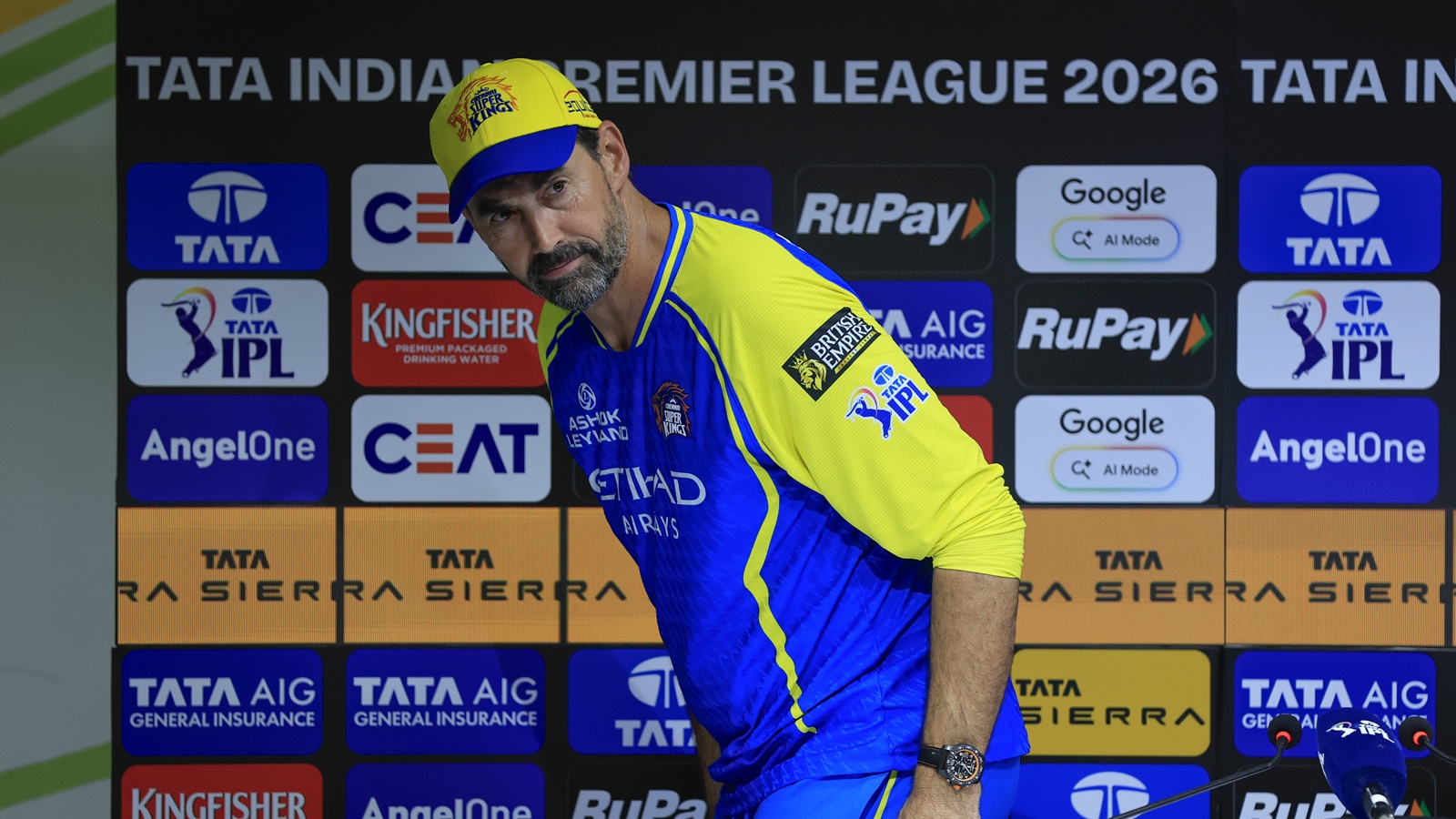
The article reveals that the management was initially "keen on retaining Fleming at least till the end of the cycle." This detail highlights the internal struggle and the deep respect held for Fleming. However, the "dwindling performance across leagues" ultimately forced their hand, leading to the collective decision to seek a "new direction." This indicates a shift from sentiment-based decision-making to a more performance-driven approach, essential for a high-stakes professional sports franchise.
Implications: A New Chapter for the Yellow Army
Fleming’s departure ushers in a new era for the Chennai Super Kings, fraught with both challenges and opportunities. The implications of this decision are far-reaching, impacting coaching philosophy, player recruitment, and the very culture of the team.
The Search for a Successor:
The most immediate implication is the hunt for a new head coach. Replacing a legend like Fleming, who was not just a coach but a strategic partner to Dhoni and a cultural architect, will be an immense task. While Hemang Badani’s name has surfaced as a potential candidate, Viswanathan’s statement confirms that the process is in its nascent stages. The franchise’s openness to both Indian and overseas candidates signals a broad search, prioritizing expertise and vision over nationality.
MS Dhoni’s Pivotal, Yet Ambiguous, Role:
Perhaps the most intriguing aspect of this transition is the evolving role of MS Dhoni. The article states he "could play a vital role in the road ahead," even as his playing future remains uncertain. It is "not clear at this stage whether he has played his last match or not." This ambiguity keeps fans on tenterhooks, but his strategic involvement seems assured. There is a "strong likelihood he will meet a few [candidates] alongside The Hundred," suggesting his direct input in the coach selection process. Dhoni’s unparalleled understanding of the CSK ecosystem, its players, and its unique fan base makes his counsel invaluable, whether as a mentor, advisor, or even in a formal management capacity. His presence will be crucial in ensuring a smooth transition and maintaining the team’s core identity.
Overhaul of the Support Staff:
The appointment of a new head coach will inevitably lead to a restructuring of the support staff. As Viswanathan noted, "The new head coach will decide the support staff. It is only fair if he gets to bring his own support staff or if he wishes to carry on someone from within." This grants the incoming coach the autonomy to build a team around their philosophy, potentially leading to a fresh perspective on training, analysis, and player development. This clean slate offers an opportunity to inject new energy and ideas into the team’s operational framework.
The Emphasis on Indian Coaches and Local Talent:
A significant strategic shift hinted at is the "strong chance the franchise could look at Indian coaches as the role of local players has become prominent." This could signify a move towards a coach with a deeper understanding of the domestic talent pool, local cricketing nuances, and cultural sensitivities within the team. With the IPL increasingly relying on local talent, an Indian coach might be seen as better equipped to scout, develop, and integrate these players effectively, fostering a stronger local core for the future.
Rebuilding the Core Before the Mega Auction:
The timing of this decision is critical. The article highlights that bringing in a new coach now means that "before the mega auction that is likely to take place after the next IPL season, CSK will have a clear picture of their core." This strategic foresight allows the new coach ample time to assess the current squad, identify strengths and weaknesses, and formulate a clear vision for the team’s composition. With retention rules and salary caps always a challenge, having a new coaching philosophy in place well before the auction will be instrumental in making informed decisions about which players to retain, target, and build around for the next cycle. This deliberate approach aims to prevent a repeat of the recent auction missteps and establish a robust, future-ready squad.
In conclusion, Stephen Fleming’s departure closes a monumental chapter in the Chennai Super Kings’ history. While his legacy of unparalleled success will forever be etched in the annals of the IPL, the franchise now stands at a crossroads, poised to embark on a new journey. The road ahead will be challenging, demanding astute leadership, strategic vision, and a renewed commitment to excellence. With the iconic MS Dhoni still looming large in a yet-to-be-defined capacity, and a meticulous search for a new coaching leader underway, the ‘Yellow Army’ prepares to redefine its identity and reclaim its rightful place at the pinnacle of T20 cricket. The cricketing world watches with bated breath as the Chennai Super Kings begin their quest for a fresh era of dominance.
