

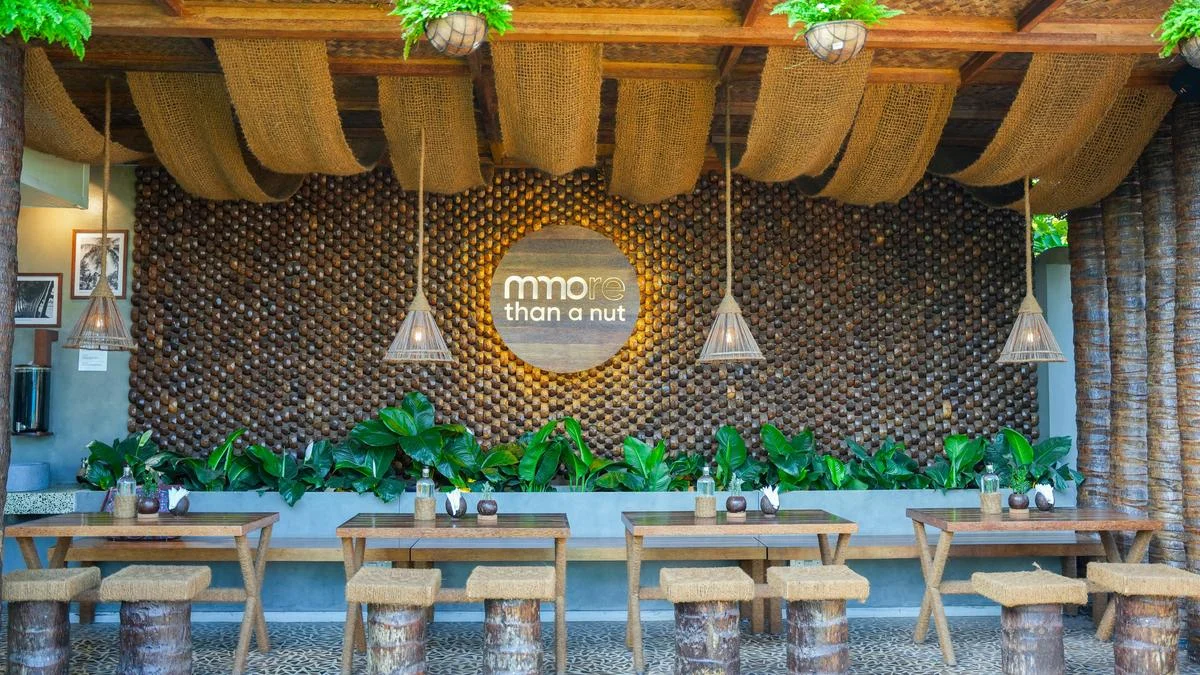
In the bustling town of Aluva, situated on the outskirts of Kochi, Kerala, a unique architectural and culinary experiment is quietly challenging the global narrative on tropical produce. Located strategically near Rajagiri Hospital, MMore Than A Nut is not merely a café; it is a high-concept "experience center" dedicated entirely to the coconut tree.
Founded by Ubais Ali, the visionary behind the Mezhukkattil Mills Originals (MMO) brand, the establishment seeks to elevate the coconut from a humble kitchen staple to a premium lifestyle commodity. In Kerala, a land whose very name is derived from Kera (the coconut palm), the tree has long been revered as Kalpavriksham—the celestial, wish-fulfilling tree. Yet, Ali argues that despite this cultural reverence, the coconut has remained criminally undervalued in the modern global market.
"We see a lot of content about raisins and almonds from other countries," Ali notes. "How about we push our produce? Like coconuts, in this case." This philosophy forms the backbone of an enterprise that merges industrial heritage with contemporary sustainability.
Main Facts: A 360-Degree Coconut Experience
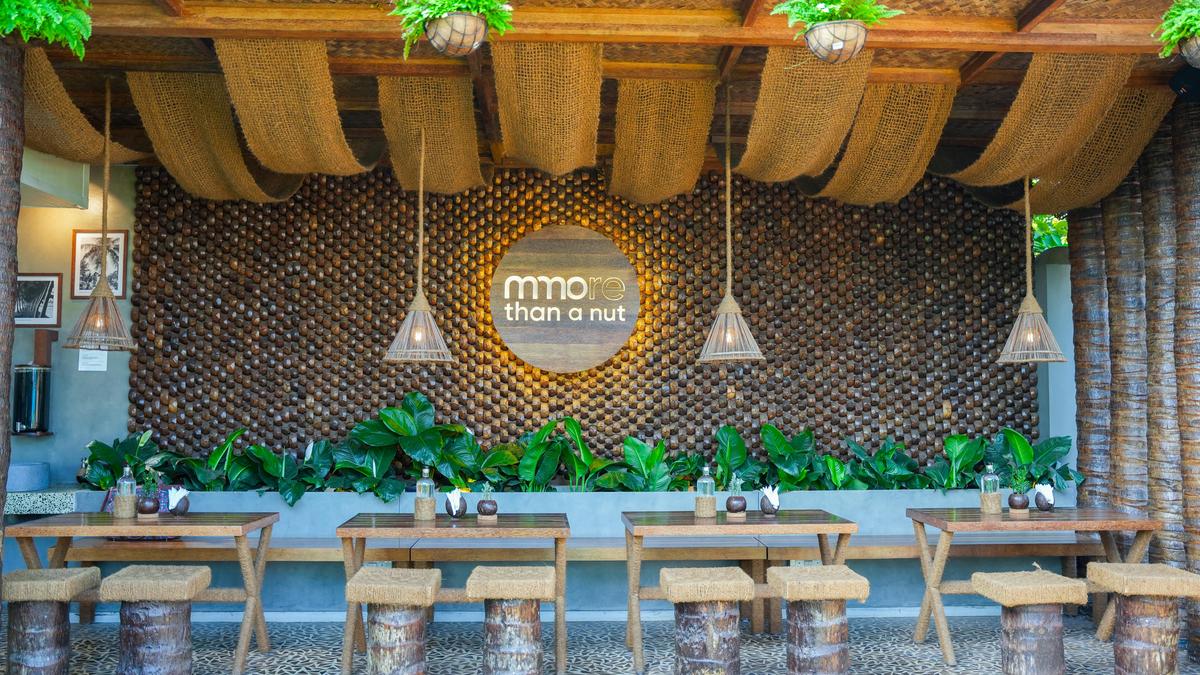
The first thing a visitor notices upon entering MMore Than A Nut is that the "coconut-based" label is literal, not metaphorical. The café serves as a living showroom for the versatility of the palm. The architectural integration of coconut-derived materials is exhaustive:
- Structural Elements: The tables, benches, and wall cladding are crafted from seasoned coconut wood.
- Flooring: In a striking display of upcycling, the café features flooring made from coconut shells, polished to create a mosaic effect that rivals traditional terrazzo or marble.
- Decor and Utility: Lampshades, dustbins, and even garden lights are fashioned from coconut shells and fiber.
- Tableware: Every beverage and dish is served in coconut-based cutlery and bowls, reinforcing the brand’s "zero-waste" ethos.
The café is an extension of Mezhukkattil Mills, a large-scale industrial unit located right behind the storefront. This proximity allows for a seamless transition from raw material processing to consumer experience. The second floor of the factory houses a dedicated Research and Development (R&D) kitchen and bakery, where food scientists and chefs collaborate to push the boundaries of what coconut-based ingredients can achieve.
Chronology: From 1976 Oil Mill to 21st-Century Lifestyle Brand
The story of MMore Than A Nut is rooted in a half-century of industrial evolution. To understand the café, one must understand the legacy of Mezhukkattil Mills.
1976: The Foundation
The journey began in 1976 when Ubais Ali’s father established a traditional oil mill. In the early decades, the business focused on the primary extraction of coconut oil, catering to the local Kerala market where coconut oil is the primary cooking medium.
1990s – 2010s: Expansion and Export
As the global demand for coconut products grew—driven by the "superfood" movement in the West—Mezhukkattil Mills expanded its operations. The company moved beyond simple oil extraction into value-added products like desiccated coconut, coconut milk powder, and virgin coconut oil. During this period, the mill became a significant exporter, earning several government awards for innovation in product development and packaging design.
2020s: The Birth of MMore Than A Nut
Ubais Ali recognized a gap in the domestic market. While the world was discovering the benefits of coconut flour and MCT (Medium-Chain Triglyceride) oils, the local population in Kerala often took the coconut for granted. Ali envisioned a space that would "showcase the potential of coconuts beyond the regular uses."
This led to the construction of the Aluva café—a roadside accessible "concept store" designed to catch the eye of commuters and tourists alike, serving as a physical manifestation of the MMO brand’s capabilities.

Supporting Data: The Science and Menu of Innovation
The R&D kitchen at MMore Than A Nut is the heart of the operation. The challenge Ali set for his team was to replace traditional ingredients—wheat flour, dairy, and refined fats—with coconut derivatives without compromising on texture or flavor.
The Bakery: Flour and Fat Reimagined
The menu features a range of "travel cakes," designed to last several days without refrigeration—a nod to the natural preservative qualities of coconut fats. These include:
- Coconut Banana and Desiccated Coconut Cakes: Utilizing coconut flour, which is high in fiber and gluten-free.
- Muffins, Cookies, and "Brookies": These items use coconut butter and flour as the base, providing a unique mouthfeel that differs from traditional dairy-based pastries.
- Pistachio and Roasted Coconut Baklava: A Middle Eastern classic reimagined with a tropical twist, substituting traditional nut fillings with toasted coconut.
The Beverage Program: Beyond the Nut
The drink menu is divided into three categories: hydration, indulgence, and tradition.
- Coconut Milk Infusions: The "Hot Chocolate with a Twist" replaces cow’s milk with rich coconut milk, offering a vegan-friendly, creamy alternative.
- Smoothies: Combinations like Avocado-Coconut and Mango-Tender Coconut highlight the fruit’s ability to act as a flavor carrier.
- Neera and Matured Water: Perhaps the most technically demanding products are the chilled Neera (the non-fermented sap of the coconut flower) and chilled matured coconut water. Neera requires immediate chilling and specialized sourcing to prevent it from fermenting into toddy (palm wine).
Retail and Value-Added Products
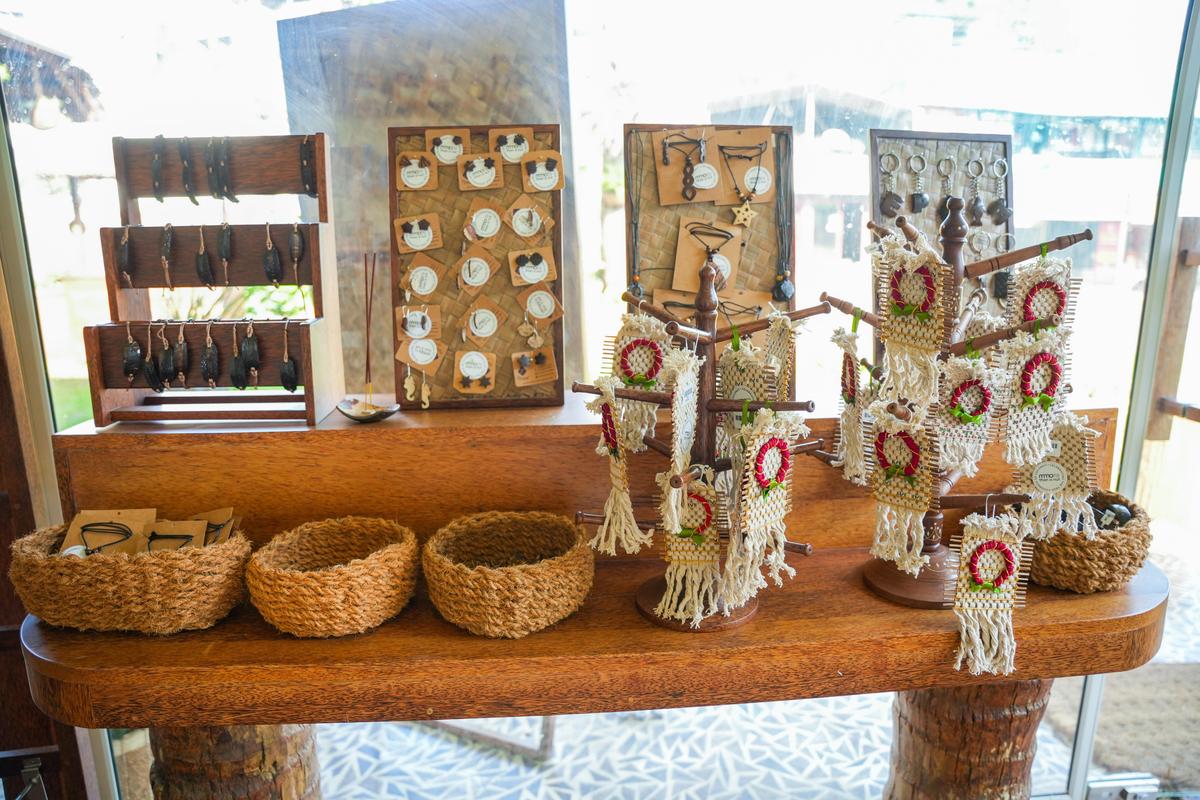
Beyond the café menu, the store stocks the full MMO retail line:
- Coconut Vinegar: A sustainable alternative to synthetic or apple cider vinegar.
- Coconut Cooking Paste: Aimed at the modern, time-pressed consumer.
- Virgin Coconut Oil (VCO): Produced through cold-pressing to retain bioactive compounds.
Official Responses: The Founder’s Vision
Ubais Ali’s mission is as much about advocacy as it is about business. In his view, the coconut industry is at a crossroads.
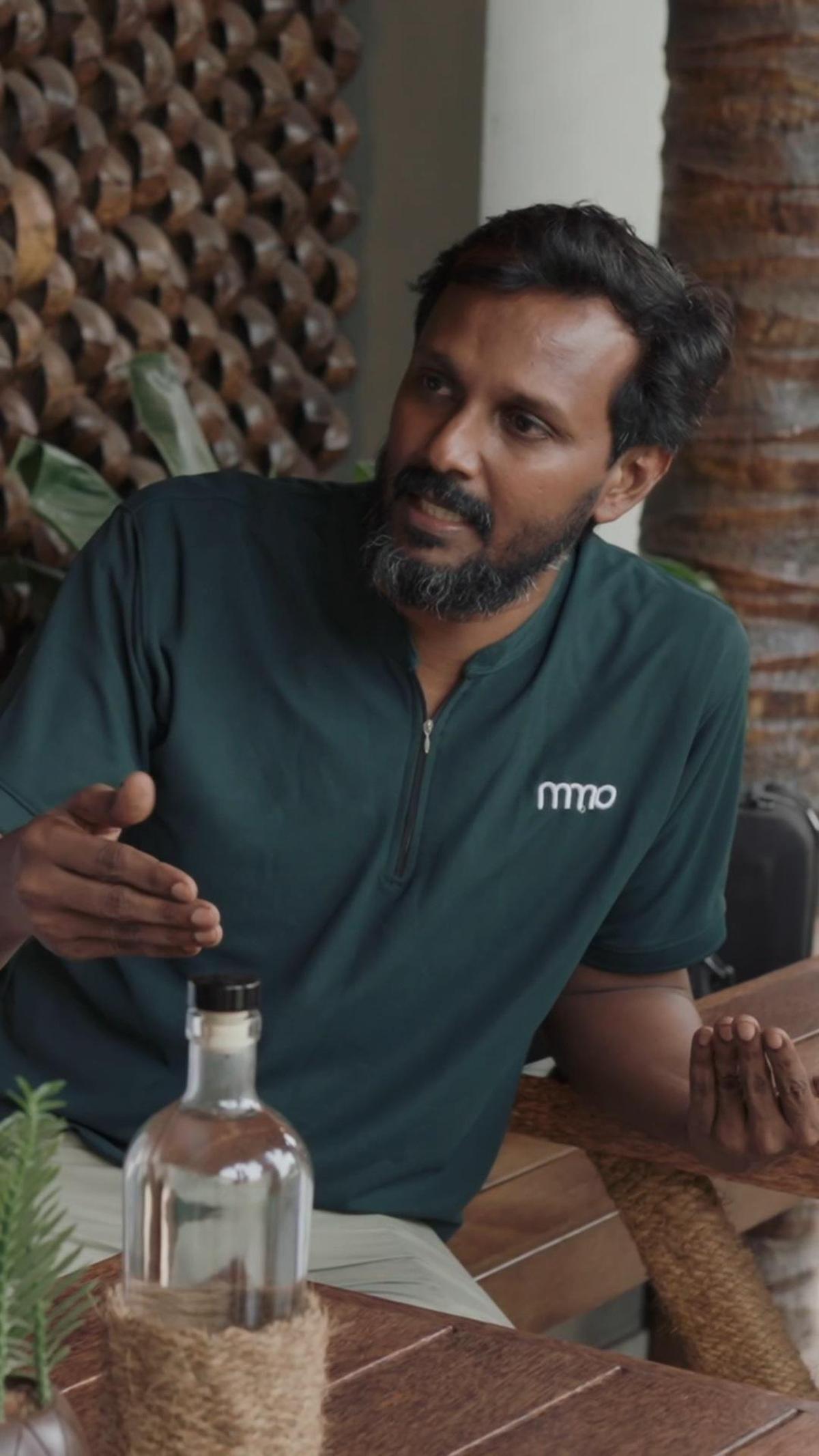
"We need to give the coconut its due," Ali says, emphasizing that the "Vocal for Local" movement must extend to agricultural staples. He argues that by creating high-value products like coconut flour and specialized desserts, the industry can ensure better price stability for farmers.
The Government of India and the Coconut Development Board (CDB) have historically encouraged value addition to shield farmers from the volatility of the copra (dried coconut) market. Mezhukkattil Mills’ success in winning government awards underscores the official recognition of this model. By transforming a raw agricultural commodity into a branded, "Instagrammable" café experience, Ali is providing a blueprint for how traditional Indian industries can modernize.
Implications: Sustainability and the Future of Agribusiness
The emergence of MMore Than A Nut has several significant implications for the regional economy and the broader food industry.
1. Circular Economy as a Business Model
The café is a masterclass in the circular economy. By finding high-value uses for every part of the tree—the wood for furniture, the shell for flooring, the husk for fiber mats, and the fruit for food—the enterprise minimizes waste and maximizes revenue streams from a single source. This model is highly replicable for other regional crops like bamboo or jute.
2. The Shift Toward "Functional Foods"
As global consumers move toward plant-based diets and gluten-free alternatives, coconut flour and milk are no longer niche products. MMore Than A Nut positions Kerala as a hub for this global shift. The R&D conducted in the Aluva kitchen could eventually lead to new export-grade products, further boosting India’s agricultural exports.
3. Reclaiming the Narrative
For decades, tropical oils (including coconut) were unfairly maligned by Western health narratives in favor of seed oils. Today, with the rise of Keto and Paleo diets, the narrative has flipped. Enterprises like MMore Than A Nut allow Indian entrepreneurs to reclaim the narrative around their indigenous crops, presenting them as premium, healthful, and sophisticated rather than "peasant food."
4. Agri-Tourism Potential
The café’s location and aesthetic appeal suggest a new form of "agri-tourism." By offering a sensory experience—tasting the neera, feeling the coconut-shell floor, and seeing the factory—Ali is creating a destination. This "experience economy" approach adds a layer of brand loyalty that traditional wholesale manufacturing cannot achieve.
Conclusion
MMore Than A Nut is more than a roadside stop in Aluva; it is a bold statement on the future of Kerala’s agriculture. By treating the coconut not as a commodity but as a versatile material for the 21st century, Ubais Ali and Mezhukkattil Mills are proving that tradition and innovation are not mutually exclusive. As the café continues to fine-tune its recipes and expand its reach, it stands as a testament to the enduring power of the Kalpavriksham—a tree that continues to fulfill wishes, provided one has the vision to see its potential.
