

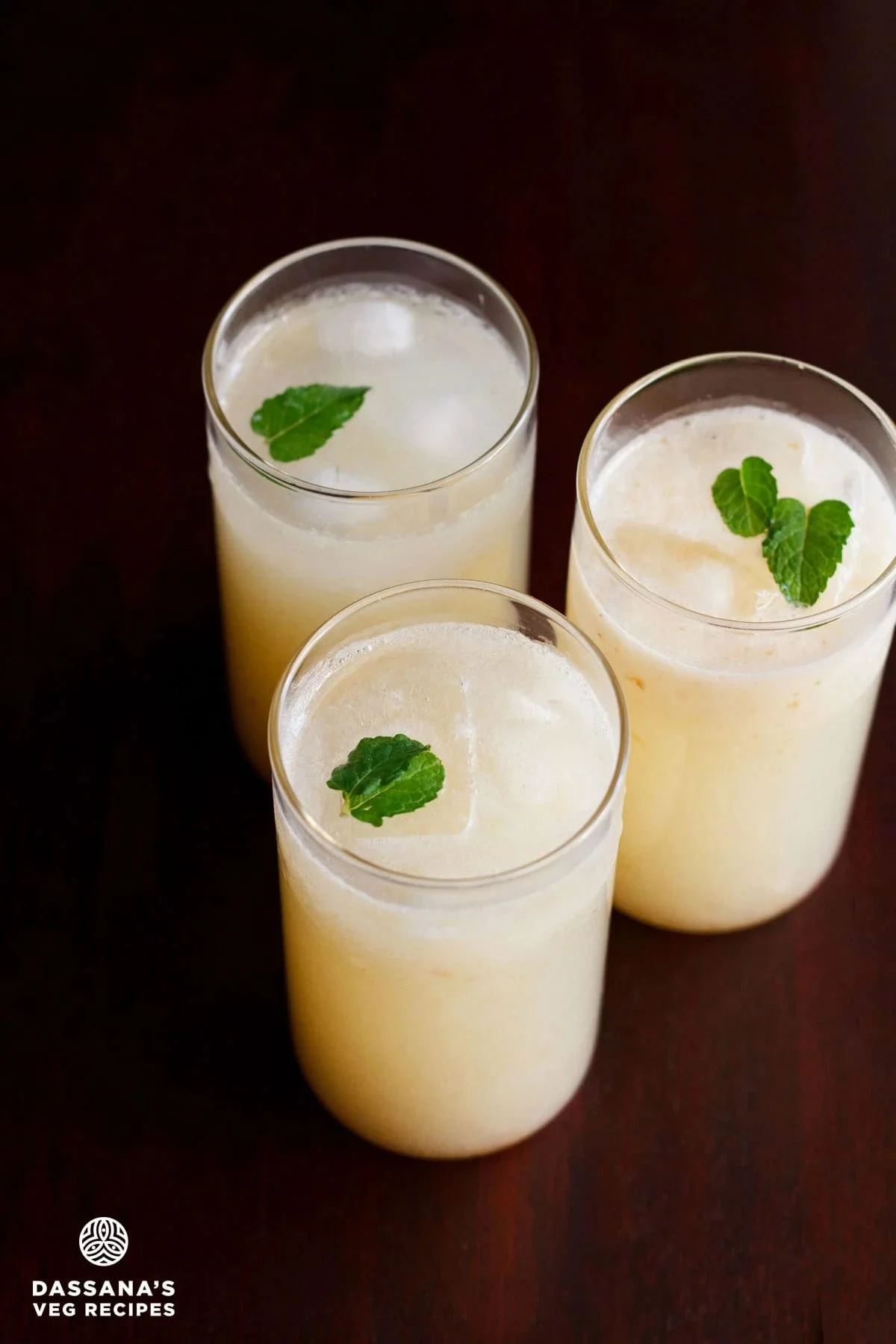
Main Facts: The Rise of Fresh Litchi Juice in Contemporary Wellness
As global temperatures continue to fluctuate and the demand for clean-label, preservative-free nutrition rises, the culinary world has seen a significant resurgence in traditional, fruit-based beverages. Leading this seasonal movement is Litchi Juice—a sophisticated, refreshing beverage derived from the tropical Litchi chinensis fruit. Characterized by its translucent appearance, floral aroma, and high water content, litchi juice has transitioned from a localized Asian delicacy to a global symbol of summer wellness.
Commonly known as "lychee," this tropical fruit is prized for its thin, pebbly, pink-red rind and its succulent white flesh. When processed into a juice, it offers a complex flavor profile that balances natural sweetness with subtle tartness, particularly when enhanced by citrus agents such as lemon. Unlike its commercially bottled counterparts, which often rely on high-fructose corn syrup, artificial flavorings, and chemical stabilizers, the homemade iteration of litchi juice focuses on "whole-food" integrity.
The primary appeal of this beverage lies in its simplicity and speed of preparation, typically requiring fewer than 15 minutes to produce. However, its simplicity belies a sophisticated nutritional profile that makes it an ideal candidate for combating heat-induced fatigue. As the "clean eating" trend continues to dominate the beverage industry, the shift toward artisanal, home-blended litchi juice represents a broader consumer rejection of processed sugars in favor of seasonal, botanical hydration.

Chronology: The Methodical Preparation of Artisanal Litchi Juice
The production of high-quality litchi juice is a precise, multi-stage process that prioritizes fruit integrity and flavor balance. To achieve a professional-grade result, culinary experts follow a specific chronological sequence designed to maximize extraction while maintaining the fruit’s delicate volatile compounds.
Phase I: Selection and Sanitation
The process begins with the rigorous selection of 14 to 15 ripe litchis. In a professional culinary setting, the fruit must be rinsed thoroughly under cold running water to remove environmental particulates. This stage is critical because the outer peel, while discarded, can transfer microbes or dust to the flesh during the peeling process.
Phase II: Extraction and Inspection
Once sanitized, the litchis are peeled individually. This stage involves a crucial "quality control" check. Preparers are advised to inspect the flesh for discoloration or signs of infestation (common in tropical stone fruits). Fresh, viable litchis should exhibit a pearlescent, translucent white hue and a distinct floral scent. The flesh is then manually or mechanically separated from the large, dark brown seed (the stone).

Phase III: The Pulverization Process
The raw pulp is transferred to a high-speed blender. To maintain the concentrated essence of the fruit, the pulp is initially blended without the addition of water. This creates a thick, smooth puree. If the fruit is particularly fibrous, a minimal amount of water (approximately two tablespoons) may be introduced to facilitate the movement of the blades.
Phase IV: Formulation and Balancing
The resulting puree is transferred to a larger vessel—a pitcher or mixing bowl—where it is "stretched" with three cups of chilled or room-temperature water. To achieve the signature flavor profile, sugar (3 to 4 tablespoons) is introduced alongside the juice of one small to medium lemon. The lemon juice acts as a pH balancer, cutting through the heavy sweetness of the litchi and providing a "bright" finish to the palate.
Phase V: Homogenization and Presentation
The mixture is stirred or briefly re-blended until the sugar is fully dissolved. The final product is then decanted into glasses, often over ice. For aesthetic and aromatic enhancement, a garnish of fresh mint or a thin lemon wheel is applied. The entire chronology, from fruit selection to serving, is optimized for immediate consumption, as fresh litchi juice is highly susceptible to oxidation.

Supporting Data: A Detailed Nutritional Audit
The health implications of litchi juice are supported by a robust data set. Analysis of a standard serving (approximately 1/3 of the recipe) reveals a nutrient-dense profile that caters to both caloric consciousness and micronutrient requirements.
Caloric and Macronutrient Breakdown
A single serving of homemade litchi juice contains approximately 93 calories. The energy is primarily derived from 24 grams of carbohydrates, of which 20 grams are natural sugars. It is remarkably low in fat (0.3g) and contains a modest 1 gram of protein. This makes it a high-glycemic recovery drink, suitable for rapid rehydration after sun exposure.
Micronutrient Concentration
The standout statistic in the nutritional data is the concentration of Vitamin C (55 mg). This represents a significant portion of the Recommended Dietary Allowance (RDA), positioning the drink as a potent immune-system booster and antioxidant source.

Additional mineral and vitamin data include:
- Potassium (150 mg): Essential for electrolyte balance and heart health.
- Calcium (25 mg): Supporting bone density.
- Magnesium (12 mg) and Phosphorus (23 mg): Vital for cellular energy transfer.
- Folate (13 µg): Crucial for DNA synthesis and repair.
- Vitamin A (93 IU): Benefitting ocular health and skin integrity.
Comparative Advantages
When compared to commercial "fruit-flavored" sodas, which may contain upwards of 40 grams of processed sugar and zero vitamins, litchi juice provides a superior nutritional density. The presence of 2 grams of fiber (if the pulp is not strained) also aids in a more gradual insulin response compared to filtered, clear juices.
Official Perspectives: Culinary Best Practices and Expert Tips
Culinary experts and nutritionists emphasize that the quality of litchi juice is directly proportional to the quality of the raw ingredients. Dassana, a prominent culinary voice in Indian vegetarian cuisine, provides several "expert tips" that elevate the beverage from a simple drink to a gourmet experience.

1. Fruit Integrity: Experts warn against using overripe or bruised litchis, as they can impart a fermented or "off" taste. The fruit should be firm yet slightly yielding, with a vibrant red husk.
2. Temperature Management: For the most refreshing experience, using chilled water is recommended. If the juice is prepared with room-temperature water, it should be served over large ice cubes to minimize dilution while maximizing the cooling effect.
3. Sweetener Customization: While the standard recipe calls for sugar, nutritionists suggest that the amount should be adjusted based on the fruit’s natural Brix level (sugar content). In peak season, litchis may be sweet enough to eliminate the need for added sugar entirely, or they can be substituted with honey or agave for a different flavor profile.

4. Flavor Versatility: Beyond the standard juice, the litchi puree serves as a foundational base. Culinary professionals often use this base for milkshakes, smoothies, and even artisanal ice creams. The addition of fresh mint is not merely for decoration; the menthol in the mint interacts with the floral notes of the litchi to enhance the perception of coldness.
Implications: The Shift Toward Natural Hydration and Sustainable Consumption
The rising popularity of litchi juice has broader implications for public health and environmental sustainability. As the global community grapples with an obesity epidemic partially driven by sugary beverages, the "DIY" juice movement encourages consumers to take control of their nutritional intake.
Health Implications
By preparing litchi juice at home, individuals bypass the "hidden" additives found in packaged goods, such as sodium benzoate or artificial dyes. The high Vitamin C and potassium content of the litchi fruit serve as a natural defense against the oxidative stress caused by intense summer heat. Furthermore, the inclusion of fresh lemon juice provides a natural source of citric acid, which can aid in digestion.

Environmental and Economic Impact
The seasonal nature of the litchi—available for only a few weeks in late spring and early summer—creates a localized economic boom for farmers in regions like Bihar, India, and parts of Southeast Asia. Choosing fresh, whole fruit over imported, canned varieties supports local agricultural cycles and reduces the carbon footprint associated with industrial canning and long-haul shipping.
Cultural Preservation
In many Asian cultures, the arrival of the litchi season is a celebrated event. Reinvigorating interest in litchi juice helps preserve traditional culinary knowledge while adapting it for modern, health-conscious palates. It stands as a testament to the fact that the most effective solutions for seasonal hydration are often found in nature’s own pantry.
In conclusion, Litchi Juice is more than just a beverage; it is a sophisticated intersection of traditional gastronomy, modern nutritional science, and the "clean label" movement. As consumers continue to prioritize health without sacrificing flavor, this floral, cooling elixir is set to remain a staple of the summer season for years to come.
